Quick local hook and how to use this checklist
If you are buying in the Greater Toronto Area, tight timelines and older building stock make plumbing risks a common cause of surprise repair bills and transaction delays. Use this checklist when you view a property and again while the inspector is on site. Each numbered item below explains what to look for, why it matters, the exact question to ask your inspector, and the immediate next step to protect your budget and closing schedule. For certified inspection coverage across the GTA, ASM Home & Commercial Inspection offers residential and commercial inspections and same-day PDF reports to help you act quickly when red flags appear (ASM Home & Commercial Inspection).
The seven red flags you must verify during a viewing or inspection
This article lists exactly seven high-priority plumbing inspection red flags. For each one you will get a quick visual checklist, the reason it matters, the precise question to ask your inspector, and a practical next step you can take before you remove conditions from an offer.
1. Visible corrosion, staining, or pooling around pipes and fixtures
What to look for: rust on fittings or pipe bodies, green or white mineral residue, brown stains under sinks, and standing water in cabinets or around floor drains. These signs point to ongoing or previous leaks, trapped moisture, or failing materials. Visible corrosion and residue may indicate aging pipes or chronic leaks that can worsen if ignored; a plumbing expert lists exposed pipe corrosion and water heater deterioration among major red flags to check when buying a house (Roto-Rooter guidance).
Question to ask the inspector: "Is this active leakage or historic staining, and did you test for moisture beneath or behind the visible area?"
Next step: Request invasive moisture testing or a plumber leak evaluation if the inspector flags active moisture. If moisture is active, add a repair contingency or request a seller credit rather than accepting the issue as cosmetic.
2. Presence of galvanized or very old iron piping
What to look for: dull grey iron pipes with rough, flaking surfaces, or plumbing that looks older than the home’s era. Galvanized piping was once common but corrodes from the inside out, reducing flow and increasing contamination risk over time. Industry guidance flags galvanized pipe as a buyer concern because it can restrict flow and is considered outdated compared with modern materials (Oatey plumbing issues guide).
Question to ask the inspector: "Are the supply lines galvanized or otherwise original, and does the inspection recommend a repipe estimate or water-quality testing?"
Next step: If galvanized service is present, arrange a licensed plumber to provide a written repipe estimate and an opinion on remaining useful life. Use that estimate in negotiations or to set aside funds in escrow.
3. Water heater warning signs: rust, pooling, or unknown age
What to look for: rust on the tank, corrosion at the base, active puddling, taped repairs, or no visible service or manufacture sticker. A failing water heater is an urgent concern because tanks can leak suddenly and present scalding or flood risks; inspectors and plumbing guides recommend checking visible condition and age as part of a pre-purchase review (Roto-Rooter guidance).
Question to ask the inspector: "Can you confirm the water heater age, test the temperature-pressure relief valve, and note any signs of imminent failure in your report?"
Next step: If the heater shows rust or pooling, get a plumber’s on-site assessment before closing. A leaking tank typically requires immediate replacement, so consider asking the seller to replace it or negotiate a credit.
4. Slow drains, recurring backups, or sewer odours
What to look for: multiple fixtures that drain slowly, toilets that gurgle when other drains are used, or persistent sewer odours in basements or near plumbing fixtures. These symptoms can indicate partial blockages, failing sewer connections, or tree-root intrusion in the mainline, all of which can be costly to repair and disruptive to occupy.
Question to ask the inspector: "Did you observe slow fixtures during functional tests, and do you recommend a mainline camera inspection or plumber evaluation?"
Next step: For recurring backups or odours, insist on a mainline camera inspection by a qualified plumber before removing conditions. Use the camera report to negotiate repairs, credits, or escrowed funds for remediation.
5. Frequent patchwork repairs, mismatched materials, or poorly supported piping
What to look for: tape or sealant on joints, visible patchwork under sinks, mixed pipe materials joined without proper couplings, sagging horizontal runs, or pipes strapped incorrectly. These signs often indicate repeated problems that were addressed temporarily, not permanently. A pattern of patch repairs suggests unresolved root causes such as shifting foundations, freezing damage, or poor original workmanship.
Question to ask the inspector: "Do the repairs look permanent and code-compliant, or should a licensed plumber provide a repair scope and estimate?"
Next step: Obtain a written repair scope and cost estimate from a licensed plumber. If the seller resists repair, use the estimate to request a credit or to require the work before closing under an agreed timeline.
6. Low water pressure or inconsistent hot water
What to look for: weak flow from multiple fixtures, long waits for hot water, or very different pressure between hot and cold taps. Causes range from a corroded supply line, undersized service, failing mixing valves, or a marginal water heater. Low pressure affects daily comfort and can signal a larger distribution issue.
Question to ask the inspector: "Did you perform flow or pressure checks, and do you recommend specialist flow testing or a plumber diagnosis?"
Next step: If pressure is low throughout the house, commission a plumber to test inlet pressure and evaluate whether repiping, service line replacement, or water softener changes are required. Factor potential costs into your offer or negotiation strategy.
7. Signs of past moisture intrusion in basements, ceilings, or behind walls
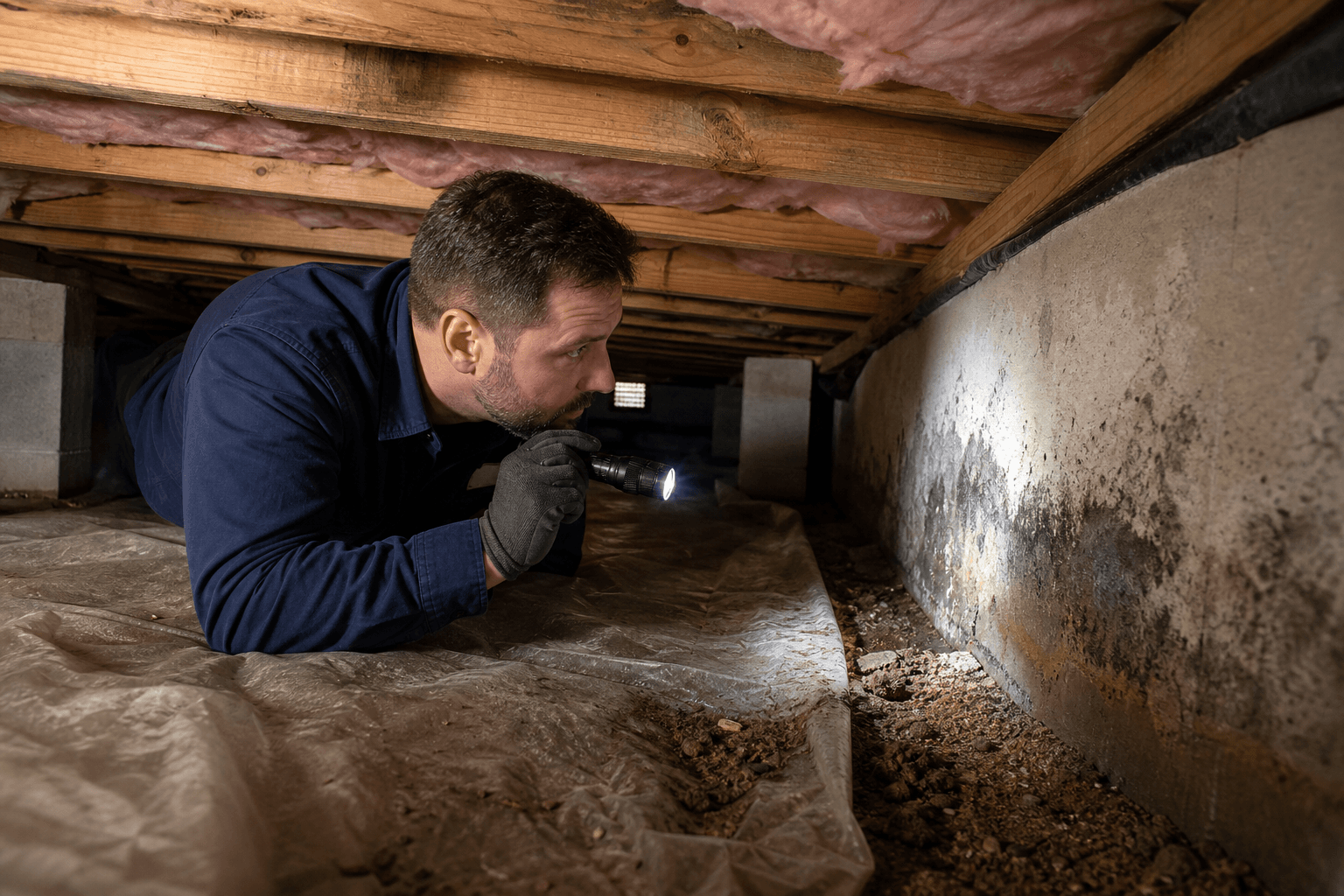
What to look for: water stains on ceilings, efflorescence or white salts on foundation walls, replaced or bulging drywall, musty odours, or visible mould. ASM highlights moisture intrusion as a priority because unresolved moisture can lead to structural damage and occupant safety risks (ASM Home & Commercial Inspection).
Question to ask the inspector: "Are there indications this was active recently, and do you recommend thermal imaging or invasive moisture testing to confirm current status?"
Next step: For any sign of past or present moisture intrusion, request thermal imaging and invasive moisture tests. If active moisture or mould is confirmed, obtain specialist remediation quotes before waiving inspection conditions.
How a certified inspector verifies these red flags on site and in the report

Certified inspectors use a combination of visual inspection, moisture meters, thermal imaging, and functional tests to differentiate between active and historic issues. Your report should clearly label findings as "active" or "historic," note any invasive testing limits, and include photographic evidence. ASM inspectors cite credentials such as InterNACHI and CCPIA and deliver same-day PDF reports so buyers and agents can respond quickly when a red flag appears (ASM Home & Commercial Inspection).
Decision criteria: when to accept, negotiate, or walk away
Use these simple rules when a red flag appears: immediate safety risks or active leaks require repair or a walk-away clause. Systemic, high-cost issues such as a full repipe or mainline failure require specialist quotes and either a seller-funded repair, a negotiated credit, or escrowed funds. Cosmetic or isolated faults with low cost and low risk can be negotiated as part of the sale price. Always collect written estimates and include photographic and report evidence to support your negotiation.
Real objections buyers and sellers raise and exact replies to use

Seller: "We fixed it already." Reply: "Please provide a licensed plumber's invoice and warranty for the work. Until we have documentation and the inspector’s sign-off, we will keep the condition in place."
Inspector: "I marked this as historic." Reply: "Please confirm whether you performed moisture readings or thermal imaging and note that the buyer may request invasive testing before removing conditions."
Buyer short on time: "Can I waive an inspection to speed closing?" Reply: "Waiving removes negotiating leverage. Instead, consider a limited plumbing scope inspection or require a same-day report to keep timelines while protecting yourself."
GTA context to consider: older systems, cold-weather effects, and municipal notes
Many GTA homes contain legacy plumbing materials and have experienced seasonal freeze-thaw cycles that stress pipes. Municipal permit records vary, so check with local building departments if major upgrades appear undocumented. For local inspection coverage and certified credentials in the GTA, ASM lists both InterNACHI and CCPIA qualifications and emphasizes moisture intrusion as a key risk to identify early (ASM Home & Commercial Inspection). For galvanized pipe guidance, the Oatey resource explains why buyers commonly treat it as a red flag (Oatey plumbing issues guide).
Printable checklist, quick next steps, and a concise booking CTA
Printable checklist title: "7 Plumbing Red Flags Checklist". Immediate actions after an inspection:
- Save photos and the same-day PDF inspection report.
- Obtain written plumber quotes for any systemic issues.
- Add repair or credit conditions to the offer when active problems are documented.
- Request specialist testing (camera, invasive moisture, or water lab) for ambiguous findings.
- If safety risks exist, pause closing until remedied or agree specific escrow protections.
To schedule a certified inspection with rapid reporting, book ASM Home & Commercial Inspection for GTA coverage, InterNACHI and CCPIA credentials, and same-day PDF delivery (ASM Home & Commercial Inspection).
Frequently asked questions
How fast can I get a plumbing inspection report in the Greater Toronto Area?
ASM provides same-day PDF inspection reports for many bookings, which helps buyers and agents meet tight closing timelines; confirm scheduling availability directly with the inspector (ASM Home & Commercial Inspection).
Is galvanized piping always a deal breaker when buying a house?
Not always, but galvanized piping is commonly considered a long-term concern because of internal corrosion and flow restriction. A licensed plumber’s repipe estimate and a water-quality test will guide negotiation and budgeting (Oatey guidance).
If a home inspector finds plumbing red flags do I need a separate plumber inspection?
Yes. When an inspector flags active leaks, mainline issues, or suspected repiping needs, a licensed plumber’s evaluation or specialist testing (camera, moisture probe) provides repair scope and cost estimates you can use in negotiations.
Can a home inspection estimate repair costs for major plumbing problems?
Inspectors can identify problems and note urgency, but accurate repair costs normally require a licensed plumber’s written estimate because pricing depends on access, scope, and local labour rates.
What do InterNACHI and CCPIA certification mean for a plumbing inspection?
These credentials indicate the inspector follows established standards for residential and commercial inspections and can provide systematic, documented findings. ASM lists both certifications and same-day report delivery as part of its service offering (ASM Home & Commercial Inspection).
Ready to protect your purchase with a professional inspection? Book Asmhomeinspection at Asmhomeinspection.