Last updated: October 2026
An annual home maintenance inspection gives current homeowners a repeatable way to understand how their property is changing. It is not a legally defined or universally mandatory inspection category, and it is different from a municipal property-standards inspection or a construction-stage building inspection. Its purpose is practical: identify developing concerns, record the home’s condition, and create a sensible maintenance plan.
For GTA homeowners, the review can be especially useful after winter freeze–thaw cycles, spring snowmelt, heavy rain, or a renovation. ASM Home & Commercial Inspection provides certified residential and commercial property inspections across the Greater Toronto Area, including annual maintenance inspections with same-day PDF reporting. This guide explains what the service covers, what it cannot establish, how to prepare, and how to act on the results.
By Asmhomeinspection • Refreshed for the next publication cycle
What is an annual home maintenance inspection?
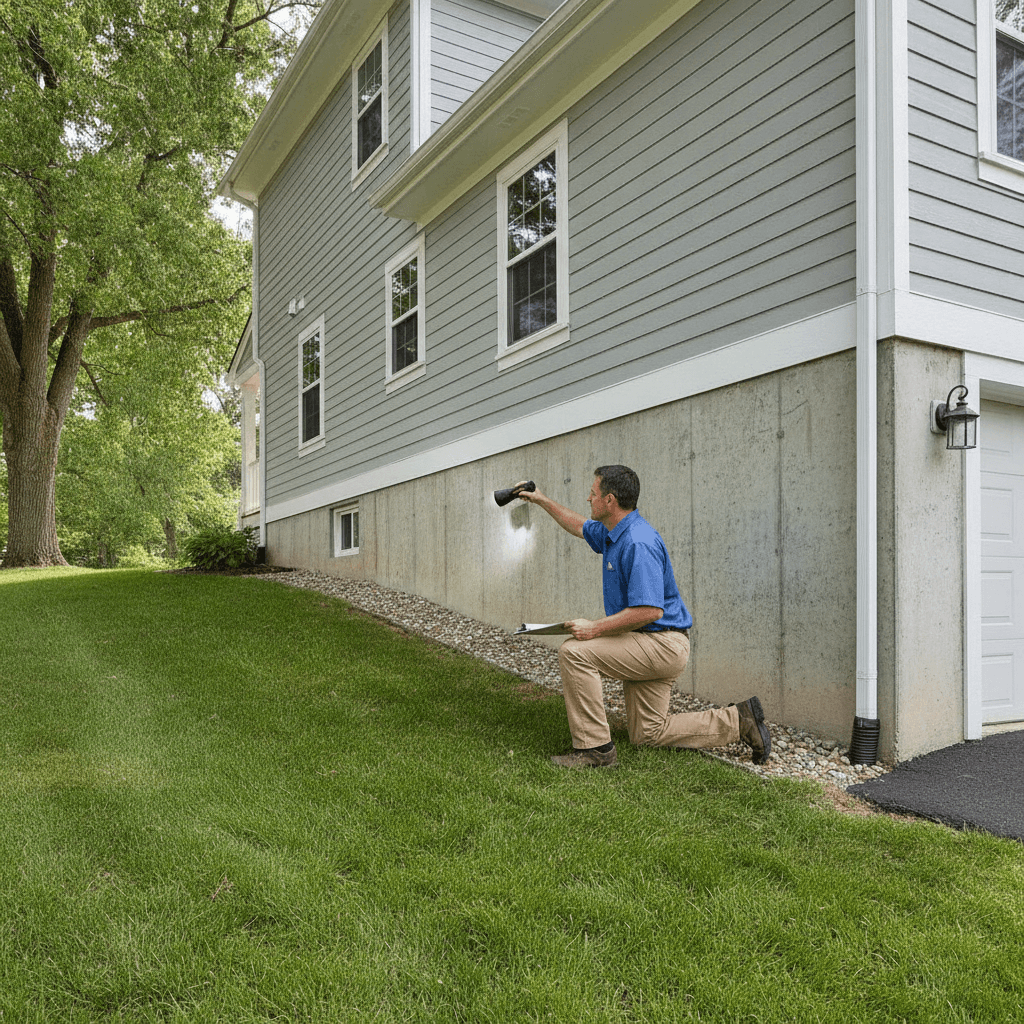
An annual home maintenance inspection is a scheduled, non-invasive review of accessible components and systems in an occupied property. The inspector examines areas such as the roof, attic, exterior envelope, foundation, basement, plumbing, electrical system, heating and cooling equipment, and visible signs of moisture. Findings are documented with explanations and recommended next steps.
The inspection is preventive rather than reactive. Instead of waiting for a ceiling stain, furnace failure, unsafe outlet, or basement leak, an owner can use a yearly review to find smaller warning signs while they are easier to manage. The inspection does not replace specialized work by a licensed electrician, plumber, HVAC technician, roofer, engineer, or other qualified professional when a defect requires further diagnosis or repair.
What the inspection is designed to answer
- What has changed since the last inspection or repair?
- Are there visible conditions that may allow water into the building?
- Which concerns affect immediate safety, and which can be planned?
- Which systems need routine service, monitoring, or specialist assessment?
- What should the homeowner do first, and what evidence should be kept for later comparison?
A repeatable inspection is most useful when the owner keeps previous reports, photographs, service records, and dates in one place. Comparing observations year over year can reveal recurring moisture, drainage, ventilation, or equipment concerns that a one-time visit may not show.
What does an annual residential home inspection include?
The exact scope depends on the property, access, age, construction, and concerns raised before the appointment. A typical residential home inspection reviews visible and readily accessible conditions rather than opening walls, dismantling equipment, or making destructive openings. The inspector may recommend targeted testing or a specialist where the visible evidence warrants it.
| Area | Common observations | Possible next step |
|---|---|---|
| Roof and attic | Shingles or roof covering, flashings, penetrations, vents, insulation, visible sheathing, and moisture clues | Seal or repair a minor defect, improve ventilation, or obtain a roofer’s assessment |
| Exterior and drainage | Siding, trim, caulking, decks, grading, gutters, downspouts, window wells, and foundation exposure | Redirect water, renew deteriorated sealant, repair components, or monitor movement |
| Structure and basement | Visible foundation walls, columns, beams, floors, cracks, seepage, sump equipment, and humidity clues | Improve surface drainage, investigate movement, control humidity, or seek specialist advice |
| Plumbing | Visible supply and drain lines, fixtures, shutoffs, water heater condition, leaks, and drainage symptoms | Repair a leak, replace a valve, service equipment, or call a licensed plumber |
| Electrical | Accessible panel, representative outlets, switches, visible wiring, and GFCI or AFCI devices where present | Have a licensed electrician investigate or correct a safety concern |
| HVAC | Furnace or air handler, filters, accessible ductwork, condensate management, and seasonal cooling equipment | Replace a filter, clear maintenance items, or arrange professional servicing |
This review is not a guarantee that every concealed defect will be found. Conditions can change between visits, and some areas may be inaccessible or unsafe to enter. A useful report states what was observed, what was not accessible, and what action is appropriate rather than presenting a visual review as a warranty.
Why schedule the inspection every year?
A house is exposed to weather, moisture, temperature changes, settlement, vibration, and everyday use throughout the year. Sealants deteriorate, fasteners loosen, filters become restricted, drainage patterns change, and small leaks may remain hidden for months. An annual review creates a planned checkpoint before those conditions become emergencies.
Moisture control comes first
Moisture deserves particular attention because water can affect finishes, insulation, framing, masonry, and indoor comfort. Inspectors look for pathways at roof penetrations, window and door trim, decks, gutters, downspouts, foundation walls, plumbing connections, and condensate lines. A recommendation may be as simple as extending a downspout, but the report helps the owner connect the visible symptom with the likely maintenance decision.
Safety concerns should not wait
Loose railings, damaged electrical components, blocked combustion air, unsafe access, and active leaks can require faster attention than ordinary wear. A report that separates safety concerns from routine maintenance helps the owner avoid treating every observation as equally urgent. Electrical, gas, structural, and mechanical work should be completed by the appropriate qualified professional.
Records support better decisions
A same-day PDF report can become part of the property’s maintenance record. It can help an owner brief a contractor, compare a recurring issue, plan a budget, or explain the condition of a component during a future sale. Documentation does not remove the need for repairs, but it reduces the risk of relying on memory.
How does the inspection process work?
A useful annual home maintenance inspection follows a consistent sequence while allowing time for property-specific concerns. Before the visit, the inspector discusses symptoms and relevant history. During the walkthrough, the homeowner can point out noises, odors, drafts, stains, or repairs that deserve closer attention.
- Pre-visit discussion: Share the age of the home, recent renovations, prior reports, known leaks, equipment concerns, and any changes since the last review.
- Exterior review: Examine drainage, grading, cladding, trim, windows, doors, decks, visible foundation areas, gutters, and downspouts.
- Roof and attic review: Assess visible roof components when safely accessible and look for ventilation, insulation, staining, or condensation clues in the attic.
- Interior walkthrough: Review ceilings, walls, floors, stairs, windows, doors, bathrooms, kitchens, and signs of settlement or water entry.
- Basement and structure review: Examine accessible foundation surfaces, support elements, sump equipment, humidity indicators, and seepage evidence.
- System observations: Review accessible plumbing, electrical, heating, cooling, and ventilation components without destructive testing.
- Prioritization: Classify observations by urgency, likely consequence, and the type of professional or maintenance action required.
- Report and discussion: Receive a same-day PDF report with photographs, explanations, and practical next steps where that service arrangement applies.
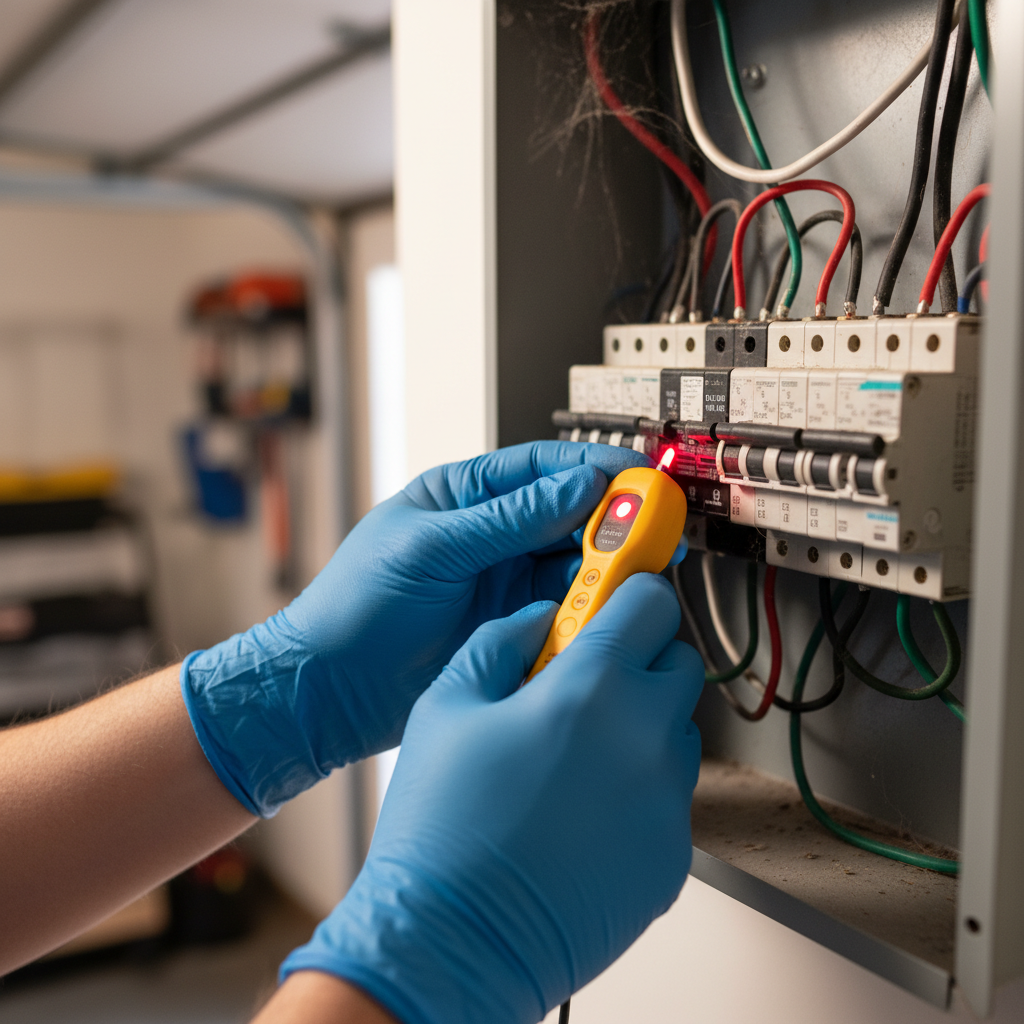
Inspection tools may include flashlights, electrical testers, moisture meters, infrared equipment, hygrometers, and other non-invasive tools. Tools support observation; they do not turn an annual review into a destructive investigation or a guarantee of hidden conditions.
What seasonal issues matter in GTA homes?
GTA homes experience cold winters, freeze–thaw movement, spring runoff, summer humidity, and heavy rainfall. The right timing depends on the property and the owner’s concerns, but many homeowners choose late spring to review winter effects or early fall to prepare for cold weather.
Before winter
- Clean and secure gutters and confirm that downspouts discharge away from the foundation.
- Check roof flashings, exterior sealants, masonry joints, and window wells for visible water-entry paths.
- Confirm that attic ventilation is not blocked and that insulation is not concealing moisture staining.
- Replace or clean HVAC filters according to the equipment manufacturer’s guidance.
- Keep exterior hose connections and exposed plumbing protected against freezing conditions.
After winter and spring snowmelt
- Look for new foundation staining, dampness, efflorescence, or changes around basement windows.
- Check whether grading and downspouts direct water away from the building.
- Review roof edges, soffits, flashing, and exterior trim for damage or movement.
- Test accessible sump equipment and arrange service if operation is uncertain.
During humid weather
Monitor basements, cold-water pipes, mechanical rooms, and areas around air-conditioning equipment for condensation or elevated humidity. Keep condensate drainage clear and investigate musty odors rather than masking them. The inspection can identify visible indicators, while a specialist may be needed to diagnose a persistent indoor-air or moisture problem.
For Toronto properties, owners should also understand the difference between private maintenance planning and public property standards. Toronto’s property standards framework requires owners to maintain properties, including roofs and other components, in appropriate condition. Ontario’s maintenance standards regulation also addresses maintenance obligations in its applicable residential-tenancy context. These rules do not make an annual home maintenance inspection universally mandatory; they provide a separate compliance context that may apply depending on the property and occupancy.
Read the Ontario maintenance standards regulation for the applicable legal text, and obtain professional legal or municipal guidance when a compliance question is involved.
How should you read the inspection report?
The most useful report is an action plan, not merely a long inventory of imperfections. Start with conditions that affect safety, active water entry, rapid deterioration, or the operation of a major system. Then separate items that need a contractor from tasks a homeowner can schedule as routine maintenance.
Use four practical priority groups
- Safety: Conditions that could create immediate risk or require prompt professional attention.
- Repair: Defects that should be corrected to prevent damage, loss of function, or worsening deterioration.
- Maintenance: Routine actions such as cleaning, sealing, filter replacement, drainage improvements, or servicing.
- Monitor: Conditions that are not currently urgent but should be photographed, dated, and reviewed again.
Ask for clarification when a recommendation is unclear. A strong follow-up question is: “What evidence supports this recommendation, what could happen if it is delayed, and which professional should assess it?” Do not rely on a report to select a contractor or establish an exact repair price unless those services were specifically provided and supported.
Build a maintenance calendar
After the inspection, transfer recommendations into a calendar with an owner, target date, and completion note. Address urgent safety and active water issues promptly, schedule ordinary repairs according to risk, and record when maintenance is completed. Keep invoices, photographs, warranties, and specialist reports with the inspection PDF.
How should a homeowner prepare?
Preparation improves access and gives the inspector useful context. Clear the route to the electrical panel, furnace, water heater, attic hatch, crawlspace access, sump equipment, and representative plumbing fixtures. Do not move heavy objects or enter areas that may be unsafe simply to make them accessible.
- Write down drafts, odors, unusual sounds, slow drains, stains, temperature differences, or recurring leaks.
- Gather prior inspection reports, repair invoices, renovation details, and equipment service records.
- Replace nothing immediately before the visit if the replacement would hide a recurring symptom; explain the history instead.
- Secure pets and advise the inspector about alarms, access restrictions, or sensitive areas.
- Ask how inaccessible areas, seasonal systems, and specialist recommendations will be described in the report.
Owners should also understand that an annual inspection is not a substitute for regular homeowner checks. Test safety devices according to their instructions, maintain equipment as directed, and contact the appropriate professional when a problem appears between inspections.
How does an annual inspection differ from other inspections?
| Inspection type | Primary purpose | Best timing |
|---|---|---|
| Annual maintenance inspection | Track condition, identify developing concerns, and plan upkeep | Once a year or after significant property changes |
| Pre-purchase inspection | Support buyer due diligence before completing a purchase | During the buying process |
| Pre-listing inspection | Help a seller understand and address condition issues before listing | Before marketing the property |
| New construction inspection | Document visible workmanship or completion concerns at relevant construction stages | During or after construction, according to the project |
| Specialist assessment | Diagnose or repair a focused issue such as structure, electrical, HVAC, or moisture | When an inspection identifies a concern needing expertise |
These services can complement one another, but they should not be presented as interchangeable. A homeowner may use annual reports to maintain a record, then arrange a separate pre-listing or pre-purchase inspection when a transaction requires one.
What affects the scope of an annual inspection?
Scope is influenced by property size, age, layout, accessibility, number of mechanical systems, detached structures, renovation history, and the owner’s questions. A property with a recent roof replacement may need different attention from an older home with recurring basement moisture. Targeted moisture, attic, roof, or HVAC attention may be appropriate when the history points to a specific risk.
Do not choose scope solely by trying to make the visit as short as possible. Ask what areas are included, what limitations apply, whether a same-day PDF is provided, how findings are prioritized, and when a specialist referral may be recommended. The goal is a proportionate review that produces decisions the homeowner can act on.

What can an annual inspection reveal?
A drainage issue that begins outside
A damp basement area may not originate at the foundation wall itself. The inspection may show a short downspout discharge, negative grading, blocked window-well drainage, or deteriorated exterior sealant. Correcting the exterior pathway and monitoring the area can be more appropriate than immediately treating the interior symptom alone.
An attic condition linked to ventilation
Frost or staining in an attic can prompt a review of soffit vents, exhaust routing, insulation distribution, and air leakage from the living space. The report can identify visible indicators and recommend further assessment where necessary. Repairs should address the cause rather than simply covering the affected surface.
A small electrical concern requiring a specialist
A loose receptacle, damaged cover, or unusual panel observation may be easy to describe but inappropriate for an inspector to repair. The correct next step may be an electrician’s assessment. The annual inspection adds value by directing the concern to the right professional before it becomes a larger safety issue.
Routine HVAC care that prevents disruption
A restricted filter, blocked condensate line, or neglected service area can affect comfort and reliability. Replacing a filter may be a straightforward maintenance task, while combustion, refrigerant, wiring, or equipment-performance concerns require qualified HVAC service. The report helps distinguish those paths.
Frequently asked questions
Is an annual home maintenance inspection mandatory in Toronto?
No. The term describes a preventive service for property owners and is not a universally mandatory inspection category. Municipal property standards and other legal requirements are separate matters that may apply based on the property, occupancy, or situation.
How often should a homeowner schedule one?
Once a year is a practical interval for a general maintenance review, with additional checks after major renovations, water events, unusual symptoms, or significant system changes. Seasonal homeowner tasks should continue between professional visits.
Does the inspection include hidden defects?
No inspection can promise discovery of every concealed condition. An annual review is generally visual and non-invasive, and its report should identify inaccessible areas and limitations. Specialist or destructive investigation may be needed when evidence points behind a wall, under a floor, or inside equipment.
What should happen after the report arrives?
Read the priorities, address safety and active water concerns first, and obtain specialist opinions where recommended. Add routine tasks to a calendar, save completion records, and compare the next report with the current one.
Plan your annual home maintenance inspection
Choose a consistent month, gather your questions and prior records, and prepare access to the home’s major systems. ASM Home & Commercial Inspection provides residential and commercial inspection services across the GTA, with a focus on practical findings and same-day PDF reporting. Schedule an annual home maintenance inspection with ASM Home & Commercial Inspection.