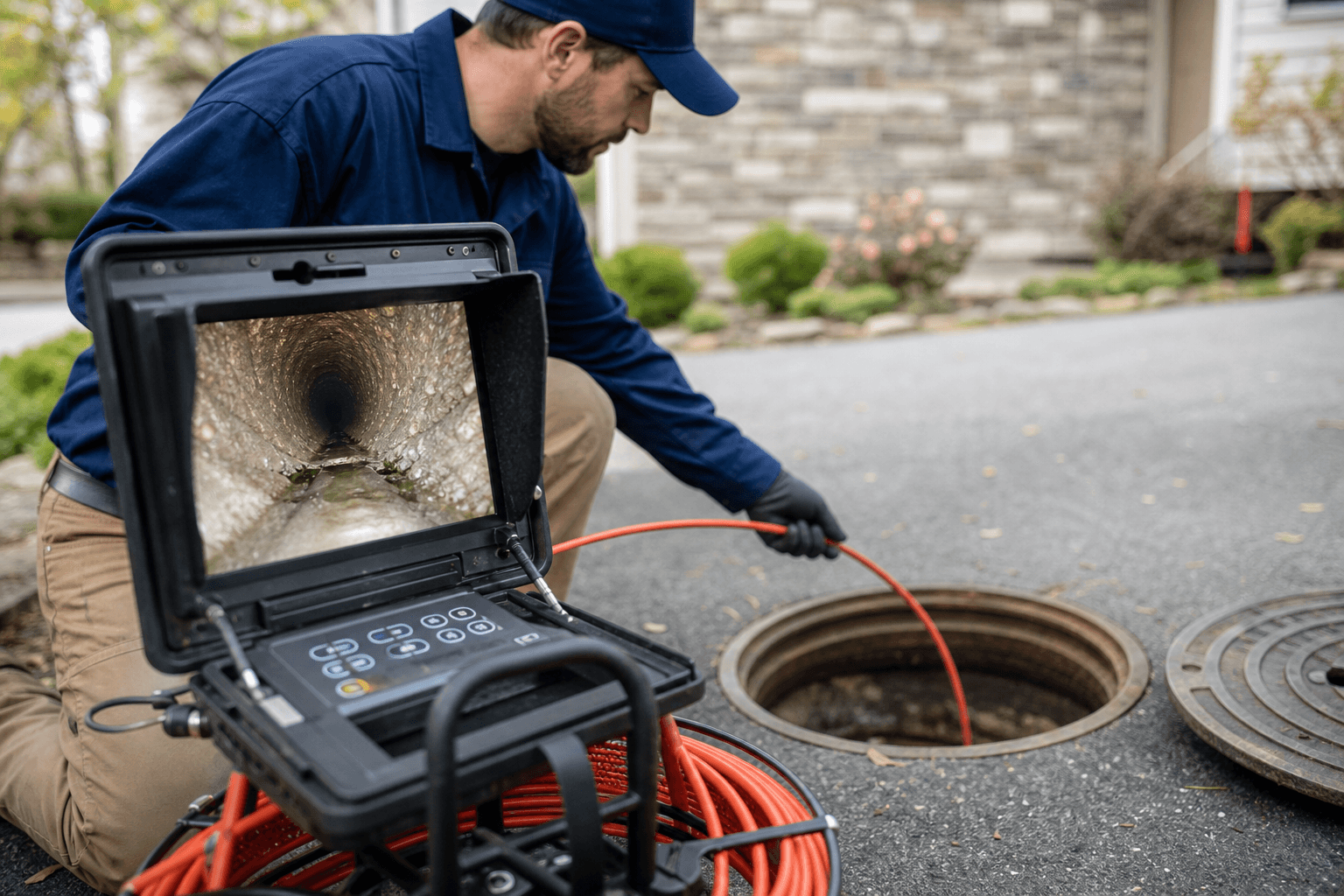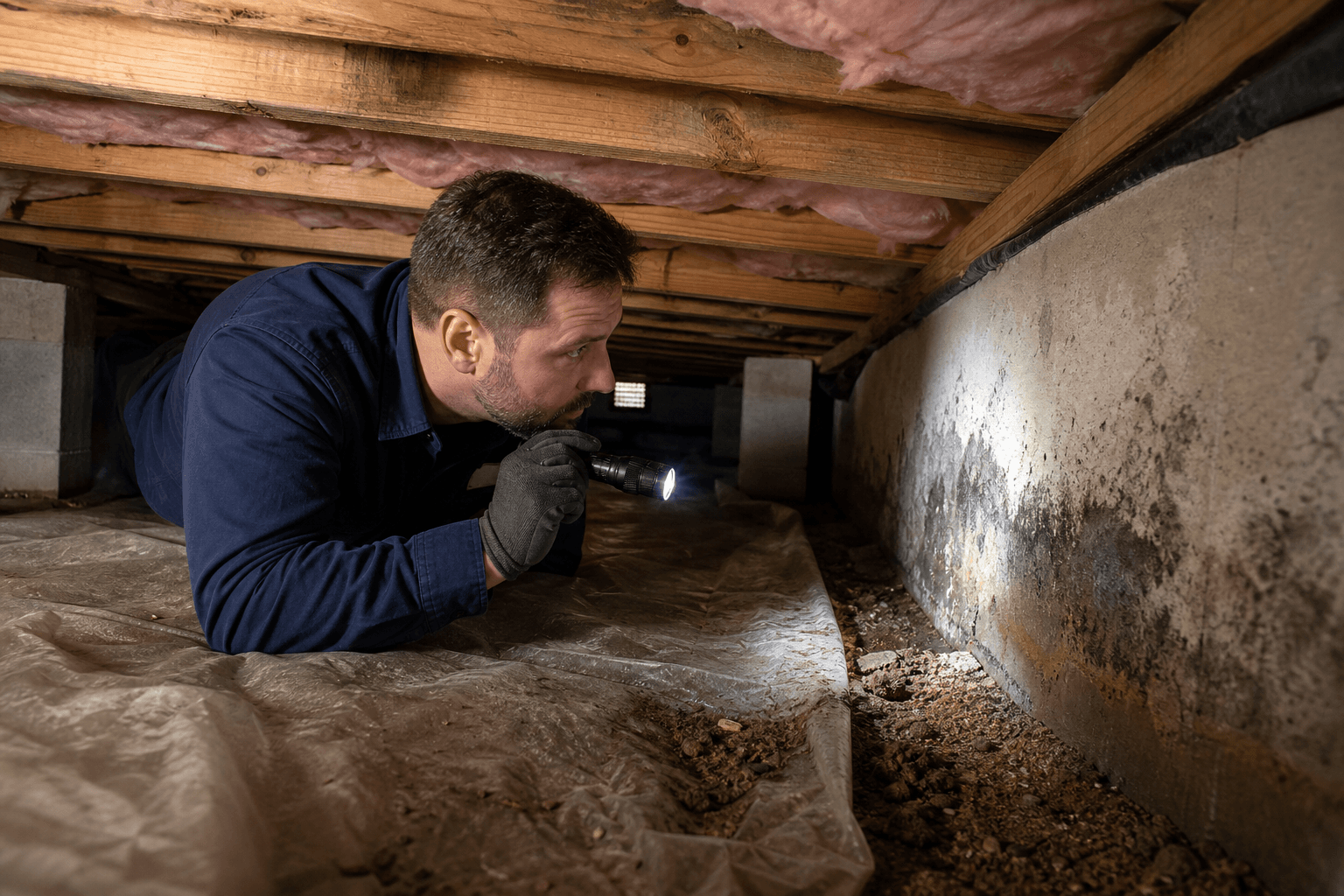
An annual maintenance inspection plan is a documented, scheduled program of inspections for a property’s systems and components that identifies safety hazards, moisture intrusion, performance issues, and deferred maintenance before they escalate. For Greater Toronto Area homeowners, landlords, property managers, and small commercial owners this plan sets the scope, timing, responsibilities, and record keeping needed to protect occupants, control repair costs, preserve resale value, and support transactions. For certified inspection support and same-day PDF reporting you can map the plan to a provider like Asmhomeinspection, which inspects roofs, attics, structure, plumbing, electrical, HVAC, and more and highlights early moisture detection as a priority.
Why an annual maintenance inspection plan matters for GTA properties
Routine, documented inspections reduce risk by catching problems while repairs are simpler and less costly. In particular, moisture intrusion is a common cause of structural damage and occupant health concerns when left unchecked, and early identification is a core focus for property inspections performed by certified inspectors such as those listed by Asmhomeinspection. A formal plan also supports budgeting and scheduling of trades, helps insurance and lender conversations, and creates an audit trail that is useful during a sale or lease.
When a plan protects a sale or lease
Documents from scheduled inspections, including same-day PDF reports, give buyers, sellers, landlords, and tenants reliable evidence of the property condition. In regulated asset classes and fleets, governments require scheduled inspections and records as part of a maintenance program, for example guidance for commercial vehicle safety inspections in Ontario recommends scheduled inspections and record keeping for compliance purposes Get a safety or emissions inspection for a commercial vehicle. Transport Canada similarly notes that annual or periodic inspections confirm ongoing compliance for regulated assets Periodic Inspection - Transport Canada. Even when a property is not in a regulated class, keeping inspection records speeds negotiations by providing a verifiable maintenance history.
System-by-system checklist: what to include in the plan
The checklist below groups common residential and small commercial priorities. Use each system entry as a line item you inspect and record annually, or more frequently if the system is high risk.
Roof and gutters
- Visual condition of shingles, flashing, and penetrations, and evidence of missing or loose materials.
- Gutter and downspout alignment and signs of overflow that could cause foundation or siding problems.
Attic and ventilation
- Insulation depth and evenness, signs of roof leaks or staining, and ventilation pathway obstructions.
- Evidence of condensation, mould, or insect or rodent entry that may indicate moisture or air-sealing issues.
Structure and foundation
- Interior and exterior signs of settling, cracks, bowing, or foundation dampness.
- Check sill plates, exposed framing, and crawlspaces for moisture and rot.
Exterior drainage and grading
- Confirm grading directs water away from the foundation and downspouts discharge to safe drainage points.
- Inspect retaining walls, patios, and hardscapes for signs of movement or water pooling.
Plumbing and fixtures
- Test visible water pipes, valves, taps, and fixtures for leaks, corrosion, and proper operation.
- Inspect water heater and visible drain connections, and note age and maintenance needs.
Electrical distribution and panels
- Visual check of panels for overheating signs, loose wiring, or improper modifications.
- Test a representative sample of switches, outlets, and GFCIs for correct operation.
HVAC and controls
- Service filter status, check for unusual noises, and test heating and cooling functions.
- Document equipment age and recommended service intervals.
Fire, life safety and alarms
- Inspect smoke and CO detectors, fire extinguishers, exit lighting where applicable, and sprinkler access points.
- Confirm emergency egress paths and access to external emergency services if relevant for commercial spaces.
Interior moisture signs and finishes
- Look for stains, bubbling paint, efflorescence, and warped finishes that indicate water intrusion.
- Document mould-like growth and recommend sampling or remediation when discovered.
Site and grounds
- Inspect sidewalks, stairs, railings, and exterior lighting for safety and trip hazards.
- Check landscape irrigation and septic systems where present.
Commercial extras
- Include loading dock surfaces, grease traps, commercial HVAC filter programs, and specialized equipment inspections.
- Document maintenance histories for building systems that carry regulatory scrutiny.
Asmhomeinspection’s scope covers these systems and provides same-day PDF reports to help you act quickly Asmhomeinspection.
Scheduling and record keeping: practical rules that work in Ontario

What to record
At minimum record the inspection date, the name and credentials of the inspector, a completed checklist, photographs of findings, identified corrective actions, and invoices or work orders for repairs. Government operation and maintenance templates require that past inspection reports be attached and corrective procedures be documented when used for regulated assets, which is a useful best practice even for private properties Operation, Maintenance & Surveillance Plan template.
Where to store records
Keep records in a consistent digital folder structure and back them up to the cloud. Facility management systems make inspection schedules and histories visible and exportable for reporting, which helps when multiple properties or tradespeople are involved How to view annual maintenance or inspections plan. Attach prior reports to the current plan so a reviewer can see trends.
When to use formal regulatory inspections
Certain asset classes need formal inspections for legal compliance. For example, Ontario commercial vehicle operators must keep inspection records and follow scheduled inspection intervals for safety certificates Get a safety or emissions inspection for a commercial vehicle, and Transport Canada requires periodic inspections for some regulated marine assets Periodic Inspection - Transport Canada. Use the formal regulatory pathway when your building, fleet, or equipment falls under a federal or provincial program.
What to keep for transactions
When selling or leasing, assemble the last three years of inspection reports where possible, same-day PDF reports for the most recent inspection, receipts for repairs, and a short summary of outstanding maintenance plans. These documents shorten negotiation timelines and reduce uncertainty for buyers and tenants.
Who should perform the inspections and how to choose
When to hire an InterNACHI or CCPIA certified inspector
Hire a certified property inspector for whole-building assessments, pre-purchase and pre-listing inspections, new construction reviews, or when moisture intrusion or multiple systems are in question. ASM Home & Commercial Inspection lists InterNACHI and CCPIA credentials and provides same-day PDF reports, which is valuable when you need rapid documentation for a transaction Asmhomeinspection.
When to hire a licensed tradesperson
Use licensed electricians, plumbers, or HVAC technicians when the inspection reveals a safety hazard, when a permit is required for repairs, or when specialised diagnostics and repairs exceed an inspector’s scope. An inspector documents the issue and recommends the correct trade and remediation steps.
Decision criteria
- Choose a certified inspector when the scope is whole-building, when multiple systems interact, or when you need formal reports for buyers and lenders.
- Choose a tradesperson when there is a clear single-system failure that requires licensed repair and certification.
- Use in-house maintenance for routine, low-risk checks such as monthly filter changes and visual gutters inspection when staff are trained and records are kept.
How to use annual inspection findings: prioritization, budgeting and next steps

Triage findings
Sort items into priority levels: safety defects first, moisture and structural issues second, weatherproofing and energy efficiency third, and cosmetic or aesthetic items last. Safety items require immediate action, while preventative items can be scheduled in a planned budget.
Estimate and budget
Collect two or three quotes for repairs where practical, then allocate funds in a short term and medium term plan. Keep repair receipts and before and after photos attached to the inspection record.
Document corrective actions
Record the repair date, contractor name, invoice, and photographs. Attach these to the original inspection report so future reviewers can see the complete history.
Use in negotiations
Same-day PDF inspection reports are useful for time-sensitive transactions because they provide an immediate, professional snapshot of condition that can support price adjustments, repair credits, or conditional closing terms Asmhomeinspection.
Simple template and two-month starter schedule you can copy
One-page inspection plan template
Objectives: Prevent moisture, protect occupants, and preserve asset value. Scope: List systems from the checklist above. Annual schedule: Month for full property inspection. Responsible person: Name and contact. Record location: Digital folder path or software. Corrective action process: How to request quotes and who approves work. Attach prior three inspection reports.
Starter schedule
- March: Roof inspection for spring thaw, clear gutters, furnace service and filter replacement, inspect foundation for winter damage.
- September: Pre-winter roof and gutter review, test heating system, check attic ventilation, clear exterior drains and downspouts.
Escalate to specialists immediately if inspections find active leaks, electrical arcing, gas smells, or structural movement.
Common objections, realistic trade-offs and quick decision criteria
Typical objections and responses
- "It costs too much" — an inspection often prevents larger repairs by catching problems early. Budget the inspection as a risk transfer and maintenance planning tool.
- "It will disrupt occupants" — a certified inspector performs most checks noninvasively and schedules visits to minimise disruption.
- "I can do it myself" — homeowners can perform monthly checks but should hire a certified inspector for whole-building, pre-sale, or complex moisture issues.
When DIY is sufficient
Homeowners can perform basic monthly tasks such as changing HVAC filters, clearing debris from gutters, and visually checking for new stains or leaks. If DIY checks reveal recurring or unclear problems, escalate to a certified inspector or a licensed trade.
Next steps and when to contact a certified inspector
To create or formalise an annual maintenance inspection plan, prepare property details such as age, recent repairs, and any visible issues before contacting an inspector. If you need same-day reports, broad GTA coverage, or combined residential and commercial inspection expertise, consider contacting a certified inspector with InterNACHI and CCPIA credentials such as Asmhomeinspection to discuss a custom plan and a quote.
Frequently asked questions
What exactly belongs in an annual maintenance inspection plan for a house in the GTA
Include a documented scope of systems to inspect, an annual schedule, the responsible person, a checklist for each system, photographic records, corrective action procedures, and a storage location for past reports. Attach at least the most recent inspection report to the plan.
How should I store and organise inspection records for a property in Ontario
Store records in clearly named digital folders with dates, back them up to the cloud, and keep invoices and photographic evidence linked to each inspection. Facility management systems can export schedules and reports for multi-property portfolios How to view annual maintenance or inspections plan.
Who needs to be an InterNACHI or CCPIA certified inspector versus a licensed tradesperson
Use a certified inspector for whole-building assessments, pre-purchase or pre-listing inspections, new construction reviews, and moisture investigations. Use licensed tradespeople for required repairs, permits, or specialised diagnostics such as electrical remediation.
How often should I schedule inspections for HVAC, roof, plumbing and electrical systems
Annual inspections are a baseline for most systems. High-use or older equipment may need more frequent checks. Use the annual maintenance inspection plan to set specific intervals based on system age, usage, and prior findings.
Can an annual maintenance inspection plan help speed up a home sale or commercial lease
Yes. A current inspection report and an accessible maintenance history reduce buyer uncertainty and support faster negotiation. Same-day PDF reports are especially useful when transaction timelines are tight Asmhomeinspection.
Ready to implement an annual maintenance inspection plan for your property? Contact Asmhomeinspection to discuss a custom plan, inquire about same-day PDF reports, and request a quote.