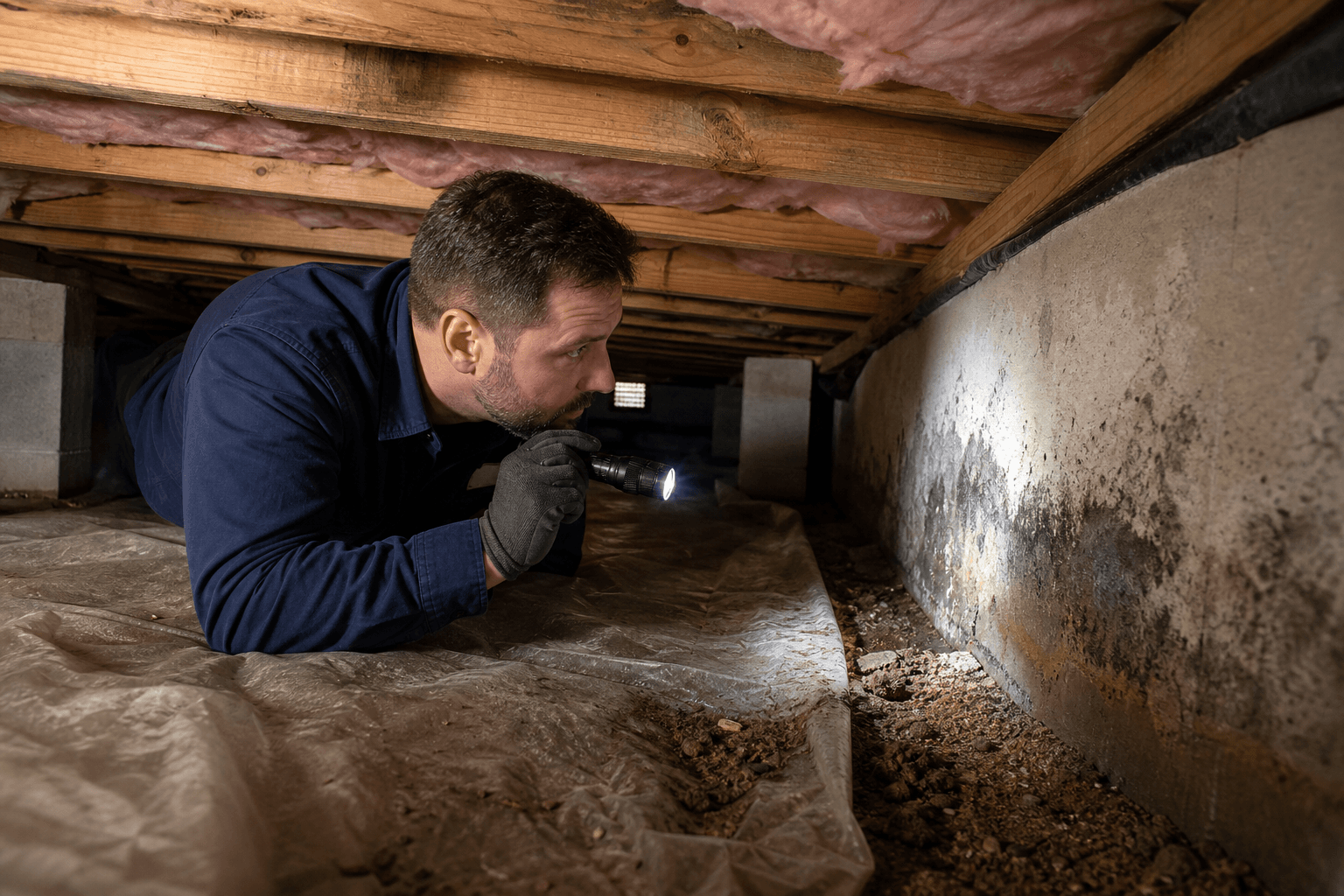
Annual maintenance inspection planning is the process of scheduling and documenting preventive inspections that protect major systems, reduce emergency repairs, and help budget for long term work. This checklist is written for GTA homeowners, landlords, property managers, small commercial owners, and real estate professionals who want a clear 12 month plan to find moisture intrusion early, manage freeze and thaw risks, and make decisions fast with same day reports when needed. ASM Home & Commercial Inspection provides certified residential and commercial inspections across the Greater Toronto Area and highlights moisture intrusion and same day PDF delivery as priorities for fast decision making (ASM Home & Commercial Inspection).
What annual maintenance inspection planning means for a GTA property
An effective plan organizes recurring inspections, prioritizes safety items, and links an annual schedule to longer term capital planning. Public guidance recommends splitting planning into an annual plan and a longer term plan so routine inspections feed into lifecycle budgeting and major renewal timelines; this is a recommended approach for residential and commercial assets alike (CMHC maintenance planning guide).
Annual preventive programs normally include system checks for electrical, plumbing, and HVAC, plus routine cleaning and consumable replacement such as filters, belts, and valves, with functional testing to reduce downtime and safety risk (Annual preventive maintenance plan).
System by system annual checklist
Roof and exterior
- Inspection items: shingle or membrane condition, flashing at chimneys and valleys, roof vents, exposed fasteners on metal roofs, and visible signs of ponding.
- DIY pre checks: clear loose debris, inspect gutters for granules, and look for interior ceiling stains after heavy snow or rain.
- Why it matters: roof defects and blocked gutters accelerate ice dam formation in winter and allow moisture intrusion that damages the structure.
- When to call a pro: visible sagging, multiple missing shingles, or active water entry under snow or heavy rain.
Foundation, basement and crawl space
- Inspection items: vertical and diagonal crack mapping, efflorescence, staining, visible mould, and sump pump operation where installed.
- DIY pre checks: verify grading slopes away from foundation, test sump pump with a bucket of water, and look for musty odours.
- Action triggers: persistent dampness, fresh water stains after storms, or foundation movement signs should prompt immediate follow up.
Attic, insulation and ventilation
- Inspection items: insulation depth and coverage, ventilation openings clear of blockage, roof deck staining, and evidence of pests.
- DIY pre checks: check for daylight at roofline, feel for drafts, and look for condensation on cold surfaces after a warm day.
- Moisture note: attic moisture often signals roof or ventilation problems that can become structural or health issues if ignored.
Plumbing systems
- Inspection items: visible supply and drain pipes, fixtures, hot water tank condition, water pressure, and sewer cleanout access.
- DIY pre checks: inspect under sinks for leaks, run toilets and faucets to detect slow drains, and watch water heater for corrosion or pooling.
- Winterization: in vulnerable properties, drain exterior hoses and insulate exposed pipes before freeze periods.
Electrical panel and circuits
- Inspection items: panel labeling, signs of overheating, corrosion, and proper installation of GFCI and AFCI devices in required locations.
- DIY pre checks: test GFCI outlets and note tripping circuits; avoid opening panels unless you are a licensed electrician.
- When to call an electrician: burning odours, frequent breaker tripping, or visible arcing at outlets.
HVAC and mechanical systems
- Inspection items: furnace safety checks, heat exchanger inspection where accessible, air conditioner refrigerant checks, condensate drain clearances, and thermostat calibration.
- DIY pre checks: replace or clean filters seasonally, ensure vents are unobstructed, and run cooling or heating cycles before the season starts.
- Service cadence: schedule furnace and heat pump service annually and pre season AC service before cooling months.
Exterior drainage and landscaping
- Inspection items: downspout discharge points, surface grading, retaining wall condition, and hardscape slopes that direct water toward foundations.
- Quick fixes: extend downspouts away from the house, clear nearby soil or mulch buildup, and repair collapsed catch basins.
Priority schedule and a sample month by month 52 week calendar
Use a 52 week calendar to stagger tasks so work and budgets are predictable. Tools and templates for annual calendars can help you assign dates and remind tenants or contractors (Maintenance Plan Calendar template).
- Spring (March to May): roof walk and gutter clean, exterior inspection after freeze thaw, test sump pump, service HVAC for cooling, and address thaw cracks in driveways.
- Summer (June to August): exterior paint touch ups, deck and railing checks, test AC performance and condensate drains, and inspect landscaping that impacts drainage.
- Fall (September to November): furnace tune up and filter change, chimney and vent checks, clear leaves from gutters, secure weather stripping, and pre winter plumbing checks.
- Winter (December to February): monitor for ice dams and interior condensation, ensure heat is maintained in vacant units, and check for frozen pipes after cold snaps.
Cluster inspections when possible to reduce access costs. For example, pair roofing and attic inspections in spring and pair HVAC and electrical checks in fall. A shared calendar reduces missed tasks and supports a longer term maintenance plan as recommended by national guidance (CMHC, Limble).
How to prepare your property and what to expect on inspection day
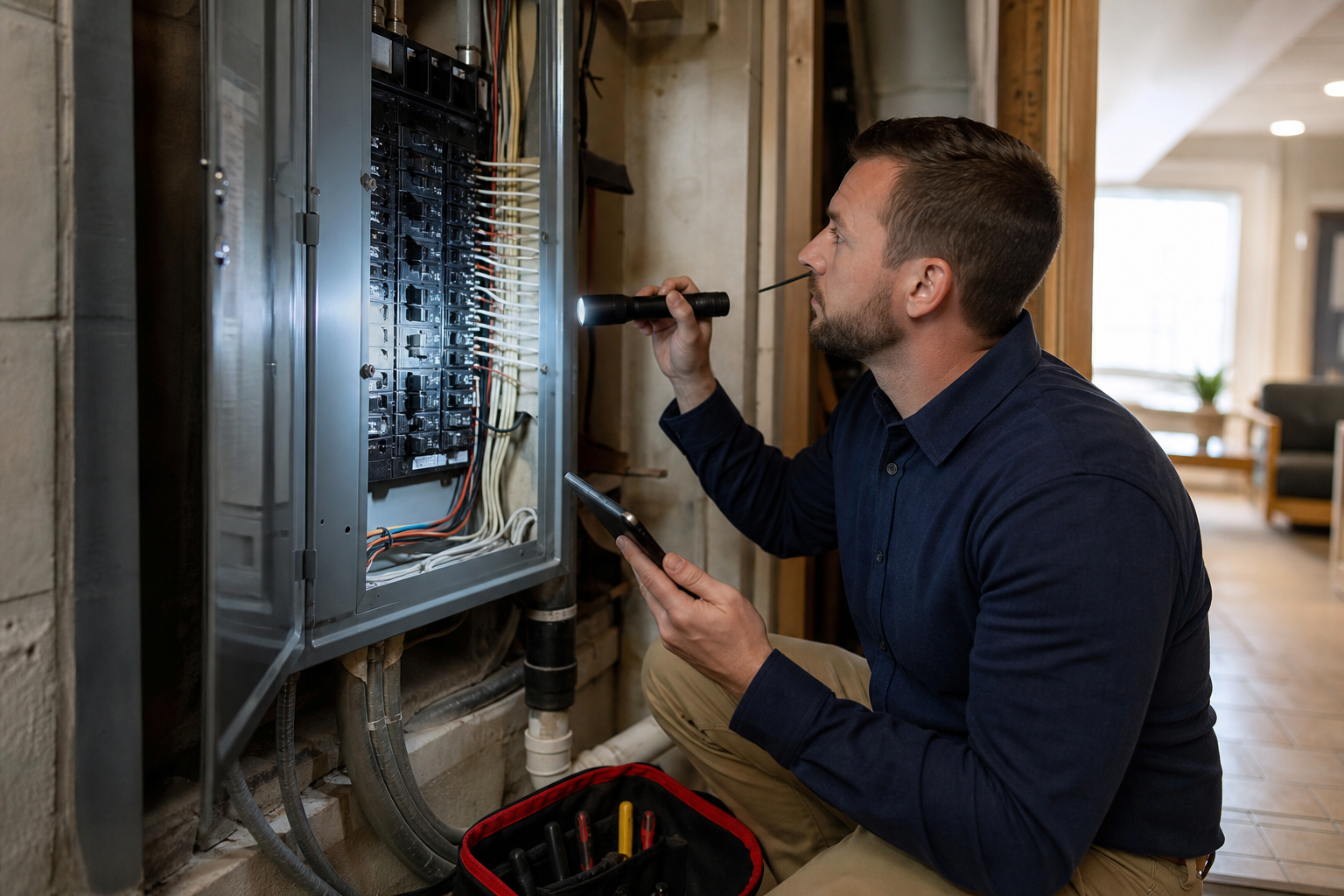
Before the inspector arrives, compile utility records, previous inspection reports, and any recent repair invoices. Clear access to mechanical rooms, attics, basements, roofs where safe access exists, and electrical panels. Leave keys or arrange building access and inform tenants of scheduled visits.
On inspection day expect a visual, non invasive review of accessible systems, basic functional testing, and photographic documentation. Many certified inspectors now provide same day PDF reports that summarise findings and recommended next steps so owners can obtain quotes and schedule repairs quickly; ASM advertises same day PDF delivery as part of its service offering (ASM Home & Commercial Inspection).
How to read, prioritise and act on inspection findings
Use a four tier triage to act on items efficiently
- Immediate safety hazards: electrical shocks, active water entry, gas leaks. Address within 24 hours.
- Urgent repairs: issues that will cause damage or failure soon, such as a failing sump pump or compromised roof flashing. Arrange a contractor within days to weeks.
- Routine maintenance: filter changes, gutter cleaning, caulking. Schedule within the regular maintenance cycle.
- Monitoring items: hairline cracks or cosmetic concerns. Log them on your calendar for observation at the next inspection.
When an inspector flags a repair, ask for a clear description, photos, and an estimated urgency level. For safety hazards always request a licensed trade to confirm and remediate. Use same day reports to collect contractor estimates while the condition details are fresh.
Choosing the right inspector in the GTA: credentials and service features
For residential inspections, look for InterNACHI membership and a clear scope of work. For commercial property inspections, membership in the Certified Commercial Property Inspectors Association is a relevant credential. ASM lists both InterNACHI and CCPIA credentials and provides service to GTA municipalities, which can be useful when you need experience across building types and same day reporting (ASM Home & Commercial Inspection).
Vetting checklist
- Request a sample report to confirm photo quality, clarity, and organization.
- Confirm certifications and whether the inspector carries professional liability insurance.
- Ask about turnaround time for the report and whether same day PDF delivery is available.
- Check local references or online reviews from similar property types.
GTA specific risks and preventative tips
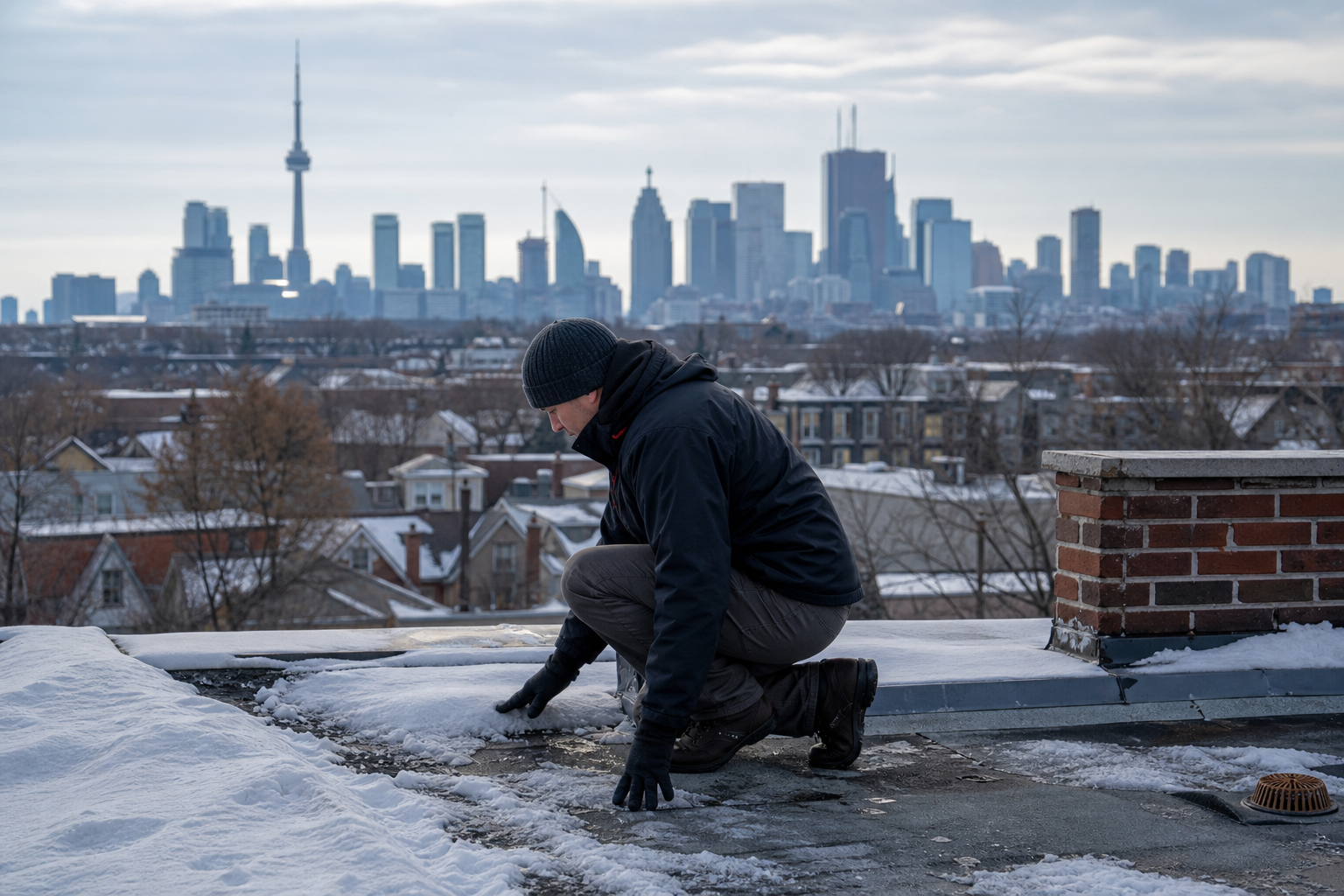
The Greater Toronto Area experiences freeze thaw cycles, heavy spring runoff, and occasional summer storms that change inspection priorities. Ice dams can form where heat loss melts snow on roof areas and refreezing occurs at eaves; regular attic ventilation and proper insulation help reduce that risk. Older GTA houses with shallow foundations or poor grading benefit from annual sump pump testing and downspout extensions to keep water away from the foundation (ASM Home & Commercial Inspection, CMHC).
Common objections and decision criteria
Cost versus risk: scheduled inspections cost less than emergency repairs in most cases because you avoid secondary damage. DIY checks are useful for basic screening but a certified inspector provides an impartial, documented assessment for insurance, resale, or lease disputes.
Timing during real estate transactions: if you are buying or selling in the GTA, request a pre purchase or pre listing inspection early in the timeline. Same day reporting helps close gaps in tight transactions by enabling contractors to quote sooner and buyers to negotiate repairs or credits.
Frequently asked questions
What does an annual maintenance inspection include for a residential property
An annual inspection typically covers roof, attic, foundation, plumbing, electrical panel and circuits, HVAC systems, and exterior drainage. It combines visual inspection, functional testing where safe, and photographic documentation. For program structure and the recommended split between annual and long term plans see the CMHC maintenance planning guide (CMHC).
How often should HVAC, roof, and plumbing be inspected as part of annual planning
HVAC systems should be serviced annually, typically before the heating season for furnaces and before cooling for air conditioners. Roofs should be inspected at least once a year and after major storms. Plumbing should be visually inspected annually with functional checks and winterization as needed. Annual preventive program guidance covers these cadences (Limble).
What is same day PDF reporting and why does it matter for maintenance planning
Same day PDF reporting means the inspector delivers a photographed, written report the day of inspection so owners can quickly act, obtain contractor quotes, or update budgets. Fast turnaround reduces scheduling lag and supports time sensitive transactions. ASM offers same day PDF reports as part of its service offering (ASM Home & Commercial Inspection).
How should I prioritise items in an inspection report for safety and budget
Prioritise immediate safety hazards first, urgent repairs second, routine maintenance third, and monitoring items last. Use clear criteria such as risk to occupants, risk of secondary damage, and cost to delay. For larger portfolios, roll findings into a capital plan and stagger work over your 52 week calendar.
How do GTA climate conditions change my annual maintenance schedule
Freeze thaw cycles and snow loads make late fall and early spring high priority for roofing and drainage checks. Sump pump reliability and grading are higher priority in spring. Summer storm preparedness focuses on exterior and electrical resilience. Adjust your 52 week calendar to place these items in seasonally appropriate months.
Book a certified GTA annual maintenance inspection
To schedule annual maintenance inspection planning and same day PDF reporting, contact Asmhomeinspection or call 647-381-9030. ASM provides InterNACHI and CCPIA certified inspections across the Greater Toronto Area to help you identify moisture intrusion early and keep your property on a predictable maintenance calendar.