Why these roof checks matter on every viewing
When you tour a property in the Greater Toronto Area, a quick visual scan of the roof often reveals issues that affect safety, insurance, negotiation leverage, and the final purchase decision. The seven items below are specific, non-technical cues a buyer or agent can spot from the curb, the yard, or during an interior viewing. For each item you will find what to look for, why it matters given Ontario winters and moisture risks, a practical urgency rating, and a clear next step: note it, call a roofer, or order a certified inspection.
How to use this list during a showing
Bring a phone or notebook and take photos from different angles: front curb, backyard, eaves, and under the gutters if visible. Record the location of the problem on the photo and add a short note that you can attach to your offer or inspection request. If you are transaction sensitive, a pre-purchase inspection or targeted roof inspection provides report-grade documentation useful for negotiations, insurance, or budgeting for repairs.
Seven roof inspection red flags to check now

1. Sagging or dipping roof sections
What to look for: roof planes that should be straight but appear uneven, a low spot in the roofline, or areas where the roof seems to sag toward the centre. Look from several angles because optical distortion can hide a true dip from a single viewpoint.
Why it matters in the GTA: repeated snow loads, heavy wet snow, and repeated freeze-thaw cycles place extra load on roof sheathing and rafters. Sagging often indicates compromised structural members or long-term moisture damage to decking that can accelerate collapse or require costly structural repair. Ontario Tech Roofing lists dipping roof sections as a key red flag and notes that older roofs often move from repair to replacement once deformation appears (Ontario Tech Roofing checklist).
Urgency: High. Structural concerns can escalate quickly under additional load.
Next step: Do not attempt to walk or test the roof yourself. Flag the listing immediately, request any seller disclosures or repair records, and arrange a certified inspection or structural roofer assessment before removing conditions in your offer.
2. Missing, cracked, curled, or loose shingles
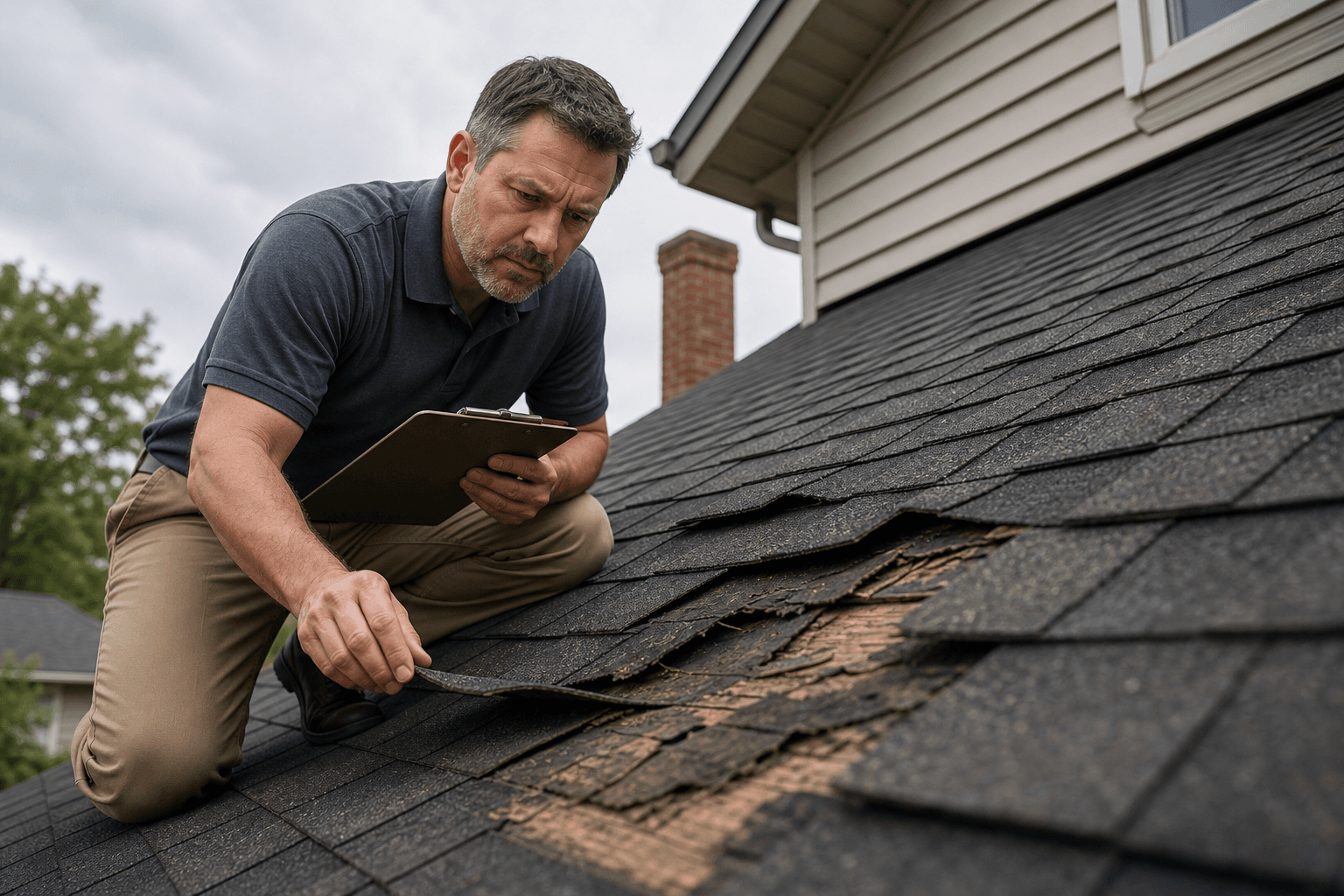
What to look for: visible gaps where shingles are absent, curled or cupped edges that lift away from the roof plane, shingles with cracked surfaces, or loose shingle fragments collected on the ground or in gutters.
Why it matters in the GTA: wind, hail, and thermal cycling weaken shingles and permit water to reach the underlayment and decking. Water that enters under lifted shingles can cause hidden rot, insulation damage, and mould. Over time the damage spreads and becomes more expensive to repair.
Urgency: Medium to high depending on how widespread the damage is and how exposed the roof is to prevailing winds.
Next step: For a few isolated missing shingles after a recent storm, a roofer can often provide a quick repair and quote. If you see widespread lifting, gaps across several roof planes, or evidence of repeated issues, request a pre-purchase inspection to create neutral documentation for negotiations and to determine whether the roof needs temporary protection before closing.
3. Large granule loss or bare spots and granules in gutters
What to look for: shingles that look unusually dark or almost black where the mineral granules are gone, or a visible collection of fine black granules in gutters and downspouts.
Why it matters: granules protect asphalt shingles from UV, abrasion, and weathering. Significant granule loss shortens the shingle life and reduces resistance to rain and sun exposure. If gutters are full of granules, the roof may be approaching end of service life even if there are no active leaks yet.
Urgency: Medium. Granule loss alone is not an emergency, but it is a forward-looking indicator of remaining life and likely replacement timing.
Next step: Note the roof age from the seller or listing. If granule loss is obvious across many roof areas, order a full inspection to estimate remaining life and to gather documentation for price discussions and budgeting for replacement.
4. Damaged flashing, vents, chimneys, and roof penetrations
What to look for: flashing that appears loose, lifted, or missing around chimneys, skylights, pipe boots, and vents, cracked or missing mortar on chimneys, or visible gaps at vent collars.
Why it matters in Ontario: flashing and penetration seals are primary water stops. Small gaps are often tolerated for a season, but repeated freeze-thaw cycles quickly widen openings and allow water to enter attic and wall cavities. Once water reaches structural members or insulation, repairs become larger and more costly.
Urgency: High when gaps are visible and allow water entry, otherwise medium when flashing looks aged but intact.
Next step: Ask the seller for invoices or warranties for recent repairs. If there is no documentation or if you see open gaps, order a certified inspection that includes attic access to check for hidden moisture and to produce a written condition statement you can use in negotiations.
5. Water stains, mould, or visible moisture in the attic or ceilings
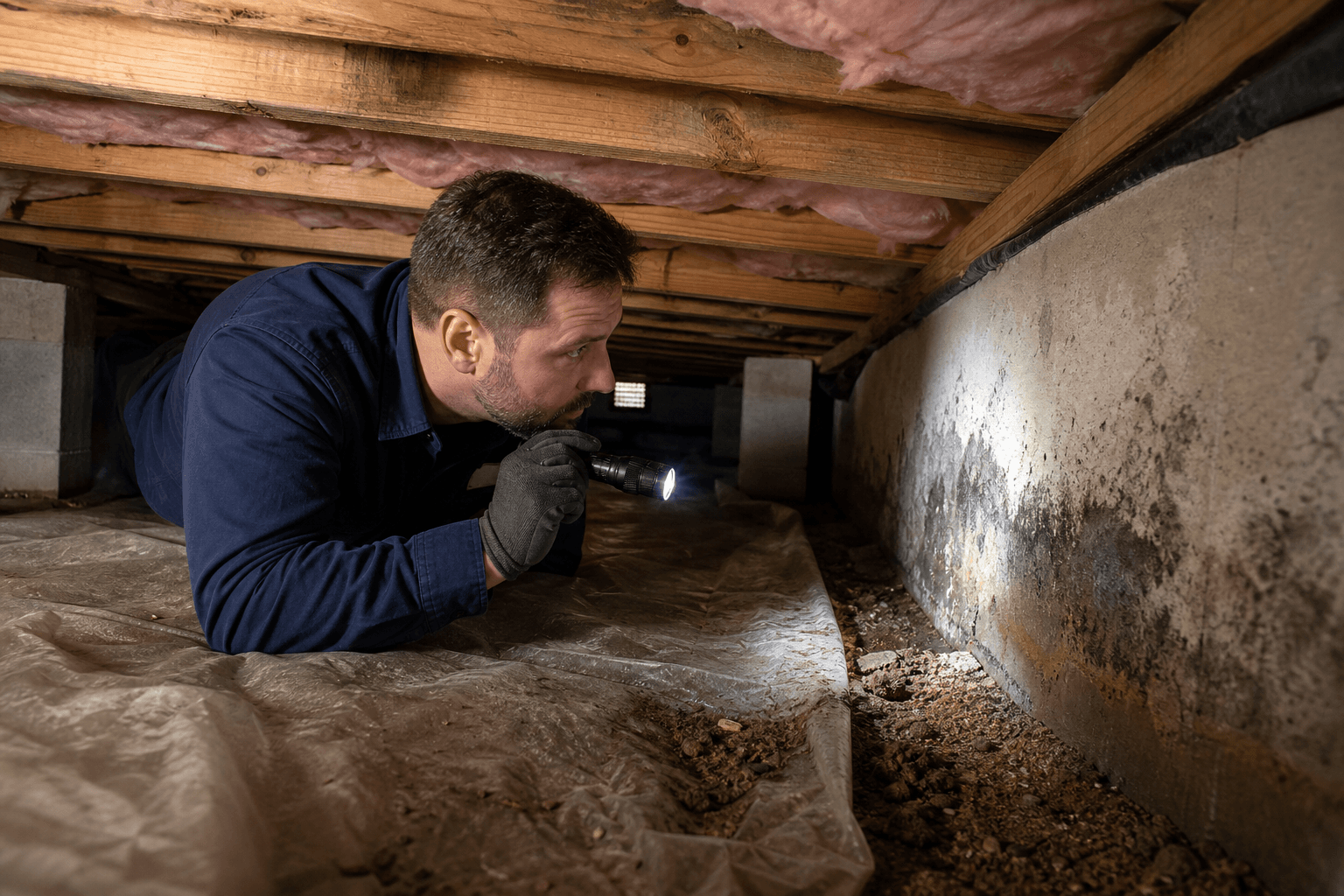
What to look for inside the home: discoloured ceiling patches, sagging drywall, a damp or musty smell, visible black or green mould spots, or active drips when you access the attic during a showing.
Why it matters: interior stains and mould are direct evidence of moisture intrusion. A home inspection is an on-site, in-person review of major elements including the roof and attic, and such findings usually require report-grade verification during negotiations. The Ontario government advises buyers to use home inspections when determining a property’s condition (Ontario government guidance).
Urgency: High. Moisture can hide behind finishes and cause structural and health issues.
Next step: Treat any interior moisture sign as a trigger to order a certified inspection immediately. A professional inspection documents the source, extent, and risk, which you can use to request repairs, price adjustments, or specialized contractor estimates.
6. Advanced roof age or multiple overlay layers
What to look for: worn valleys, cupped or flattened shingles, or multiple shingle layers visible at the eaves. Sellers sometimes overlay new shingles on older ones to defer cost, yet overlays hide underlying deterioration.
Why it matters in the GTA: overlays trap heat and conceal issues with the original roof deck and flashings. Industry guidance indicates that roofs around 18 years often move from patching to full replacement, so visible age signs plus multiple layers should increase caution (Ontario Tech Roofing checklist).
Urgency: Medium to high depending on age, number of layers, and visible deterioration.
Next step: If age or overlays are present, require a certified inspection to evaluate remaining life, and to create a written estimate for replacement options. Use that documentation during negotiations rather than relying only on seller statements.
7. Ice dam indicators, clogged gutters, and freeze-thaw damage
What to look for in winter or just after thaw: large icicles, an ice ridge along the eaves, gutters full of frozen debris, shredded shingles at eaves, or staining on siding and soffits below the roofline where water may have tracked inward.
Why it matters in Ontario winters: ice dams form when heat escapes from the attic, melting upper snow while lower edges remain cold. That trapped water works its way under shingles and into soffits and interior finishes. Repeated ice dams damage shingles, gutters, soffits, and insulation and may cause interior leaks that appear months after the first occurrence.
Urgency: Medium to high when there is evidence of repeat damage or current water entry.
Next step: Ask about past winters and whether the attic insulation and ventilation were upgraded. If you see repeat damage or signs of interior leaks, order a certified inspection to identify root causes and collect professional recommendations for remediation.
A one-page quick-scan checklist for showings
- From the curb: look for dips in the roofline, missing or curled shingles, and visible ice ridges in winter.
- At the eaves and gutters: check for granules, sagging gutters, and multiple shingle layers at the eaves.
- Near chimneys and vents: scan for open flashing, cracked mortar, or loose vent collars that suggest water paths.
- Inside: note ceiling stains, mould, musty odours, or attic signs of moisture if access is available.
- Document: take dated photos, note the exact location on the roof, and add observations to the MLS condition report or your offer package.
When to call a roofer versus when to book a certified inspection

Call a roofer for urgent, isolated storm damage that requires a quick temporary patch. A roofing contractor can often give a fast repair quote for limited problems. Book a certified pre-purchase home inspection when you need a neutral, standard-format condition report to support negotiations, when interior moisture or structural concerns appear, or when multiple issues exist that could affect the property value. A certified inspection produces a written record you can rely on in offers, counteroffers, and insurance discussions.
ASM Home & Commercial Inspection performs residential and commercial inspections across the GTA, and highlights same-day PDF reports and InterNACHI and CCPIA certifications to help buyers get fast, documented results for tight transactions. For more information see ASM Home & Commercial Inspection.
What to expect from a certified roof inspection
A certified roof inspection includes a visual assessment of the roof surface, flashing, penetrations, gutters, and any accessible attic spaces. The inspector documents observed defects, probable causes, and recommended next steps. For transaction work, ask whether the inspector provides rapid delivery of the written report so you can include findings with your offer or request repairs before closing. ASM advertises same-day PDF report delivery to accelerate negotiation and decision-making (ASM Home & Commercial Inspection).
Frequently asked questions
How do I decide between calling a roofer now or booking a certified home inspection for roof problems?
Call a roofer for immediate, isolated problems such as a few missing shingles after a storm, or when you need an emergency temporary repair. Book a certified inspection when you need a neutral report for negotiations, when you see interior moisture stains or structural signs, or when the roof shows multiple problems that could affect value. A certified inspection documents findings in a standard format you can use with realtors, lenders, and insurers.
How quickly can I get a same-day inspection report in the GTA after an on-site inspection?
Report turnaround varies by inspector. Some providers deliver a same-day PDF after completing the on-site work, while others require 24 to 48 hours to compile photos and notes. Confirm the expected delivery time when you book. ASM Home & Commercial Inspection advertises same-day PDF reports for faster decision-making (ASM Home & Commercial Inspection).
Will a pre-purchase inspection tell me exactly how much roof repairs will cost?
A certified inspection identifies defects and suggests corrective actions, but it does not replace contractor estimates. Use the inspection report to obtain detailed quotes from roofers or masons. The report helps contractors target their estimates and gives you a professional baseline for negotiation.
Do InterNACHI and CCPIA certifications matter when hiring an inspector in Toronto?
Certifications such as InterNACHI for residential inspections and CCPIA for commercial property inspections signal that the inspector follows established standards and continuing education. For transaction work, certification plus clear reporting and reliable turnaround help ensure consistent scope and documentation you can use with confidence.
Final next step
If you spot any of these roof inspection red flags during a showing, photograph the issue, add notes to your offer package, and schedule a certified inspection to create report-grade evidence for negotiations. For certified inspections across the GTA with same-day PDF reports and dual residential and commercial credentials, consider contacting ASM Home & Commercial Inspection for booking and details Asmhomeinspection.