A CCPIA certified inspector is trained to evaluate the condition of commercial buildings and their major systems so buyers, owners, and tenants can make informed decisions. This article explains what that credential means, when to bring an inspector in, the typical scope of a commercial inspection, how to prepare, and the practical ways to use the report in transactions and planning.
What CCPIA certification means
CCPIA stands for the Certified Commercial Property Inspectors Association. A CCPIA certified inspector has completed training specific to commercial buildings, which differ from homes in scale, complexity, and use. Commercial inspections often involve larger roofs, more complex electrical and plumbing systems, diverse HVAC configurations, and specialized components tied to the property’s occupancy type.
Because these buildings serve business operations and the public, inspections emphasize building-wide functionality, safety-related considerations, and maintenance planning. Choosing a CCPIA certified inspector helps ensure the assessment is aligned with commercial standards and reporting practices tailored to property stakeholders such as investors, lenders, asset managers, and facility teams.
- Commercial focus: training and methods designed for non-residential properties.
- System-by-system evaluation: structure/foundation, roof, plumbing, electrical, HVAC, and more.
- Decision-ready documentation: clear reporting to support due diligence and property management.
When to hire a CCPIA certified inspector
Bring in a CCPIA certified inspector any time you need a clear, unbiased picture of a building’s condition before making or formalizing commitments. Common scenarios include:
- Pre-purchase due diligence for investors acquiring commercial real estate.
- Pre-listing preparation to understand issues before marketing a property for sale.
- Lease negotiations and move-in documentation for tenants and landlords.
- Annual maintenance checkups to track wear, plan budgets, and reduce surprises.
- New construction completion reviews to confirm workmanship and systems installation.
Commercial property categories that often benefit from a formal inspection include apartments and condominiums, retail and restaurants, schools and hospitals, churches and places of worship, warehouses and manufacturing facilities, offices, hotels and motels, gas stations, storage buildings, and other industrial spaces. The diversity of these property types means the inspection must flex to site-specific risks and components while preserving a consistent framework for evaluation and reporting.
Commercial inspection scope and systems
Although every property is unique, a CCPIA certified inspector typically examines the major systems and components that collectively determine safety, functionality, and future maintenance needs. Expect the following areas to be evaluated when accessible and safe to do so:
- Roofing and drainage: overall condition of membranes or coverings, flashing, penetrations, gutters, and downspouts; evidence of ponding or leaks; and general roof safety considerations.
- Structure and foundation: visible structural elements, signs of settlement or movement, and conditions that may affect load paths or long-term stability.
- Building envelope: exterior walls, cladding, sealants, doors and windows for weatherproofing and performance.
- Interior spaces: representative areas of walls, floors, ceilings, stairways, railings, and common areas; condition of finishes where relevant to moisture or structural concerns.
- Plumbing: supply and drain-waste-vent piping, visible fixtures, and equipment; general condition and observed leaks or corrosion; water heating equipment.
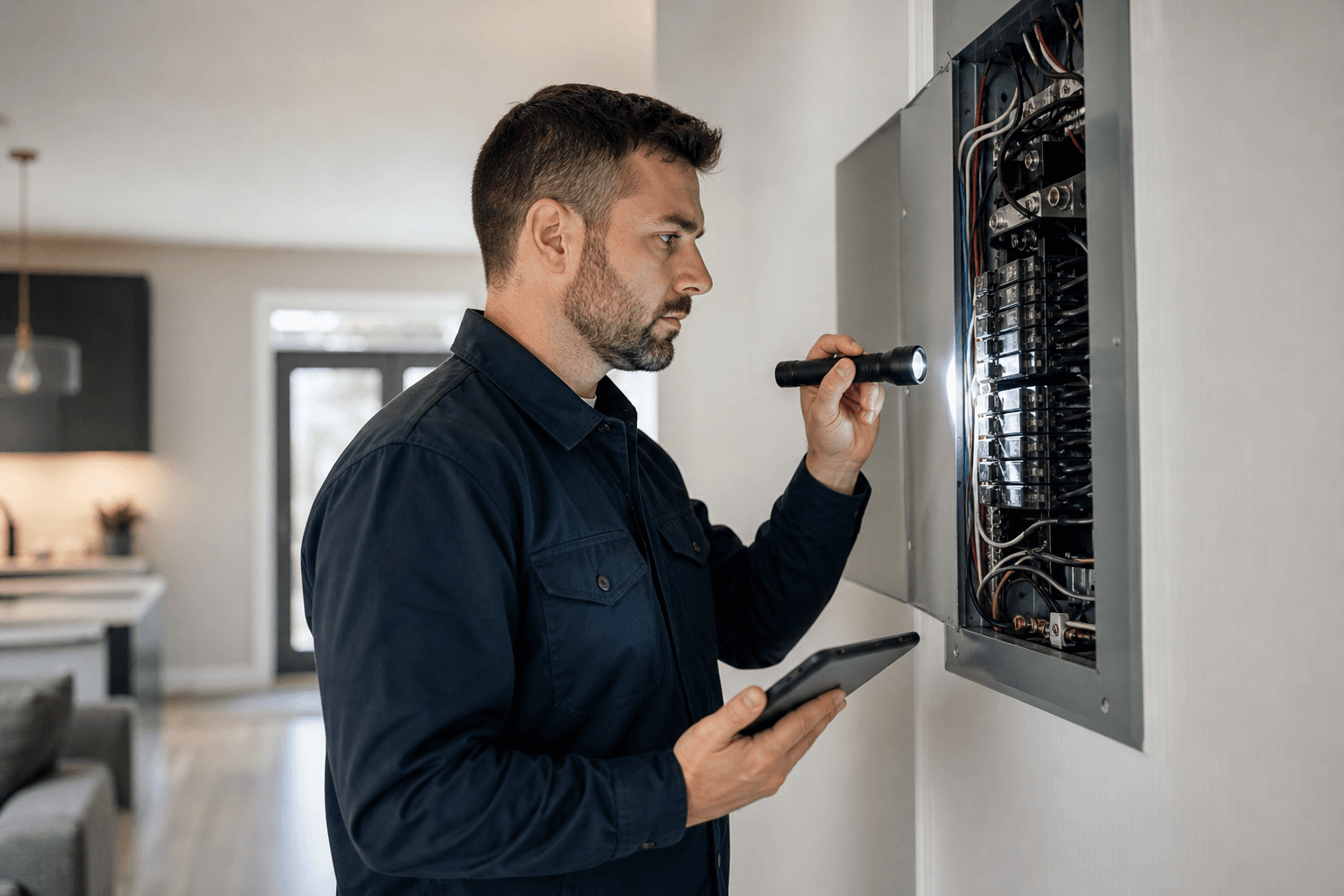
- Electrical: service entrance and electrical panels, representative sampling of lighting and receptacles, visible wiring where accessible, and general safety observations.
- HVAC: heating and cooling equipment, distribution, and apparent ventilation; age/condition indicators and observed performance limitations.
- Attics and accessible spaces: insulation levels and ventilation where attic or plenum areas exist; moisture or condensation indicators.
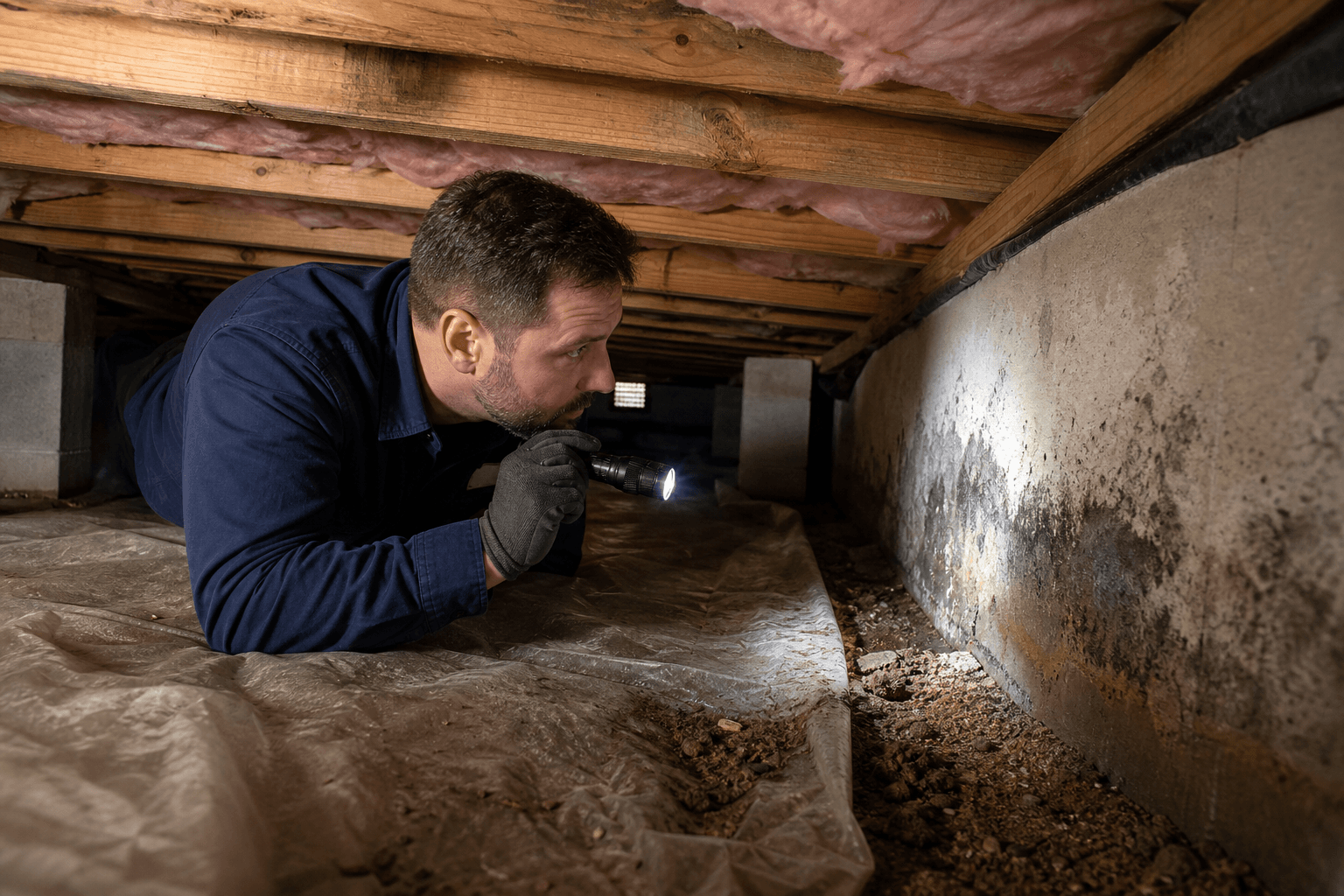
- Basements and crawlspaces: signs of moisture intrusion, drainage issues, and material condition where accessible.
- Site features: grading that may influence water management at the foundation, primary walkways, and exterior steps or decks as they relate to building performance.
Moisture intrusion is a recurring theme in commercial inspections because it can lead to structural damage and safety risks for occupants if left unaddressed. Expect your CCPIA certified inspector to track moisture pathways—from roof and envelope to interior finishes and below-grade spaces—and to note conditions that warrant further evaluation or corrective action.
How to prepare and what to expect
Preparation helps your CCPIA certified inspector access the right spaces and produce a complete report. Use this checklist before inspection day:
- Coordinate access: ensure keys, codes, and permissions are ready for roofs, mechanical rooms, electrical rooms, storage areas, and tenant spaces as applicable.
- Collect documents: gather any available maintenance logs, past inspection reports, equipment service records, warranties, and recent repair invoices.
- Notify stakeholders: inform tenants or staff about the visit so spaces are unlocked and equipment rooms are clear.
- Clarify scope: confirm which areas are included, any limitations, and whether specialty evaluations (e.g., elevators, fire suppression, environmental testing) will be handled by separate providers.
- Safety readiness: verify that roof ladders, hatch areas, and mechanical spaces are safe for access. If not, discuss alternatives with the inspector.
During the inspection, the CCPIA certified inspector will visually examine representative areas, take photos, and document observations. They may use basic instruments that assist visual inspection. In most commercial contexts, specialty testing (such as destructive probing or lab analysis) sits outside the standard visual scope and, if needed, is coordinated separately.
Afterward, you will receive a written report—commonly delivered as a PDF—that organizes findings by system or location. Expect clear descriptions of observed conditions, supporting photos, and practical notes about significance. Use the report as a reference point for due diligence, budgeting, and contractor discussions.
Using the report in transactions
An effective inspection report helps align stakeholders in real estate and leasing decisions. Consider these applications once you receive your documentation from a CCPIA certified inspector:
- Negotiation support: prioritize the most material issues and use clearly documented conditions to inform price discussions or credits.
- Repair planning: convert summarized items into a punch list for contractors to quote, noting any safety-related concerns first.
- Capital planning: map larger or time-based replacements—such as roof coverings or aging HVAC units—into a multi-year plan.
- Risk management: identify moisture and drainage issues early to prevent downstream damage and operational disruptions.
- Tenant coordination: share relevant excerpts with tenants when responsibilities are defined by lease terms.
Keep the report intact as a baseline. When you complete repairs, retain contractor invoices and photos. During a future sale or refinancing, that documentation demonstrates stewardship and can streamline new rounds of due diligence.
Questions to ask before you book
Choosing the right CCPIA certified inspector starts with a focused conversation. Use these questions to clarify fit, scope, and timelines:
- Certification and focus: Are you a CCPIA certified inspector, and what commercial property types do you inspect most often?
- Scope specifics: Which systems and areas are included in the base visual inspection? What limitations apply (e.g., inaccessible roofs, concealed components)?
- Specialty add-ons: How do you handle components outside the standard scope, such as elevators, fire suppression, or environmental concerns?
- Coordination: Can you accommodate multiple stakeholder walkthroughs or return visits if areas are initially inaccessible?
Common pitfalls and how to avoid them
Commercial due diligence moves quickly. Avoid preventable issues with these strategies:
- Assuming “looks fine” equals “is fine”: many significant concerns start as subtle moisture or drainage issues. Ask your CCPIA certified inspector to trace likely moisture paths and document contributing factors.
- Skipping the roof: roofs are high-value systems. Ensure safe access is planned; if it is not possible, discuss alternative observation points and documentation.
- Forgetting mechanical rooms: crowded or locked spaces can stall an inspection. Confirm access in advance.
- Overlooking representative sampling: commercial interiors are often repetitive. Confirm how the inspector samples units or suites and how exceptions will be handled if a unit appears different.
- Not separating immediate repairs from capital projects: use the report to distinguish safety or active-leak items from longer-horizon replacements.
Checklist for owners and buyers
Use this quick checklist to keep your process tight and verifiable:
- Confirm the inspector is a CCPIA certified inspector.
- Align on scope: roof, structure/foundation, plumbing, electrical, HVAC, envelope, interiors, and site drainage.
- Plan access to roofs, mechanical/electrical rooms, attics/plenums where applicable, basements/crawlspaces, and representative tenant areas.
- Compile maintenance and repair history in advance.
- Clarify reporting format and delivery timing.
- Schedule time post-inspection to review top findings with your team.
- Translate report items into a repair list and a capital plan.
- Retain documentation for future due diligence.
FAQ
What is the difference between a CCPIA certified inspector and a home inspector?
Commercial buildings differ from homes in size, systems, and use. A CCPIA certified inspector is trained for commercial properties, applying methods and reporting that reflect those differences. While some inspectors hold additional credentials applicable to homes, CCPIA focuses on commercial practice.
Does a commercial inspection include testing every outlet, fixture, or unit?
Commercial inspections are typically visual and often use representative sampling—especially in properties with many similar units or suites. Confirm the sampling approach in your scope so expectations align with the building’s layout.
What if an issue requires invasive testing or a specialist?
Standard commercial inspections are visual. If an inspector identifies conditions that warrant deeper analysis—such as destructive probing, lab testing, or specialist evaluations—those are typically arranged separately. Your report should clearly indicate when further evaluation is recommended.
How should I prioritize items in the report?
Start with safety-related conditions and active leaks or moisture pathways, then address near-term repairs affecting operations, followed by longer-horizon capital items like roof or HVAC replacement planning. Organizing the list this way helps keep risks controlled while informing budgeting.