If you are buying a condominium in the Greater Toronto Area, this ordered checklist will help you spot the most common in‑unit defects, confirm how an inspector tests them, decide who is usually responsible for repairs, and know the exact stop points that should pause a transaction. ASM Home & Commercial Inspection provides certified residential and commercial inspections and same‑day PDF reports for fast decision making, which is useful in competitive GTA closings ASM Home & Commercial Inspection.
Quick checklist: seven defects to prioritise before you buy
Scan this ranked list before a viewing so you know what to look for:
- 1) In‑unit plumbing leaks, especially at toilet bases, dishwasher and fridge connections
- 2) Bathroom exhaust fans venting into ceiling cavities
- 3) In‑suite HVAC age, poor maintenance, or visible leaks
- 4) Failed window seals and condensation between panes
- 5) Visible water staining and unexplained damp spots
- 6) Improper renovations and unsafe electrical work
- 7) Inoperative fixtures and appliances
How to inspect the seven most common in‑unit defects
1) In‑unit plumbing leaks
Why it matters and how inspectors test it: Plumbing leaks are among the most frequent condo defects. Inspectors check beneath sinks, around toilet bases, at dishwasher and washing machine connections, and at refrigerator ice‑maker lines. They run fixtures, use moisture meters, and look for corrosion, staining, or active drips InspectandTest.
Quick buyer checks during a viewing: flush every toilet, run taps and the shower for a minute, open under‑sink cabinets to check for dampness or odours, and look for pooling near appliances.
Follow‑up and responsibility: For active leaks or hidden water, request a licensed plumber for a written estimate and consider a holdback until repairs are completed. Repairs inside the unit are usually the owner’s responsibility. If leaks trace to supply stacks or common piping, the condo corporation may be involved and you should confirm responsibility with the status certificate and property manager InspectandTest.
2) Bathroom exhaust fans venting into ceiling cavities
Why it matters and how inspectors test it: Exhaust fans that discharge into ceiling cavities can cause moisture buildup and mould. Inspectors verify duct routing using a flashlight, inspect attic or ceiling access where permitted, and perform simple airflow checks or smoke testing to confirm ventilation termination to the exterior InspectandTest.
Buyer checks at a viewing: run the fan and, where possible, check the building exterior vent for airflow. Look for peeling paint, soft ceiling textures, or mould around bathroom surfaces.
Follow‑up and responsibility: Correcting duct routing usually requires contractor work. Responsibility depends on whether the fan termination or duct is part of a common element; review condo documents to determine whether the owner or the condo corporation pays for remediation InspectandTest.
3) HVAC unit age and condition concerns
Why it matters and how inspectors test it: In‑suite HVAC systems, baseboard heaters, or individual furnaces and air conditioners can be past their expected life or show signs of poor maintenance. Inspectors note unit age, visible corrosion, refrigerant or water leaks, and verify operation when safe. Missing service records reduce certainty about remaining life InspectandTest.
Buyer checks during a viewing: operate heating and cooling controls, listen for unusual noises, and ask the seller for maintenance receipts or filter replacement history.
Follow‑up and responsibility: Obtain written quotes from an HVAC specialist when performance or leaks are suspected. In‑suite equipment is typically the unit owner’s responsibility; centralized systems are usually managed by the condo corporation and should be confirmed by the status certificate Solex Group.
4) Failed window seals and condensation between panes
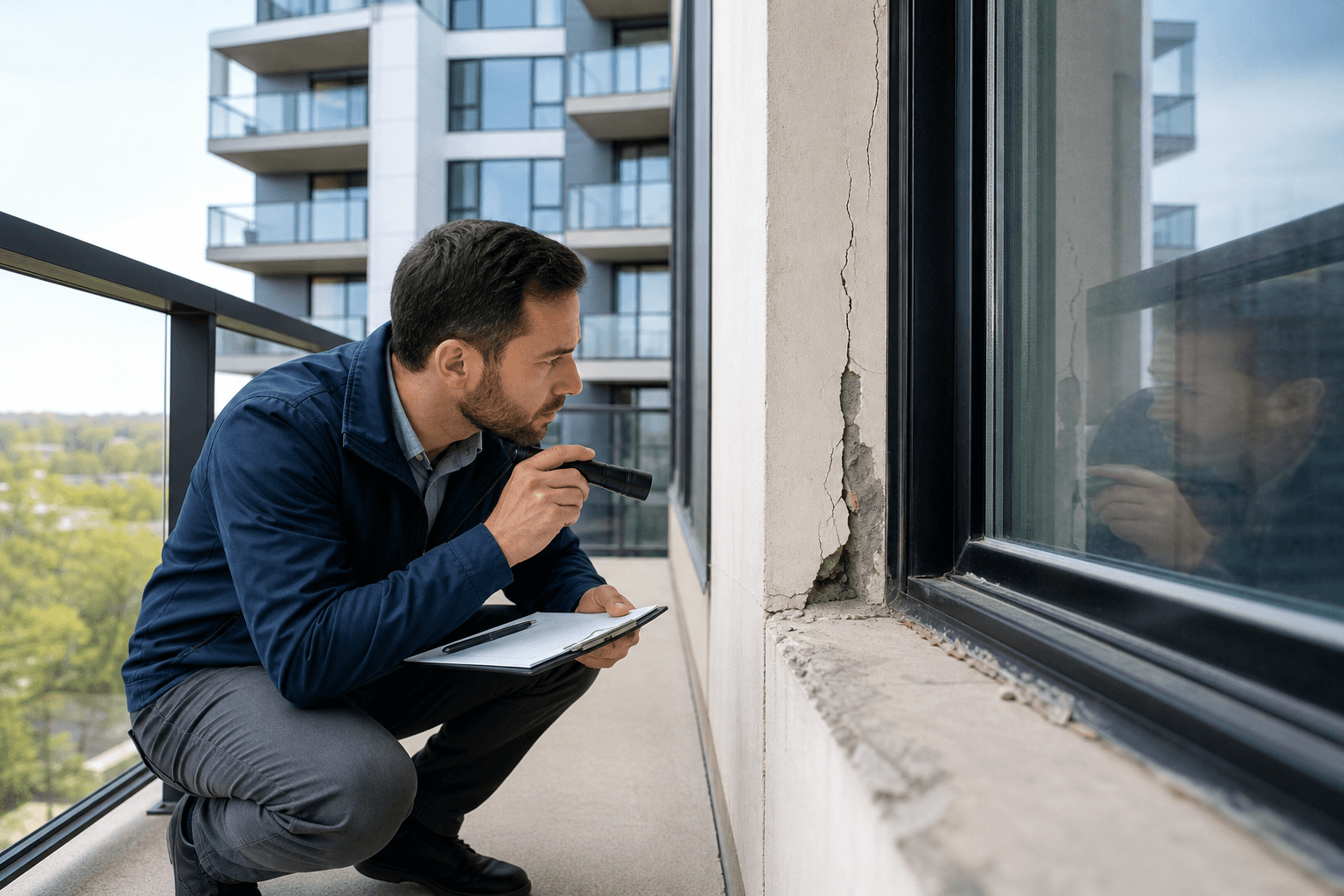
Why it matters and how inspectors test it: Failed insulated glazing reduces thermal performance and can lead to frame deterioration. Inspectors look for fogging between panes, evidence of seal loss, and signs of frame rot, and they note energy loss indicators such as draftiness or cold spots InspectandTest.
Buyer checks at a viewing: inspect windows for cloudy glass, trapped moisture, condensation, drafts, and damaged frames.
Follow‑up and responsibility: Window repair or replacement may be an owner expense unless the building has a replacement program managed by the condo corporation. If multiple units show the same issue, ask the property manager about planned building-wide work and get a glazing quote before committing InspectandTest.
5) Visible water staining and unexplained damp spots
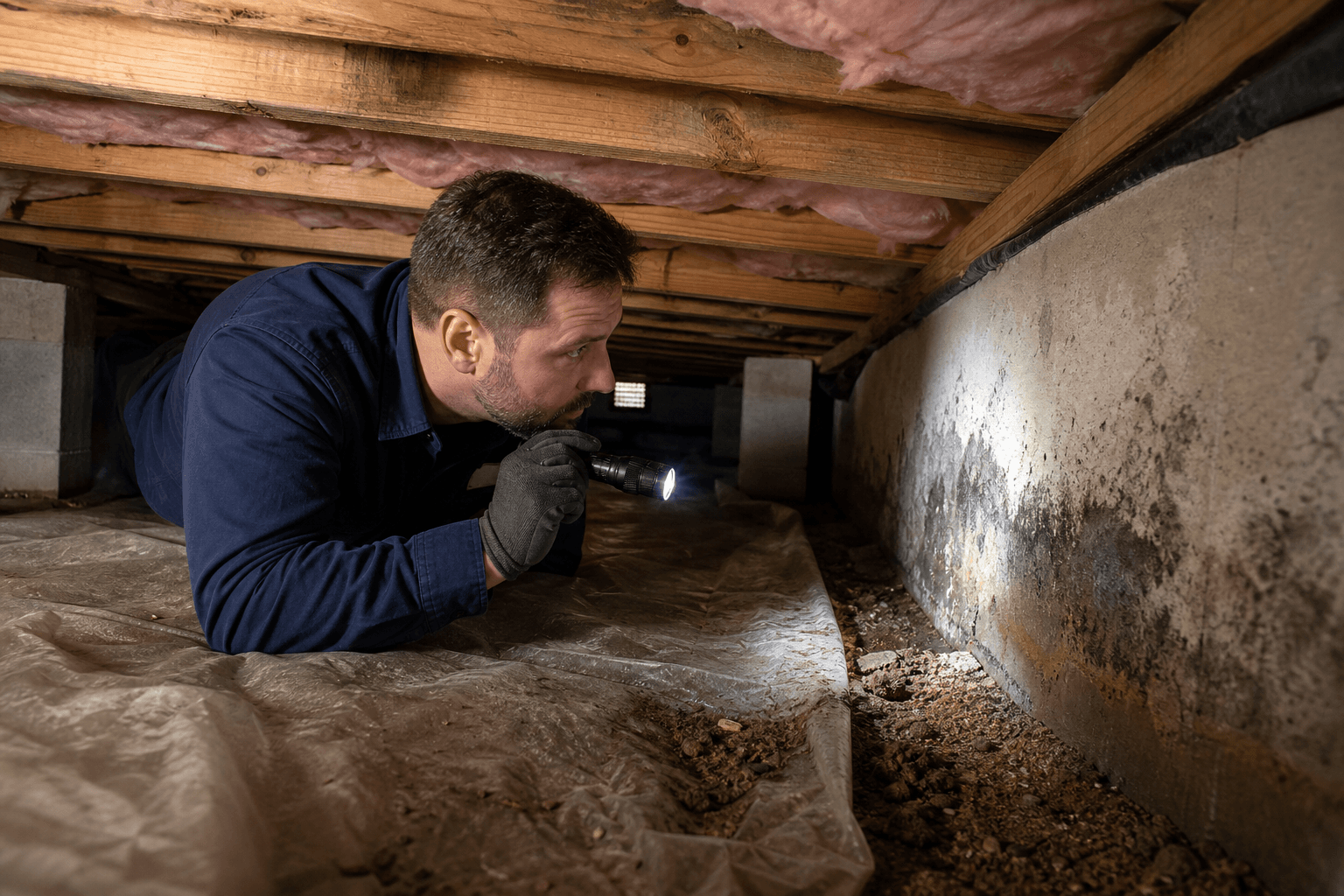
Why it matters and how inspectors test it: Water staining on ceilings, walls, or floors signals current or past leaks and can conceal mould or structural damage. Inspectors trace staining to likely sources, use moisture meters, and recommend invasive testing when stains are extensive or the source is unclear InspectandTest and Solex Group.
Buyer checks at a viewing: look for discoloured or bubbling paint, musty smells, and stains near plumbing or exterior walls.
Follow‑up and responsibility: Unexplained or widespread staining is an urgent stop point. Order moisture mapping or a flood‑forensic trade to identify the source, and consider requesting a repair holdback or remediation contingency before closing.
6) Improper renovations and unsafe electrical work
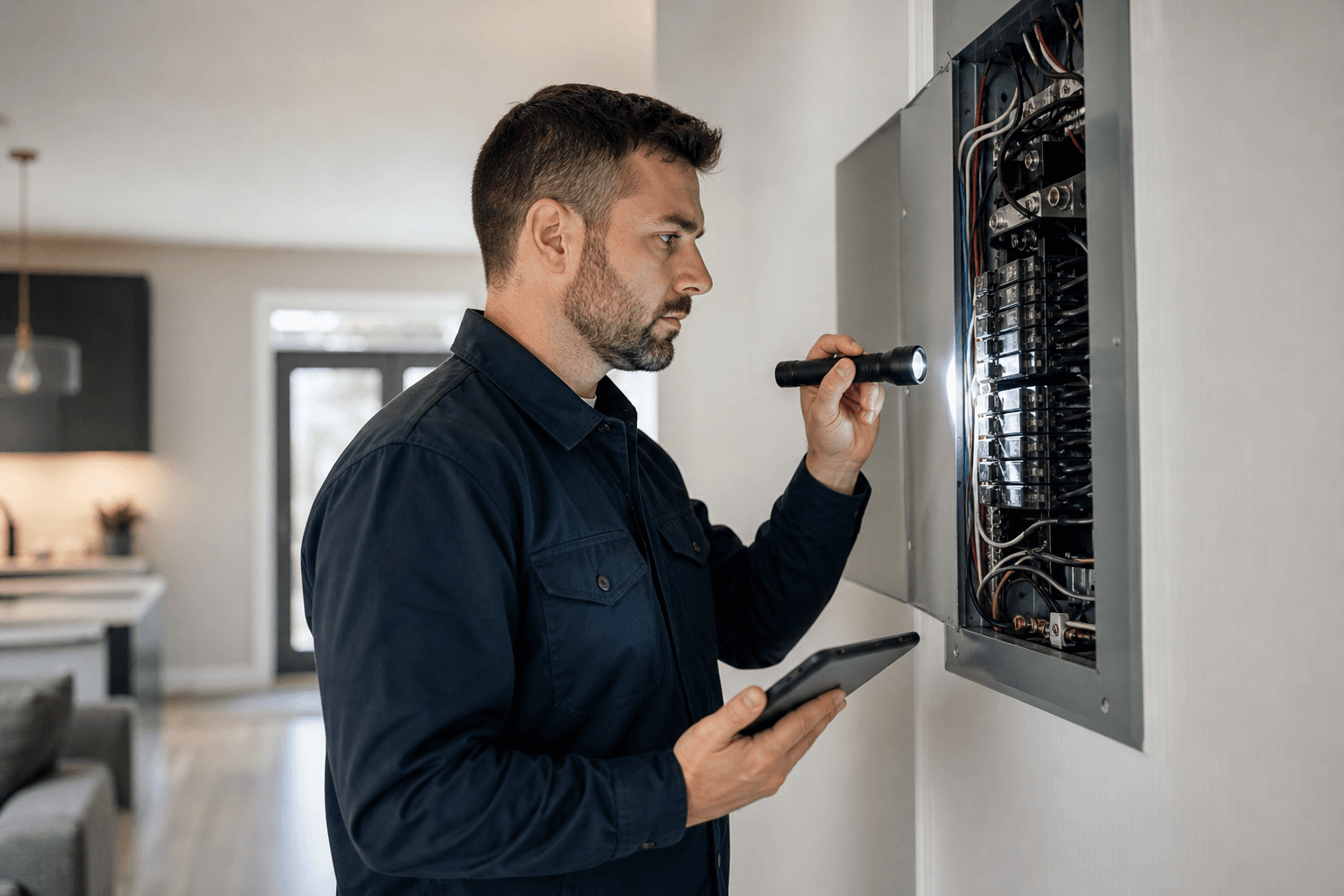
Why it matters and how inspectors test it: DIY renovations and unpermitted electrical work can create hazards. Inspectors flag nonstandard wiring, loose panels, overloaded circuits, and improperly installed fixtures, and they will recommend a licensed electrician for suspected code violations Solex Group.
Buyer checks during a viewing: open the electrical panel to look for labelled circuits and signs of amateur repairs, test outlets and switches, and note any exposed wiring.
Follow‑up and responsibility: Safety corrections require immediate licensed‑trade evaluation. Electrical work inside the unit is usually the owner’s responsibility; document findings and obtain electrician quotes before closing.
7) Inoperative fixtures and appliances
Why it matters and how inspectors test it: Inspectors operate accessible fixtures and major appliances to confirm function and note missing service history. Problems may be cosmetic, failing components, or unsafe connections Solex Group.
Buyer checks at a viewing: run lights, outlets, faucets, and appliances, and ask the seller for receipts or warranty information.
Follow‑up and responsibility: Replacement of in‑unit appliances is typically the owner’s responsibility. If appliances are included with the sale, require receipts or a simple warranty clause in the agreement.
What a condo inspection covers and what it does not
A standard condo unit inspection focuses on the physical condition of the interior of the unit and its systems. It generally excludes shared elements such as the roof, exterior walls, elevators, and central building systems that are maintained by the condo corporation. Because the inspection does not evaluate building finances or legal matters, obtain the status certificate and related condo documents to understand shared responsibilities and reserve funds FS Residential.
Why obtain the status certificate and condo documents

The status certificate shows the condo corporation’s financial health, reserve fund levels, pending legal issues, bylaws, and which common elements the corporation maintains. Review it alongside the physical inspection to know whether a recurring issue is the owner’s cost or a building expense FS Residential.
Urgent red flags and clear stop points
- Active leaks observed at inspection, especially beneath a suite or through multiple levels, pause closing and order immediate specialist testing.
- Widespread or repeated water staining across ceilings or walls where the source cannot be quickly identified, require moisture mapping or a flood‑forensic report.
- Strong odours that suggest mould not explained by recent cleaning, obtain mould testing or a remediation plan.
- Exposed, burnt, or amateur electrical work near the panel, stop and require a licensed electrician’s safety clearance.
- Structural cracking connected to moisture or settlement, refer to a structural specialist.
These stop points justify a transaction holdback, repair escrow, or conditional completion until trades confirm repairs. For time‑sensitive GTA transactions, same‑day PDF findings help you act quickly and obtain estimates before finalising offers ASM Home & Commercial Inspection and Ratehub.
How to use a same‑day PDF inspection report to negotiate or schedule repairs
Step 1: Review the inspector’s documented defects and photographs immediately on delivery. Step 2: Prioritise urgent safety or leak items and obtain written trade estimates for those items. Step 3: Propose solutions to the seller: timed repairs before closing, a monetary credit, or a repair holdback held in trust. Step 4: If you accept the unit with conditions, add a short completion timeline and verification step in the agreement. Same‑day reporting gives you the evidence to move quickly in a competitive GTA market ASM Home & Commercial Inspection and supports negotiating realistic remedies Ratehub.
Preparing for the inspection: what to ask the inspector and what to bring

Bring the listing, the seller’s property disclosure, and any appliance or service receipts. Ask the inspector to prioritise moisture checks, confirm whether common building systems could be a source, and request same‑day PDF delivery so you can obtain trade quotes that afternoon. During the on‑site portion, accompany the inspector and ask, for example, "Where did you find moisture?" or "Which items need licensed trade follow‑up and why?" ASM Home & Commercial Inspection and industry practice recommend this approach to make immediate, informed decisions InspectandTest.
GTA considerations and timelines
GTA transactions often move fast. A same‑day PDF inspection report accelerates negotiation, lets you obtain same‑day trade estimates, and reduces the risk of missed deadlines. Work with a certified inspector who documents findings clearly and quickly so you can meet firm closing dates without sacrificing due diligence ASM Home & Commercial Inspection.
Printable inspection prep checklist and sample same‑day report
Use this one‑page checklist when attending a viewing:
- Run taps, shower, and flush toilets; check under‑sink cabinets for dampness.
- Run bathroom fans and check for exterior venting.
- Operate heating and cooling, listen for noises, ask for service records.
- Inspect windows for fogging, drafts, and frame damage.
- Scan walls and ceilings for stains or odours; note exact locations.
- Open the electrical panel and test outlets and switches.
- Run appliances included in the sale; ask for receipts or warranties.
A useful same‑day PDF report will include a defect summary, annotated photos, moisture meter readings, safety hazards, and recommended next steps. Label each finding by urgency so you can quickly prioritise trades and negotiate with evidence. This sample layout is illustrative only; use the inspector’s report and trades’ quotes to finalise any agreement ASM Home & Commercial Inspection.
Frequently asked questions
What are the most common defects found in condo inspections?
The most common in‑unit defects are plumbing leaks, exhaust fans venting into cavities, HVAC condition issues, failed window seals, visible water staining, improper renovations or electrical work, and inoperative fixtures or appliances InspectandTest and Solex Group.
Does a condo inspection cover the roof, exterior walls, or elevators?
No. A unit inspection generally excludes building common elements such as the roof, exterior walls, elevators, and central systems. The status certificate and condo documents explain who is responsible for those items FS Residential.
When should I order specialist testing after a condo inspection?
Order specialists when the inspector finds active leaks, unexplained water staining, suspected mould, unsafe electrical work, or structural concerns. These are stop points that justify delaying closing until trades verify the issue or a holdback is agreed.
Who is normally responsible for repairing defects found inside a condominium unit?
Repairs inside the unit are typically the unit owner’s responsibility. Shared systems and common elements are the condo corporation’s responsibility; the status certificate clarifies these boundaries FS Residential.
How can I use a same‑day PDF inspection report when negotiating repairs or a price adjustment?
Use the same‑day report immediately to prioritise urgent items, obtain trade quotes, and propose repairs, credits, or a repair holdback in writing. Rapid documentation supports faster, evidence‑based negotiation in tight GTA timelines ASM Home & Commercial Inspection and Ratehub.
Book ASM Home & Commercial Inspection for a certified GTA condo inspection with same‑day PDF reporting.