Quick diagnostic summary
Foundation crack patterns tell you more than a single line of damage. The crack direction, shape, and whether water is present usually indicate one of three actions: monitor, schedule a certified inspection, or call for urgent help. Not every crack is cause for alarm, but the pattern and any active movement guide your next step; see this for a practical overview of what different cracks usually mean (This Old House).
Step 1: first look checklist when you spot a crack
Do these five quick tasks before you forget key details. The information speeds triage and makes an inspection more useful.
- Take clear photos from several angles and include an object for scale, such as a ruler or a coin.
- Note where the crack is located: exterior foundation, basement interior, above a window, or along a mortar joint.
- Record recent changes: is the crack new since you moved in, or did it appear after a storm, plumbing work, or excavations near the house?
- Check for moisture: visible water, efflorescence, staining, or damp smell near the crack.
- Try simple function checks: do doors and windows stick, are floors uneven, is there new drywall cracking above the foundation?
If you will book an inspection, save the photos and notes in a short message to send the inspector ahead of the visit. ASM Home & Commercial Inspection highlights same-day PDF report delivery and certified inspections across the GTA, which helps when you need findings quickly (ASM Home & Commercial Inspection).
Step 2: recognise common foundation crack patterns and what they usually mean
Use these visual cues as tentative interpretations. They are not definitive diagnoses but they help you choose whether to monitor or escalate.
Hairline vertical or shrinkage cracks
Description: very thin, mostly vertical lines in poured concrete or labelled shrinkage marks in new foundations. What it usually means: normal curing or minor settlement and often only needs monitoring unless you also see moisture, widening, or interior damage. For context on when hairline cracks remain cosmetic see the guidance from This Old House (This Old House).
Diagonal cracks from a corner toward the middle
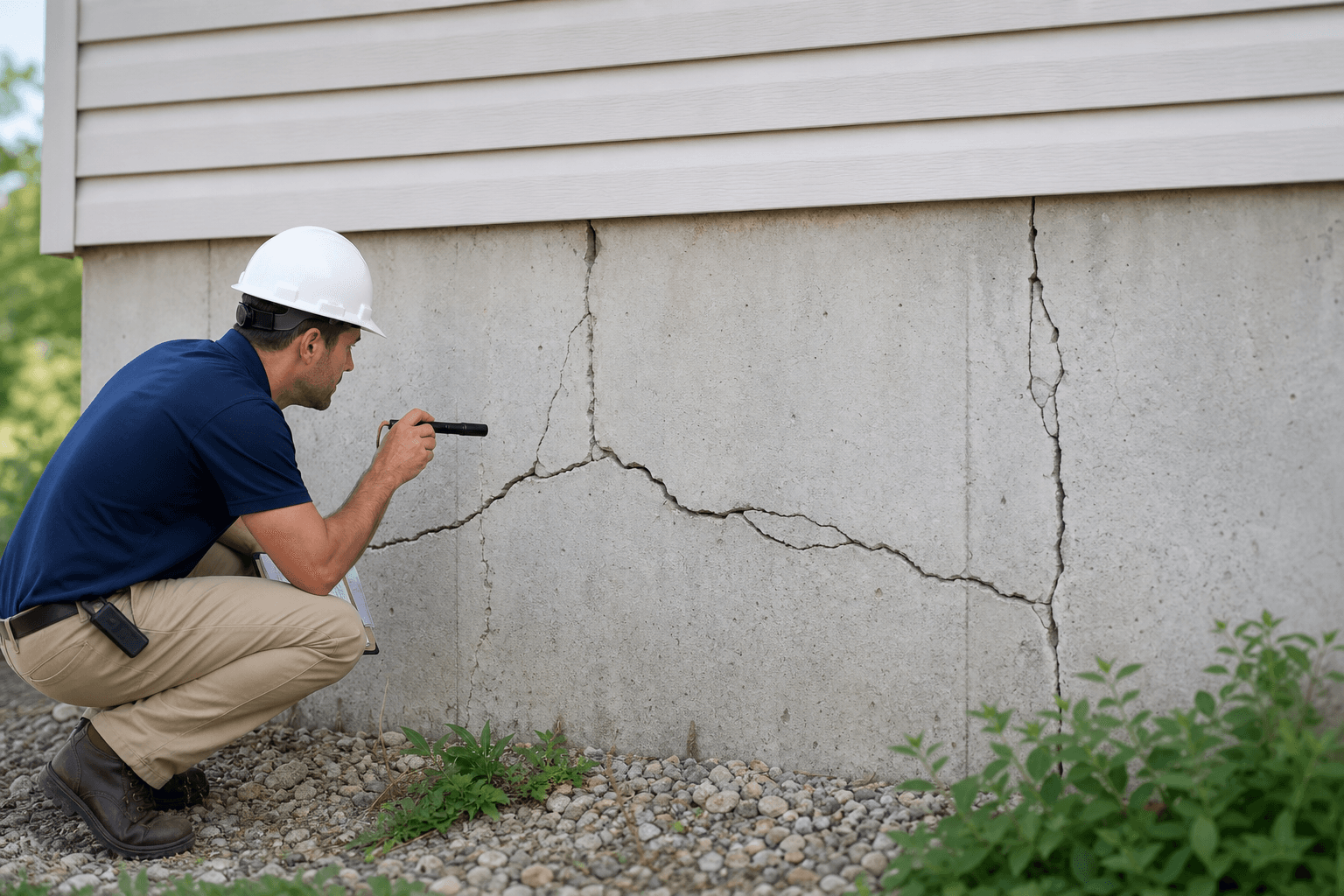
Description: diagonal cracks typically start near a corner of a window or door opening and angle toward the centre of a wall. What it usually means: differential settlement or footing movement that can affect load distribution. These cracks merit a timely inspection, especially if they are new or linked with sticking doors or uneven floors.
Horizontal cracks and bowed walls
Description: horizontal lines across the wall, often accompanied by a bow or noticeable inward deflection. What it usually means: lateral soil pressure, water-saturated backfill, or frost heave. Horizontal cracks and wall bowing are higher risk and should be investigated promptly because they may indicate structural load issues (This Old House).
Stair-step or zigzag cracks in masonry
Description: cracks that follow mortar joints in concrete block or brick walls, forming a stair-step pattern. What it usually means: masonry-specific movement that can point to significant settlement or structural problems in the foundation. Stair-step cracks in block or brick foundations often require professional evaluation before a sale or repair, as explained by Canadian masonry guidance (Ashworth Drainage).
Step 3: triage rules — monitor, book an inspection, or escalate now

Use this decision flow to pick the right action quickly. If more than one concern from the second column applies, move to the next higher urgency.
- Monitor: single, very thin vertical or shrinkage cracks with no water, no change over weeks, and no interior finish damage.
- Schedule an inspection: diagonal cracks, stair-step patterns in masonry, any crack showing recent change, visible water or staining, or multiple cracks appearing in different locations.
- Escalate now: horizontal cracks, wall bowing, active shifting where walls separate or steps form in floors, or visible structural displacement that affects doors or safety.
Decision criteria: what to measure and why
Collect these concrete observations to support your triage call.
- Width: photograph with a scale and note whether the gap is visible without magnification.
- Change: mark the crack date and retake photos after a week to check for growth.
- Water: active leaks, damp staining, salt deposits, or wet soil outside ups the urgency.
- Displacement: offset edges, steps in block joints, or an inward tilt are signs of movement.
- Interior effects: new cracks in drywall, sticking doors, or sagging floors suggest structural impact beyond the surface.
Step 4: prepare for an inspection appointment
A short pre-inspection plan speeds diagnosis and helps you get a useful same-day report. Bring or send the inspector:
- Photos showing the crack with a ruler or coin for scale and a short note of when you first saw it.
- A record of recent events such as plumbing repairs, heavy rainfall, grading work, or nearby construction.
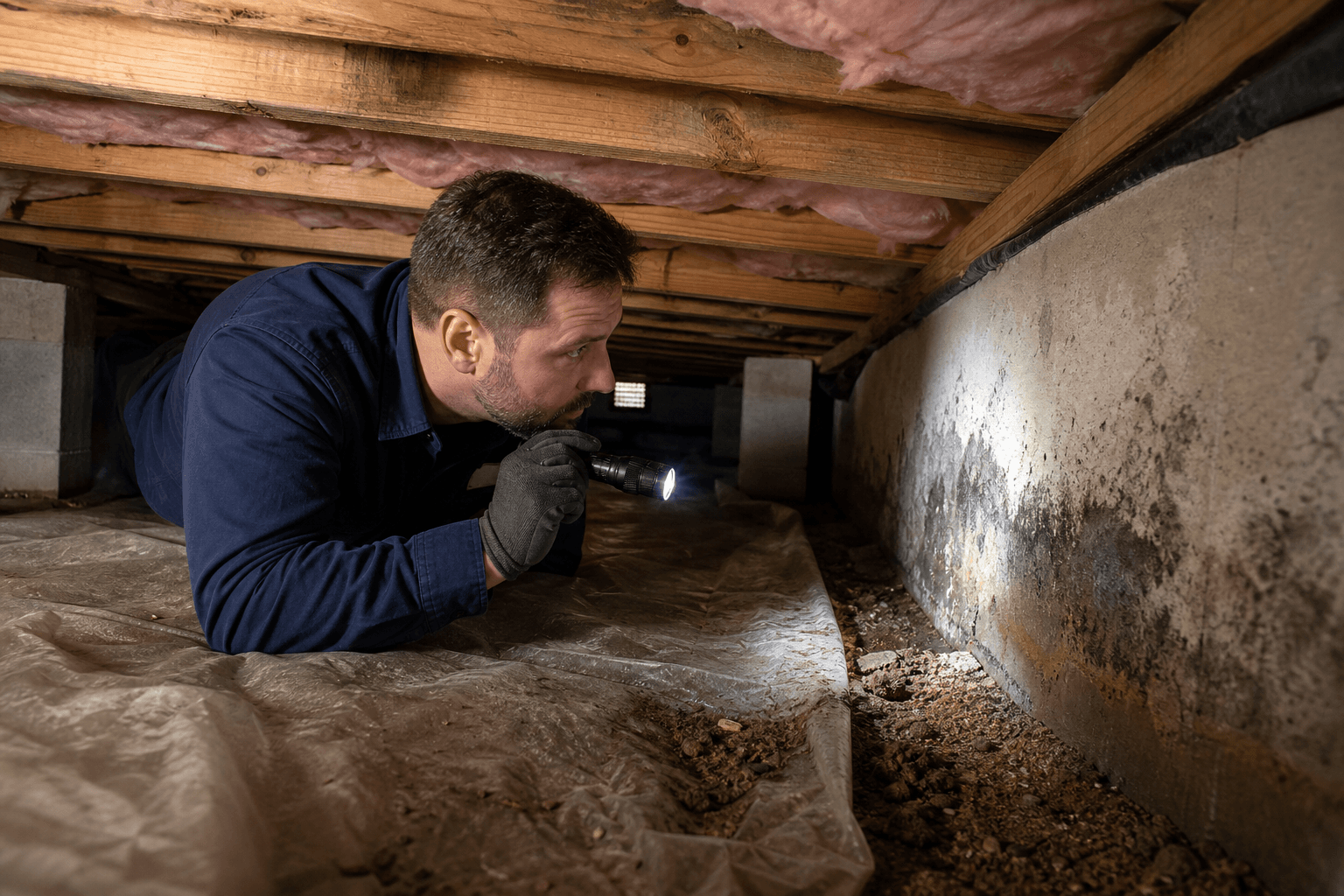
- Access to the exterior around the foundation where safe, and to the basement or crawlspace.
- A summary of symptoms: doors that stick, new dampness, or any safety concerns.
ASM Home & Commercial Inspection notes that certified inspectors provide same-day PDF reports, which can be crucial when transactions are time-sensitive or when you need to get contractor quotes quickly (ASM Home & Commercial Inspection).
Step 5: what to expect from a certified inspector in the GTA
A qualified inspection is primarily visual. Expect the inspector to:
- Examine interior and exterior foundation walls and record crack patterns.
- Check for moisture, efflorescence, and drainage issues around the foundation.
- Inspect related systems such as attic and roof drainage that affect foundation wetness.
- Note effects on structural elements like joists, beams, windows, and doors.
- Deliver a clear report summarising findings, suggested urgency, and recommended next steps.
Look for inspectors with recognized credentials. ASM lists InterNACHI and CCPIA certification to signal professional standards for residential and commercial inspections, and same-day PDF delivery to support fast decision making (ASM Home & Commercial Inspection). For guidance about when a crack is more than cosmetic, see the practical examples at This Old House (This Old House).
When the inspector will recommend a structural engineer or specialist
Inspectors usually refer to an engineer when they find active or significant structural indicators. Typical triggers are large horizontal cracks, marked wall bowing, severe stair-step separation, ongoing movement, or unknown load-bearing damage. An engineer provides a written evaluation and design for permanent repair if needed.
Step 6: common homeowner objections and practical answers

Here are common concerns and straight answers to help you decide.
- Cost: an inspection is a targeted investment to avoid larger repair bills later. Same-day reports speed negotiation if you are buying or selling.
- Who pays: during a sale the buyer, seller, or both may negotiate responsibility. Get an inspection and written estimates before assuming who pays.
- Disruption: a visual inspection is minimally invasive. Specialist repairs may be more disruptive and will be scoped after any required engineering report.
- DIY fixes: avoid permanent structural repairs on your own. Cosmetic patching can hide active movement, which is risky for safety and resale.
Step 7: next steps after the inspection
Follow this ordered post-inspection checklist.
- Read the inspector's PDF report and prioritise any urgent items they flagged.
- If an engineer is recommended, schedule that assessment and keep copies of all reports.
- For structural or waterproofing work, obtain at least two written repair estimates from reputable contractors.
- Implement temporary measures if advised, such as redirecting downspouts or improving grading to reduce water load.
- Set a monitoring schedule if the inspector advises to watch the crack. Repeat photos on a monthly basis and record any change.
Concise local help and booking note
If you are in the Greater Toronto Area and need a certified inspection with quick reporting, ASM Home & Commercial Inspection provides InterNACHI and CCPIA certified inspections and same-day PDF reports to support tight timelines and sale negotiations (ASM Home & Commercial Inspection). Sharing the photos and notes from Step 1 before the visit helps the inspector focus the assessment.
Frequently asked questions
How quickly should I call an inspector after seeing a foundation crack?
If you see a horizontal crack, wall bowing, active water entry, or a crack that is growing over days or weeks, call an inspector promptly. For a single very thin vertical crack with no other symptoms you can document and monitor for a short period before booking.
Will every stair‑step or zigzag crack need structural repairs?
No. Stair-step cracks can be cosmetic or structural depending on movement, displacement, and moisture presence. Because masonry cracks follow mortar joints, they are more likely to reflect structural conditions and should be evaluated by a professional before assuming cosmetic repair will suffice (Ashworth Drainage).
What measurements or photos should I bring to the inspection to make the assessment faster?
Bring dated photos from several angles with a ruler or coin for scale, notes on when the crack first appeared, any recent site changes such as plumbing or grading, and any interior symptoms like sticking doors. These items let the inspector focus on likely causes and speed same-day reporting.
Can I fix a small foundation crack myself or use epoxy injection without a professional?
Minor cosmetic patches can hide underlying movement. Epoxy or polyurethane injections are specialist procedures and should be used only after a qualified inspection determines the cause and suitability. If there is any doubt about movement or moisture, get a professional opinion first.
Who usually pays for inspection and repair during a home sale in the GTA?
Who pays is negotiable between buyer and seller. An inspection gives both parties facts. Use the inspector's same-day report to negotiate responsibility, to request contractor quotes, or to set conditions in the purchase agreement.
Would you like a certified inspection and same-day PDF report to evaluate a foundation crack pattern on a GTA property?