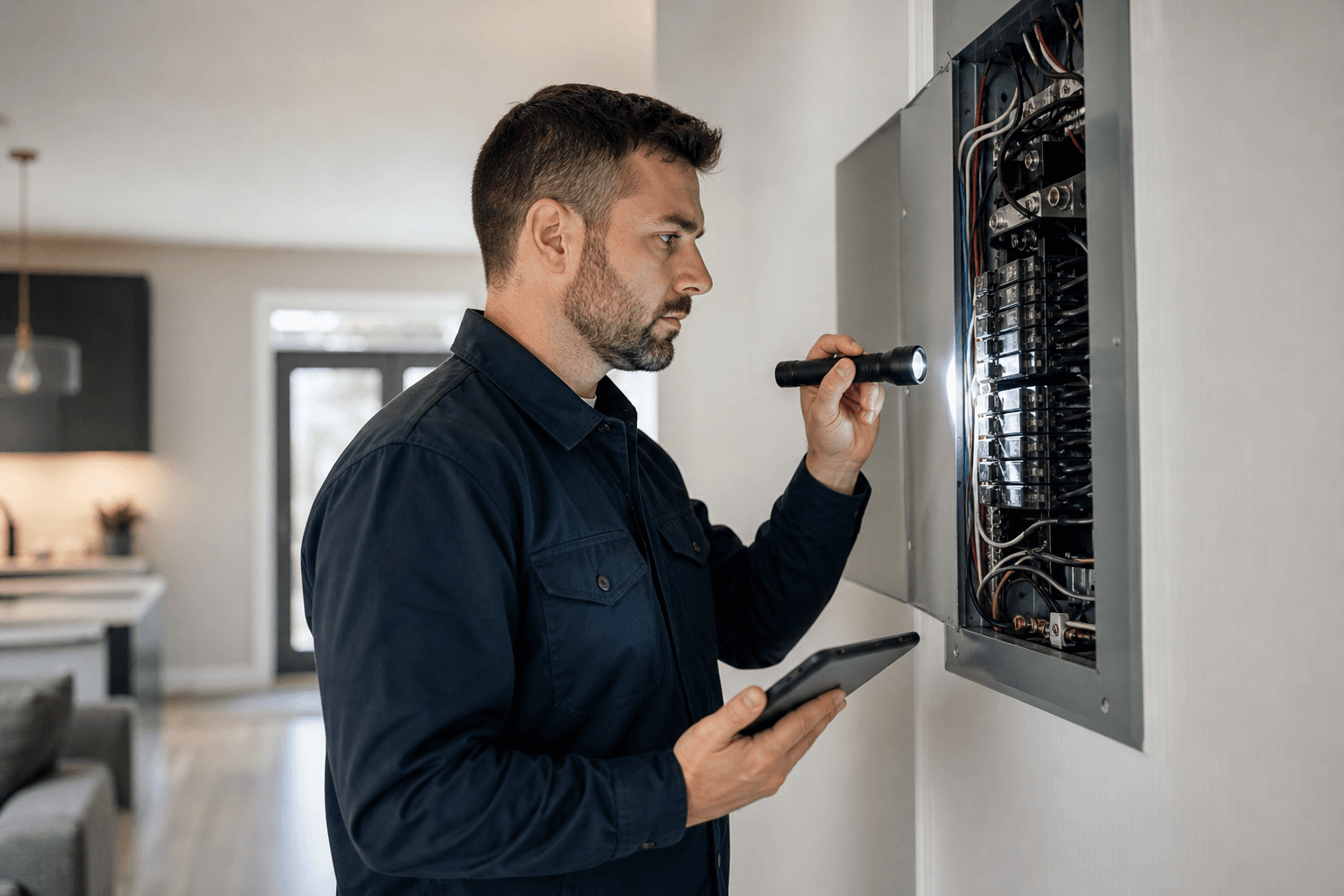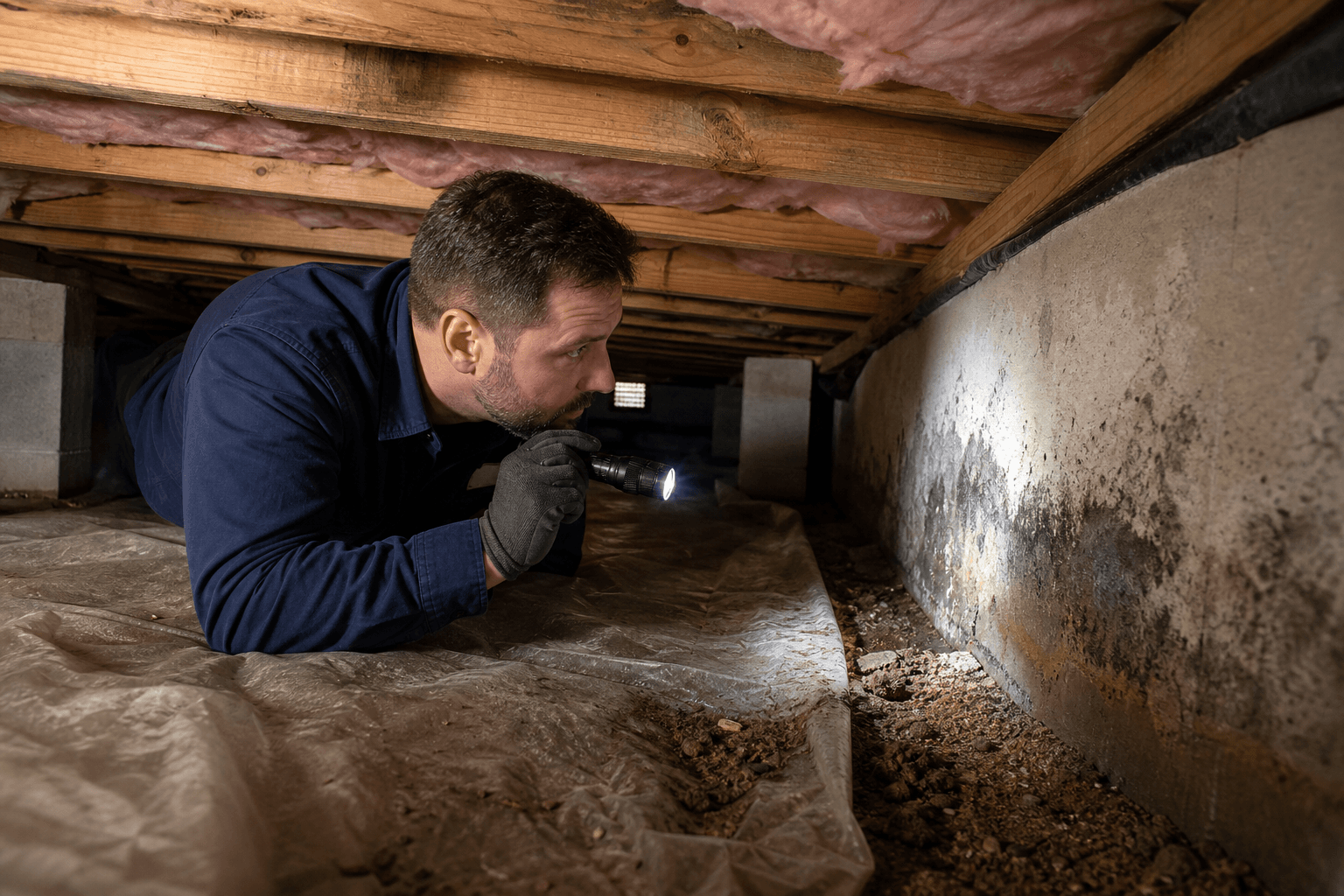
Receiving an inspection report can feel like reading a new language. This article explains inspection report interpretation so buyers, sellers, landlords and agents in the Greater Toronto Area can prioritise safety issues, translate action-level language, and act quickly on a same-day PDF report. For local context, ASM Home & Commercial Inspection provides certified residential and commercial inspections across the GTA and delivers same-day PDF reports to help clients make decisions quickly. The company also highlights early detection of moisture intrusion as a priority for property health, which affects how you interpret related findings (ASM Home & Commercial Inspection).
How to read a home or commercial inspection report
Most home and commercial inspection reports have three usable layers. Read them in order and cross-check each item before making decisions. A concise workflow helps when you have limited time during a transaction.
- Summary: a one-page or section view of major safety concerns and high-priority items. Read this first to find anything that could affect closing or immediate safety (How to Understand a Home Inspection Report).
- Room-by-room narrative: the inspector’s observations with context, location, and likely cause. Use the narrative to understand how the summary item was reached.
- Photos and measurements: visual evidence and any instrument readings. Confirm that photos show the item referenced in the narrative and the summary.
Same-day PDF delivery shortens the decision window. If you receive a same-day PDF report, open the summary first, then verify each summary item against the narrative and photos. That workflow reduces the chance of missing a detail that matters for negotiation or immediate fixes.
Report action levels compared
Inspectors use standard action-level language so clients can triage items. A common framework maps terms to four practical action levels. For a deeper explanation of report terminology and how terms map to urgency, see inspection report terminology guidance (Inspection Report Terminology Explained).
Monitor
What it means: The item shows wear, ageing, or minor degradation but presents no immediate safety risk. The inspector recommends regular observation.
Urgency: Low. Monitor on a maintenance schedule.
One-line next step: Record the item, photograph it periodically, and include it in annual maintenance checks or the seller’s disclosure for future buyers.
Marginal
What it means: Performance is reduced or components are approaching a failure condition. The problem is not acute now but could progress within months to a few years.
Urgency: Medium. Budget for repair or replacement in the short term.
One-line next step: Get a contractor quote to understand scope and cost, then prioritise based on safety, resale impact, and budget.
Further evaluation
What it means: The inspector found an issue outside their scope or that requires specialist diagnosis. Common examples include suspected mould, structural movement, or concealed plumbing leaks.
Urgency: Variable. Some items need rapid assessment if they suggest active damage.
One-line next step: Arrange a qualified specialist for a focused inspection, using the inspector’s photos and narrative to scope the specialist’s visit.
Repair now
What it means: The inspector identified a safety hazard or active failure that should be corrected before occupancy or closing. Typical cases include exposed live wiring, active water leaks, or compromised structural supports.
Urgency: High. Address before the property changes hands or before continued occupancy.
One-line next step: Correct the hazard with a licensed trade immediately and request a verified repair report or invoice for transaction records.
What the action levels look like in practice: GTA examples
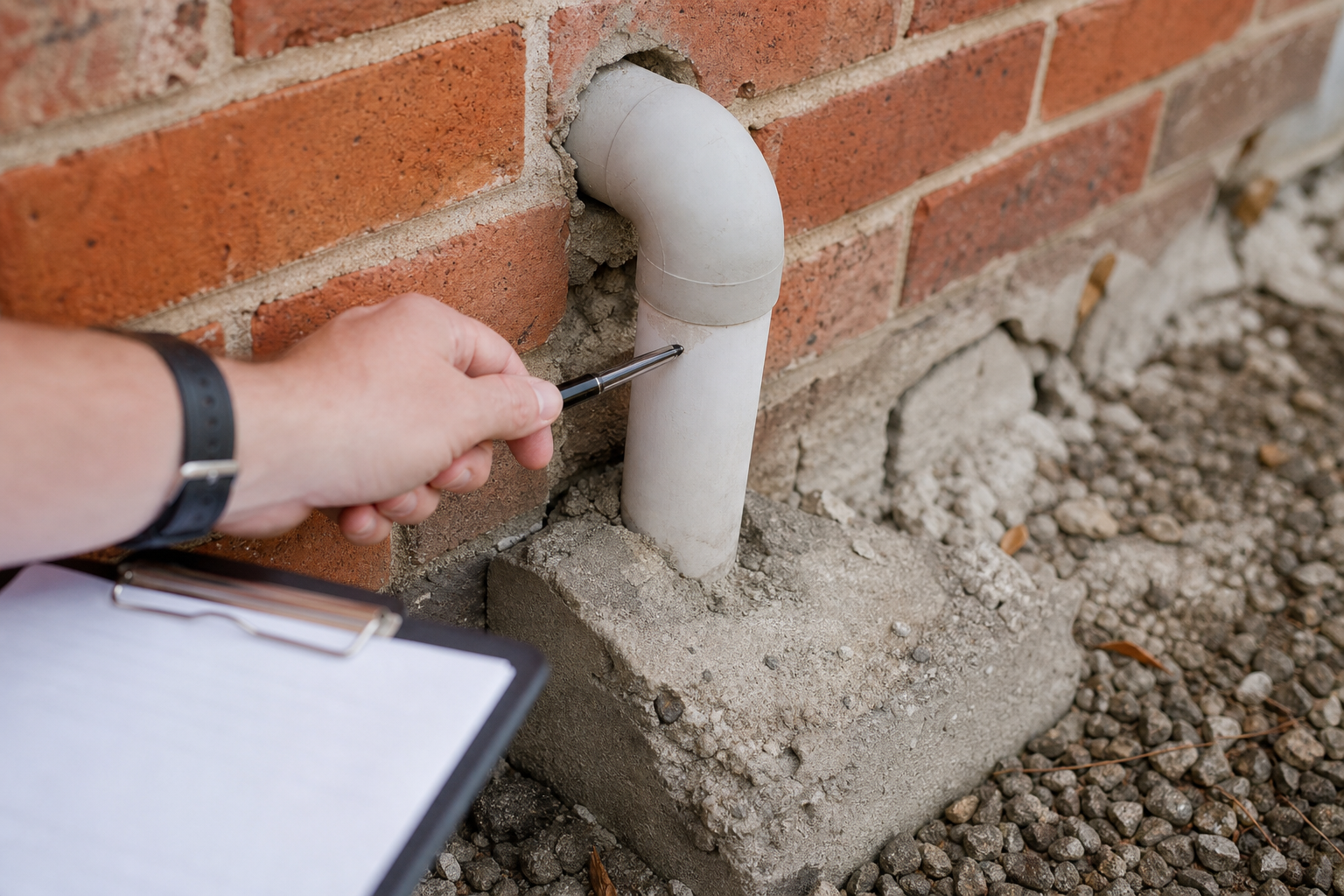
Applying inspection report interpretation to local issues helps with realistic planning.
- Moisture stains in a Toronto basement, marked “further evaluation”. Because ASM emphasises moisture intrusion as a high priority, follow up quickly to determine whether the stain signals active leakage, past water entry, or condensation (ASM Home & Commercial Inspection).
- Cracked mortar on a Peel region home foundation, marked “marginal”. Age-related settling common in older suburbs may make it a medium priority. Get a structural contractor to confirm whether the cracks are cosmetic or a structural concern.
- Peeling paint and a missing flashing detail on a Mississauga bungalow roof, marked “monitor”. If the inspector found no active leak, schedule roof maintenance within the year. If the listing is pre-listing, address it to improve marketability.
- Condo common-element HVAC noises, marked “further evaluation”. Because condominium repairs are managed through the board, clarify whether the issue is common-element responsibility and request service records from management.
Priority checklist: immediate, soon, and monitor
Use this triage checklist to allocate time and budget quickly.
- Immediate (repair now): exposed electrical conductors, active plumbing leaks, visible mould with suspected health risk, sagging beams or compromised supports.
- Soon (within 30 to 90 days): failing gutters and flashing that risk water entry, HVAC components near end of service life, cracked exterior masonry that could worsen in freeze and thaw cycles.
- Monitor (seasonal to annual): cosmetic deterioration, minor roof shingle wear, hairline foundation hairlines deemed non-structural, paint and trim wear.
Step-by-step next steps after receiving a same-day PDF report

Follow these steps so you can act quickly if you are buying, selling, or managing a property in the GTA.
- Read the summary first, then open the detailed narrative and photos to confirm context. This order helps you identify safety items immediately (How to Understand a Home Inspection Report).
- Mark anything labelled “repair now” or “further evaluation” for immediate attention. If safety is involved, do not delay repairs.
- For items needing a specialist, request quotes that reference the inspector’s narrative and images so the contractor scopes correctly.
- Use quotes and repair timelines to negotiate with the seller, request credits, or set conditions in the purchase agreement.
- Document all repairs with invoices and before/after photos for the transaction file or future resale disclosure.
Inspection frameworks view risk as a function of severity and likelihood. When a finding suggests active or likely progression, prioritise evaluation and repair. This approach aligns with established inspection processes for documenting findings and finalising inspection cases (Standard inspection process).
How to verify findings and choose the right specialist
Not every trade is appropriate for every finding. Use the inspector’s narrative and photos to narrow specialists. Typical matches are:
- Electrical hazards: licensed electrician.
- Active leaks or hidden plumbing problems: licensed plumber with camera diagnostics.
- Roof leaks, missing flashing or failing shingles: roofing contractor with certificate of insurance.
- Structural movement or large foundation cracks: structural engineer for a written opinion.
- Suspected mould or indoor-air problems: certified hygienist for sampling and remediation quotes.
When requesting a quote, include the inspector’s exact wording, the photo index, and any measurements. Ask the trade to provide a clear scope, cost estimate, timeline, and whether a permit or follow-up inspection will be needed. If the item affects a condo common element, contact the property manager before scheduling trades.
Note that some industries use specialised report formats. For instance, X-ray inspection reports for printed circuit board assemblies follow different interpretation rules and require industry-specific guides when assessing internal defects (X-Ray inspection report interpretation guide).
Common GTA-specific concerns and decision criteria
Local conditions affect inspection report interpretation. Moisture intrusion is a recurring concern in many GTA basements, making any water stains or efflorescence more urgent to investigate in older Toronto homes. Freeze and thaw cycles can accelerate masonry deterioration across Peel and Durham regions. For condominium properties, clarify whether the finding is a unit defect or a common-element issue before negotiating with the seller or the board (ASM Home & Commercial Inspection).
Decision criteria for buyers and sellers:
- Safety first: anything that endangers occupants should be addressed immediately.
- Transaction risk: if a finding is likely to affect financing or insurance, elevate priority.
- Cost versus resale: weigh high-cost cosmetic fixes against seller willingness to credit or lower price.
- Scope certainty: when a finding has unclear extent, move from ‘monitor’ to ‘further evaluation’ before finalising negotiations.
Frequently asked questions
What does "monitor" mean on my inspection report and when is monitoring acceptable
"Monitor" means the inspector noted cosmetic wear or early-stage degradation that does not present immediate danger. Monitoring is acceptable when the item is unlikely to worsen quickly. Keep photos, check periodically, and include the item in scheduled maintenance.
When should I arrange a specialist for "further evaluation" and how do I choose one
Arrange a specialist when the inspector cites issues outside their scope or when active damage is suspected. Choose a trade with relevant licences and insurance. Provide the specialist with the inspector’s narrative and photos so they scope work correctly.
How do I use a same-day PDF report during a tight closing period
Open the summary immediately, flag urgent items, and start collecting specialist quotes right away. Use documented quotes and repair timelines to negotiate seller credits or closing conditions. Same-day PDF delivery reduces delay in starting that process.
Can I rely on the report summary alone or should I read the full narrative and photos
Read the summary first but always confirm each summary item against the narrative and photos. Inspectors use narrative wording to define limits and exclusions that affect repair scope and urgency (How to Understand a Home Inspection Report).
What inspection items are most common in GTA homes and how do they affect urgency
Common GTA issues include basement moisture, ageing roof components, gutter and flashing failures, and electrical panel signs in older houses. Moisture related findings are often higher priority because they can lead to structural and safety concerns if left unchecked (ASM Home & Commercial Inspection).
Key takeaway: Treat the inspector’s action level as a triage tool. Use the summary to find immediate concerns, confirm context in the narrative and photos, then follow the specialist and negotiation steps above to protect safety and transaction value.
To book a certified inspection with same-day PDF reporting across the GTA, visit Asmhomeinspection or call 647-381-9030.