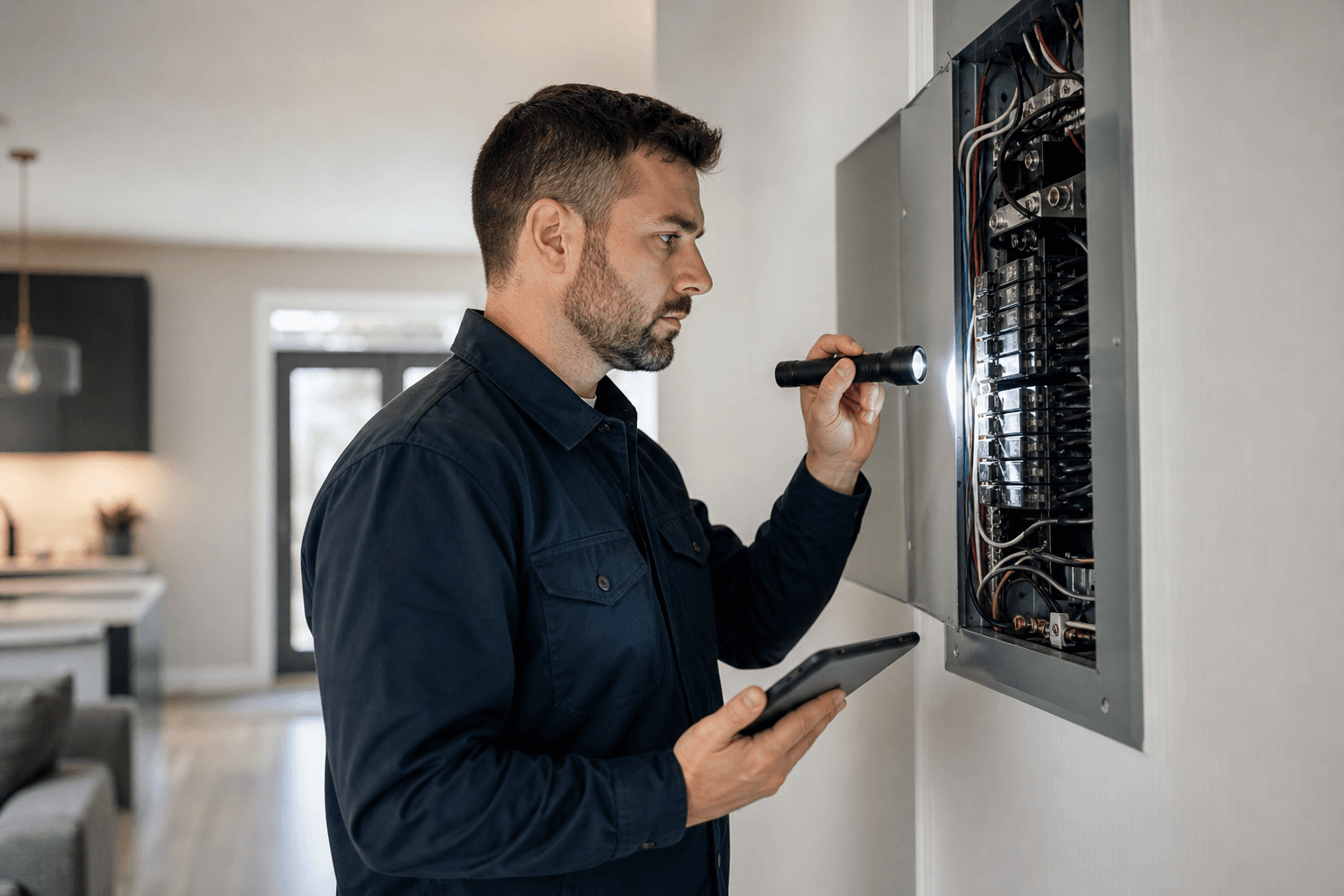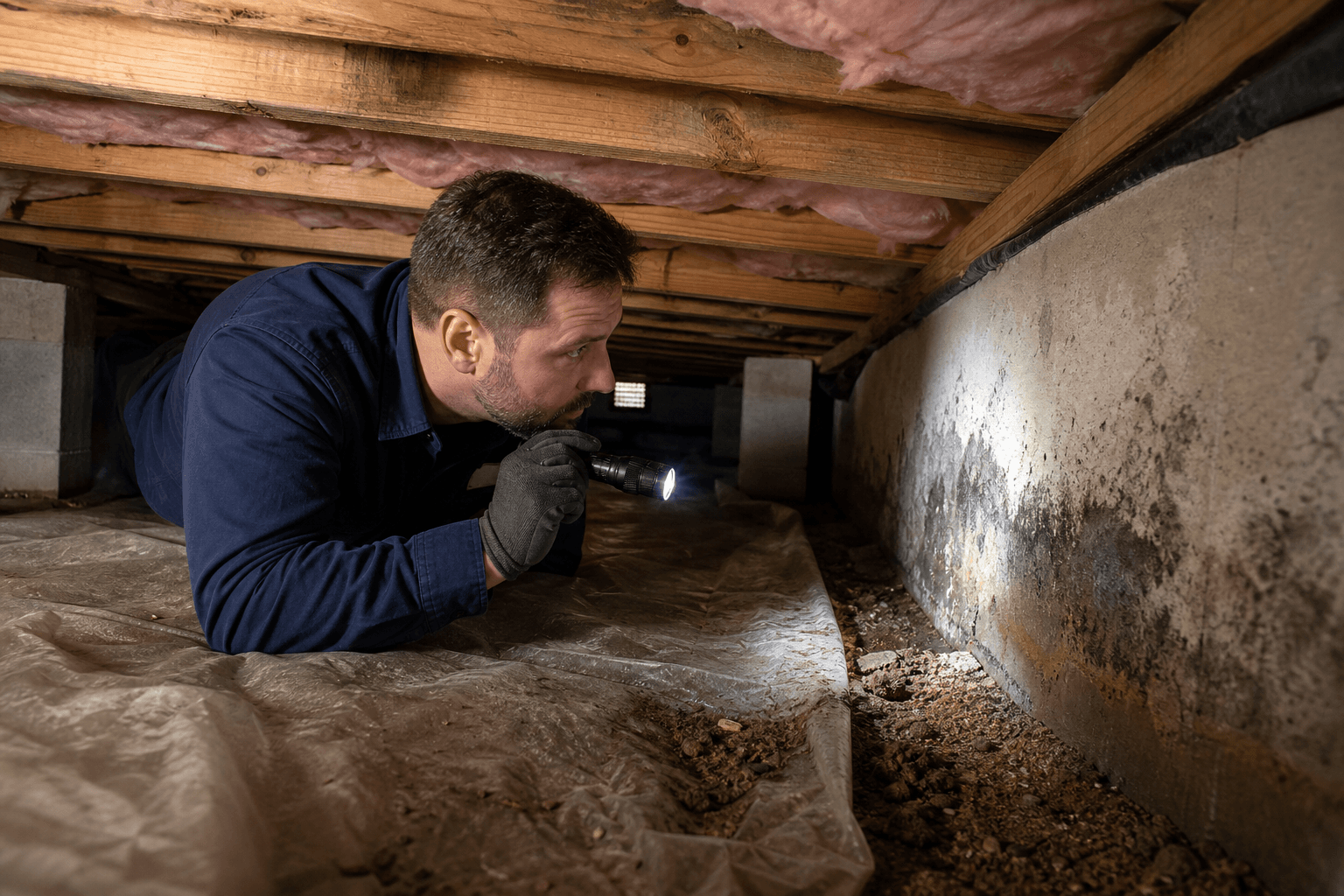
Receiving an inspection report can feel overwhelming. This ordered how-to walks you through every essential step so you can convert a report into clear actions: where to stop, what to escalate, and how to use findings in negotiations or pre-listing planning. The guide applies to residential and commercial reports and assumes you might receive a same-day PDF from your inspector, which is common for Greater Toronto Area inspections like those offered by Asmhomeinspection.
Start here: read the summary first
Begin with the summary because it is the inspector's short list of what matters most. Most reports place safety hazards and major-system defects in the summary so you can prioritise quickly rather than hunting through long narratives. Report-format guides recommend reading the summary first, then verifying each summary item in the body of the report for context and photos, which reduces the chance of overreacting to descriptive language in the narrative (How to Understand a Home Inspection Report, Safety Reports summary format guide).
What to find in the summary
- Safety hazards: exposed wiring, gas smell, or visible structural failure.
- Active moisture or water intrusion and visible roof leakage.
- Foundation or structural concerns that affect habitability.
- Major electrical deficiencies or HVAC failures that prevent safe occupation.
- Any items the inspector flags as requiring immediate specialist evaluation.
How to mark urgent items
If the summary lists immediate safety hazards or active water penetration, pause the transaction and arrange urgent remediation or specialist evaluation. Treat active leaks, compromised structural elements, or conditions that could cause injury as stop points. For commercial properties, convert summary recommendations into a bid-ready scope for contractors before you accept occupancy or proceed with a closing (How to read a façade inspection report).
Cross-check summary items against the room-by-room narrative and photos
The report usually has three layers: the summary, the room-by-room narrative, and the photo log. Read the summary first, then open the corresponding narrative entry and examine its photos. This cross-check provides the evidence that justifies the summary label and helps you assess severity, location, and likely remediation steps (How to Understand a Home Inspection Report, How to read a home inspection report section by section).
How to find the corresponding narrative entry
- Note the summary line number or heading and open the report section for that system or room.
- Locate the narrative paragraph that uses the same page number, item code, or caption.
- Confirm that the narrative describes the same location, condition, and apparent cause as the summary.
Interpreting annotated photos and timestamps
Photos should show where the issue is and include captions or arrows when possible. Poor photos—blurred, missing scale, or lacking clear captions—are a reason to ask for clarification or a reinspection. If a photo and narrative conflict, request a follow-up from the inspector to resolve the discrepancy before negotiating.
Matching thermography images to narrative text
Infrared thermography reports pair thermal imagery with visual photos and should specify anomaly location, severity, and recommended follow-up. When thermal images appear in your inspection, confirm the narrative labels the same location and calls out recommended invasive testing or specialist evaluation where needed (How to read an infrared thermography report).
Decode condition codes and common report terminology

Inspection reports use standard vocabulary that maps to action levels. Understanding this vocabulary turns ambiguous language into a decision. Many inspector guides map terms to four action levels: urgent repair now, specialist evaluation required, routine repair or replacement, and monitor for change (Inspection report terminology explained, Safety Reports narrative view guide).
Action-level mapping
- Urgent safety/repair now: Conditions that could cause injury or make the building unsafe. Action: stop points, immediate remediation, or temporary shutoff until fixed.
- Specialist evaluation required: Issues beyond a generalist inspector, such as suspected structural movement, hidden moisture, or complex electrical faults. Action: hire an engineer or licensed tradesperson for diagnostics and a written report.
- Routine repair or replacement: Cosmetic or expected wear items with straightforward fixes. Action: schedule contractor work within reasonable timelines.
- Monitor: Items to watch for change, such as small cracks or minor staining. Action: document condition and recheck at regular intervals, include in maintenance plan.
Do not interpret monitor as ignore. Monitoring often means schedule a follow-up inspection and keep photographic records so you can prove progression if needed.
Prioritise actions: safety, major defects, and routine maintenance
Use an ordered priority framework to decide what to do first. A recommended ordering is immediate safety, major-system evaluation within 30 days, and routine maintenance within 90 days to one year depending on urgency. For façade or envelope recommendations, convert condition ratings into a repair timeline and a bid-ready scope for contractors as part of reserve planning (Safety Reports classic format guide, Property manager façade guide).
Immediate actions for safety hazards
- Disconnect gas or electricity only on professional advice.
- Contact emergency services or a contractor for visible structural collapse, major electrical arcing, or strong gas odour.
- Document the condition with photos and request a same-day PDF follow-up when possible.
Next 30-day actions for major systems
Arrange specialist evaluations for structural concerns, major HVAC issues, or ongoing leaks. Use short timelines when a closing deadline is near. Because some inspectors provide same-day PDF reports across the GTA, you can often book specialists quickly to meet tight transaction windows (Asmhomeinspection).
90-day and annual maintenance items
Schedule non-urgent repairs and add monitoring items to your maintenance calendar. Create a simple plan with reminders and photographic records to show pre- and post-repair conditions.
When and how to order specialist follow-up
Some findings require more than a generalist inspection. Common triggers are moisture intrusion, structural movement, complex electrical faults, and hidden contaminants.
Moisture intrusion and when to order moisture mapping or a plumber
ASM emphasises early identification of moisture intrusion because it can cause structural damage and health risks. If the inspector flags active moisture or unclear sources, order moisture mapping, invasive probes, or a plumbing leak search. Include the report page number, photo, and a short description when you request testing (Asmhomeinspection).
Structural concerns and when to hire a structural engineer
Signs such as widening cracks, bowed walls, or visible foundation movement merit an engineer review. Request a written engineer opinion that identifies cause, urgency, and recommended remediation.
Electrical, HVAC, and plumbing specialist triggers
Complex or unsafe electrical findings should be evaluated by a licensed electrician. HVAC failures that affect safety or habitability require an HVAC contractor. For suspected plumbing leaks not visible during the inspection, hire a licensed plumber for pressure testing and trace work.
When to order thermography or invasive testing
Thermography is useful for locating concealed moisture or missing insulation but it does not replace invasive testing. If thermography indicates anomalies, pair it with targeted invasive probes or specialist diagnostics to confirm cause and scope (Infrared thermography report guide).
Use the report in negotiations and pre-listing planning

The inspection report supports three practical negotiation options: request repairs before closing, ask for a credit or price reduction, or accept the condition and plan for repairs after closing. Convert specialist recommendations into contractor scopes when asking for repairs to avoid vague promises. For pre-listing planning, prioritise fixes that improve marketability and safety, disclose known issues, and consider offering a pre-inspection report to buyers to reduce friction (façade report guidance, Asmhomeinspection).
Sample wording for repair requests
Use concise, reference-based language in emails or addenda. Example: "Per the inspection report, page 4 item 2: active moisture at the south basement wall with photo 7. Please provide a licensed plumber or remediation contractor's written estimate and proof of completed repairs prior to closing or a negotiated credit at closing." Including the page and photo speeds verification.
Limits of a standard inspection and explicit stop points
Standard inspections are a visual, non-invasive snapshot of accessible areas. The methodology or scope section of the report explains what was and was not inspected and is essential to avoid overinterpreting conclusions. Commonly excluded items include hidden mould behind finished walls, asbestos sampling, underground fuel tanks, and buried drainage. When a report identifies suspected concealed hazards, plan for specialist testing and invasive confirmation. Treat the inspection as informative, not a warranty (How to read an inspection report section by section, Safety Reports narrative guide).
Quick checklist and next steps
- Read the summary first and mark any urgent items.
- Cross-check each summary item against the narrative and photos.
- Classify each finding: urgent, specialist, routine repair, or monitor.
- For urgent or specialist items, schedule the appropriate tradesperson and request written follow-up reports.
- Decide negotiation strategy: repair before closing, credit, or accept with a maintenance plan.
- Keep dated photos and the inspector's PDF report for your records and any claims.
For GTA clients who need fast turnaround or follow-up inspections, you can book same-day PDF delivery and reinspection services through providers like Asmhomeinspection.
Frequently asked questions
What does 'monitor' mean in an inspection report and what should I do next
'Monitor' means document the condition and check for change at scheduled intervals. It does not mean ignore. Photograph the area, set calendar reminders, and if the condition progresses, convert monitoring to specialist evaluation.
When should a finding cause me to delay or cancel closing
Delay or pause closing when the report documents immediate safety hazards, active water penetration, or structural issues that impair safe occupancy. Use the summary as your first stop point and get specialist confirmation before proceeding.
How reliable are thermography images and when do they require invasive follow-up
Thermography is a diagnostic tool that reveals thermal anomalies. It should be paired with invasive testing or specialist diagnostics to confirm moisture, hidden gaps, or electrical faults. Treat thermal anomalies as indicators, not definitive proof (IR thermography guide).
Can I use a same-day PDF inspection report for fast GTA closings and does it carry the same weight as a full report
Yes. A same-day PDF contains the same inspection findings and is useful in tight GTA transaction windows. Confirm the report includes the summary, narrative entries, and photos. Providers such as Asmhomeinspection emphasise same-day PDF delivery to support prompt decision-making.
How do commercial inspection reports differ from residential reports and should I hire a different specialist
Commercial reports often cover a wider range of systems, larger roof areas, and different code considerations. They may include asset ratings and reserve planning recommendations. For commercial findings, convert recommendations into bid-ready scopes and use commercial specialists who understand building codes and tenant impacts.
Key takeaway: start with the summary, verify every summary item in the narrative and photos, map terms to action levels, and call specialists when the report exceeds a general inspector's scope. Use documented recommendations to support timely negotiations or pre-listing fixes.