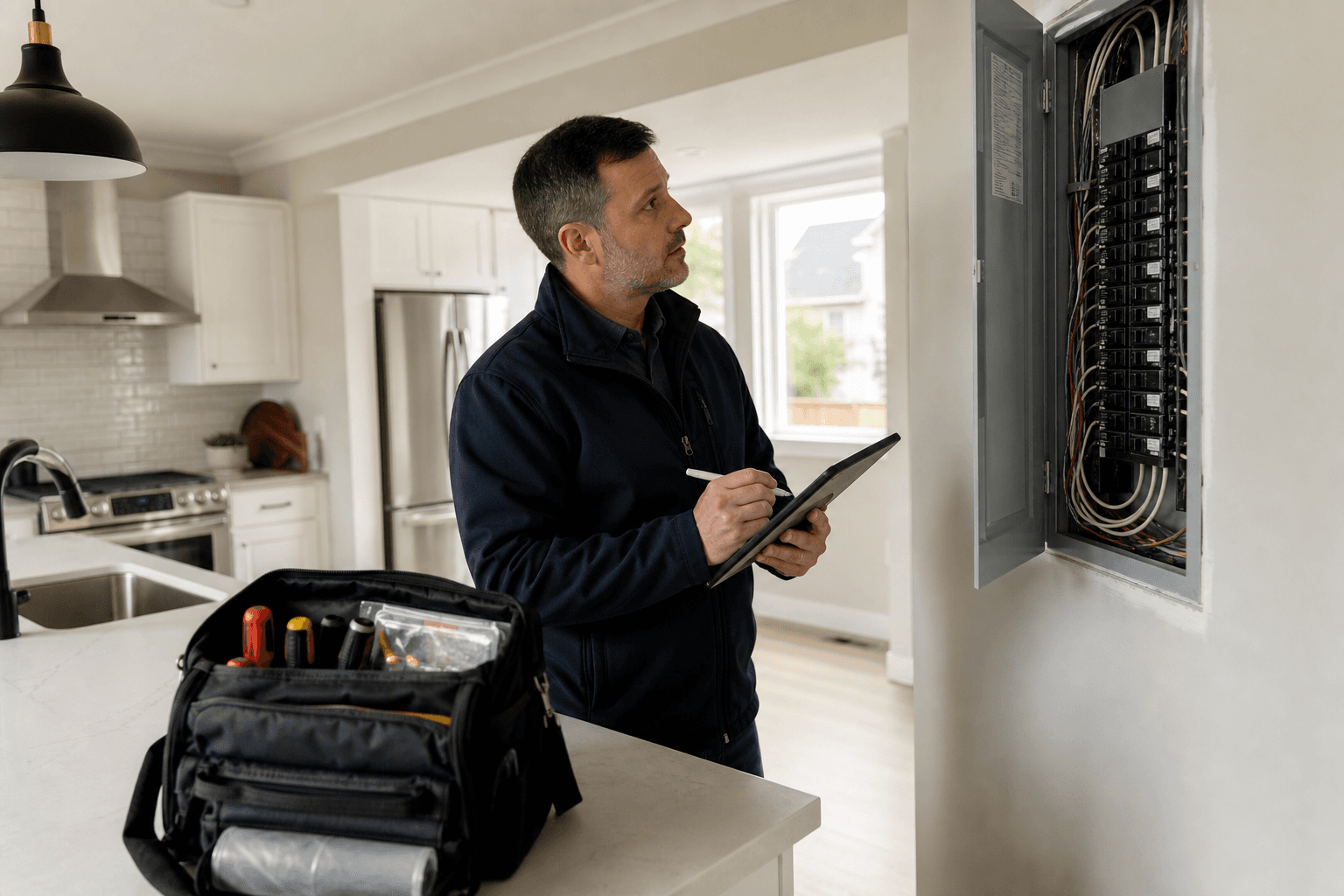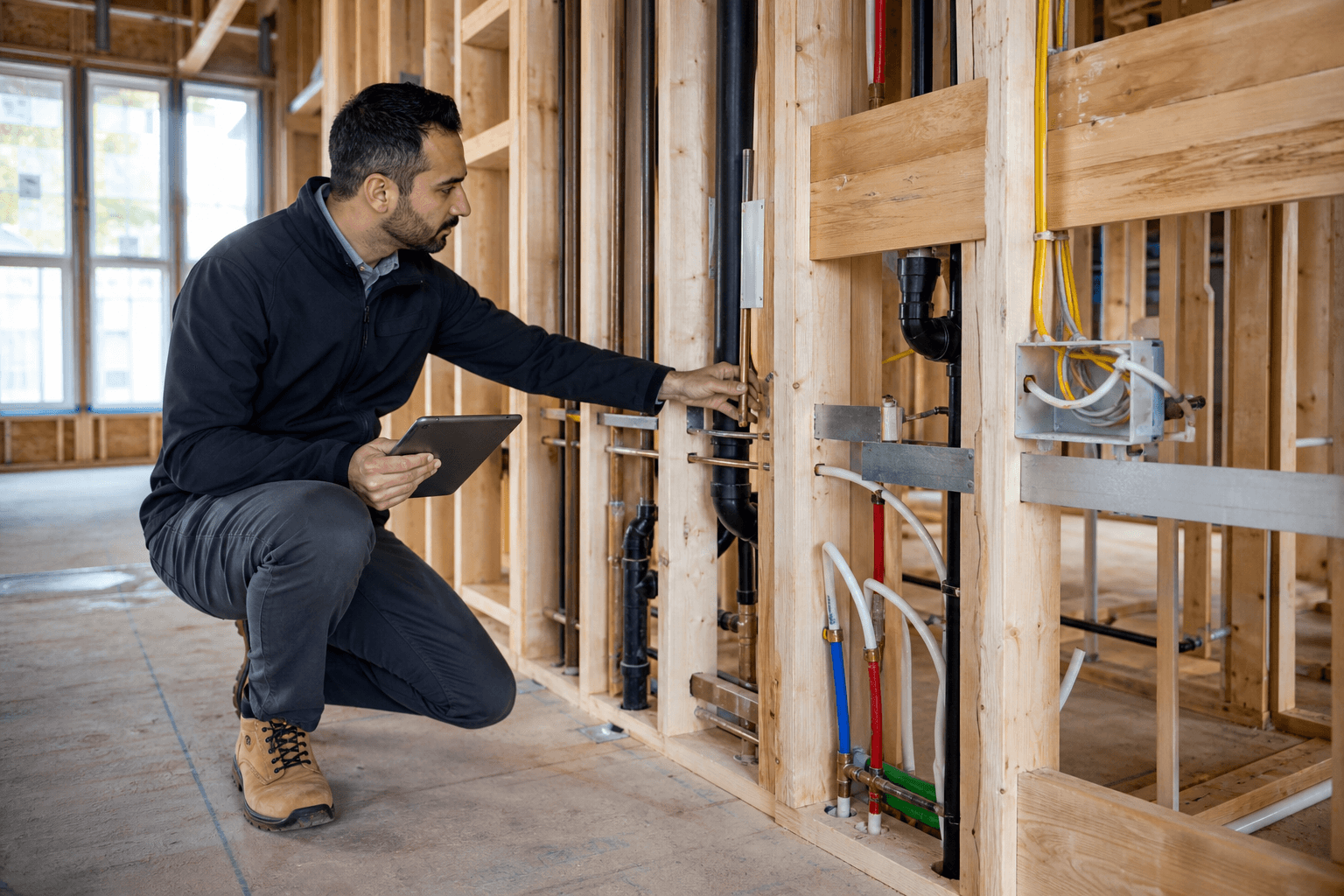
A reliable Toronto move-in condition inspection creates a dated record of a rental property's visible starting condition before ordinary use changes it. A tenant and landlord walkthrough may be enough for a straightforward property, provided it is specific, photo-backed, reviewed, and retained. A professional inspection can add structured observations and a same-day PDF report when damage, moisture, unclear history, or access problems make the baseline harder to establish.
The goal is not to prove the condition of concealed components or guarantee future performance. It is to document what could be observed and accessed at the time, identify concerns for follow-up, and give everyone a clearer starting point.
A walkthrough and a professional move-in inspection are not the same
A basic tenant-landlord walkthrough is a shared review of the unit's condition. It can establish a useful baseline when participants inspect each area carefully, describe visible issues, take dated photos, and retain the final record. CMHC explains that documenting the unit on moving day helps note previous damage and establish a baseline for evaluating normal wear and tear. CMHC's rental inspection guidance provides the broader reason for creating this record.
A professional move-in service is a different option. ASM describes its move-in inspections as documenting accessible conditions before a tenant or occupant settles in, recording visible issues and providing a same-day PDF report within the agreed scope.
| Consideration | Tenant-landlord walkthrough | Professional inspection |
|---|---|---|
| Primary purpose | Create a shared record of visible starting condition. | Provide a structured inspection of agreed, accessible areas and components. |
| Who participates | Usually the tenant and landlord or representative. | A qualified inspector, with access coordinated by the parties. |
| Documentation | Written entries, photos, dates, signatures or review notes. | A formal report with visible observations within the agreed scope. |
| System observations | Basic visual and ordinary operational checks where appropriate. | More systematic observations, without invasive testing or a guarantee of future performance. |
| Best fit | A straightforward unit with cooperative participants and clear condition. | Visible damage, moisture concerns, unclear history, complex access, or a need for structured reporting. |
Move-in documentation mistakes that can weaken the record

Documenting the property after occupancy has already changed it
Waiting several days can make it difficult to distinguish pre-existing issues from changes caused by moving, cleaning, repairs, furniture placement, or ordinary use. The strongest baseline is created during the move-in process, before the property is materially changed.
Record the inspection date and, where useful, the approximate time of each photo or observation. If a repair or cleaning visit happens before the walkthrough is complete, note that event rather than treating the resulting condition as the untouched starting point.
Using vague or undated notes instead of specific descriptions
“Wall damaged” does not tell the reader which wall, where the issue appears, or what was visible. A stronger entry identifies the room and location, describes the observable condition, and points to a dated photo.
Use this formula: location, visible condition, approximate extent, photo reference, and date. For example, “Living room, lower section of north wall, several dark marks near the baseboard, visible in photos 12 and 13, recorded on the walkthrough date.” Avoid guessing at the cause unless a qualified professional has established it.
A move-in inspection checklist can help tenants, landlords, and property managers work room by room instead of relying on memory.
Overlooking water, plumbing, and moisture evidence
Water-related observations deserve deliberate attention because a small visible sign may need follow-up. Look for staining, dampness, musty conditions, peeling finishes, swelling around fixtures, dripping taps, slow drainage, and evidence of past entry around ceilings, windows, exterior walls, basements, and bathrooms.
Check accessible plumbing fixtures and note what was observed during ordinary use. In bathrooms, record the condition around toilets, sinks, tubs, showers, and exhaust fans. In kitchens, inspect visible supply connections, cabinet bases, faucets, drains, and the area below the sink.
Do not describe a stain as proof of concealed damage, mould, or an active leak unless further assessment establishes that conclusion. A visible observation can justify notification or specialist follow-up, but it does not reveal every condition behind a wall or beneath a floor.
Skipping basic electrical, heating, and cooling observations
A move-in record should not focus only on paint and flooring. Note the visible condition of the electrical panel, switches, receptacles, lights, heating equipment, air-conditioning equipment, thermostats, and ventilation where these are accessible and ordinary checks can be made safely.
Record what was observed, such as a missing cover, damaged receptacle, non-functioning light, unusual visible condition, or equipment that was not operating during the walkthrough. Do not remove covers, open equipment, or perform invasive tests simply to complete a checklist.
Heating and cooling observations show condition at the time of inspection, not a promise that a system will work throughout the tenancy. Specialist diagnosis may be appropriate when equipment is unsafe, inaccessible, unusually noisy, leaking, or not functioning as expected.
Ignoring exterior, balcony, entry, or shared-access items
Entry doors, locks, windows, balcony railings, exterior lights, walkways, downspouts, and visible roof edges can affect the condition record. Inspect these items when they are part of the agreed scope and safely accessible. Photograph existing damage such as cracked glazing, damaged screens, loose visible components, staining, or deteriorated surfaces.
Condo residents should distinguish the unit from common elements. A unit walkthrough can document conditions visible from inside or at the unit, but it does not establish the condition of the entire building, its roof, exterior envelope, or reserve fund. Record any shared area that was not accessible instead of silently treating it as inspected.
Leaving access limits, disagreements, or missing signatures unexplained
A report is less useful when it does not say what could not be inspected. List locked rooms, stored items blocking access, weather-related exterior limitations, unavailable utilities, inaccessible equipment, and any component that could not be tested.
Record who attended and whether the tenant, landlord, or representative reviewed the entries. If someone disagrees with a description, include the disagreement as a separate note rather than deleting the original observation. Signatures or written confirmation show that the record was reviewed, but they do not by themselves determine legal responsibility.
A room-by-room Toronto move-in inspection checklist
Use these prompts during a tenant-landlord walkthrough. For every issue, add a clear description, a dated photo where helpful, and a note if the area or item could not be accessed.
- Entry and security: Check the main door, locks, keys, intercom, doorbell, threshold, visible frame damage, and entry lighting.
- Doors and windows: Note cracks, damaged screens, failed-looking seals, difficult operation, locks, handles, blinds, curtains, and visible staining.
- Walls, ceilings, and floors: Record holes, cracks, stains, marks, peeling finishes, lifted flooring, damaged trim, and areas hidden by furniture or stored items.
- Plumbing: Observe drainage, visible connections and cabinet bases, and record leaks, corrosion, swelling, or missing fixtures.
- Electrical: Note the visible panel condition, switches, receptacles, lights, missing covers, damaged plates, and any outlet or fixture that was not tested.
- Heating, cooling, and ventilation: Record the visible condition of equipment, thermostat, filters, vents, fans, and unusual observations during ordinary operation.
- Kitchen: Document counters, cabinets, appliances, sink fixtures, backsplash, flooring, exhaust equipment, and visible damage inside or below cabinets.
- Bathrooms: Inspect the toilet, sink, tub or shower, caulking, flooring, walls, ceiling, mirrors, fixtures, and exhaust ventilation for visible condition and moisture evidence.
- Storage, basement, and utility areas: Note dampness, odours, stains, visible foundation or floor condition, blocked access, and equipment that could not be examined.
- Exterior and balcony: Where accessible, record railings, downspouts, exterior lights, walkways, doors, visible roof edges, surface damage, and items requiring property-manager access.
When is a professional move-in inspection worth considering?
A professional inspection may make sense when the property has visible damage, moisture concerns, an unclear prior condition, multiple occupants, valuable contents, complex systems, or areas that are difficult for the parties to assess together. It can also be useful when the tenant and landlord cannot attend at the same time and need a structured record created within an agreed scope.
The value is not that a professional can see everything. A qualified inspection still concerns visible and accessible conditions, and concealed defects may require specialist investigation. The value is the systematic review, clearer documentation, stated limitations, and a report that can be shared with the relevant parties.
ASM states that it provides certified move-in property inspections across Toronto and the GTA, with visible issues, maintenance concerns, and safety-related observations recorded within the agreed scope. Its service page identifies InterNACHI and CCPIA membership and states that the report is delivered as a same-day PDF. Confirm the property type, access, scope, and current quote before booking.
How to finalize and retain the condition report
Before anyone leaves the walkthrough, review the rooms against the written entries and confirm that the photo files match the descriptions. Add unresolved concerns, inaccessible areas, unavailable utilities, and disagreements while the details are still clear.
Have participants review and date the final record. If both parties do not agree with an entry, preserve the original description and add each person's response. Store the final document and original photographs in more than one secure location, using clear file names that identify the property and inspection date.
For broader move-in planning, a separate Ontario home closing checklist can help organize related documents and handoffs. A condition report supports clarity, but it does not independently decide legal responsibility or replace professional, legal, or technical advice when a serious issue arises.
Frequently asked questions
When should a Toronto move-in condition inspection be completed?
Complete it during the move-in process, ideally before furniture, cleaning, repairs, or normal use obscure the original condition. Record the date and identify changes that occurred before the inspection was finished.
Who should participate in a rental move-in walkthrough?
The tenant and landlord or the landlord's representative should participate when practical. If one party cannot attend, identify who was present, how the report will be shared, and how observations or disagreements will be recorded.
Should both the tenant and landlord sign the condition report?
Both parties should review the report and sign or otherwise confirm the version they received when possible. A disagreement should be noted rather than hidden. A signature confirms review of a record, not that every entry is accepted.
What can a professional move-in inspector assess?
A professional can assess visible and accessible conditions within the agreed scope, including relevant interior areas, fixtures, systems, and observable maintenance or safety concerns. The inspector cannot confirm every concealed condition, perform every specialist test, or guarantee future system performance.
How does a professional move-in inspection differ from a basic walkthrough?
A walkthrough is usually a shared documentation exercise led by the tenant and landlord. A professional inspection adds an independent, systematic review, stated scope and limitations, and a formal report. ASM states that its move-in service provides a same-day PDF report for documented accessible conditions.
Can a move-in inspection identify concealed damage?
No. A move-in inspection records visible and accessible conditions at a particular time. Signs such as staining, dampness, unusual odours, or poor operation may indicate a need for further investigation, but they do not prove what is concealed behind finishes or predict future performance.
Make the starting condition clear before the move begins
The most useful Toronto move-in condition report is completed promptly, uses specific descriptions, includes dated photographs, covers important rooms and systems, and states what could not be accessed or tested. A straightforward walkthrough may meet the need when the property is clear and participants can document it carefully. A professional inspection is worth considering when the condition is disputed, moisture or damage is visible, access is complicated, or a structured same-day report would provide needed clarity.
For a certified move-in inspection in Toronto or the GTA, contact Asmhomeinspection to discuss the property, timing, agreed scope, and reporting needs.