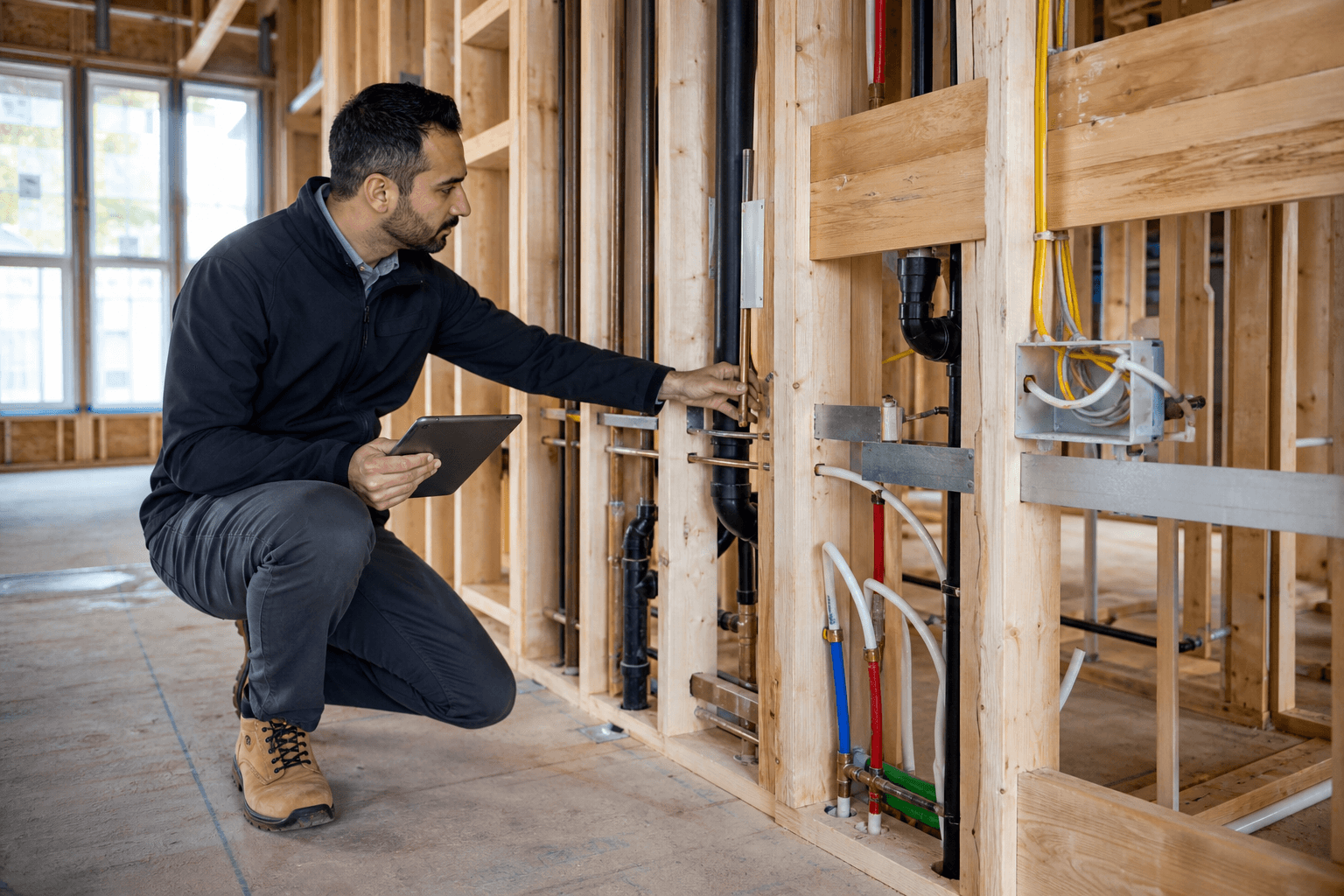
If you are searching for a pre-purchase inspection checklist in Toronto, this article is about residential property, not vehicle inspections. Use the checklist to prepare for a professional review, understand the likely scope, and ask better questions before finalizing a purchase. It should not replace an inspection by a qualified professional.
Ontario describes a home inspection as an on-site, in-person visual examination of major elements and systems, including the foundation, roof, attic ventilation, plumbing, electrical, heating, air conditioning, and drainage. Before booking, review choosing a pre-purchase inspection, including the inspector’s credentials, scope, reporting process, and optional testing.
Quick summary

- Review seven areas: structure and foundation, roof and attic, exterior and drainage, plumbing, electrical, HVAC, and interior safety and moisture indicators.
- Separate visible conditions from concealed problems, destructive investigation, and specialist testing.
- Ask what areas will be accessible, what is excluded, whether add-ons are available, and when the report will arrive.
- Use the report to prioritize safety, active moisture, structural concerns, major repairs, and routine maintenance.
- Get specialist opinions or contractor estimates when findings are complex or could materially affect your purchase decision.
1. Structure and foundation
Look for significant cracks, bowing walls, settlement patterns, damaged masonry, or water collecting near the foundation. Inside, note sloping floors, sticking doors, binding windows, or cracks around openings. These observations do not prove structural failure, but each deserves context.
A professional residential home inspection reviews accessible foundation and structural components and documents visible deficiencies. The inspector considers the location, pattern, size, and apparent significance of observations. Confirm the pre-purchase inspection scope in advance so you understand which areas can be evaluated.
Escalate the issue when there is substantial movement, persistent water entry, unusual deflection, or a finding that cannot be characterized through visual inspection. A structural engineer, foundation specialist, or waterproofing professional may be needed. A general inspection is not an engineering opinion or a guarantee about future movement.
2. Roof and attic

From safe, accessible positions, look for missing or damaged roofing materials, deteriorated flashing, exposed fasteners, damaged vents, moss, debris, and signs of water entry. Ask whether the roof can be safely accessed and how it was evaluated. A roof inspection describes observable condition, but it does not establish exact remaining service life.
In the attic, stains, damp insulation, mould-like growth, damaged sheathing, blocked vents, or disturbed insulation may indicate moisture or ventilation concerns. Some roof surfaces and attic spaces cannot be safely or fully accessed.
If there is active leakage, extensive staining, or a roof system requiring specialized assessment, arrange follow-up with a qualified roofing professional. The report should distinguish visible evidence from assumptions about the source or age of damage.
3. Exterior, grading, and drainage
Examine siding, exterior walls, windows, doors, decks, porches, railings, steps, gutters, downspouts, and visible penetrations. Look for rot, loose materials, failed caulking, damaged frames, trip hazards, and places where water could enter. Check whether downspouts discharge close to the foundation.
Grading and drainage deserve particular attention because water moving toward the building can contribute to basement dampness, masonry deterioration, and other damage. ASM emphasizes identifying moisture intrusion early because it can contribute to structural damage and occupant safety risks. A professional inspection can document visible drainage conditions, but it cannot confirm every underground condition.
Ask for specialist input if you see recurring ponding, major grading problems, failed retaining structures, extensive masonry damage, or unexplained water entry. Depending on the finding, the next professional may be a drainage contractor, mason, waterproofing specialist, or structural engineer.
4. Plumbing and water management
Check under sinks, around toilets, near tubs and showers, beside laundry equipment, and around the water heater for drips, staining, corrosion, damaged cabinets, or damp materials. Note whether fixtures operate, drains flow, shutoff valves are visible, and exposed piping appears damaged.
A professional inspector can review accessible plumbing systems and fixtures and report observable leaks, deterioration, installation concerns, or water-related damage. This is not the same as a sewer-camera inspection, pressure test, hidden-leak investigation, or destructive examination behind finished walls.
Request specialist follow-up when drains repeatedly back up, water pressure is unusual, unexplained odours or stains appear, the sewer line is a major concern, or a concealed leak is suspected.
5. Electrical system and safety
Look at the electrical panel, visible wiring, switches, receptacles, lighting, and exterior electrical components. Watch for damaged covers, exposed conductors, scorch marks, loose receptacles, missing faceplates, or extension cords used as permanent wiring. Do not remove panel covers or attempt repairs yourself.
A general inspection can identify visible safety concerns within its agreed scope, but it is not automatically a formal electrical assessment, certification, or code-compliance determination.
Ask a licensed electrical professional to investigate overheating evidence, damaged service equipment, suspected unsafe wiring, repeated tripping, or questions about capacity for planned renovations.
6. Heating, cooling, and ventilation
Find the furnace, boiler, heat pump, air conditioner, ventilation equipment, filters, thermostats, and visible distribution components. Record model information when safely available, and note unusual sounds, damaged cabinets, blocked vents, disconnected ducts, corrosion, or poor airflow.
A professional inspection may operate systems using normal controls when conditions permit and report visible defects or apparent performance concerns. It does not guarantee remaining equipment life or replace a detailed HVAC evaluation.
Arrange HVAC follow-up if equipment is not operating, combustion or exhaust concerns exist, refrigerant problems are suspected, heating or cooling is uneven, or replacement cost could affect your budget.
7. Interior safety and moisture indicators
Inspect walls, ceilings, floors, windows, doors, stairs, railings, cabinets, insulation, and basement finishes. Look for stains, bubbling paint, musty odours, warped flooring, condensation, soft materials, damaged seals, loose railings, missing guards, and uneven transitions.
These clues can identify safety and maintenance priorities, but they do not always reveal the source or extent of a problem. A visual, non-invasive inspection may document evidence without opening walls, lifting finishes, or diagnosing mould, radon, asbestos, or other specialized concerns.
Use the pre-purchase inspection benefits to connect findings to safety action, further investigation, repair budgeting, or routine maintenance. Ask for specialist testing when moisture is unexplained, odours persist, materials appear contaminated, or the potential cost is significant.
What each type of inspection can tell you
| Option | What it can establish | What it cannot establish |
|---|---|---|
| Buyer self-review | Visible clues, access issues, and questions to discuss. | A professional assessment, concealed conditions, or reliable repair costs. |
| Professional visual inspection | Accessible major systems, visible deficiencies, safety concerns, and maintenance priorities. | Every concealed defect, destructive investigation, exact remaining life, or specialist opinion. |
| Specialist follow-up | Focused technical evaluation, testing, diagnosis, or estimates. | A substitute for reviewing the entire property or a guarantee that no other issues exist. |
Before booking: compare the inspector, scope, and report
- Credentials: Ask about training, professional memberships, residential experience, and familiarity with the property type.
- Scope: Confirm coverage of structure, roofing, attic, exterior, drainage, plumbing, electrical, heating, cooling, insulation, and interiors.
- Access and exclusions: Ask how locked, occupied, seasonal, unsafe, or inaccessible areas will be handled.
- Optional services: Confirm whether sewer cameras, thermal imaging, mould-related testing, or radon testing are included or separate.
- Attendance: Ask whether you can attend and how findings will be explained.
- Report timing: Confirm format, photographs, recommendations, delivery time, and whether a same-day PDF inspection report is available.
- Property details: Provide the address, property type, approximate size, age, visible concerns, and transaction deadlines.
How to use the inspection report before you buy
Do not treat every item as equally urgent. Separate immediate safety concerns, active moisture, and possible structural issues from ordinary wear, deferred maintenance, and longer-term improvements.
For significant findings, ask what was observed and what remains uncertain, then obtain a specialist opinion or contractor estimate. Advisers can help you understand how documented findings fit into purchase terms, budget, and timing. The report supplies information for those conversations, but it does not guarantee a negotiation result.
Frequently asked questions
Does a checklist replace hiring an inspector?
No. It helps you notice visible concerns and compare providers, but it cannot provide a systematic professional review or assess concealed components.
What should Toronto condo buyers include?
Review the unit’s accessible interiors, plumbing, electrical, HVAC, windows, doors, moisture indicators, and safety concerns. Also clarify what falls under the condominium corporation’s responsibility and review relevant building records with your advisers.
Are sewer cameras, mould testing, or engineering assessments standard?
Not automatically. These focused services may require separate equipment, qualifications, or professionals. Ask what is included, optional, or excluded.
What if the report identifies moisture or structural problems?
Ask what was visible and what remains uncertain. Obtain an appropriate specialist assessment or estimate before deciding if the issue could affect safety, cost, or suitability.
Conclusion: use the checklist to make the inspection more useful
A strong pre-purchase home inspection checklist focuses your questions on structure, roofing, drainage, plumbing, electrical, HVAC, and interior safety and moisture indicators. The essential distinction is between an observable condition, a diagnosis, a specialist test, and a promise about future performance.
Compare credentials, scope, access limitations, optional services, attendance, and report timing before booking. Afterward, prioritize safety, moisture, structural concerns, and major repairs, then seek focused professional input where necessary.
For a residential pre-purchase inspection across Toronto and the GTA with a same-day PDF report, contact Asmhomeinspection to confirm property details, scope, and scheduling options.