If you’re facing tight timelines, a same day inspection report can be the difference between moving forward confidently and second-guessing a big decision. This article explains what a rapid-turnaround inspection report typically includes, how to prepare so the report is as complete and useful as possible, and how to interpret the findings quickly—without missing important details. You’ll also find a checklist of questions to ask and common pitfalls to avoid when speed matters.
What a same day inspection report covers
While formats vary by provider, most residential and commercial property inspection reports organize findings system-by-system and prioritize safety concerns. A same day inspection report typically summarizes:
- Exterior and site conditions: grading and drainage patterns, driveways and walkways, exterior walls and cladding, decks and porches, railings, steps, and visible foundation surfaces.
- Roof and attic: roofing materials and condition, flashing, gutters and downspouts, attic ventilation and insulation, and any visible moisture intrusion or staining.
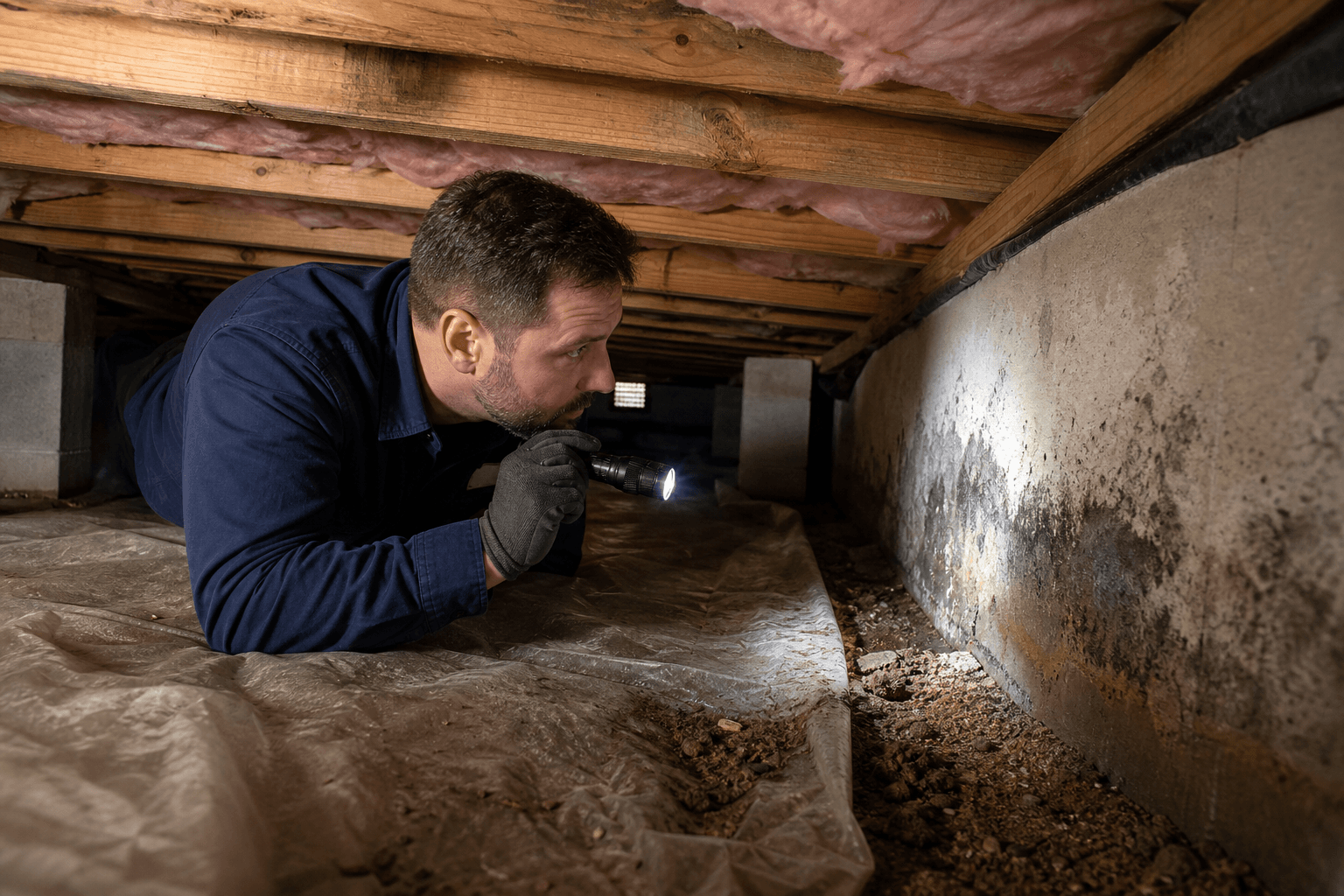
- Structure and foundation: visible framing components, signs of movement or settlement, floor and wall alignment, and accessible crawlspaces or basements.
- Plumbing: visible supply and drain lines, fixtures, functional flow at taps, water heater age/observations, and signs of active or past leaks.
- Electrical: service drop and meter (where applicable), main panel and subpanels, representative outlets and switches, GFCI/AFCI test results where observed, and noted safety concerns.
- HVAC: heating and cooling equipment observations, accessible ductwork, thermostat operation, and general ventilation notes.
- Interior: representative windows and doors, floors, walls, and ceilings, kitchen and bath finishes, cabinets, stairs and guard/handrails.
- Moisture indicators: visible staining, musty odors, efflorescence, or elevated moisture readings where checked, plus any conditions conducive to moisture intrusion.
- Safety items: smoke/CO alarm presence where observed, trip hazards, missing handrails, exposed wiring, or other urgent concerns.
Expect clear labels like “Major defect,” “Defect,” “Maintenance item,” and “Monitor.” Many reports include photos, brief explanations of implications, and suggested next actions such as further evaluation by a licensed specialist.
Benefits and tradeoffs of same-day delivery
Speed is the headline benefit, but it helps to understand what you gain—and what to watch for:
- Benefits
- Faster decisions: Aligns with tight option/offer windows so you can act while opportunities are open.
- Clear documentation: Photos and written notes organize findings for you and other stakeholders.
- Negotiation-ready: Quickly surface material issues for price, credit, or repair discussions.
- Potential tradeoffs
- Limited scope vs. time: Inspections are non-invasive and time-bound; some areas may be inaccessible during a single visit.
- Follow-up needs: Significant findings may require further evaluation (e.g., structural engineer, licensed electrician, roofer) before you finalize decisions.
- Seasonal/operational constraints: Some systems can’t be operated under certain conditions (e.g., AC in very cold weather), and the report should note any such limitations.
Same-day delivery doesn’t (and shouldn’t) cut corners. A good report pairs timely turnaround with clear notes on what was observed, what wasn’t, and why.
How to prepare for a same-day report
Preparation improves the quality and completeness of what lands in your inbox the same day. Use this checklist before the appointment:
- Confirm access: Ensure keys, lockbox codes, utility rooms, garage, attic hatches, crawlspaces, and electrical panels are accessible. Ask the seller or property manager to unlock areas and remove obstructions where reasonable.
- Request disclosures in advance: Prior reports, receipts for recent repairs, permits, warranties, and known-issue disclosures help the inspector focus and provide context.
- List your concerns: Share any red flags you’ve noticed (e.g., ceiling stains, sloping floors, flickering lights) so they’re addressed during the visit.
- Clarify excluded/limited items: Ask the inspector to outline what won’t be inspected (e.g., pool equipment, detached structures) or what will be limited by conditions.
- Plan to attend if allowed: A walk-through at the end helps you see issues firsthand and ask clarifying questions that make the same day inspection report easier to digest.
How to read and use the report
When speed matters, it’s tempting to skim. Instead, use this approach to move fast without overlooking important details:
- Start with the summary: Many reports include a condensed list of major concerns. Flag anything labeled safety, active leak, structural movement, electrical hazard, or roof failure.
- Review photos and captions: Photos are anchors. Captions often describe location, severity, and why the issue matters.
- Note any “further evaluation” items: These call for a specialist. Begin scheduling right away to keep your timeline intact.
- Check limitations and inaccessible areas: If a room, roof section, or panel wasn’t accessible, decide whether you need a re-inspection or seller-provided access before proceeding.
- Prioritize action items: Create three buckets: Safety/urgent, Significant/near-term, and Maintenance/monitor. This helps with negotiations and planning.
- Share selectively with stakeholders: Provide relevant sections to your agent, contractor, or property manager to accelerate quotes and decisions.
For negotiations, focus on documented, material defects—especially those with clear safety or functional implications. When requesting credits or repairs, cite the report’s exact finding, include the photo reference, and request a licensed professional for any repair you accept.
Common pitfalls and how to avoid them
- Overreliance on the summary: Summaries simplify, but details live in the full text and photos. Always read the sections tied to summary items.
- Ignoring limitations: A non-inspected attic, inaccessible panel, or snow-covered roof can hide issues. If a limitation affects your risk tolerance, arrange access and follow-up.
- Accepting vague repair notes: “Fix as needed” isn’t enough. Ask for scope: what, where, by whom, and how verification will occur.
- Skipping verification of fixes: If the seller performs repairs, request invoices from licensed contractors and, where appropriate, a re-check before closing or turnover.
- Not distinguishing age vs. defect: Older components aren’t automatically defective. Focus negotiations on safety, functionality, and end-of-life risks documented in the report.
When a supplemental evaluation makes sense
Some findings are best resolved with targeted assessments. Consider bringing in specialists when the report notes:
- Structure: Signs of significant settlement, deflection, or damaged load-bearing elements—consult a structural engineer.
- Electrical hazards: Overheating conductors, double taps at breakers, undersized service, or aluminum branch wiring—consult a licensed electrician.
- Roof leaks or widespread wear: Active leaks, deteriorated flashing, or aged coverings—consult a qualified roofing contractor.
- Plumbing issues: Galvanized or polybutylene supply lines, persistent low pressure, sewer concerns—consult a licensed plumber or arrange a sewer scope (where applicable).
- Moisture intrusion: Elevated moisture readings, efflorescence, musty odors, or visible mold-like growth—consult appropriate moisture remediation or building-envelope professionals.
- HVAC performance concerns: Unusual noises, poor temperature differential, or deferred maintenance—consult a licensed HVAC technician.
Quickly scheduling these evaluations keeps momentum while ensuring you don’t inherit costly or unsafe conditions.
Questions to ask your inspector
Use these questions to clarify findings and plan next steps the same day you receive the report:
- Which three items on this report are most urgent from a safety or active-damage perspective, and why?
- Are there any limitations or inaccessible areas that you recommend re-inspecting before I proceed?
- For each item labeled “further evaluation,” which type of specialist should I contact first?
- What evidence indicates a current leak or moisture intrusion versus a past, inactive stain?
- If I can only negotiate a few items, which would you prioritize for function, safety, or significant cost impact?
- Can you describe the typical service life of the roof/HVAC/water heater given the observed condition, and what maintenance would be prudent now?
A fast negotiation playbook
When time is short, a methodical approach helps you secure meaningful outcomes:
- Group issues by impact: Safety, active damage, and core systems usually carry the most weight.
- Request clarity in writing: Reference the exact report item and photo when asking for a repair or credit.
- Prefer licensed contractors: Where repairs are accepted, ask for invoices and, if reasonable, a short re-inspection or documentation showing completion.
- Use quotes strategically: For larger items, obtain at least one written estimate quickly to inform negotiations.
- Set deadlines: Align repair or credit responses with your contingency timeline to avoid last-minute pressure.
Organizing your next steps
Turn your same day inspection report into a clear action plan:
- Create a single list of action items with owners (you, seller, contractor) and target dates.
- Schedule any specialist evaluations the report recommends.
- Coordinate access for re-inspections or contractor visits.
- Track documents: estimates, invoices, warranties, permits, and final photos.
- Before finalizing, confirm that safety-critical items are addressed to your satisfaction.
FAQ
What makes a same day inspection report reliable if it’s delivered so quickly?
Reliability comes from a structured, system-by-system process; clear documentation (photos with captions); and transparent notes on limitations. The speed of delivery doesn’t replace thoroughness—good reports state what was observed, what wasn’t, why, and which items need specialist follow-up.
Can I base negotiations solely on the summary page?
Use the summary to orient quickly, but always read the full sections tied to summary items. Context matters: photos, location details, and limitation notes help you request the right remedy and avoid disputes over scope.
What if a key area wasn’t accessible during the inspection?
Inaccessible areas are a common limitation. If an attic, crawlspace, electrical panel, or a section of roof couldn’t be inspected, consider arranging access and a focused re-check. If your timeline can’t accommodate that step, weigh the risk carefully when deciding how to proceed.
Do I need specialist evaluations even after a comprehensive report?
Often, yes. Home and commercial inspections are visual and non-invasive by nature. When an inspector flags structural, electrical, roofing, plumbing, HVAC, or moisture concerns for further evaluation, engaging a licensed specialist is the prudent next step.
Is it normal for reports to include maintenance items alongside defects?
Yes. Most reports distinguish between safety or significant defects and routine maintenance. Maintenance items help you plan budgets and upkeep; they don’t necessarily warrant negotiation unless they also affect safety or function.