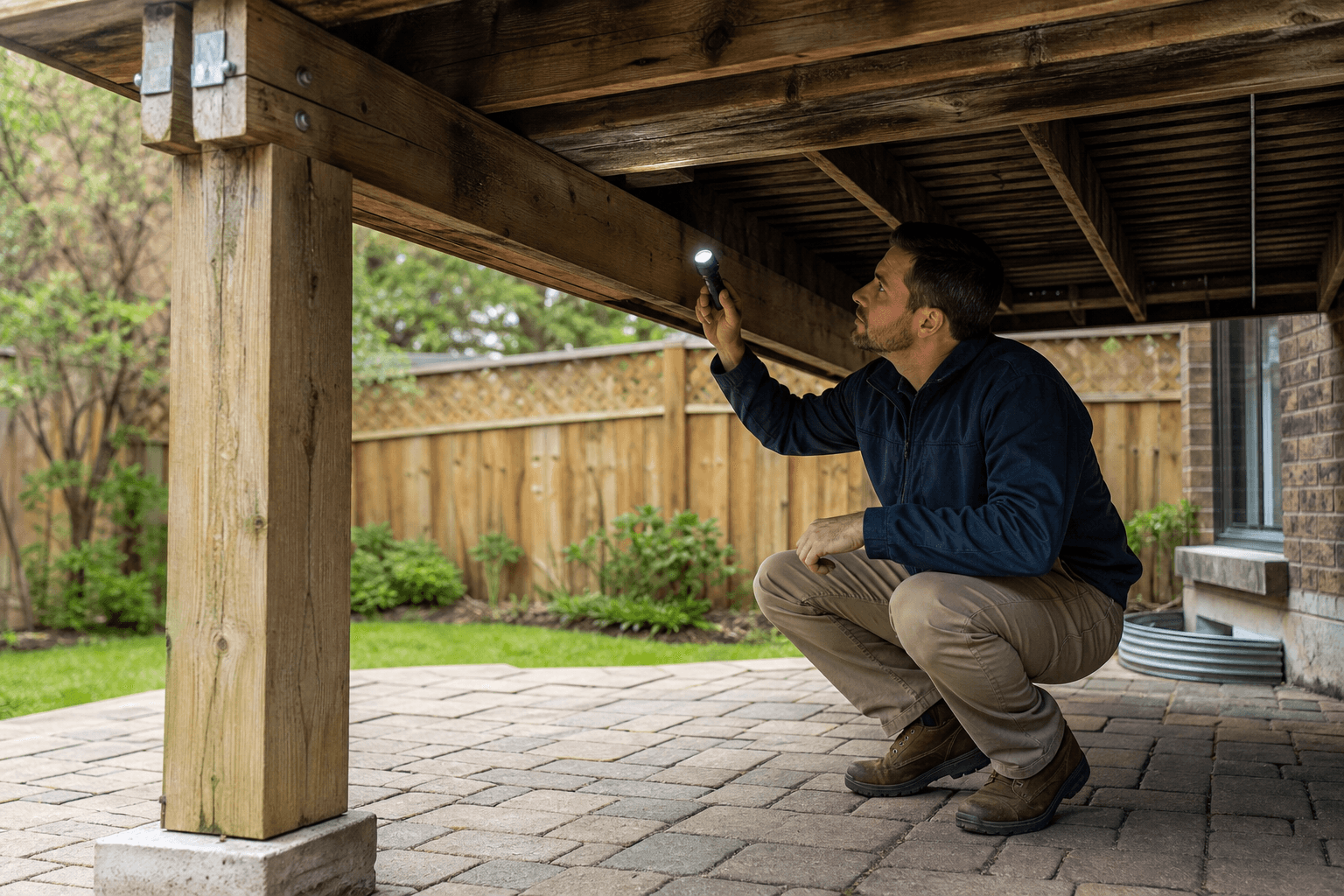
A same-day home inspection report can support a time-sensitive property decision, but speed is only useful when the report explains what was observed, where it was observed, and what could not be assessed. A useful report combines written observations, relevant photos, system-by-system findings, and clear limitations.
Whether you are buying, selling, renting, managing, or investing in a property, treat the PDF as a decision document rather than a guarantee. For additional preparation advice, review this guidance on same-day report pitfalls and next steps.
Quick summary

- Confirm access to the attic, basement, garage, utility areas, electrical panel, and other agreed inspection spaces.
- Read priority findings first, then use photos and location notes to understand each issue.
- Separate urgent concerns, specialist follow-up, routine maintenance, and monitoring items.
- Review limitations before assuming that an area or component was fully assessed.
- Ask qualified professionals for diagnosis, repair pricing, engineering opinions, or legal advice when the report recommends it.
What a same-day home inspection report should contain
Rapid delivery should describe when you receive the report, not reduce the amount of useful information it contains. A clear same-day PDF should identify the property and inspection scope, summarize significant observations, connect findings to locations, and explain limitations that affected the inspection.
In Ontario, a home inspection report generally describes the condition of major systems and components as observed at the time of inspection. The Ontario home-buying guidance makes clear that the report concerns observed condition, not future performance.
Look for photographs that help locate each observation, plain-language explanations, and enough context to understand whether an item needs immediate attention, repair planning, maintenance, or further investigation. Ontario's Home Inspection Act also sets reporting requirements for licensed home inspectors, so ask how the inspection and report will address the agreed scope.
A home inspection report is easier to use when it organizes findings by system and gives you a practical order for reviewing priorities, photos, limitations, and recommendations.
The property areas to review

The exact scope depends on the property, access, visible conditions, and inspection agreement. A residential inspection commonly considers accessible components across these areas.
Exterior and roof
Review observations about the building envelope, accessible roofing, flashing, drainage features, gutters, downspouts, exterior walls, windows, doors, porches, decks, and related visible components. The report may identify conditions needing maintenance or qualified follow-up, but it does not necessarily establish a roof's remaining service life or reveal concealed damage.
Structure and foundation
Look for notes about accessible foundation areas, structural supports, floors, walls, ceilings, cracks, settlement indicators, or moisture marks. These observations can help you decide whether to ask a structural professional for further assessment. They should not be treated as an engineering opinion unless one was separately provided by an appropriately qualified professional.
Plumbing and electrical systems
Plumbing observations may address accessible supply lines, fixtures, drains, visible leaks, and water-heating equipment. Electrical observations may cover accessible panels, visible wiring, receptacles, lights, and apparent operating conditions. A report can identify concerns to investigate, but it is not a substitute for specialized electrical, plumbing, or code advice.
Heating, cooling, attic, basement, and interiors
Read the sections covering heating and cooling equipment, insulation, ventilation, attic areas, basements, kitchens, bathrooms, stairs, railings, cabinets, floors, walls, ceilings, windows, and doors. Pay close attention to access notes. A blocked attic hatch, locked utility room, or unavailable power can limit what the inspector observes.
What the report can help you decide, and what it cannot
The most useful question is not whether the report lists every possible defect. It is whether the documented observations help you choose a sensible next step.
| The report can help you | You may still need |
|---|---|
| Prioritize visible safety concerns or apparent active damage. | A qualified trade, engineer, or specialist to diagnose the cause and recommend a remedy. |
| Ask a seller, landlord, contractor, or property manager specific questions. | Invoices, permits, warranties, documentation, or legal advice to verify responsibility or compliance. |
| Plan routine maintenance and compare visible conditions across properties. | Specialist testing or monitoring when a condition is concealed, intermittent, or outside the scope. |
| Record accessible move-in conditions for discussion between an owner and occupant. | Advice about lease terms, tenant obligations, deposits, or disputes. |
| Decide which findings deserve further investigation before a transaction or repair plan advances. | Independent cost estimates and professional opinions about suitability, design, or future performance. |
Do not read a same-day PDF as a warranty, safety certification, or promise that every hidden condition has been detected. The report describes observations made within an agreed scope and under conditions present at the inspection time.
Prepare the property before the inspection
Preparation affects the usefulness of any inspection, especially when a transaction or move-in schedule is tight. Before the appointment, confirm which areas will be inspected and remove reasonable access barriers.
- Arrange entry: Confirm keys, lockbox access, building access, parking, and permission to enter shared or restricted areas.
- Open important spaces: Provide access to the attic, basement, garage, crawlspace where applicable, utility room, storage areas, and electrical panel.
- Keep utilities available: Ask whether water, electricity, fuel, heating, and cooling systems need to be operating for the agreed scope.
- Reduce obstructions: Move stored items away from panels, fixtures, equipment, foundation walls, and other areas that need to be viewed.
- Share relevant context: Provide known concerns, repair information, prior reports, warranties, permits, or renovation details when available.
- Confirm special areas: Ask in advance about detached structures, commercial spaces, condominium access, tenant-occupied rooms, or components outside a standard residential scope.
If an area is inaccessible, the report should say so. An unobserved area cannot be treated as fully assessed.
Read the PDF in the right order
When time is limited, avoid jumping straight to isolated photographs or repair estimates. Use a consistent sequence so you understand both each finding and its context.
- Start with the summary and priority findings. Note items that may affect safety, active water intrusion, essential services, or the immediate transaction decision.
- Locate each finding in the photographs. Check room names, exterior elevations, equipment labels, and other location details. A photograph should clarify the observation, not replace the written explanation.
- Read the system-by-system sections. Review exterior, roof, structure, plumbing, electrical, HVAC, attic, basement, and interior observations.
- Review limitations and exclusions. Confirm what was inaccessible, not tested, concealed, seasonal, disconnected, or outside the agreed scope.
- Make a question list. Ask the inspector to clarify wording, location, severity, or recommended follow-up. Do not turn an observation into a diagnosis without supporting professional advice.
For a deeper explanation of report structure, photos, priority tags, and next steps, see the guidance on reading inspection findings.
Classify findings before deciding what to do
Classification helps prevent two common mistakes: treating every maintenance note as an emergency, or dismissing a potentially serious concern because it appears beside routine observations.
Urgent safety or active damage concerns
These may include apparent immediate hazards, active water entry, unsafe access conditions, or failures affecting essential services. Confirm the appropriate response with the inspector and, where necessary, contact the relevant qualified professional promptly.
Repair or specialist follow-up
Some observations require a trade, engineer, environmental professional, or other specialist to determine the cause, extent, repair method, or compliance implications. Ask for the recommended type of follow-up rather than assuming that a general inspection provides that conclusion.
Routine maintenance
Maintenance items may not prevent a purchase or occupancy, but they still belong in your ownership plan. Group them by system, estimate timing with qualified contractors, and keep the report as a baseline.
Monitoring
Some conditions are best watched over time when the report does not establish a definitive cause or access was limited. Record the location, photograph, date, and suggested review interval, then seek advice if the condition changes.
Use the report according to your role
- Buyers: Focus first on safety, moisture, structure, major systems, access limitations, and findings that could affect your decision or require specialist estimates.
- Sellers: Use the report to understand visible conditions before listing, organize repair priorities, and discuss next steps with your agent and contractors.
- Landlords and tenants: Confirm that the report records accessible move-in conditions, photographs, and dates. A move-in report does not replace the lease or legal advice.
- Investors and commercial clients: Confirm the property type, areas, systems, and scope covered. Commercial buildings can require a tailored inspection plan and separate specialist assessments.
- Real estate professionals: Use the PDF to coordinate questions and timelines while ensuring clients understand the difference between observed conditions and advice outside the inspection scope.
For occupants and owners who need a documented starting condition, a move-in inspection can record accessible conditions before occupancy and provide a same-day PDF for shared reference.
Common same-day report pitfalls
- Assuming speed means completeness: A fast report is useful only when you understand its scope and limitations.
- Leaving areas inaccessible: Locked rooms, blocked panels, stored items, and unavailable utilities can reduce available observations.
- Confusing an observation with a diagnosis: A visible stain, crack, or unusual sound may need specialist investigation before its cause is known.
- Ignoring limitations: An item marked inaccessible or not tested remains an open question.
- Using one report for every decision: Purchase, listing, move-in, maintenance, and commercial objectives can require different scopes.
- Acting before asking questions: Clarify location, context, urgency, and recommended follow-up before negotiating or authorizing repairs.
Questions to ask before booking
- What property types and systems are included in the agreed scope?
- Which areas must be accessible, and what happens if an area cannot be inspected?
- Will the report be delivered as a PDF on the same day?
- Will it include photographs, written observations, limitations, and recommendations?
- How are urgent concerns distinguished from maintenance or monitoring items?
- What credentials, experience, or professional memberships does the inspector hold?
- Does pricing vary by property type, size, location, or scope?
- What should you do if the report recommends a trade, engineer, or other specialist?
- For a condominium, rental, or commercial property, who will arrange access to restricted areas?
Frequently asked questions
What does a same-day home inspection report usually include?
It should explain the inspection scope and limitations, then organize accessible observations across major areas such as the exterior, roof, structure, plumbing, electrical, heating, cooling, attic, basement, and interiors. A useful report connects written findings with photographs and locations.
Is a same-day inspection report as reliable as a report delivered later?
Delivery speed alone does not determine usefulness. Reliability depends on the inspector's work, the agreed scope, property access, documentation quality, and clarity of limitations.
Can a home inspection report identify every hidden defect?
No. A general inspection describes accessible and observable conditions within its scope. Concealed, intermittent, inaccessible, or specialized conditions may require additional assessment.
What should I do if the report recommends specialist follow-up?
Ask what type of professional is appropriate and what question that professional should answer. Obtain an independent assessment or estimate before making a decision that depends on cause, extent, cost, safety, or compliance.
Is a move-in inspection report the same as a pre-purchase inspection report?
Not necessarily. Both may document accessible conditions, but their purposes and scopes can differ. A move-in inspection commonly establishes a dated condition record, while a pre-purchase inspection supports a buyer's property decision.
What should I confirm before booking a same-day PDF inspection report?
Confirm the property type, scope, access requirements, report format, delivery timing, limitations, pricing variables, and process for asking follow-up questions.
Use speed to organize the next decision
The best same-day home inspection report does more than arrive quickly. It gives you a clear record of accessible conditions, photographs, system-by-system observations, limitations, and practical priorities. Prepare access, read the summary and photos first, classify findings carefully, and obtain specialist advice when a general observation is not enough.
ASM provides certified residential and commercial inspections across Toronto and the GTA, with photo-rich same-day PDF reporting for documented findings within the agreed scope. To discuss an inspection, contact Asmhomeinspection.