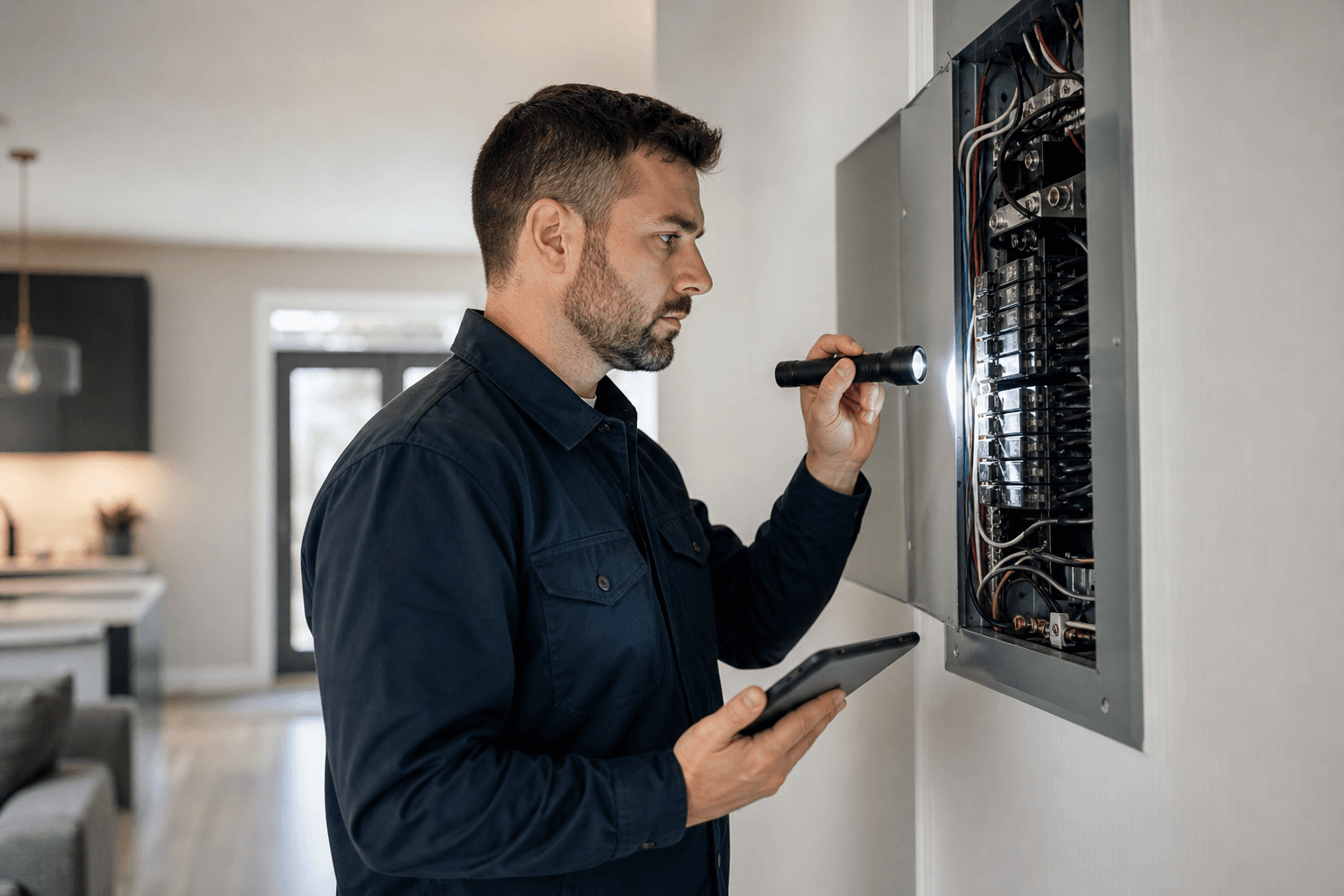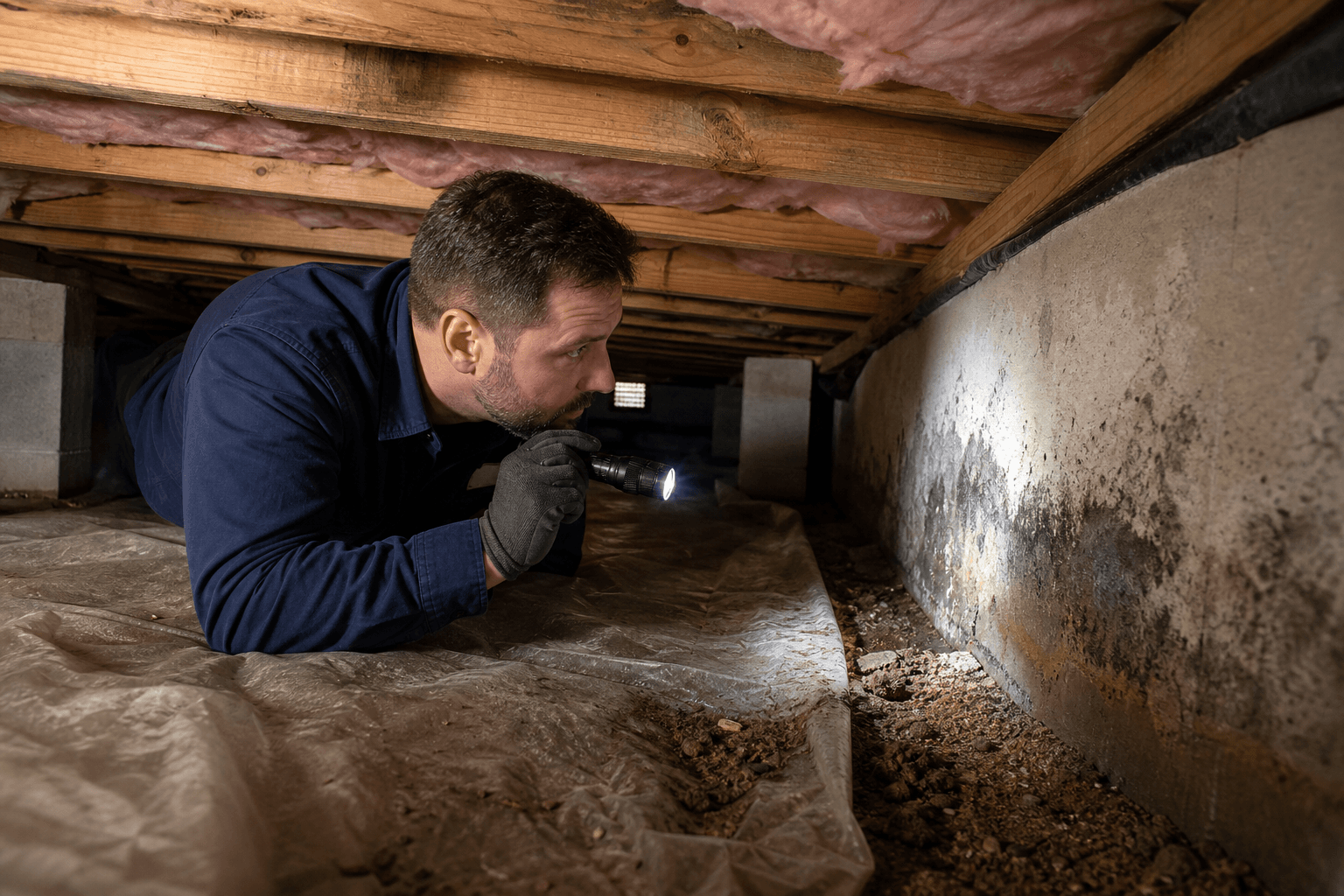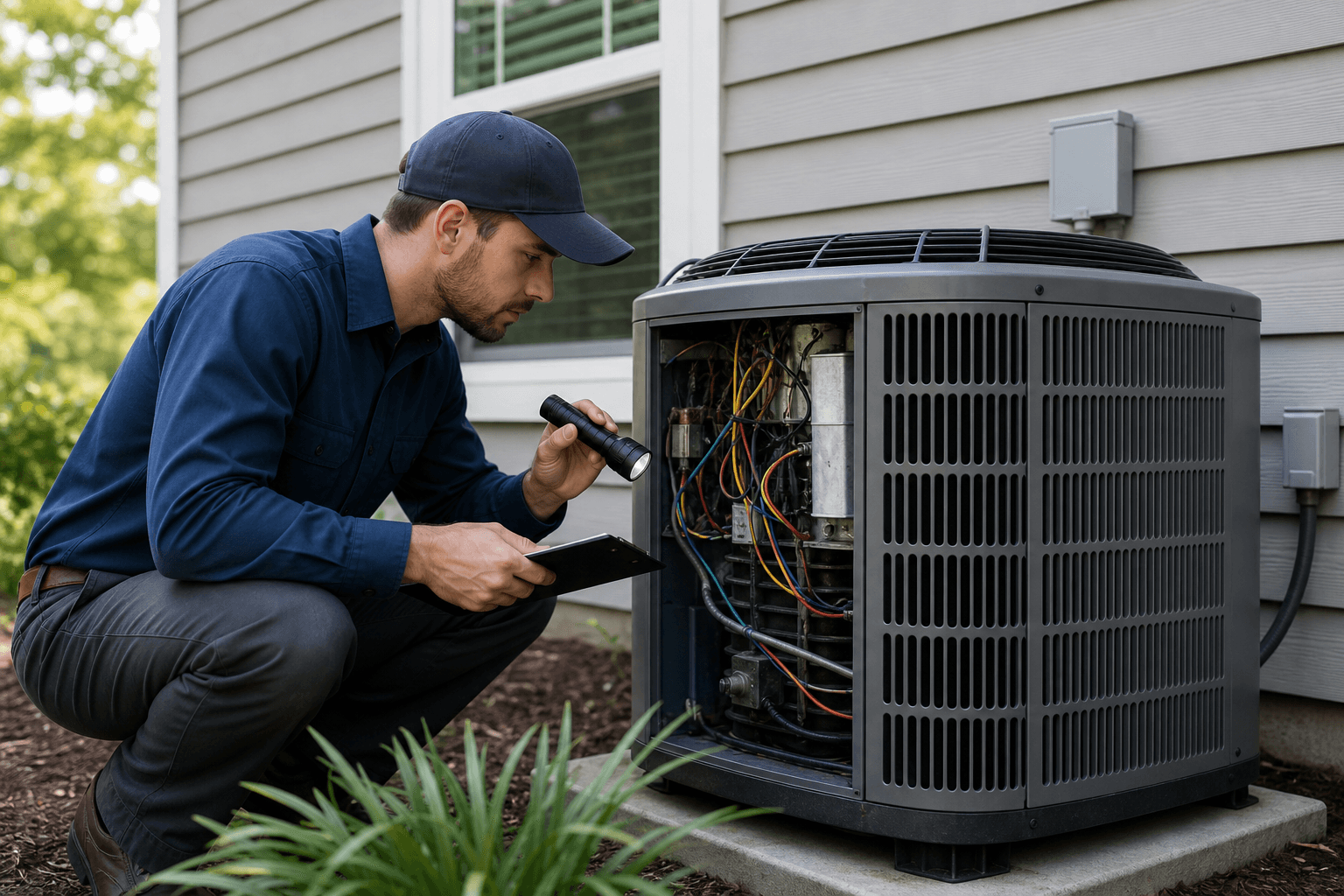
An HVAC inspection basics review is a focused, visual and functional check of heating, ventilation, and air conditioning equipment that helps property buyers, sellers, landlords, and managers understand immediate safety and performance risks. For most home and commercial property inspections the aim is to confirm that major HVAC components exist, appear to be working, and show no obvious signs of dangerous failure or active leakage. ASM Home & Commercial Inspection includes system-by-system evaluations of furnace, air conditioning, ducts, vents, condensate lines, thermostats, and related observations, and delivers same-day PDF reports to help clients act quickly, which you can read about on the company website ASM Home & Commercial Inspection.
What HVAC inspection basics means
When someone refers to HVAC inspection basics they usually mean a non-invasive, visual-and-functional assessment rather than an invasive repair or performance test. Federal consumer guidance for home inspections in Canada notes that heating, ventilation and cooling systems are commonly part of a routine inspection and recommends asking whether recognized standards such as CSA A770 will be applied during the inspection, so you know the scope and standards being used Office of Consumer Affairs guidance. Provincial and industry guidance in Ontario also clarifies that many home inspector HVAC checks are visual and functional in nature and do not substitute for contractor diagnostics or load calculations, which is explained in industry resources about HVAC inspections in Ontario HVAC Inspection When Buying a Home Ontario.
What inspectors typically check during a basic HVAC inspection
A basic HVAC inspection examines accessible components and records observable conditions that affect safety, reliability, and indoor air quality. For residential and many commercial inspections, inspectors will not dismantle equipment or perform invasive testing, but they will document what they find and recommend follow up when needed. ASM’s inspection scope commonly includes the items listed below in the same system-by-system approach used across its residential and commercial services ASM Home & Commercial Inspection.
Furnace and heating equipment
- Visual condition of the furnace cabinet, controls, and burners where visible.
- Operational check if safe to run, confirmation of ignition and basic cycling.
- Observation of fuel storage or supply issues, combustion vents, and flue termination visible at roof or exterior walls.
Air conditioning and heat pumps
- Presence and condition of the outdoor condensing unit.
- Basic operational check of cooling cycle when weather and safety allow.
- Inspection for refrigerant stains or obvious oil leakage around the equipment.
Ducts, vents, and distribution
- Visual inspection of accessible ducts for disconnection, excessive dust, or dampness.
- Condition of supply and return grilles, and signs of airflow obstruction.
Controls and comfort devices
- Thermostat operation and placement checks.
- Inspection of condensate lines and pan condition to detect active leaks or past overflow.
Indoor air quality and moisture clues
- Notes about excessive dust, visible mould, unusual odours, or conditions that suggest poor ventilation or moisture intrusion around HVAC components.
What a basic HVAC inspection does not include
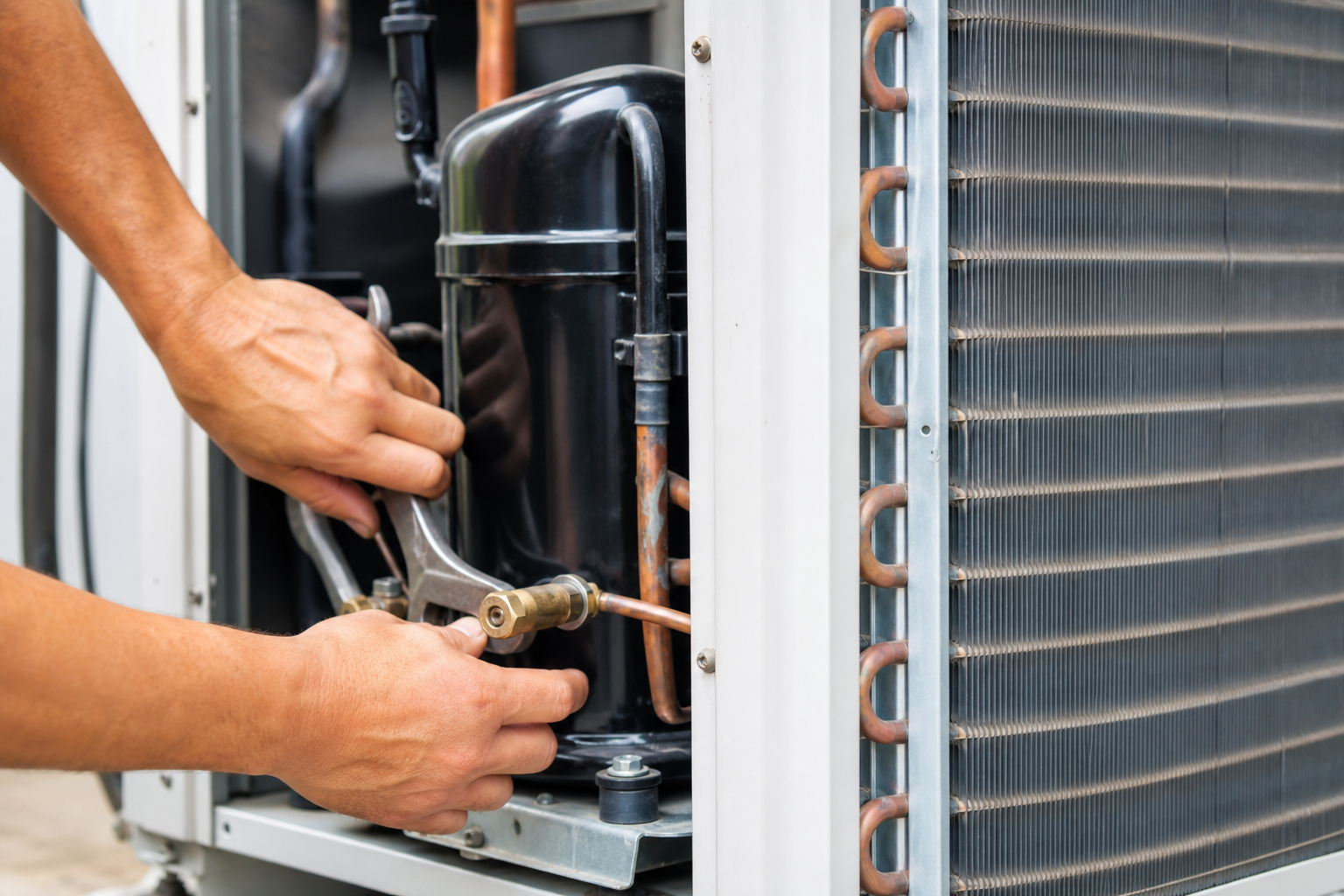
It is important to understand limits. A standard visual-and-functional HVAC inspection will not typically include detailed diagnostics, refrigerant pressure testing, combustion analysis, carbon monoxide certification, duct leakage testing, or a load calculation. Industry resources remind buyers and sellers that these technical tests require specialist equipment and training, and that a home inspector’s role is usually to identify when those tests are advisable rather than to perform them during a routine inspection Ontario HVAC inspection guidance, and consumer guidance suggests asking whether CSA A770 is being followed to clarify expected scope Office of Consumer Affairs.
When diagnostic tests are required
Some situations need specialist diagnostic testing beyond the basics. Buildings with complex mechanical systems, persistent comfort complaints, suspected refrigerant leaks, or concerns about combustion safety should have an HVAC contractor or specialist perform targeted tests. Health Canada guidance for office buildings recommends involving the building operator, engineer, or an HVAC specialist for thorough assessments and provides a sample HVAC checklist that highlights areas where specialist input is normally expected Health Canada guidance. Common diagnostic services include combustion analysis for furnaces and boilers, refrigerant charging and leak detection for cooling systems, airflow and static pressure measurement, and duct leakage testing.
Red flags that should trigger an HVAC specialist follow-up
During a basic inspection, the inspector will flag conditions that require immediate or specialist attention. Practical red flags to watch for include the items below, each of which usually warrants a contractor diagnostic or urgent repair.
- Persistent or unusual odours of gas or rotten egg smell, which may indicate a fuel leak or mould issue.
- Visible moisture, corrosion, or water staining at equipment or ducts, which points to condensate or ventilation problems and possible mould growth.
- Uneven heating or cooling between rooms despite normal equipment operation, which suggests duct problems, airflow restriction, or an undersized system.
- Loud or abnormal noises from the furnace, blower, or outdoor unit that may indicate mechanical failure.
- Carbon monoxide concerns, such as a malfunctioning combustion appliance or blocked flue, which require immediate specialist testing and should not be handled during a routine inspection.
How HVAC findings appear in an inspection report and what to do next

Inspection reports translate observations into practical recommendations. A typical finding will state the observable condition, assign a risk level such as safety, major defect, or maintenance, and recommend actions like further diagnostic testing, contractor quotation, or routine servicing. ASM delivers same-day PDF inspection reports so buyers and sellers can use findings immediately for negotiations, repair requests, or scheduling contractor follow up, and you can review ASM reporting details on the company site ASM Home & Commercial Inspection. If the report cites a combustion, refrigerant, or indoor air quality concern the usual next step is to arrange a licensed HVAC contractor or certified specialist to perform the appropriate diagnostics and provide a written quote or safety clearance.
Ontario and GTA context: standards and credentials to look for
In the GTA you should ask whether the inspector follows recognized practices and whether they hold relevant credentials. The federal guidance recommends asking about CSA A770 to align expectations about inspection scope and reporting Office of Consumer Affairs. For residential work InterNACHI membership signals training in home inspection standards, while CCPIA certification is relevant for commercial property inspections. ASM lists both InterNACHI and CCPIA as part of its certification credentials, which indicates competency across residential and commercial environments ASM Home & Commercial Inspection. When you book, confirm what the inspector will test, what will be recorded, and whether special tests will be arranged if required.
Practical next steps and questions to ask before you book
Use this short checklist to prepare and to ask the inspector the right questions before an appointment. Being present when the inspector tests systems will give you first hand observations and allow you to ask clarifying questions.
- Schedule a time when the HVAC can be operated, and be present for the inspection if possible.
- Ask whether the inspection follows CSA A770 or another standard, and whether the inspector is InterNACHI or CCPIA certified Office of Consumer Affairs, ASM Home & Commercial Inspection.
- Confirm what the basic HVAC check includes, and whether the inspector will recommend or arrange specialist diagnostic tests if needed.
- Request same-day delivery of the PDF report so you can act quickly on safety issues or negotiate repairs.
- If the property has known HVAC problems, ask for a written list of recommended diagnostic tests and whether the inspector can suggest qualified HVAC contractors.
Frequently asked questions
Will a standard home inspection include HVAC testing
Most standard home inspections include a visual and operational check of heating and cooling equipment, but they do not perform detailed diagnostics. Industry guidance for Ontario describes home inspector HVAC checks as visual and functional, not technical diagnostic exercises, so expect observations and recommendations rather than full performance certification Ontario HVAC inspection guidance.
When should I ask for a specialist HVAC inspection or diagnostic test
Request specialist testing if the inspector notes combustion concerns, suspected refrigerant leaks, persistent comfort complaints, visible mould or moisture near equipment, or if the building has a complex mechanical system. Health Canada guidance also advises involving a building operator or HVAC specialist for thorough HVAC assessments in larger or institutional properties Health Canada guidance.
How long does an HVAC inspection take and how will I receive the report
The HVAC portion of a residential inspection is usually part of the full home inspection visit, and the time spent depends on system complexity. ASM provides same-day PDF inspection reports so you receive documented findings quickly and can use them in negotiations or planning, and you can learn more about reporting on the ASM website ASM Home & Commercial Inspection.
Can an HVAC inspection detect carbon monoxide or mould risks
An inspector will note signs that suggest carbon monoxide or mould risks, such as soot, spillage at the flue, or visible mould and moisture. However, certification for carbon monoxide safety or laboratory mould testing requires specialist instruments and procedures beyond a routine visual inspection, so the inspector will recommend immediate specialist testing if such a risk is suspected Ontario HVAC inspection guidance, Health Canada guidance.
Ready to move forward? Contact Asmhomeinspection to schedule a certified inspection and same-day PDF report, and would you like to book an appointment?