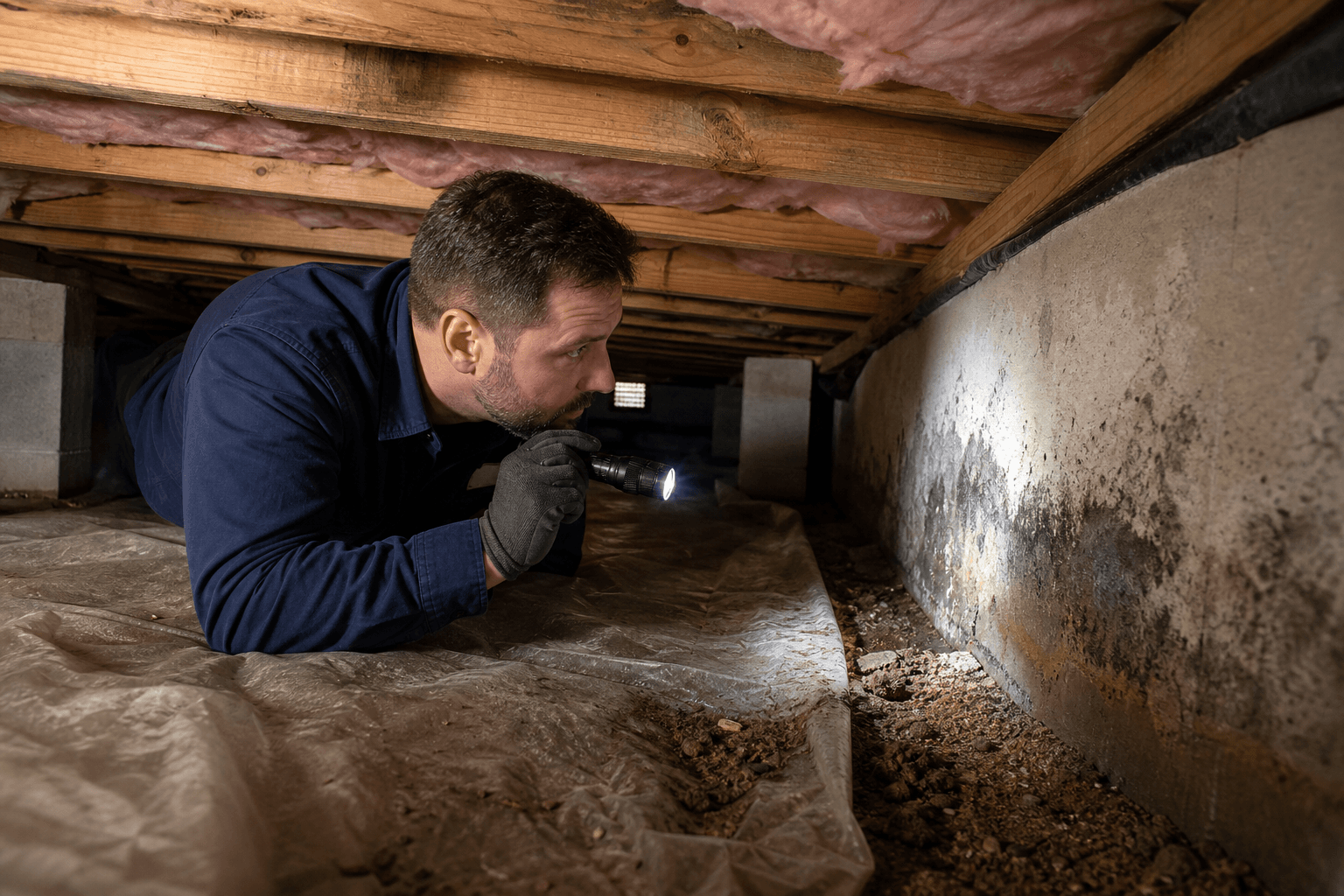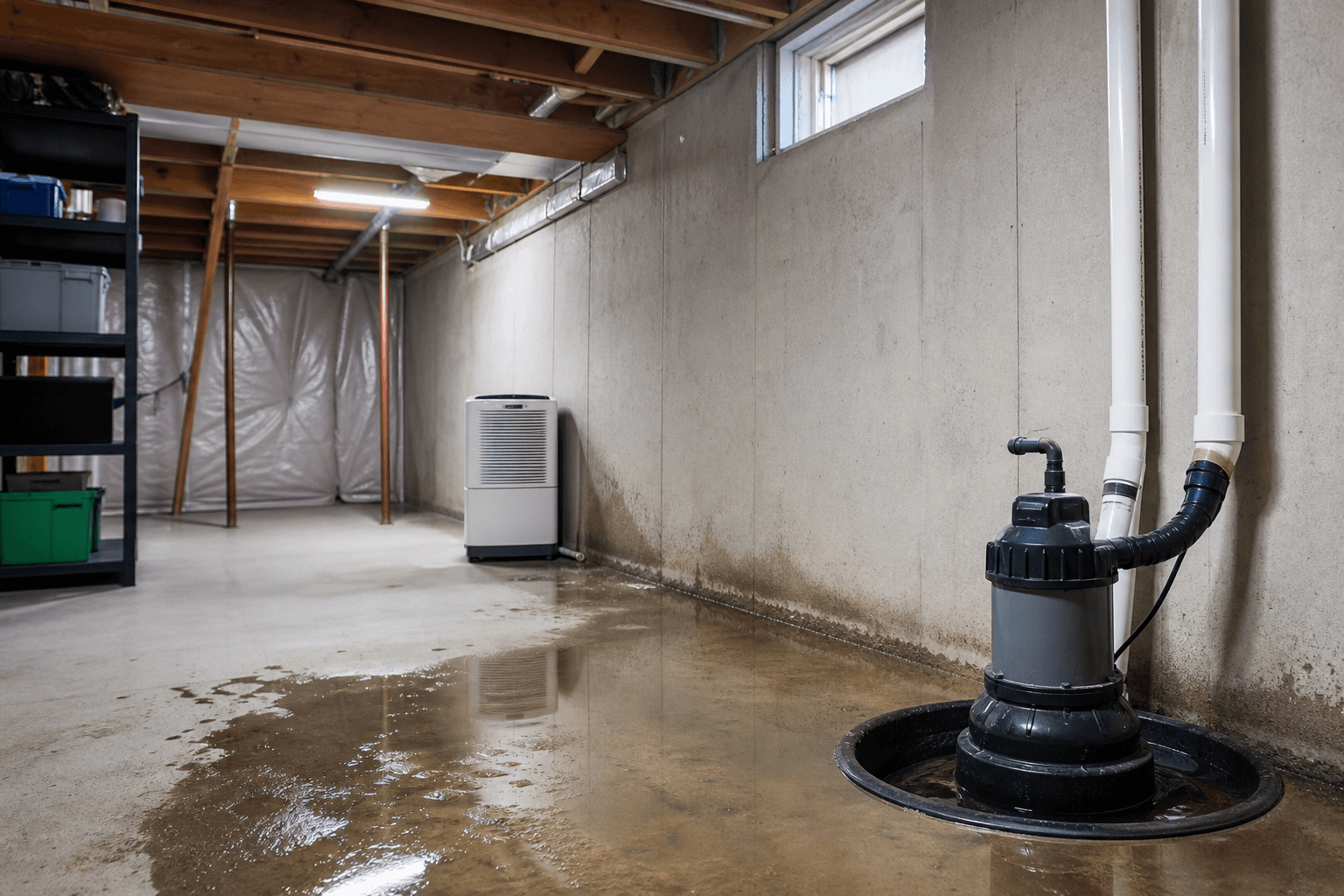
If you own or manage a property in the Greater Toronto Area, preventing basement water damage should be high on your maintenance list. This article prioritises seven proven measures, explains why each matters, offers GTA seasonal advice, and shows what an InterNACHI and CCPIA certified inspector will check on site. For local guidance and municipal tips, the City of Toronto and Canada.ca pages cited below provide practical, evidence-based steps.
Top 7 prevention measures to prioritise right now
Each item below explains how it reduces risk, who should do the work, immediate checklist actions, and a simple rule-of-thumb to decide whether to tackle it yourself or hire a pro.
1. Correct grading and ensure downspouts drain well
Why it reduces risk: Surface grading that slopes away from the foundation reduces hydrostatic pressure and prevents rain or meltwater pooling against basement walls. This is often the highest-impact, lowest-complexity fix.
- DIY actions: With a line level or slope meter app, confirm soil slopes away from the foundation at least 2 percent over the first 1.5 metres. Add soil where needed and compact it. Extend downspout discharge 1.5 to 3 metres from the foundation using rigid tubing or splash blocks.
- When to hire: If regrading requires moving patios, driveways, retaining walls, or large volumes of soil, hire a landscaper or civil contractor.
- Decision rule: Prioritise grading when you observe pooling next to walls after rain, or when downspouts dump water directly at the foundation.
2. Clean and maintain gutters and downspouts regularly
Why it reduces risk: Clogged gutters overflow and deposit water at the foundation line. Regular maintenance prevents one of the most common sources of foundation wetting.
- DIY actions: Clear leaves and debris at least twice a year, check gutter hangers and seals, and ensure downspouts are connected and free of blockages.
- When to hire: If gutters are inaccessible, damaged, or poorly pitched, hire a qualified roofer or gutter contractor.
- Seasonal timing for the GTA: Clean in late fall and again in spring, especially after storms or heavy leaf fall.
3. Keep snow cleared away from the foundation and clear catch basins
Why it reduces risk: Melting snow is a major seasonal source of seepage in the GTA. The City of Toronto recommends keeping melting snow away from foundations and clearing debris from roadside catch basins so meltwater can reach the storm sewer system (City of Toronto).
- DIY actions: Shovel snow away from the foundation onto lawn areas when safe. Do not pile snow against basement windows or window wells.
- When to get help: For large properties or steep sites, a contractor can relocate large snow piles and install temporary drainage to manage heavy spring thaw.
4. Ensure basement windows and window wells drain properly
Why it reduces risk: Basement windows and their wells are common weak points where water can collect and enter the basement. Canada.ca advises that unmaintained window wells and cracked seals let water into the home and recommends keeping wells clear and draining (Canada.ca).
- DIY actions: Remove debris from wells, add clean gravel below the well grate, and check that any well drain connects to a functional drainage path or to the sump pit.
- When to hire: Use a licensed contractor if the window leaks, the frame is cracked, or excavation and regrading of the well are needed to restore proper drainage.
5. Install and maintain a sump pump with battery backup
Why it reduces risk: A sump pump removes infiltrated water from low points before it floods the basement. Canada.ca describes sump pumps as a common, effective measure in Canada for preventing basement flooding (Canada.ca).
- Routine checks: Test the pump monthly during wet periods by pouring water into the pit to confirm activation and discharge. Inspect the float switch and check valve and verify discharge piping is clear and directs water away from the foundation.
- Battery backup: Install battery backup or a secondary pump if your basement is at high risk or if power outages are common.
- When to hire: A licensed installer should connect the discharge to comply with local rules and ensure proper electrical setup.
6. Fit a backwater valve where sewer backup is possible
Why it reduces risk: A backwater valve prevents sewage from flowing back into your basement during sewer surges. Canada.ca notes that backwater valves greatly reduce damage from sewer backups and that cleanup costs can be substantial (Canada.ca).
- Professional installation: A licensed plumber should inspect the sewer connection location and install a backwater valve. The valve requires periodic testing and clearance to ensure it operates when needed.
- Insurance note: Backwater valves and maintenance records may affect coverage outcomes for sewer backup claims. Keep receipts and service logs.
7. Repair foundation cracks and consider targeted drainage systems
Why it reduces risk: Some foundation cracks are cosmetic, while others allow water entry under hydrostatic pressure. Addressing active leaks and considering exterior waterproofing or interior French drains reduces ongoing risk.
- Inspection steps: Monitor small hairline cracks with no staining. Cracks showing efflorescence, water stains, mould, or active seepage need remediation.
- When to hire: Structural cracks, bowed walls, or continuous seepage require a structural or waterproofing specialist for diagnosis and repair.
Seasonal priorities for the GTA: winter, spring melt and heavy rain
Follow this time-based checklist tailored to Greater Toronto Area conditions. Before winter, clear gutters and verify downspouts. During winter, avoid piling snow against foundations and ensure window wells remain free of drifting snow. At spring thaw, inspect for new damp spots, test your sump pump, and clear catch basins as the City of Toronto recommends so meltwater reaches the storm sewer (City of Toronto). After heavy rain, check for damp odours, standing water, or fresh stains and address any sign of seepage immediately.
What an InterNACHI and CCPIA certified inspector will check on site
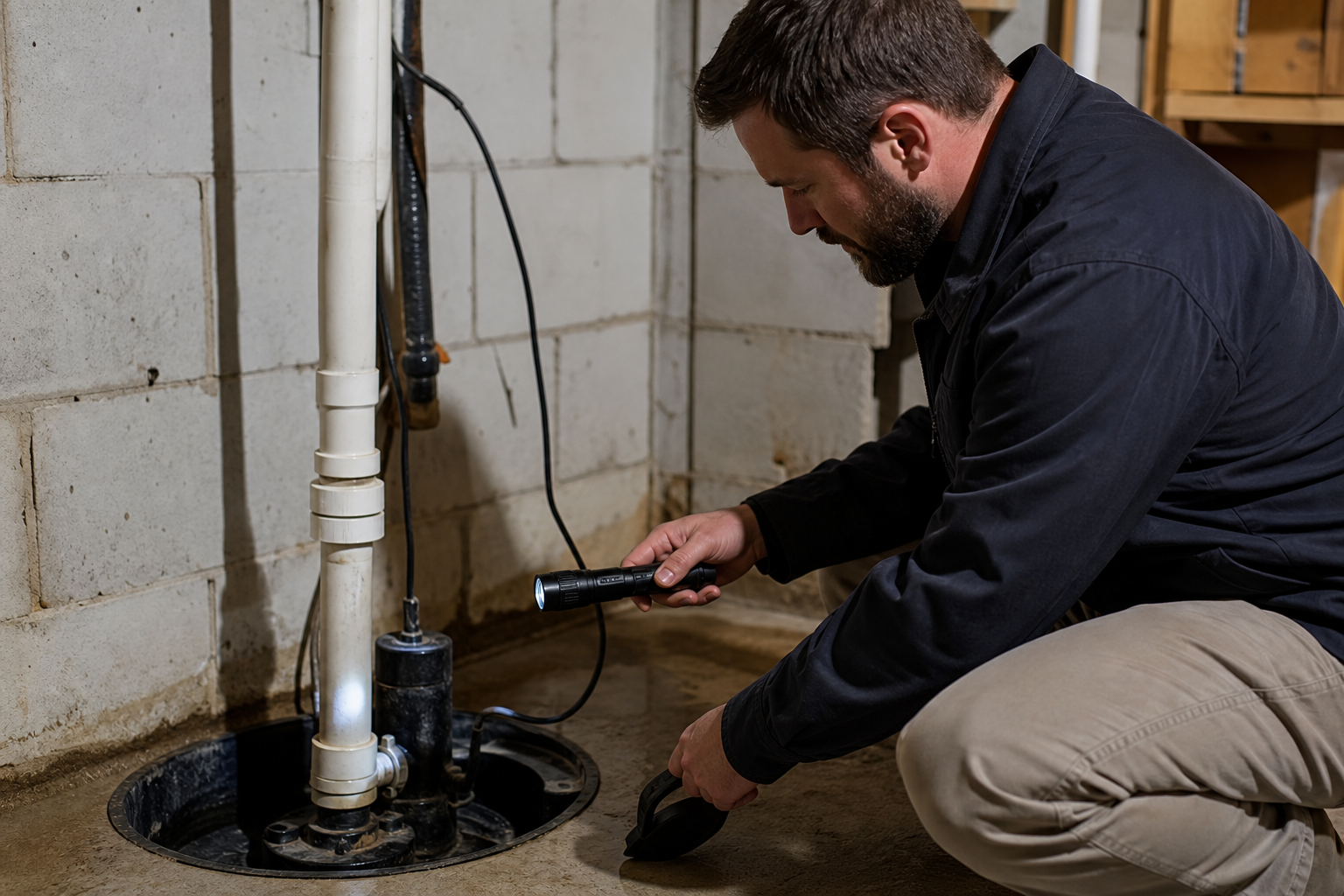
A certified inspection offers a systematic review of the systems that matter for basement water risk. ASM Home & Commercial Inspection provides same-day PDF reports and dual certification for residential and commercial work, helping clients act quickly on recommendations (ASM Home & Commercial Inspection).
Key inspection items: foundation, interior moisture, window wells, sump pit, gutters and grading
- Foundation and visible cracks, including signs of active water entry such as damp patches, efflorescence, or mineral deposits.
- Interior moisture indicators: mould growth, damp odour, peeling paint, or wet insulation and carpet padding.
- Window wells and basement window seals for pooling, drainage, and intact frames.
- Sump pit condition and pump functionality, presence of backup power, and the status of check valves.
- Gutter condition, downspout discharge, and surface grading around the home.
- Photographs and a same-day PDF report that ranks defects and provides maintenance or repair recommendations.
When to hire a contractor rather than DIY: decision criteria
Call a licensed contractor or waterproofing specialist when you see any of the following: repeated basement flooding, sewage backup, visible structural cracks or wall movement, a sump pump failure that you cannot repair, or when regrading needs heavy equipment. For backwater valves and sump pump installations, use a licensed plumber or certified installer so work complies with local codes and warranty terms (Canada.ca).
Common objections and realistic answers
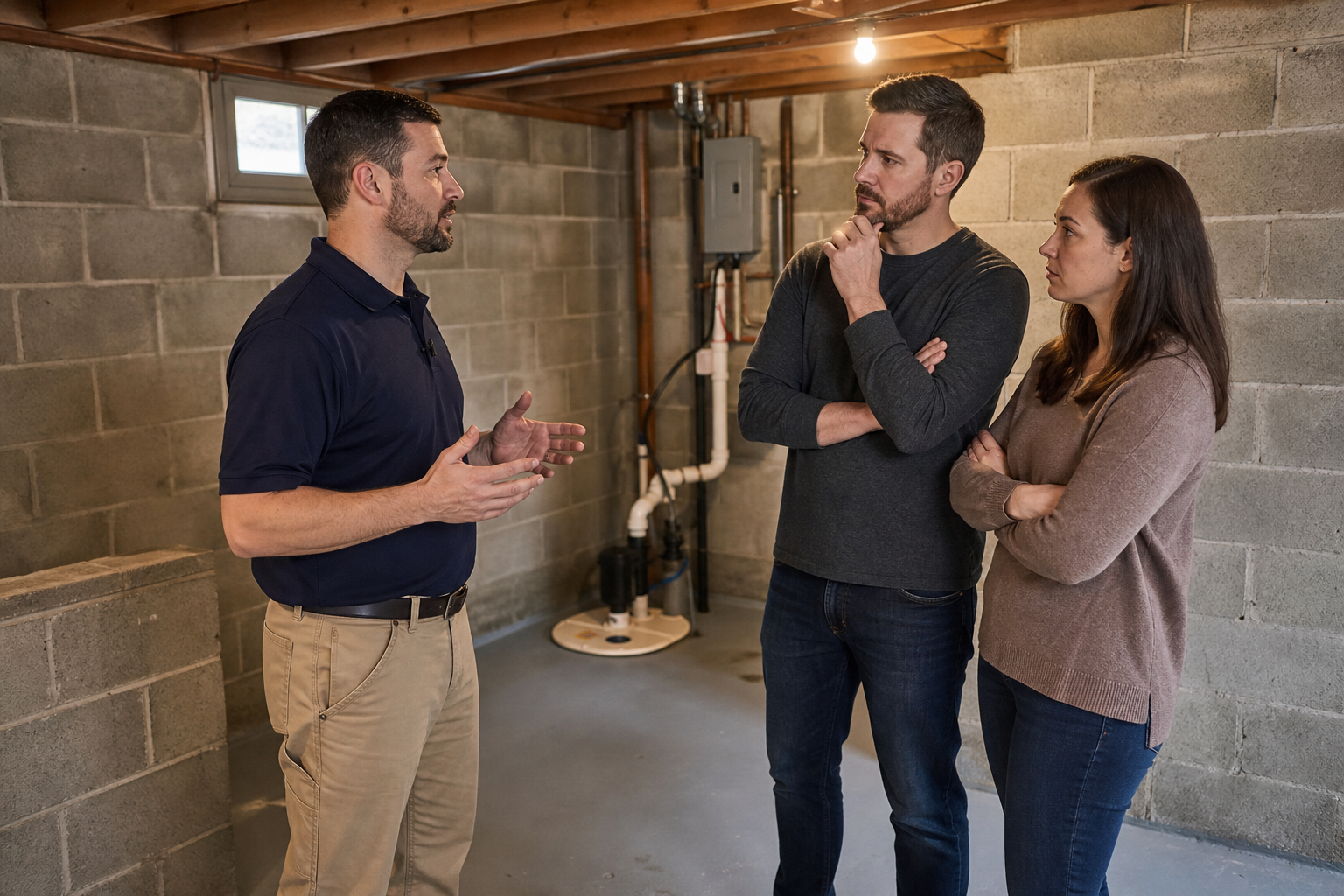
- Cost concerns: Begin with low-cost, high-impact fixes such as grading adjustments, gutter cleaning, and window-well maintenance. These often reduce risk without major expense.
- Disruption: Some professional fixes like backwater valve installation or exterior excavation are disruptive, but staged work and a clear quote reduce surprises.
- "It has never flooded before": Climate patterns and municipal drainage change over time. A one-time inspection documents risk and may cost far less than repeated emergency cleanups.
Decide fast: a three-step plan to reduce risk this month
- Do a two-hour DIY audit: check grading, clear gutters, remove snow from the foundation, and test the sump pump.
- Book a certified inspection to receive a same-day PDF report that identifies priority repairs and system tests. ASM Home & Commercial Inspection lists same-day reporting and InterNACHI and CCPIA credentials to help buyers, sellers, and managers act quickly (ASM Home & Commercial Inspection).
- Get contractor quotes for any structural, drainage, or mechanical upgrades before the next wet season and ask for timelines, references, and warranties.
Trusted Canadian and GTA resources to consult
- City of Toronto: How to prevent basement flooding
- Canada.ca: Sump pumps
- Canada.ca: Backwater valves
- Canada.ca: Basement window maintenance
Frequently asked questions
How often should I test and service a sump pump?
Test your sump pump monthly during wet seasons by pouring water into the pit to confirm activation and discharge. Have a qualified technician perform a full service annually and inspect float switches, power supply, discharge piping, and check valves. See Canada.ca for general guidance on sump pumps (Canada.ca).
Will my homeowner insurance cover a flooded basement or backwater damage?
Coverage varies by policy and cause. Sewer backups are a specific risk and insurers may require mitigation such as a backwater valve for coverage. Keep installation and maintenance records to support claims and check policy wording with your insurer.
Do I need a permit to install a backwater valve or change exterior grading in the GTA?
Permit requirements vary by municipality. For sewer service work such as backwater valves, and for major grading changes that alter stormwater runoff patterns, check your local city or regional bylaws and confirm permit needs with the installer before starting work.
How can I tell if a foundation crack is a moisture risk or normal settling?
Hairline cracks with no staining are often simple settling. Cracks with water stains, efflorescence, mould, or active seepage indicate moisture risk and need remediation. A certified inspector can document severity and recommend monitoring versus repair.
What should I ask a home inspector about basement water risk before buying a house?
Ask whether the inspector will check grading, gutters, downspouts, window wells, sump pump operation, signs of past flooding, and sewer backup risk. Request a same-day PDF report so you can use findings immediately in negotiations. ASM Home & Commercial Inspection provides same-day reports and certification credentials to help buyers and sellers act quickly (ASM Home & Commercial Inspection).
Ready to prioritise prevention in the GTA by booking a certified inspection with Asmhomeinspection to verify your sump, backwater, grading, gutter and window-well systems and receive a same-day PDF report to guide next steps?