Thermal imaging inspection can reveal issues that are invisible to the eye, but the technique has limits and important safety and interpretation rules. This article lists the specific mistakes people make when they book or accept a thermal scan, the exact questions to ask before you hire a provider, and the practical next steps after an indication. The guidance is written for GTA homebuyers, sellers, landlords, property managers, and real estate professionals who need reliable, actionable results.
1. Misinterpreting a thermal indication as a diagnosis
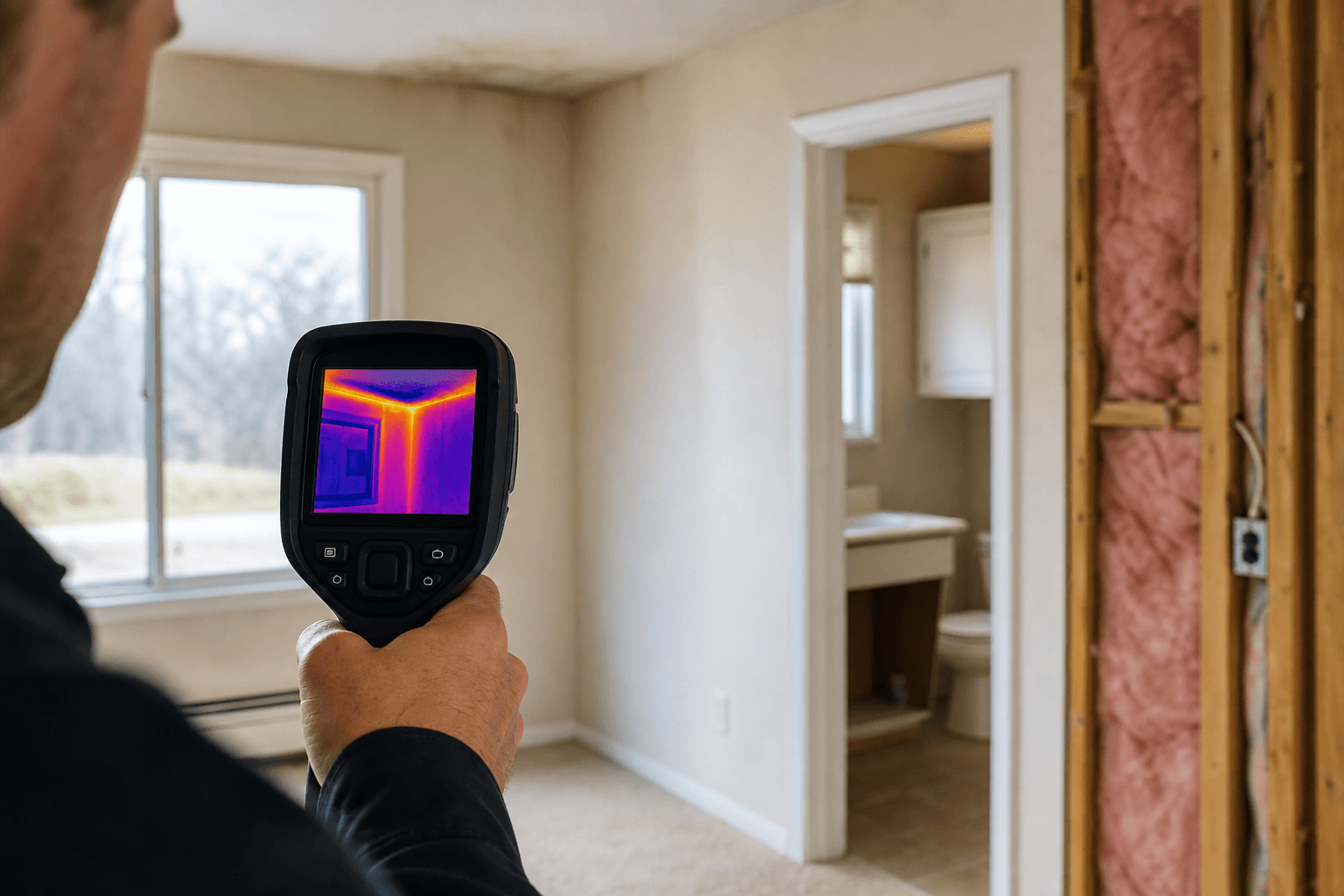
What a thermal camera records is temperature differences on a surface. A warm patch or a cold patch is an indication, not a definitive diagnosis. For example, a cold area may suggest moisture, but it can be caused by ventilation, shading, or recent weather. A hot spot on an electrical panel can reflect load changes rather than an imminent failure. The literature is clear that a scan’s value comes from interpretation, timing, and follow-up testing, and that thermal data should be confirmed with targeted tools or licensed trades before corrective work is ordered. See the InspectandTest guide for details on interpretation and limits.
Questions to ask before you book: confirmation and follow-up
- Will you verify thermal indications with a handheld moisture meter or intrusive check?
- If you find a suspicious area, who will perform follow-up testing and are they a licensed trade?
- Do you provide a recommended next-step scope and a cost for verification visits?
Having the inspector commit to a follow-up plan up front prevents surprises and ensures indications are treated as leads rather than final diagnoses. For more on why confirmation matters, review the InspectandTest guidance on thermal scans.
2. Hiring a camera operator without trade knowledge
Thermal imaging is a tool. Without trade knowledge the operator may miss the system-level causes behind an image. For example, an operator who is not familiar with electrical distribution may not recognise whether a hot connection aligns with a protective device issue or a harmless load imbalance. Hiring a thermographer who understands the trade reduces false positives and leads to useful recommendations. A Canadian primer on selecting an infrared contractor stresses the value of thermographers who understand the relevant systems beyond the image data.
Decision criteria: qualifications and experience to vet
- Ask whether the thermographer has trade experience relevant to your scan: electrician for electrical thermography, roofer or plumber for moisture issues, or an inspector with both residential and commercial experience.
- Request sample reports that show annotated thermal-to-visual image pairs and the inspector’s interpretation.
- Check for professional memberships and certifications that align with building inspections or commercial thermography.
- Confirm same-day report delivery if you are working inside a tight real-estate timeline; this is a common local service feature for inspection firms serving the GTA.
For background on picking a contractor who can interpret findings correctly, see the Dynamic Infrared discussion about choosing the right infrared contractor.
3. Choosing the wrong camera: resolution, focus, and temperature range
Not all thermal cameras are the same. Key technical mismatches are common mistakes. Low resolution or poor focus makes it impossible to read small electrical terminals accurately from the required standoff distance. A camera with a limited temperature range or poor measurement accuracy will produce unreliable numbers on hot electrical parts. At the other extreme, overpaying for an industrial unit with features you will never use wastes budget. A sensible purchase or hiring decision matches the camera specification to the job.
Minimum camera and imaging checklist for common property scans
- Electrical panels: enough resolution and focus to resolve the smallest terminal at the working distance the inspector will use. Confirm spot size and field of view are appropriate.
- Moisture and building envelope: a camera with good thermal sensitivity to show subtle temperature differences and software that allows side-by-side visual and thermal images.
- Temperature range and accuracy: confirm the camera’s stated accuracy and the real-world measurement tolerance for the targets you care about.
- Reporting software: ask whether the contractor uses software that timestamps images, records settings, and produces annotated PDF reports.
The Flirus buyer checklist and the Raythink electrical buying guide offer practical checks on resolution, measurement accuracy, and report needs when you choose equipment or a contractor.
4. Skipping arc flash and PPE planning for electrical thermography

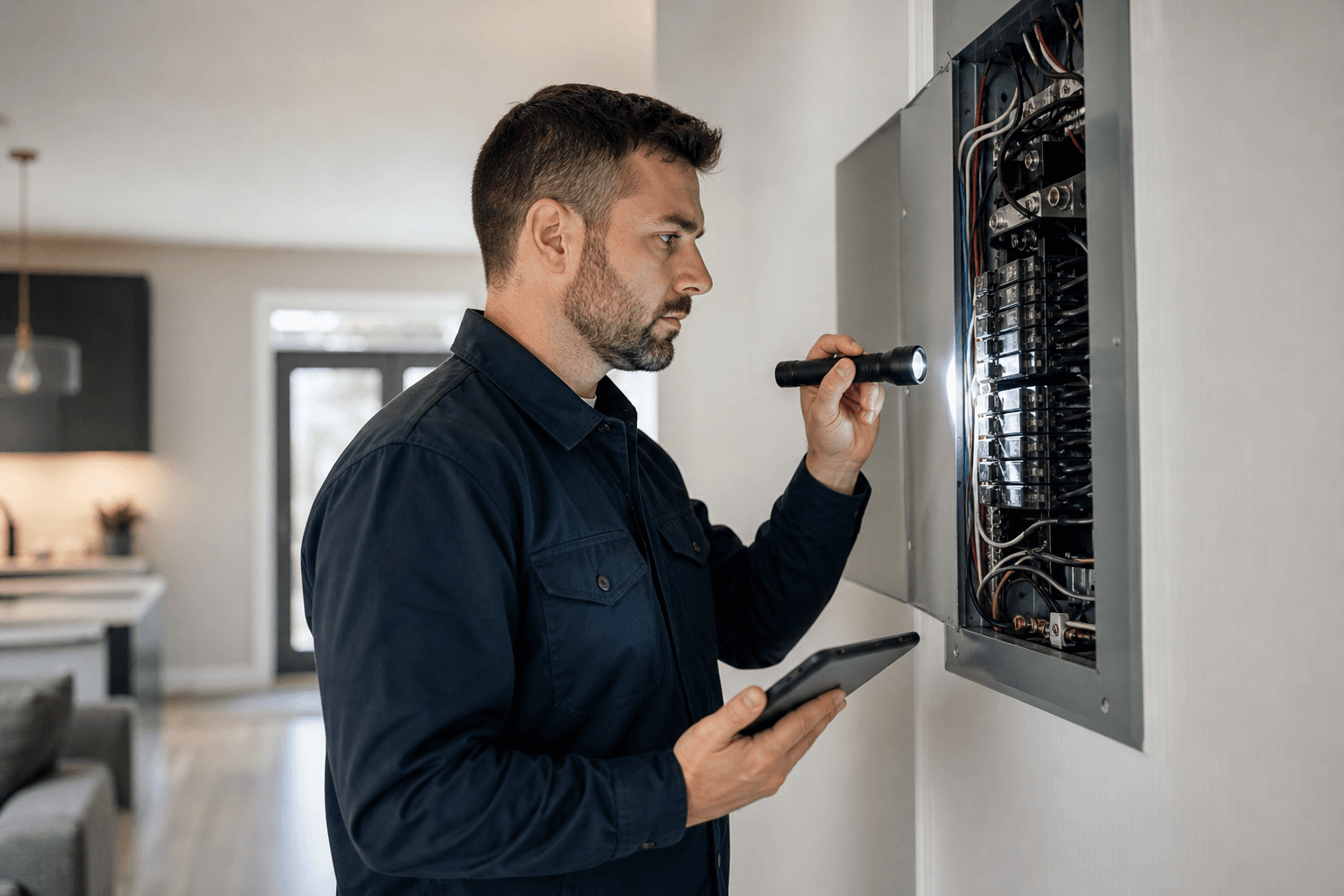
Electrical thermography can expose technicians to shock and arc flash hazards if it is done without planning. A proper inspection plan considers shock and arc flash boundaries, permits, access authorizations, and appropriate personal protective equipment. Performing thermal imaging on live equipment without an assessment of safe working distances is unsafe and may violate site rules. Canadian guidance on arc flash boundaries and thermography lists practical steps and a thermographer checklist for electrical work.
What to expect when an electrical thermography scan is required
- Be prepared for an electrical risk assessment and written permission to access panels and switchgear.
- Ask whether the thermographer will perform imaging on live equipment or during a controlled outage, and why they chose that approach.
- Confirm what PPE will be used and who will sign any required permits on site.
For a clear summary of arc flash considerations when performing electrical thermography, consult the JM Test Systems guidance.
5. Running the scan at the wrong time or without site preparation
The timing and site state matter for detectability. Thermal contrast depends on temperature differences, which can change throughout the day or after weather events. Recent rainfall or immediately after HVAC cycling can mask or create false moisture signatures. Inaccessible or locked areas also reduce the value of the scan. A short period of preparation often increases the scan’s usefulness.
Pre-inspection checklist for the property
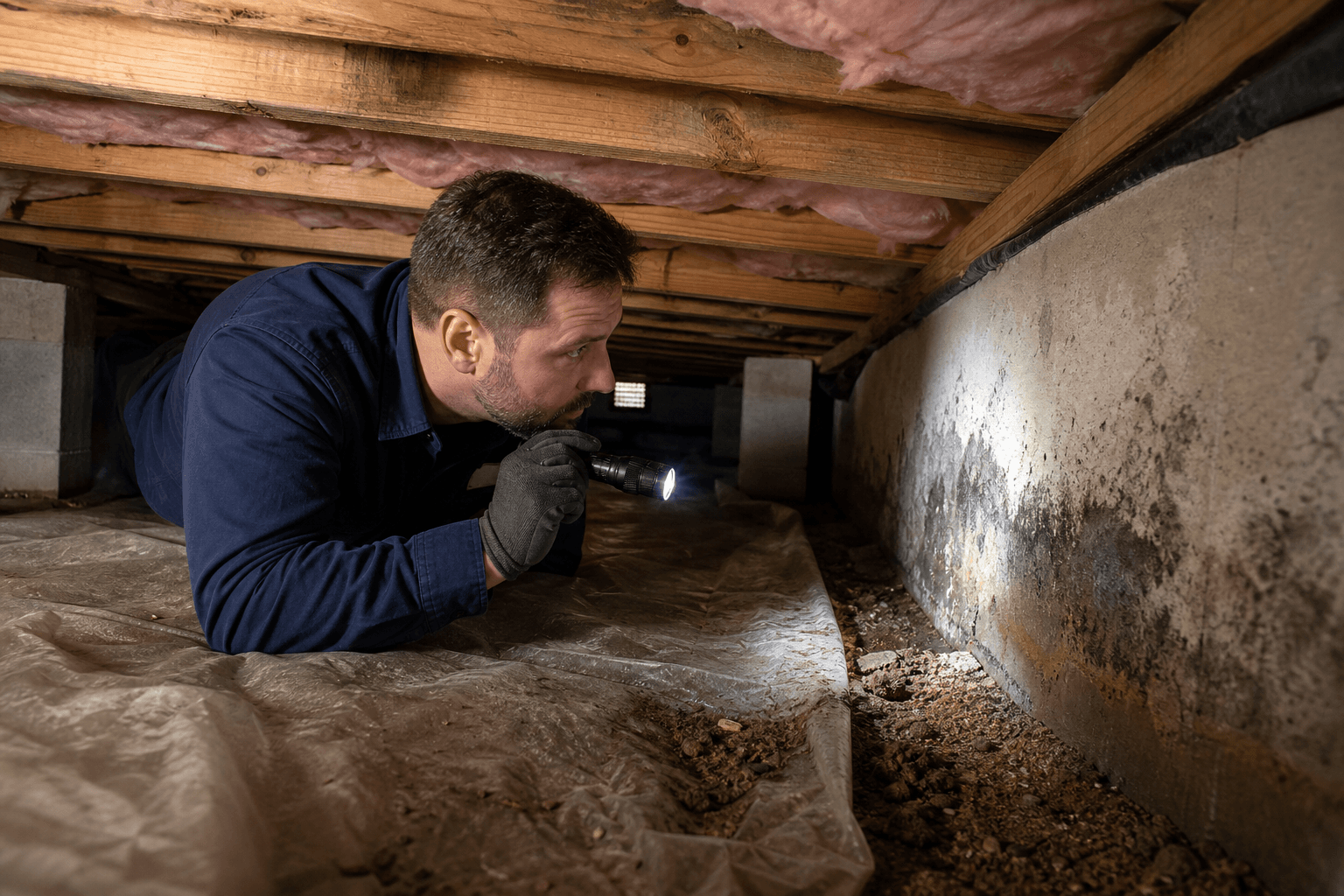
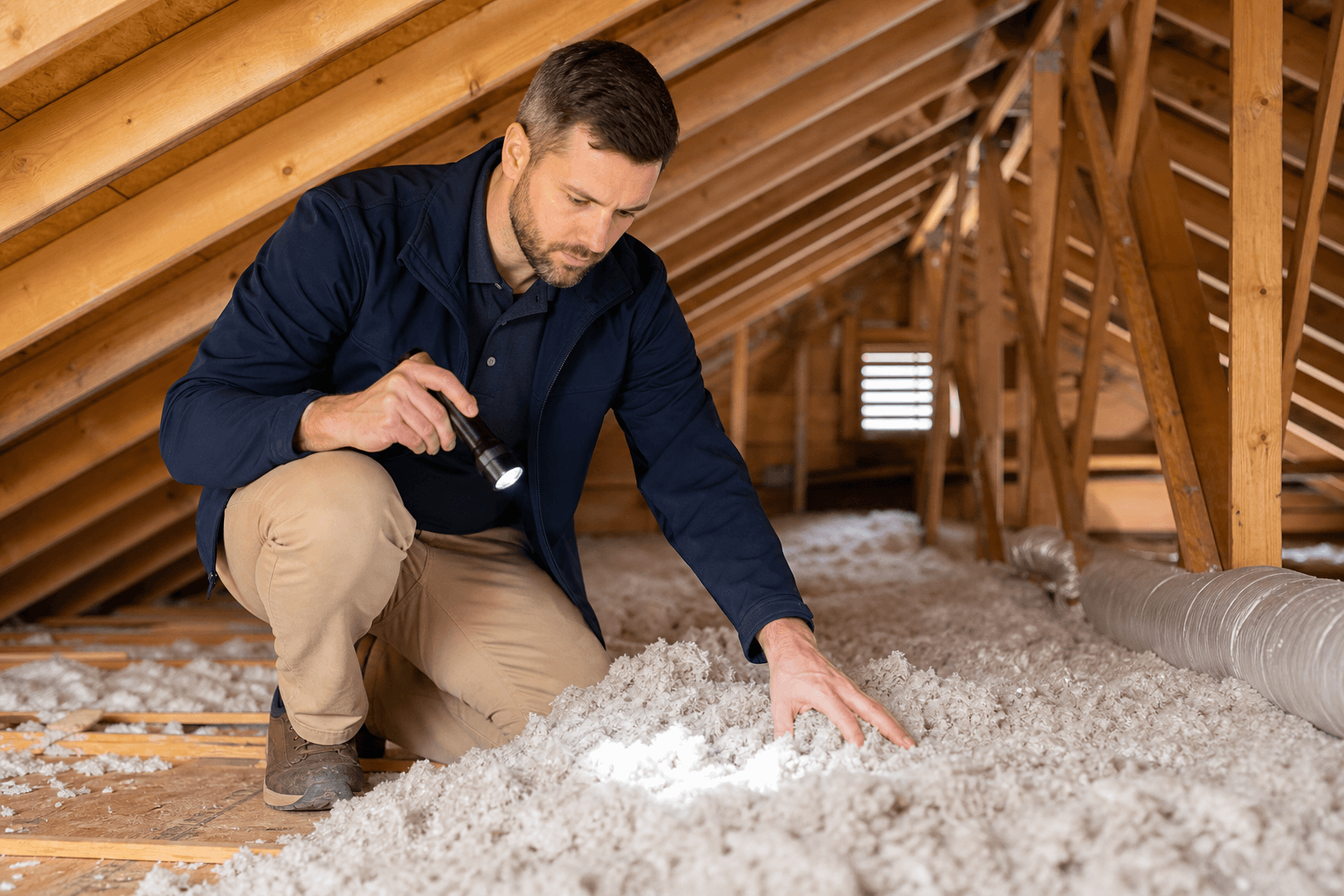
- Provide clear access to attics, basements, crawlspaces, mechanical rooms, and electrical panels.
- Note recent leaks, when HVAC systems were last run, and whether roofs were recently wet.
- Follow the inspector’s directions about running or stopping HVAC equipment to stabilise thermal contrast.
- Allow time for the inspector to stabilise readings if they request it, typically 15 to 30 minutes in some scenarios.
The InspectandTest guide explains how timing and site conditions influence what a thermal scan will show.
6. Failing to plan follow-up testing and repairs after an indication
A thermal indication often leads to a short decision tree. The first step is verification with a handheld moisture meter or a targeted visual check. If confirmed, an invasive inspection or licensed trade may be required for repair. For electrical hot spots, a qualified electrician should perform a live assessment or execute repairs according to code. Treat the thermal report as a trigger for targeted confirmation work, not the final repair plan.
Typical follow-up: who to call and when
- Handheld moisture meter verification immediately after an indication.
- Targeted intrusive checks or small openings if moisture is suspected.
- Licensed plumber or roofer for confirmed water intrusion, and a licensed electrician for confirmed electrical hot spots.
- Request that the inspector include recommended next steps and a scope for verification in the same-day report.
InspectandTest emphasises that follow-up testing is the practical path from indication to diagnosis and remedy.
7. Accepting weak reporting or skipping provider vetting

A weak report undermines the whole exercise. Real-estate transactions and maintenance plans need annotated thermal-to-visual image pairs, measurement notes, camera model and settings, and clear interpretation and recommendations. Same-day PDF reports speed negotiations. Ask for a sample report before you book and confirm turnaround time. Local providers who advertise same-day PDF delivery and combined residential and commercial experience can be helpful in the GTA.
Report checklist and exact vetting questions
- Ask to see a sample same-day PDF report demonstrating annotated thermal and visible images.
- Request documentation of the camera model, resolution, and measurement accuracy used for your scan.
- Confirm whether the report will list recommended next steps and the names of trades to contact for verification.
- Verify expected delivery time for the final report so it fits your offer or closing schedule.
If you want a local partner who provides inspection services and same-day reports, review the services and certifications offered by ASM Home & Commercial Inspection.
Local considerations for the Greater Toronto Area
Seasonal temperature gradients in the GTA influence thermal contrast, so plan scans with local weather in mind. Condominium and commercial mechanical rooms may require building management permission, which can delay access. Using a provider who covers the wider GTA and delivers same-day PDF reports helps meet tight offer and closing timelines. For local inspections and same-day report delivery, see the ASM Home & Commercial Inspection service information.
Final decision checklist and next steps
Before you book a thermal imaging inspection, confirm these five items with the provider:
- Will indications be confirmed with tools such as a moisture meter or by a licensed trade?
- Does the thermographer have relevant trade knowledge and sample reports showing interpretation?
- Is the camera specification appropriate for the task and will the report include camera details?
- Do you follow electrical risk assessment, arc flash boundaries, and PPE procedures when scanning live equipment?
- Can you provide a same-day PDF report with annotated images and recommended next steps?
When an indication appears, the normal next steps are verification, targeted invasive checks if needed, and a licensed trade for repair. Treat the thermal report as a diagnostic lead that requires confirmation.
Frequently asked questions
What can a thermal imaging inspection detect in a home or building?
A thermal imaging inspection can reveal surface temperature differences that indicate moisture intrusion, missing insulation, air leaks, and electrical hot spots. It cannot on its own confirm the cause of the temperature difference. Follow-up testing is usually required to confirm diagnosis and identify repair scope. For a detailed explanation of what scans can and cannot show, see the InspectandTest guide.
How accurate are thermal imaging findings for detecting moisture and when is a moisture meter required?
Thermal imaging detects temperature differences that may point to moisture, but a thermal image is not a moisture measurement. A handheld moisture meter is required to confirm the presence of moisture. The scan is a screening tool and its indications must be verified before repairs are quoted or performed. See InspectandTest for more on verification.
Do I need to arrange shutdowns or special access for an electrical thermography scan?
Possibly. Some electrical scans are done live with strict arc flash and PPE controls, and some are done during a controlled outage. The inspector should perform a risk assessment and confirm whether shutdowns, permits, or special access are required. For safety planning, consult the JM Test Systems article on arc flash boundaries for electrical thermography.
How do I vet a thermographer or infrared contractor in the GTA before I book?
Ask for trade-related experience, sample reports with annotated thermal and visible images, camera model and accuracy statements, same-day delivery options, and references from similar local projects. Contractors who combine thermography with building inspection experience reduce the chance of misinterpretation. See the Dynamic Infrared contractor guidance and local inspection services for context.
What should I expect in a same-day PDF thermal imaging report and how quickly will I get it?
A good same-day PDF report contains annotated thermal-to-visual image pairs, measurement notes, clear interpretation of indications, and recommended next steps including verification procedures. Turnaround depends on the provider and the size of the property. Confirm expected delivery time when you book. Local GTA inspection firms often advertise same-day PDF delivery to meet transaction timelines; see the ASM Home & Commercial Inspection site for service details.
If you would like help arranging a thermal imaging inspection that follows these checks and provides clear, same-day reporting, contact ASM Home & Commercial Inspection for availability and sample reports.