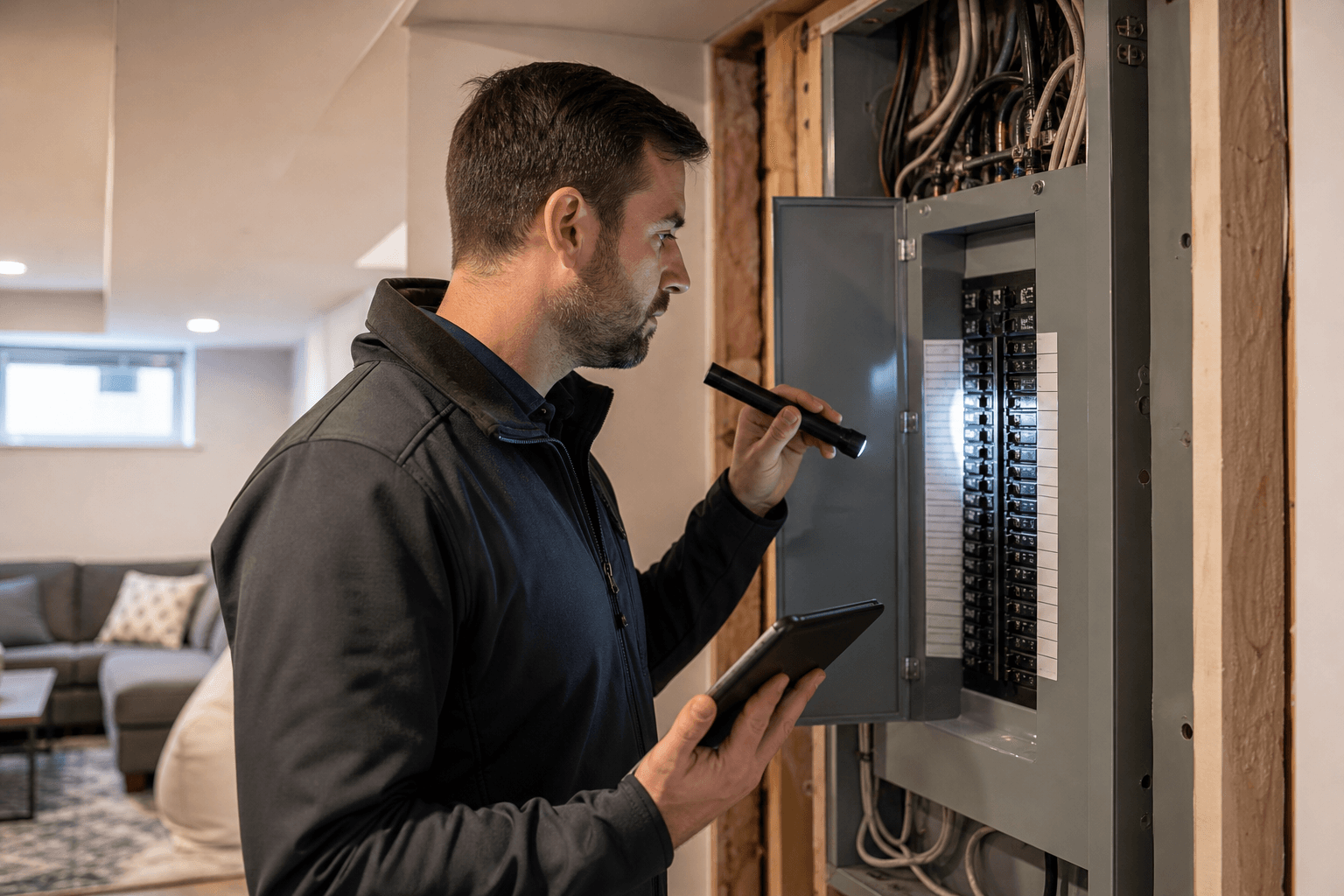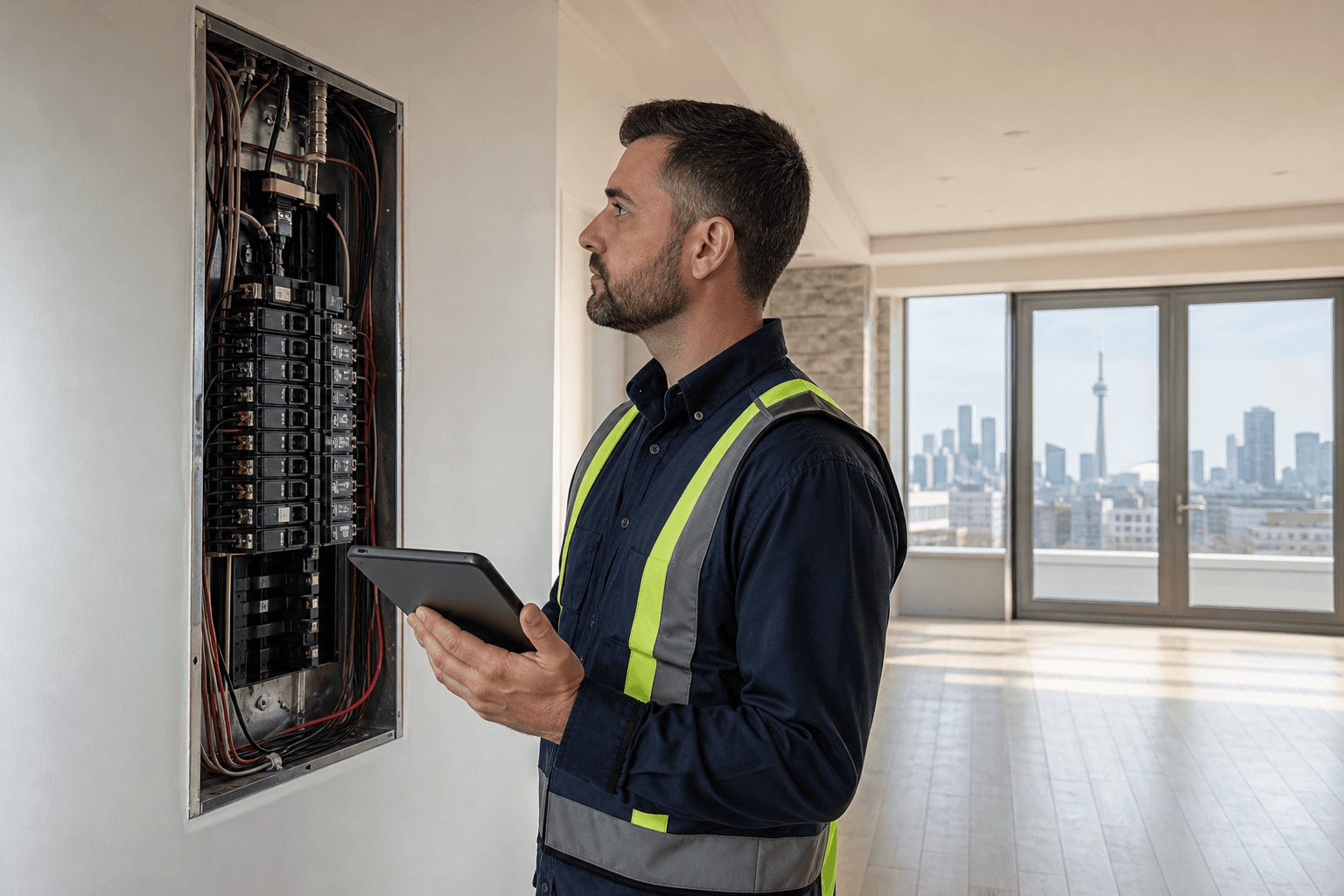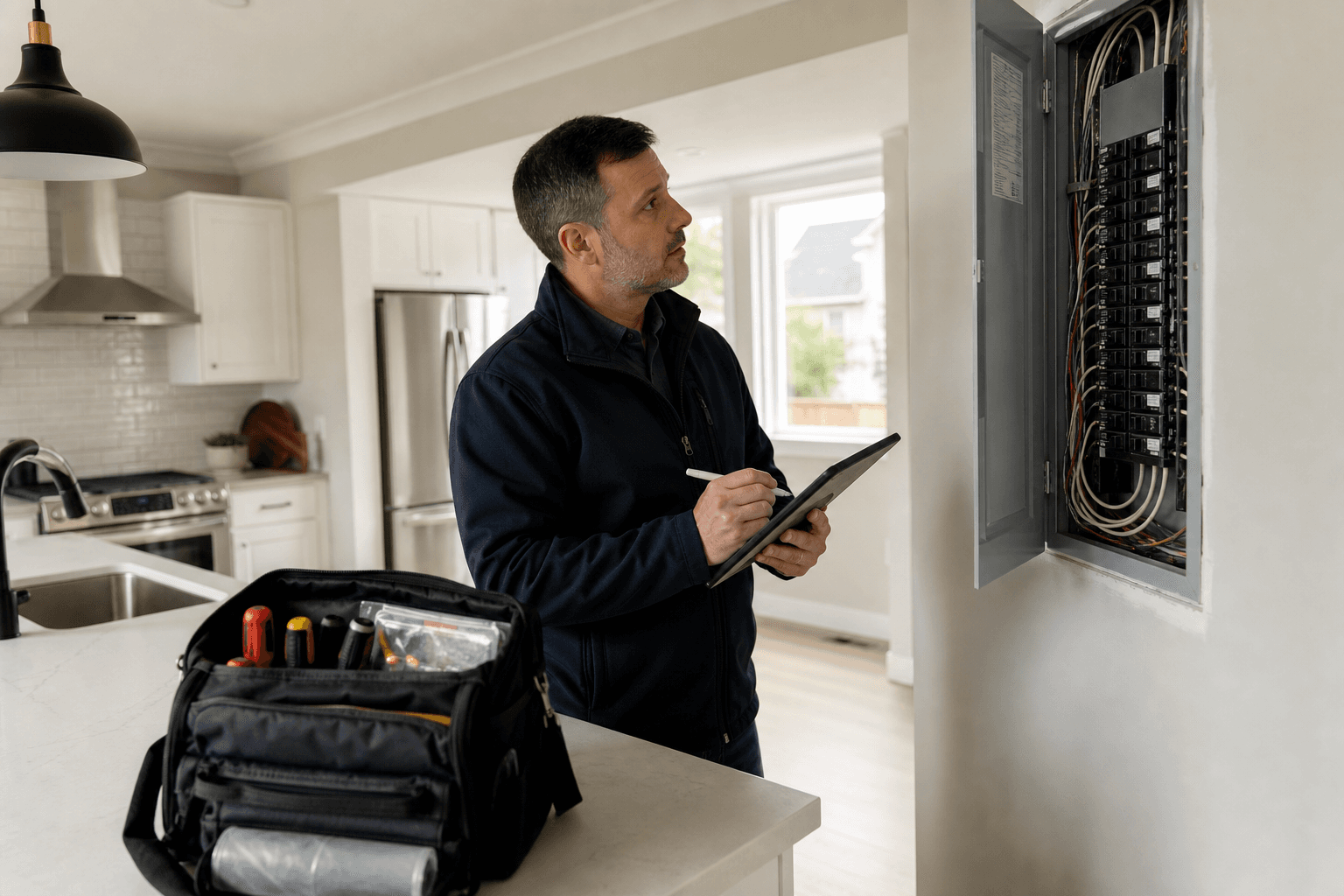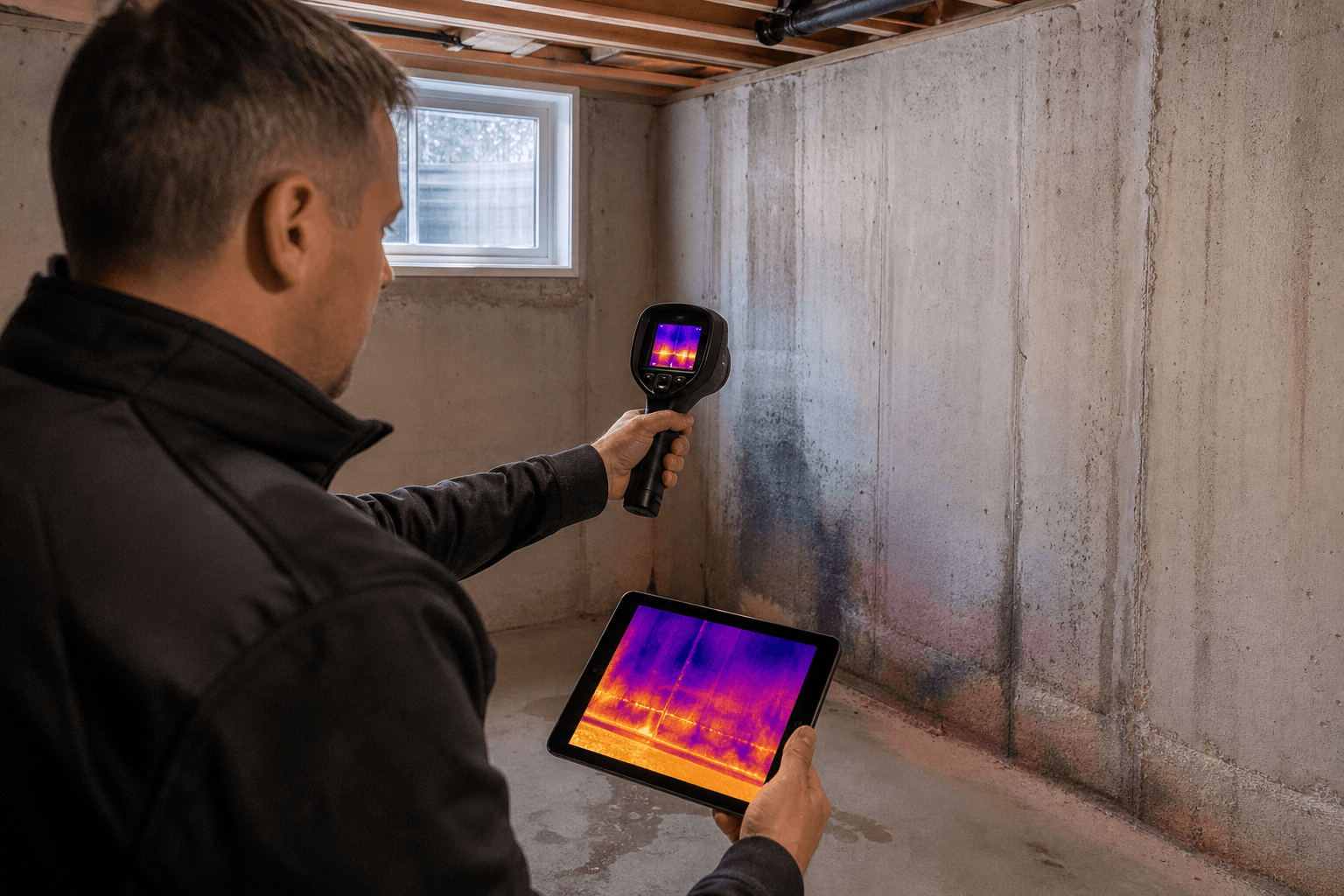
Thermal imaging can add useful context to a Toronto home inspection by showing unusual surface temperature patterns that may point to possible moisture, missing insulation, or air leakage. It is most useful as a complement to a complete visual inspection, not as a replacement for one.
An infrared image can suggest where an inspector should look more closely, but it does not diagnose the cause of a temperature difference. The right decision depends on the property, the concern being investigated, access conditions, and whether further testing may be needed.
Quick summary

- Thermal imaging identifies temperature patterns on accessible surfaces. It does not see through walls.
- A cool or warm area is a clue, not proof of a leak, mold, structural problem, electrical fault, or code violation.
- It can be especially useful in older Toronto homes, finished basements, attics, additions, renovated properties, and converted spaces.
- Weather, heating or cooling operation, stored belongings, locked areas, and concealed construction can affect results.
- Ask whether thermal imaging is included, what areas will be scanned, how findings will be reported, and what follow-up is recommended.
What thermal imaging does during a home inspection
A thermal camera displays differences in the surface temperature of materials. The resulting image uses colours or tones to show warmer and cooler areas, helping an inspector identify patterns that may deserve visual examination or additional testing.
For example, an unusual cool area near a basement wall could be associated with moisture, missing insulation, thermal bridging, air movement, or another condition. The image alone cannot determine which explanation is correct. The inspector must compare it with visible conditions, construction details, moisture readings where appropriate, and information about the property.
Thermal imaging is best understood as a screening and investigation tool. It can help prioritize attention during an inspection, while the broader assessment remains a visual and non-destructive review of accessible systems and components. ASM describes its inspections as covering areas such as structure, roofing, exterior, plumbing, electrical, heating, cooling, insulation, and interior components.
Thermal imaging vs. a standard home inspection

These services answer different questions. A standard inspection evaluates the accessible condition of major systems and components. Thermal imaging adds information about surface temperature patterns that may not be obvious during a normal visual review.
| Approach | Purpose | What it may show | Main limitation | Typical next step |
|---|---|---|---|---|
| Standard visual inspection | Review accessible major systems | Visible damage, deterioration, safety concerns, and maintenance needs | Concealed, inaccessible, locked, stored, or unsafe areas may not be assessed | Prioritize repairs or specialist review |
| Thermal imaging | Identify unusual temperature patterns | Possible moisture, insulation gaps, air leakage, or unusual equipment temperatures | It does not prove the cause or see through walls | Compare with visual findings and arrange suitable testing |
| Specialist assessment | Investigate a suspected issue in depth | Findings within a defined specialty | It addresses a specific question rather than replacing a general inspection | Obtain a diagnosis or repair recommendation |
A thermal scan may make a report more informative, but a same-day PDF report does not make a thermal finding conclusive. The report should explain what was observed, where it was observed, what limitations applied, and whether additional investigation is appropriate.
What thermal imaging may help flag
Possible moisture intrusion
Water can change the temperature of building materials, sometimes creating a pattern that differs from the surrounding surface. A scan may draw attention to areas near basement walls, ceilings, windows, plumbing fixtures, or other potential intrusion points.
A thermal pattern is not proof that water is present. Temperature differences have several possible causes, and moisture may not produce a visible thermal contrast under every set of conditions. Visual evidence and appropriate moisture investigation remain important.
Missing or uneven insulation
Walls, ceilings, attic areas, and other surfaces can show temperature variations where insulation is missing, compressed, unevenly distributed, or interrupted. These patterns may help identify areas for closer review, particularly in older or renovated properties.
Air leakage and unusual heating or cooling patterns
Temperature differences around windows, doors, attic hatches, ducts, vents, and building transitions may suggest air leakage or uneven heating and cooling. Thermal imaging can focus attention on a location that feels drafty or performs differently from surrounding areas.
What a thermal image cannot prove
A bright, dark, warm, or cool area is not automatically a defect. It does not independently prove a plumbing leak, mold, structural failure, electrical hazard, defective insulation, or building-code violation.
Thermal imaging cannot see through drywall, flooring, roofing, insulation, or other finished surfaces. It records the apparent temperature of the accessible surface. Concealed conditions may remain hidden, and a normal-looking image does not guarantee that no problem exists.
Responsible interpretation combines the image with visible observations, property history, weather conditions, suitable moisture measurements, and construction details. Review ASM’s visual and non-destructive inspection approach to understand how accessibility affects the overall inspection.
When thermal imaging can be especially useful in Toronto homes
The value of thermal imaging varies with the property and the question. Toronto includes older homes, post-war housing, renovated properties, finished basements, additions, converted spaces, townhomes, condominiums, and newer infill construction. Each type can create different inspection priorities.
Review the Toronto property inspection context before booking. Thermal imaging may deserve consideration when there is visible staining, a musty odour, a history of water entry, a finished basement, suspected attic insulation gaps, renovation history, drafts, or rooms that remain unusually cold or warm.
These circumstances do not mean thermal imaging is mandatory or that it will find the cause. They indicate that temperature patterns could add useful information to the broader inspection and focus follow-up questions.
Conditions that can affect the results
Thermal imaging depends on a meaningful temperature difference and a clear view of the surfaces being examined. Recent weather, indoor and outdoor temperatures, sunlight, wind, heating or cooling operation, and time of day can influence the image.
Stored belongings, furniture, wall coverings, locked rooms, high or unsafe areas, and concealed construction can limit the scan. An inspector may document those limitations rather than moving items, opening finishes, or entering an unsafe location. Ask whether rooms or equipment need to be operating before the appointment.
Who should consider thermal imaging?
Buyers
Buyers may find it useful when a property has moisture concerns, a finished basement, extensive renovations, an attic conversion, or noticeable temperature differences. It should remain part of a complete pre-purchase inspection, not replace one.
Sellers
A pre-listing inspection can help sellers identify visible conditions before marketing. Thermal imaging may be worth discussing when there is a history of moisture, a drafty addition, uneven room temperatures, or uncertainty about attic insulation. A pre-listing inspection in Toronto can help organize preparation.
Homeowners and landlords
Owners may consider thermal imaging when investigating a recurring cold spot, checking an accessible area after water entry, documenting conditions before renovation, or organizing maintenance. Suspected active leaks, electrical hazards, structural movement, or indoor-air-quality concerns require appropriate specialist follow-up.
Questions to ask before booking
- Is thermal imaging included or optional?
- Which areas will be scanned, and what access is required?
- What conditions should be present before the appointment?
- How will limitations and unusual patterns be described?
- Will relevant images appear in the PDF report with explanations?
- How will the inspector distinguish a clue from a confirmed condition?
- What follow-up may be recommended?
- What are the inspector’s training, credentials, insurance, written scope, and report deadline?
ASM states that findings are delivered in a same-day PDF report. Confirm the exact scope for your property before booking, especially if thermal imaging is requested for a particular concern.
Choosing an inspector in Ontario
Do not choose an inspector solely because a listing mentions infrared or thermal imaging. Compare the complete inspection scope, sample report, written agreement, relevant training, professional credentials, insurance, limitations, and communication process.
Ontario government guidance says there are no mandatory requirements for home inspectors. Consumers should ask about training and experience, check references, obtain quotes, and request a written contract. The Home Inspection Act, 2017 is not yet in force as of October 16, 2026.
Frequently asked questions
Can thermal imaging find a water leak behind a Toronto wall?
It may show a temperature pattern that warrants investigation, but it cannot confirm a leak or see through the wall. Visual review and follow-up moisture testing may be needed.
Is thermal imaging useful for a condo inspection in Toronto?
It can help assess accessible areas within a unit, such as windows, exterior walls, plumbing fixtures, or HVAC components. It cannot establish the condition of concealed building elements or common property outside the agreed scope.
Should buyers request thermal imaging during a pre-purchase inspection?
Consider it when there are risk indicators such as moisture history, concealed finished spaces, renovations, drafts, or uneven temperatures. It should supplement a complete inspection.
Will thermal images be included in a same-day PDF inspection report?
That depends on the provider and agreed scope. Ask whether relevant images will be included and how limitations and follow-up will be explained.
Can thermal imaging replace a specialist assessment?
No. It can identify a location for closer attention, but a specialist may be needed to diagnose a moisture, electrical, HVAC, mold, or structural concern.
Conclusion: decide based on the property and the question
Thermal imaging can be a sensible addition to a Toronto residential inspection when you need more information about a possible moisture pattern, insulation gap, air leak, or unusual temperature difference. Its value is greatest when the property and question justify it, surfaces are accessible, and results are interpreted alongside a complete visual assessment.
Treat every thermal image as a clue that guides the next decision, not proof that a concealed defect has been found. Asmhomeinspection provides certified residential and commercial property inspections across Toronto and the GTA, with accessible systems documented in a same-day PDF report. To discuss the appropriate scope, visit Asmhomeinspection.