If you are budgeting for a home inspection in Toronto, Ontario’s consumer guidance places many inspection fees between $350 and $600, with higher prices possible for larger or more complex homes. ASM publishes residential inspections starting at $199, but that is a starting point rather than a universal final price.
The amount you actually pay depends on the property type, size, age, accessibility, renovation history, and requested scope. The best way to compare a Toronto home inspection quote is to confirm exactly what is included, when the report arrives, and whether taxes or additional charges apply.
Quick summary

- Ontario’s official reference range is generally $350 to $600, although larger or more complex homes can cost more. Ontario consumer guidance recommends comparing quotes and checking training, experience, references, and a sample report.
- ASM’s residential home inspections start at $199. The final quote depends on property type, size, age, access, and requested scope.
- A standard inspection is visual and non-destructive. It reviews accessible major systems but does not automatically reveal concealed defects or replace specialist assessments.
- Before booking, confirm the scope, total cost, HST treatment, report deadline, credentials, insurance, sample report, and limitations in writing.
- A same-day PDF report can help when a purchase, listing, or repair decision has a tight deadline, but speed does not change the agreed scope.
What does a home inspection cost in Toronto?
There is no single Toronto home inspection price for every property. Ontario’s official guidance gives buyers a general benchmark of $350 to $600, while ASM’s published residential starting price is $199. These figures provide context for requesting a quote, not competing promises about the final cost.
The final figure may change for a larger home, multiple structures, difficult access, an older building, extensive renovations, or a broader requested scope. ASM states that its exact price is set by the property’s type, size, age, access, and requested scope, and that every inspection includes a same-day PDF report. For a clear overview of local rates, review the home inspection pricing before comparing quotes.
What changes the final inspection quote?

Inspection fees reflect the time and scope required to assess accessible parts of a property and document the findings. These factors commonly affect what a Toronto buyer, seller, landlord, or owner is quoted.
| Property factor | Why it can affect the quote |
|---|---|
| Property type | Condos, townhouses, detached houses, and multi-unit properties have different systems, exterior responsibilities, and access requirements. |
| Size and layout | More rooms, levels, mechanical spaces, garages, or outbuildings can require more inspection and reporting time. |
| Age and condition | Older construction may involve aging systems, previous repairs, or more visible issues to investigate and explain. |
| Access | Locked rooms, stored belongings, limited attic or crawlspace access, occupancy, and unsafe conditions can affect what is practical to review. |
| Renovation history | Additions, finished basements, second-suite conversions, and infill work can create more systems and transitions to assess. |
| Requested scope | Pre-purchase, pre-listing, new construction, move-in, and annual maintenance inspections may serve different purposes. |
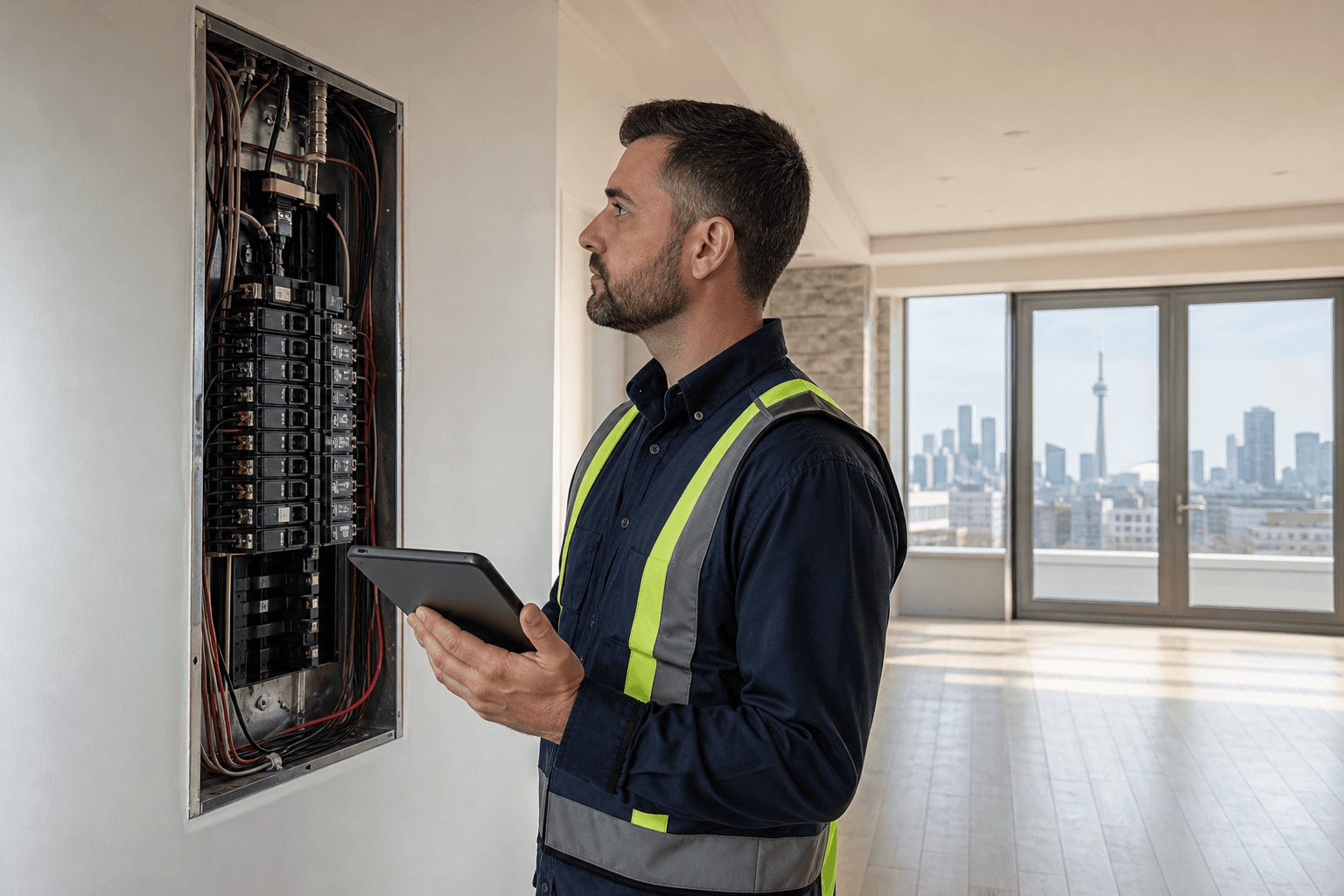
A condo inspection may focus on the unit’s interior and accessible systems. The building’s roof, foundation, exterior envelope, and shared mechanical equipment may be outside the unit inspection or governed by condominium maintenance responsibilities. A detached home generally presents a broader combination of exterior, roofing, foundation, grading, garage, attic, and mechanical components.
Why Toronto property history can affect inspection time
Toronto’s building stock varies significantly. A property may be a century home, post-war house, townhouse, condominium, renovated older building, or newer infill construction. These categories are not price guarantees, but they help explain why two properties with similar floor areas can require different inspection time and attention.
Renovation history is especially important. A finished basement, rear addition, converted space, or second suite may introduce changes to structure, plumbing, electrical, insulation, ventilation, or drainage. The inspector can document accessible visible conditions, but concealed work may require separate documentation or specialist review. Review guidance on Toronto property inspections before estimating your likely cost.
What a standard visual home inspection includes
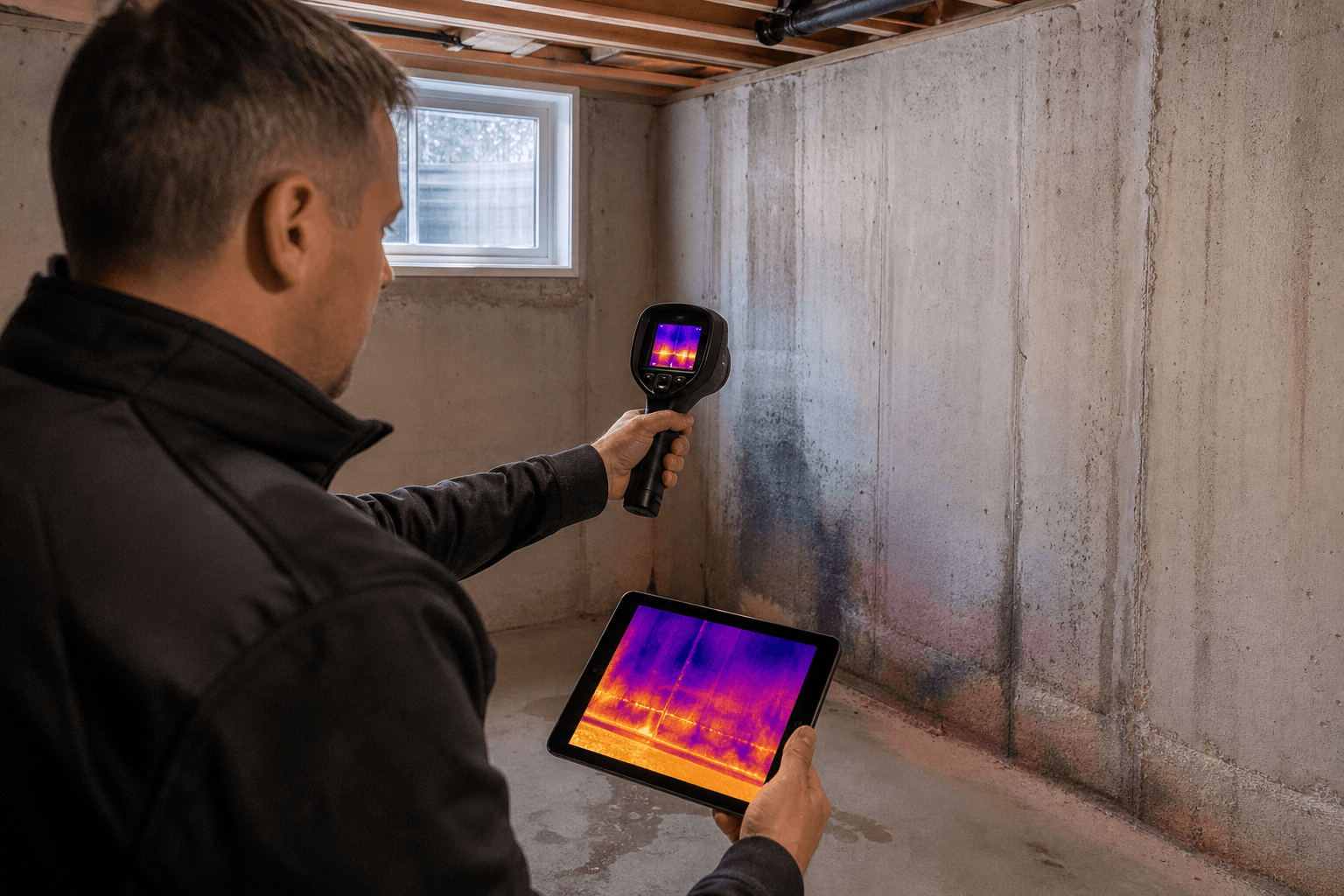
A residential home inspection examines accessible, visible components rather than dismantling the property. Depending on the property and agreed scope, ASM describes coverage that may include roofing, the exterior, structure and foundation, plumbing, electrical systems, heating and cooling, attic and insulation, windows, doors, and interior components.
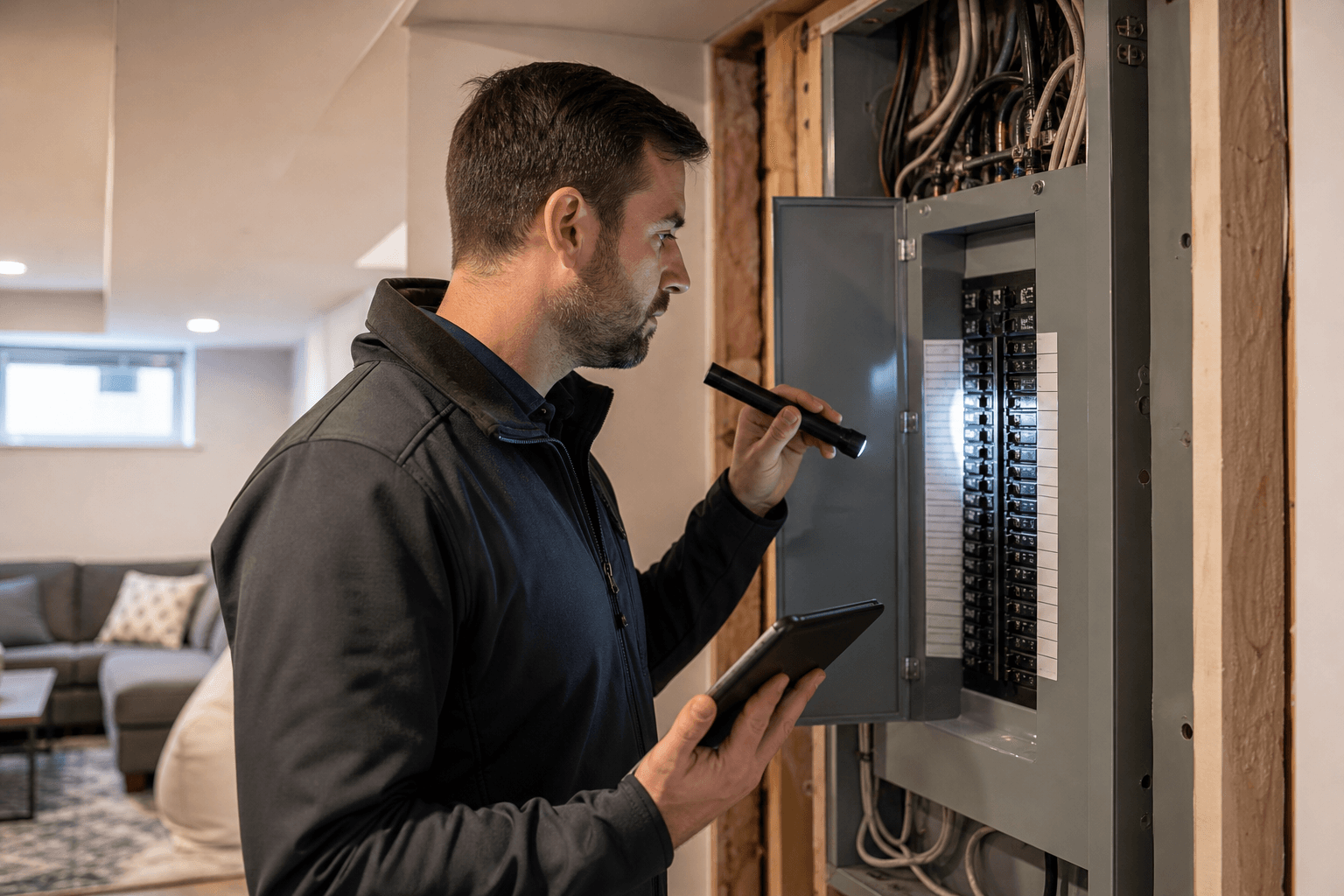
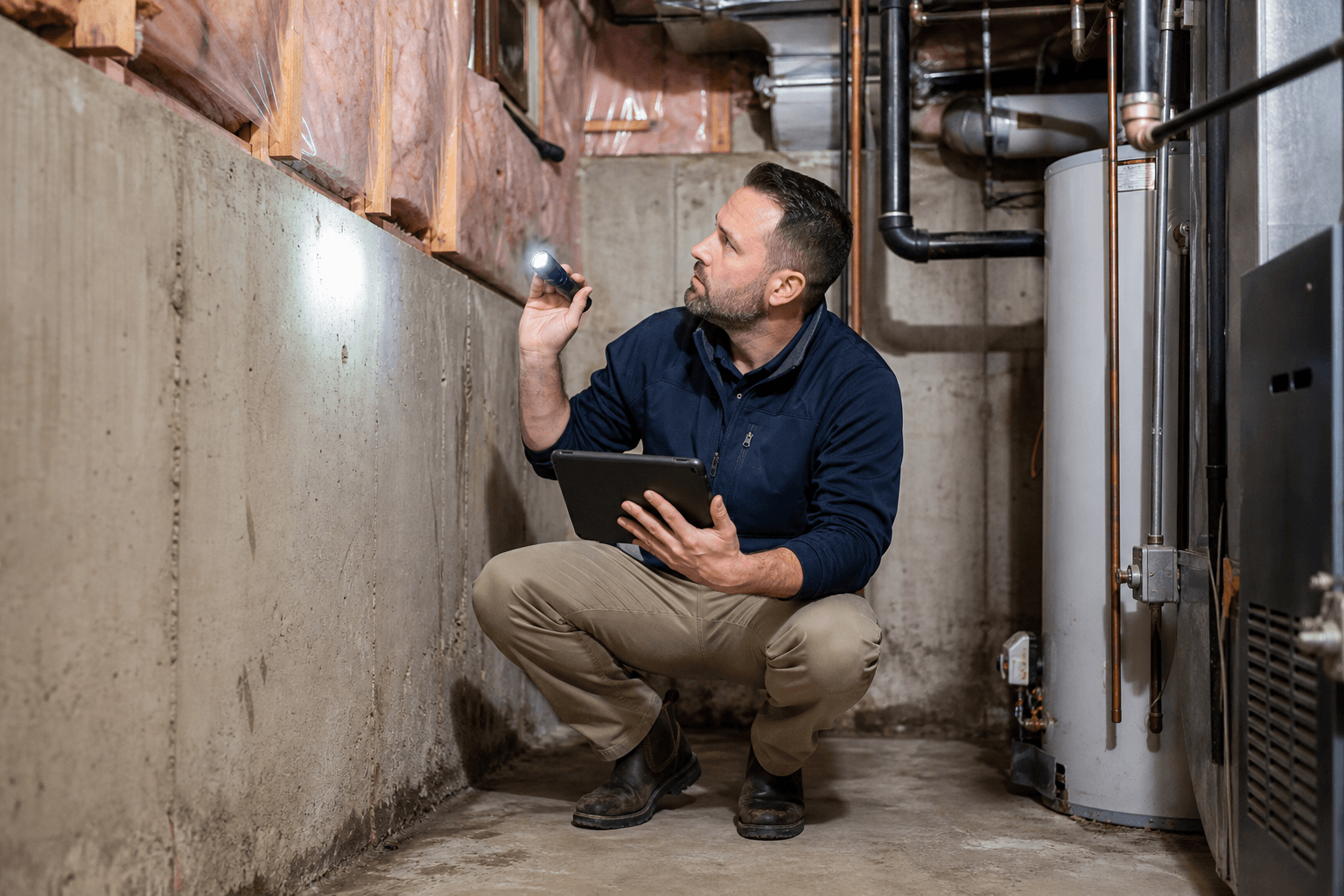
This can include observations of the roof surface, gutters and downspouts, soffits, exterior walls, basement, stairs, railings, decks, visible foundation conditions, plumbing fixtures, electrical panels and receptacles, furnace, water heater, air conditioning equipment, walls, floors, ceilings, and cabinets.
The exact scope matters more than a long component list. Before booking, confirm the home inspection scope so you understand which accessible systems are included and what limitations may apply.
What the inspection price does not automatically cover
A standard inspection is visual and non-destructive. The inspector does not normally open walls, remove finishes, dismantle equipment, or disturb stored belongings to investigate concealed conditions. Locked areas, unsafe locations, inaccessible components, weather limitations, and items outside the agreed scope may be identified as limitations.
A home inspection is not automatically an engineering review, municipal code inspection, environmental assessment, specialist mould or asbestos investigation, sewer inspection, or invasive investigation. If it reveals a concern involving structure, drainage, electrical work, HVAC performance, or a possible environmental hazard, the next step may be a qualified specialist review.
Ontario’s Home Inspection Act, 2017 has not come into force, so buyers should not assume that a provincial licence is available to verify. Ask about training, relevant experience, professional association memberships, insurance, written scope, and reporting practices instead.
How to compare Toronto home inspection quotes
The lowest number is not necessarily the lowest-cost option if it excludes important areas or provides too little documentation. Use these home inspection rate factors to assess whether a lower quote includes the same scope and reporting quality.
- Scope: Ask which accessible systems, exterior areas, garages, attics, basements, and outbuildings are included.
- Total price: Confirm the total amount and whether HST is included or added separately.
- Possible extra charges: Ask whether travel, additional structures, specialty services, or difficult access could change the quote.
- Report timing: Confirm when the report will arrive and whether it includes photographs, observations, and limitations.
- Credentials and experience: Ask about training, memberships, property-type experience, and professional liability insurance.
- Sample report: Check whether findings are understandable, prioritized, and specific enough for follow-up.
- Limitations: Ask what cannot be assessed and when specialist referrals may be appropriate.
Ontario’s consumer guidance also recommends getting more than one quote, checking references and experience, and asking to see a sample report. These checks help you compare the service behind the price instead of headline numbers alone.
Why report timing matters in a real estate transaction
A same-day inspection report can help when a buyer is working within a condition period, a seller is planning repairs before listing, or an agent needs to organize questions quickly. ASM states that it delivers a PDF report on the same day, with photographs and written observations.
The report can help distinguish urgent safety concerns from routine maintenance and organize questions for a contractor, engineer, lawyer, seller, or real estate professional. It does not guarantee that every defect will be found or remove the need for professional follow-up. This guide to buying a home in Toronto can help place the inspection within the wider transaction timeline.
What to send when requesting an exact quote
Provide enough information to match the quote to the property. Include the address, property type, approximate size, age, occupancy, access conditions, known additions or renovations, inspection purpose, preferred timing, and questions about inclusions and taxes.
“Please provide a quote for a residential home inspection at [property address]. It is a [condo, townhouse, detached home, or other property type], approximately [size], built in [year or approximate age]. The property has [basement, garage, addition, finished space, or known renovation details]. I need the inspection for [purchase, listing, move-in, new construction, or maintenance] by [preferred date]. Please confirm the inspection scope, total price, HST, report delivery time, and any limitations or additional charges.”
Also mention multiple units, outbuildings, crawlspaces, unusual features, or commercial components. ASM serves Toronto and several GTA communities, but availability and scope should be confirmed for the exact address.
Frequently asked questions
Is $199 the typical final price for a Toronto home inspection?
No. $199 is ASM’s published residential starting price, not a guaranteed final price. The quote can change based on property type, size, age, access, and requested scope. Ontario’s general reference range is $350 to $600, with higher fees possible for larger or more complex homes.
Why can two Toronto home inspection quotes differ?
Quotes may cover different areas, report formats, turnaround times, property features, access conditions, or services. Ask each provider for a written scope, total cost, tax treatment, report deadline, limitations, and possible additional charges.
Does a Toronto condo inspection cover the roof and foundation?
Not necessarily. A unit inspection generally focuses on accessible conditions inside the unit and may not include shared building elements such as the roof, foundation, exterior envelope, or common mechanical systems.
How quickly will I receive a home inspection report?
Timing varies by provider and agreement. ASM states that its findings are delivered in a same-day PDF report with photographs and written observations. Confirm the deadline before booking.
Can a visual home inspection identify concealed defects?
No. It can identify signs suggesting a possible hidden problem, but it does not normally open walls, dismantle equipment, or investigate inaccessible areas. Concealed, locked, unsafe, or out-of-scope conditions may require specialist assessment.
Conclusion: request a property-specific inspection price
Use Ontario’s $350 to $600 guidance as general context, then treat any advertised starting price as an entry point rather than a promise. Property type, size, age, access, renovation history, and inspection purpose are more useful for estimating the actual quote.
Before choosing an inspector, compare the written scope, total cost, HST treatment, report timing, credentials, insurance, sample report, and limitations. Once you have the address and property details ready, Asmhomeinspection can provide a property-specific quote for a residential inspection in Toronto or the GTA.