A new construction home inspection in Toronto is an independent condition assessment of a newly built residential property. An inspector reviews observable major systems and components, including the roof, attic, structure, foundation, plumbing, electrical, HVAC, basement, windows, doors, and related areas.
New construction does not automatically mean every part of a home is perfect. An independent inspection provides a documented view of observable conditions within an agreed scope, helping buyers, investors, and owners decide what questions or follow-up may be appropriate.
Quick summary

- A new construction inspection is a separate review of observable property conditions.
- It may identify moisture-related concerns, visible workmanship issues, and conditions affecting major systems.
- The scope may include the roof, attic, foundation, basement, plumbing, electrical, HVAC, windows, doors, stairs, and other components.
- It cannot guarantee discovery of concealed defects, predict future performance, or replace builder, warranty, municipal, or legal processes.
- Before booking, confirm residential experience, written scope, credentials, report format, and turnaround time.
Why Consider an Inspection for a Newly Built Home?
A newly built home still contains interconnected systems that must work together. An independent assessment can provide another perspective on observable condition rather than relying only on the property’s age.
The review may document major components, identify concerns that deserve clarification, and improve your understanding of the home’s condition. It can also organize information for follow-up with the appropriate party.
This does not mean every new home has serious defects. It means that recent construction alone does not describe the condition of every visible system, finish, connection, or moisture-management detail. Before arranging service, ask what will be reviewed, what access is required, and how findings will be reported. The questions to ask a Toronto home inspector before booking can help with that comparison.
How Is an Independent Inspection Different From the Builder’s Process?

An independent inspection is a condition assessment performed for the client. It is separate from builder communications, internal quality-control activities, handover procedures, municipal processes, permit documentation, warranty programs, and legal advice.
These processes may have different purposes and scopes. An inspector records observable conditions, but does not determine what a builder, warranty provider, municipality, or other party must do. Confirm how you intend to use the report and keep related builder, warranty, permit, and transaction documents separate.
What Can a New Construction Home Inspection Cover?
The exact scope should be confirmed in advance. Generally, the inspection is a system-by-system review of accessible and observable components, not a guarantee that every part of the building will be examined in every possible way.
Exterior, roof, attic, and moisture conditions
An exterior review may consider visible surfaces, roof components, gutters and downspouts, soffits, the attic, and conditions related to drainage or moisture management. The inspector may document visible water entry, staining, deterioration, or other moisture-related observations within the agreed scope.
Moisture intrusion matters because ongoing moisture can damage building materials and create safety concerns for occupants. However, an inspection cannot promise that every source or concealed effect will be found. See these roof moisture detection considerations for GTA properties for related context.
Structure, foundation, and basement areas
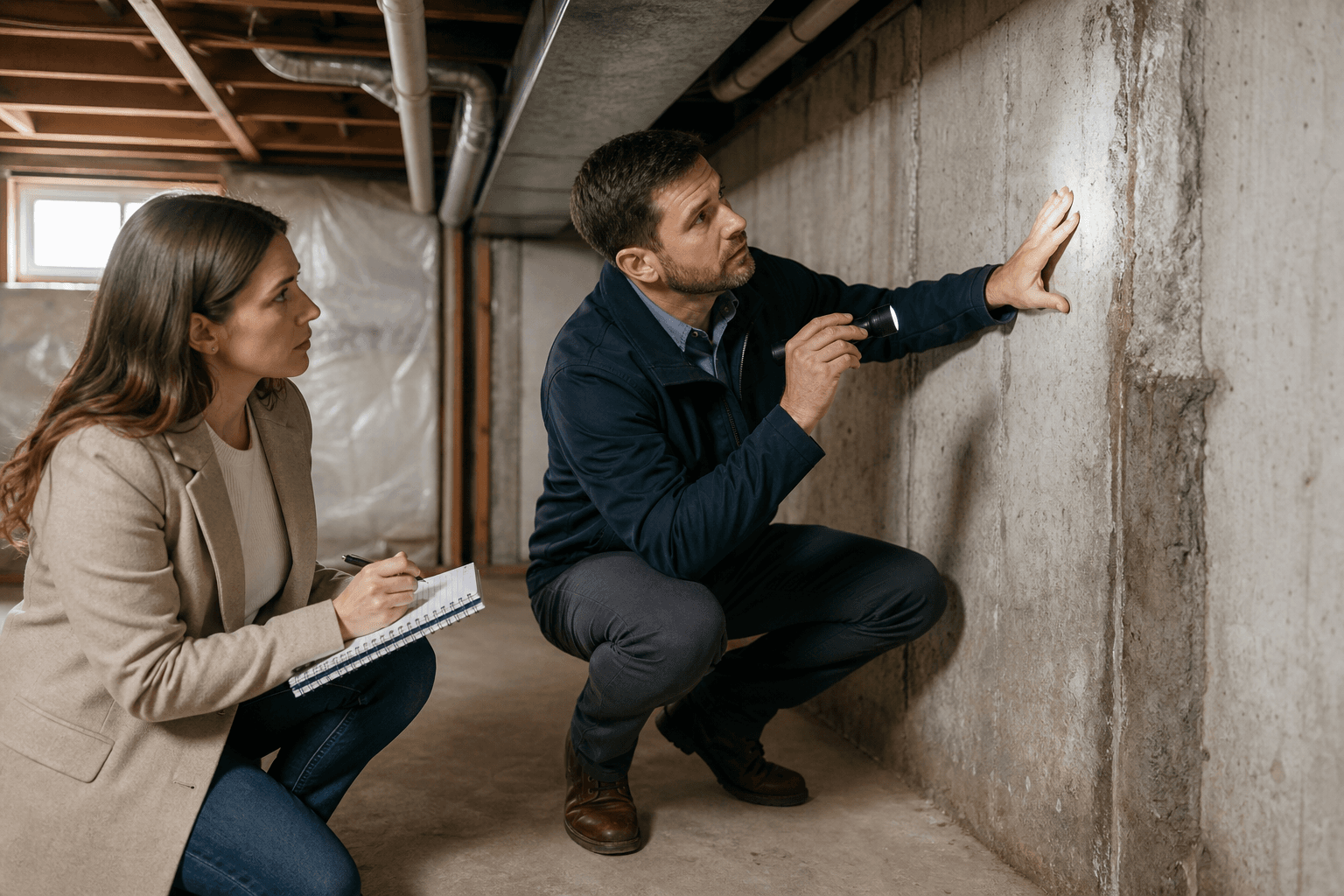
The inspection may include observable aspects of the structure or foundation, along with basement walls, floors, ceilings, and related areas. These observations can establish whether visible conditions deserve further review or maintenance attention.
Access and visibility affect what can be assessed. Concealed, inaccessible, or specialized conditions may require additional evaluation. A basement inspection is therefore useful as part of a broader assessment, but it does not rule out every structural or moisture concern. Related context is available in this article about basement moisture mitigation in the GTA.
Plumbing, electrical, and HVAC systems
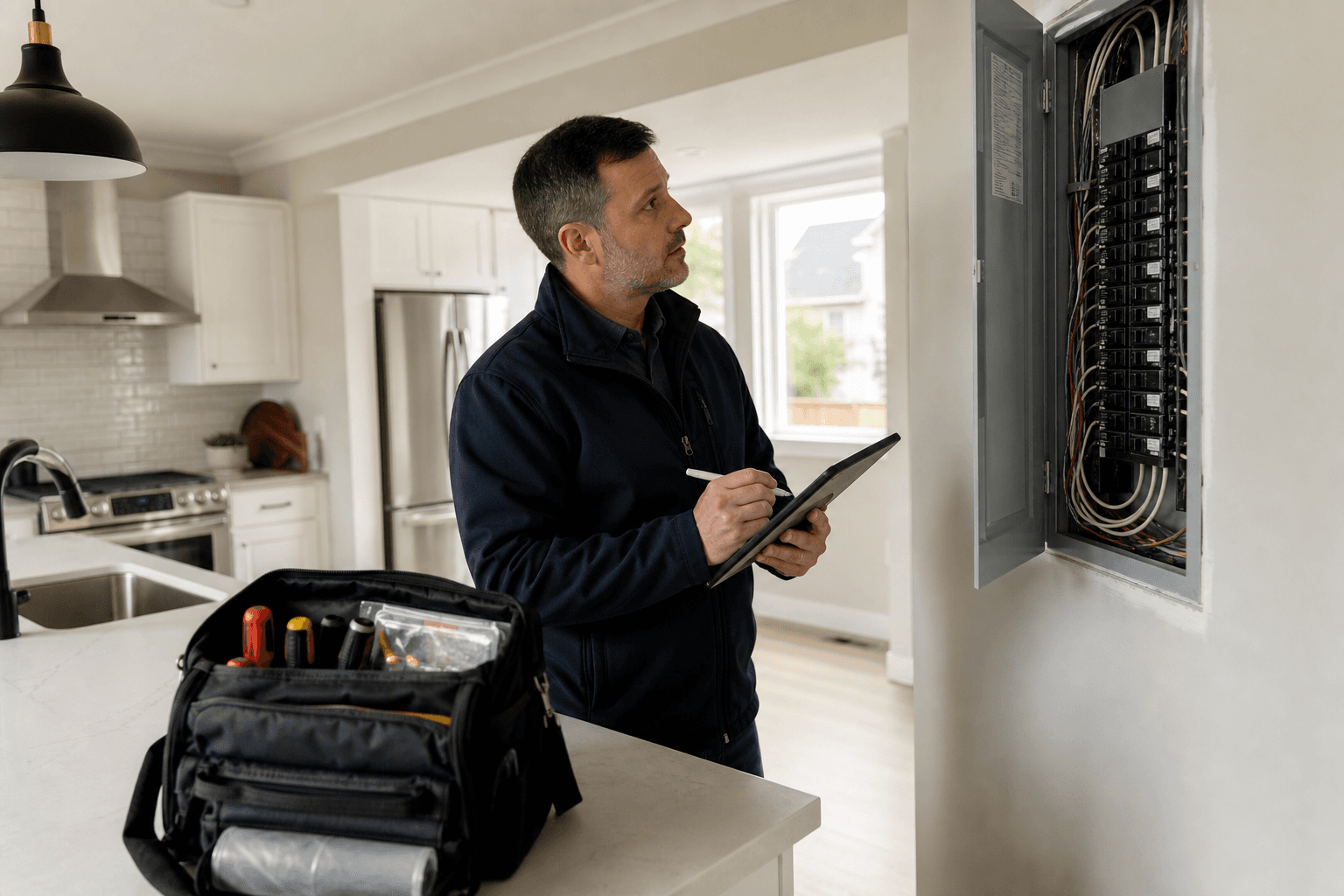
A new construction inspection may review visible plumbing systems and fixtures, electrical panels, lights and receptacles, furnace equipment, water heaters, air-conditioning components, and other related areas included in the scope.
Documenting observable conditions can help you understand questions to raise after the inspection. The service should not be treated as exhaustive testing, code certification, or a prediction of equipment performance throughout its service life.
Interior components and safety-related areas
The review may also include walls, floors, ceilings, cabinets, windows, doors, stairs, railings, garages, porches, decks, and other visible components. These areas may reveal finish, installation, operation, or safety-related conditions worth documenting.
Considering these components alongside major systems gives you a broader picture of observable condition and helps distinguish maintenance observations from issues that may need a qualified trade or specialist.
When Should You Arrange the Inspection?
Timing depends on your transaction and the access available. Some readers arrange an inspection before a purchase or occupancy milestone. Others seek an assessment after moving in or during ownership to document condition and identify maintenance priorities.
Confirm whether the home is accessible, whether major systems can be viewed, and whether the service is intended for a pre-purchase, new construction, or move-in purpose. A Toronto move-in inspection serves a different documentation need from an inspection for a newly constructed purchase.
Do not assume the inspection date resolves builder, warranty, transaction, or legal timing questions. Confirm those requirements with the relevant professional or organization.
How to Choose a Toronto New Construction Inspector
Compare whether the service fits the property and your decision. A low price or fast report does not, by itself, explain what will be assessed or how limitations will be handled.
- Residential experience: Ask whether the inspector regularly assesses residential properties and newly constructed homes.
- Credentials: Request stated certifications or professional memberships and ask what they mean for the service.
- Written scope: Confirm coverage of the roof, attic, structure, foundation, basement, plumbing, electrical, HVAC, windows, and doors.
- Access and exclusions: Ask how concealed, unfinished, inaccessible, or restricted areas will be treated.
- Report format: Confirm whether you receive a PDF report and how findings and recommendations are explained.
- Turnaround: Verify when the report will arrive and whether that timing fits your needs.
- Follow-up: Ask whether the inspector explains observations and distinguishes findings from specialist or legal advice.
Credentials, Scope, and Reporting: What to Confirm
Credentials are one useful comparison point, but they should be considered alongside experience, scope clarity, communication, and reporting. Certification or membership does not guarantee that every condition will be identified.
ASM Home & Commercial Inspection states that its inspector is a certified member of InterNACHI and the Certified Commercial Property Inspectors Association. The company provides residential and commercial inspections across the Greater Toronto Area and lists new construction inspections among its residential services.
ASM also states that it provides same-day PDF inspection reports. If turnaround matters to your purchase or occupancy plans, confirm delivery timing and report contents when requesting service.
What a New Construction Inspection Cannot Guarantee
An inspection is a condition assessment within an agreed scope. It cannot guarantee discovery of every defect, moisture source, installation concern, or safety condition.
It cannot promise access to concealed or inaccessible areas, establish future performance, or provide destructive investigation unless a separate service is agreed. It also does not replace a builder’s process, warranty program, municipal or permit review, code-compliance determination, or legal advice.
A finding may require evaluation by a qualified trade, engineer, environmental professional, lawyer, or another specialist. The report documents observations but is not a universal answer to every technical or contractual question.
Finding the Right Inspection Scope Across Toronto and the GTA
When requesting a quote, provide the property location, construction stage, property type, and reason for the inspection. Explain whether you are buying, preparing for occupancy, investing, or documenting an existing condition.
ASM Home & Commercial Inspection states that it serves Toronto and GTA communities including Mississauga, Markham, Vaughan, Richmond Hill, Brampton, Oakville, Pickering, Whitby, and Oshawa. Confirm availability, property size and type, inspection scope, and current pricing directly before booking.
Frequently Asked Questions
Do new homes need an independent inspection in Toronto?
Not every new home requires the same service, and an inspection does not replace another process. Buyers, investors, and owners may choose an independent assessment when they want a documented view of observable systems and components. Confirm purpose, scope, access, and separate transaction or warranty requirements first.
What systems are reviewed during a new construction inspection?
The scope may include the roof, attic, gutters and downspouts, soffits, structure or foundation, basement, plumbing, electrical, HVAC, walls, floors, ceilings, windows, doors, stairs, railings, garages, porches, and decks. Exact inclusions depend on access and the agreed scope.
What does the inspection report provide?
A report documents observed conditions and recommendations within the agreed scope. ASM states that it provides same-day PDF inspection reports. Ask what the report includes, when it will be delivered, and how findings requiring specialist follow-up are explained.
Can an inspection find every defect in a newly built home?
No. Concealed, inaccessible, destructive, and future conditions may not be identified. Read the report as an assessment of observable conditions at a particular time, not as a prediction or certification of warranty, legal, or building-code status.
Is a New Construction Home Inspection Right for You?
A new construction home inspection in Toronto may be useful if you want an independent, documented view of a newly built property’s observable systems and components. It can organize questions about moisture, the roof and attic, foundation and basement areas, plumbing, electrical, HVAC, windows, doors, and other parts of the home.
Your decision should reflect your purpose, timing, access, and expectations. Confirm the written scope, limitations, credentials, report format, and turnaround before booking, and keep the inspection separate from builder, warranty, municipal, and legal processes.
For GTA service details, contact ASM Home & Commercial Inspection about residential scope, availability, and same-day PDF reporting. Scheduling details are +1 647-381-9030 and asmhomeinspection@gmail.com.