Before booking a home inspector in Toronto, compare more than the quoted price. Ask about verifiable credentials, the exact inspection scope, how moisture and major systems will be assessed, when the report will arrive, and whether the inspector handles your property type. These checks help buyers, sellers, landlords, tenants, investors, and real estate professionals choose an inspection that fits the decision they need to make.
Quick Summary

- Verify the inspector’s credentials and understand what each affiliation represents.
- Request a clear, component-by-component explanation of the residential or commercial inspection scope.
- Ask how the inspection addresses moisture intrusion, the roof, foundation, plumbing, electrical, HVAC, and other major systems.
- Confirm the report format and delivery timing, especially when you need a same-day PDF inspection report.
- Match the inspection type to the property and purpose, then provide complete details when requesting a quote.
If you are still deciding between inspection types, compare the property and timeline considerations in this GTA home inspection resource.
The Five Checks to Make Before Hiring a Toronto Home Inspector
| Check | Why it matters | Question to ask |
|---|---|---|
| Credentials | Credentials help you understand an inspector’s training and professional standards. | Which credentials do you hold, and where can I verify them? |
| Inspection scope | A vague promise of thoroughness does not identify the systems and components reviewed. | What is included, and what limitations or specialist assessments should I know about? |
| Moisture and major systems | Moisture intrusion and system defects can affect condition, maintenance needs, and safety. | How will you assess visible moisture concerns and the roof, foundation, plumbing, electrical, and HVAC systems? |
| Report delivery | Timing and documentation matter during transactions and move-in schedules. | When will I receive the report, in what format, and how are findings explained? |
| Property-type fit | A house, new build, rental move-in, and commercial facility have different inspection purposes. | Which inspection type and scope suit this property and my reason for booking? |
1. Which Credentials and Professional Affiliations Can You Verify?

Ask the inspector to identify the credentials that apply to your inspection and explain how you can verify them. This is more useful than relying on a general statement such as “qualified” or “certified.” InterNACHI’s Toronto directory explains that listed members are InterNACHI Certified Professional Inspectors and meet or abide by the organization’s standards. You can use the InterNACHI Toronto inspector directory as one verification point, without treating directory presence as an endorsement.
The Ontario Association of Home Inspectors directory uses the designation RHI for Registered Home Inspector members and lists inspectors serving Toronto areas. That is separate from InterNACHI or CCPIA membership, so do not assume one credential means the inspector holds another. The OAHI Toronto directory can provide neutral comparison context.
ASM Home & Commercial Inspection states that its inspector is a certified member of InterNACHI and the Certified Commercial Property Inspectors Association, or CCPIA. These affiliations are relevant to its stated residential and commercial inspection services, but certification alone does not guarantee inspection quality. You should still assess the scope, communication, report, and property-type fit.
2. What Exactly Does the Residential Home Inspection Include?
One common hiring mistake is accepting “thorough” language without asking what the inspection actually covers. Request a component-by-component explanation before booking a residential home inspection. ASM’s stated scope includes the roof, attic, gutters and downspouts, soffits, structure and foundation, garage, stairs and railings, porches and decks, walls, floors and ceilings, doors and windows, cabinets, basement, plumbing, electrical systems, furnace, water heater, and air conditioning or HVAC.
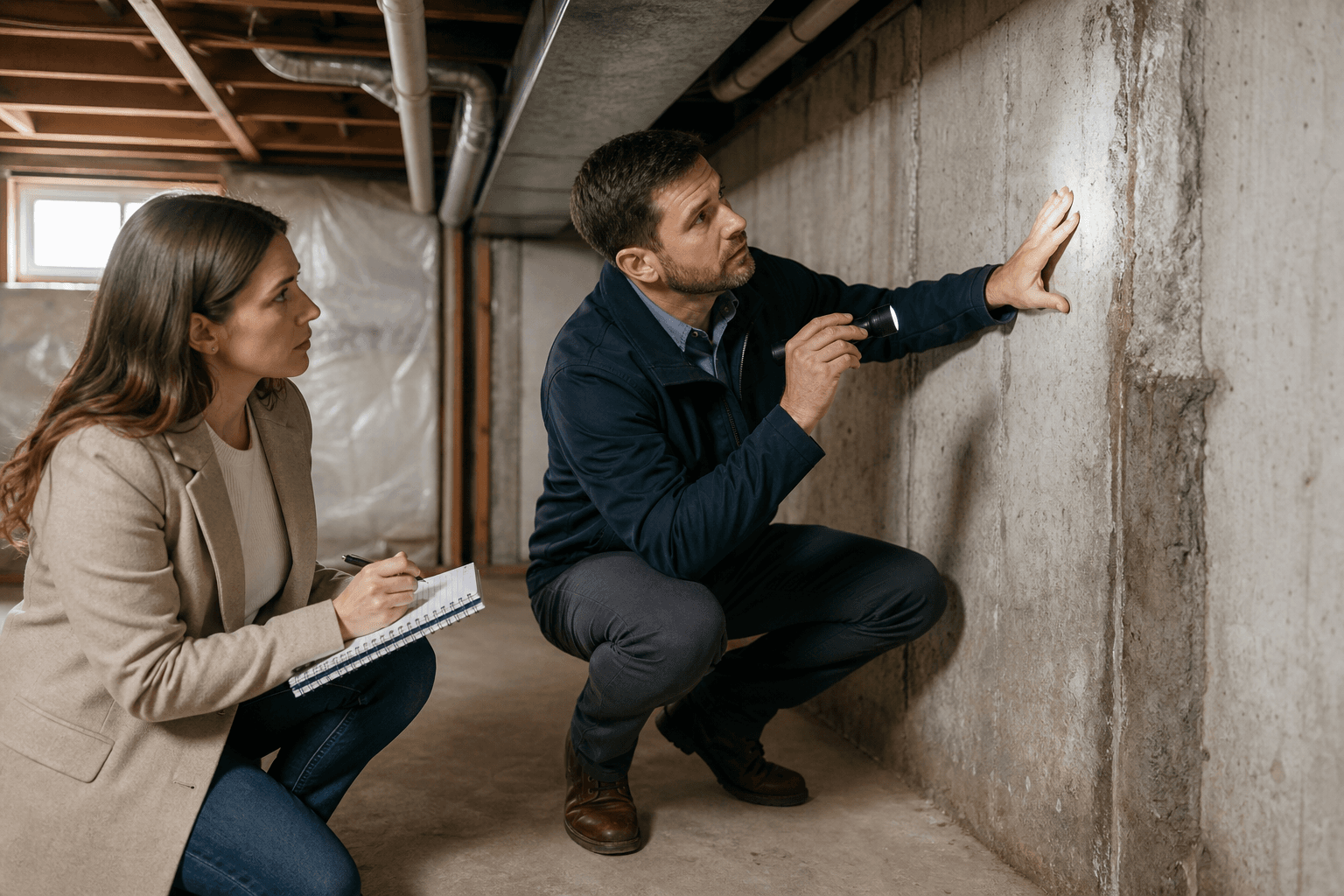
Ask how findings will be documented and which parts of the property may require access or preparation. Also ask what limitations apply and whether a separate specialist assessment may be appropriate for a concern outside the inspection’s stated scope. This clarifies what conclusion the report can and cannot support.
A buyer arranging a pre-purchase home inspection should ask whether the scope fits the property’s age, construction, and visible condition. A seller arranging a pre-listing inspection may want the same broad review but will use the information to understand maintenance or repair issues before listing.
3. How Will the Inspector Assess Moisture and Major Systems?
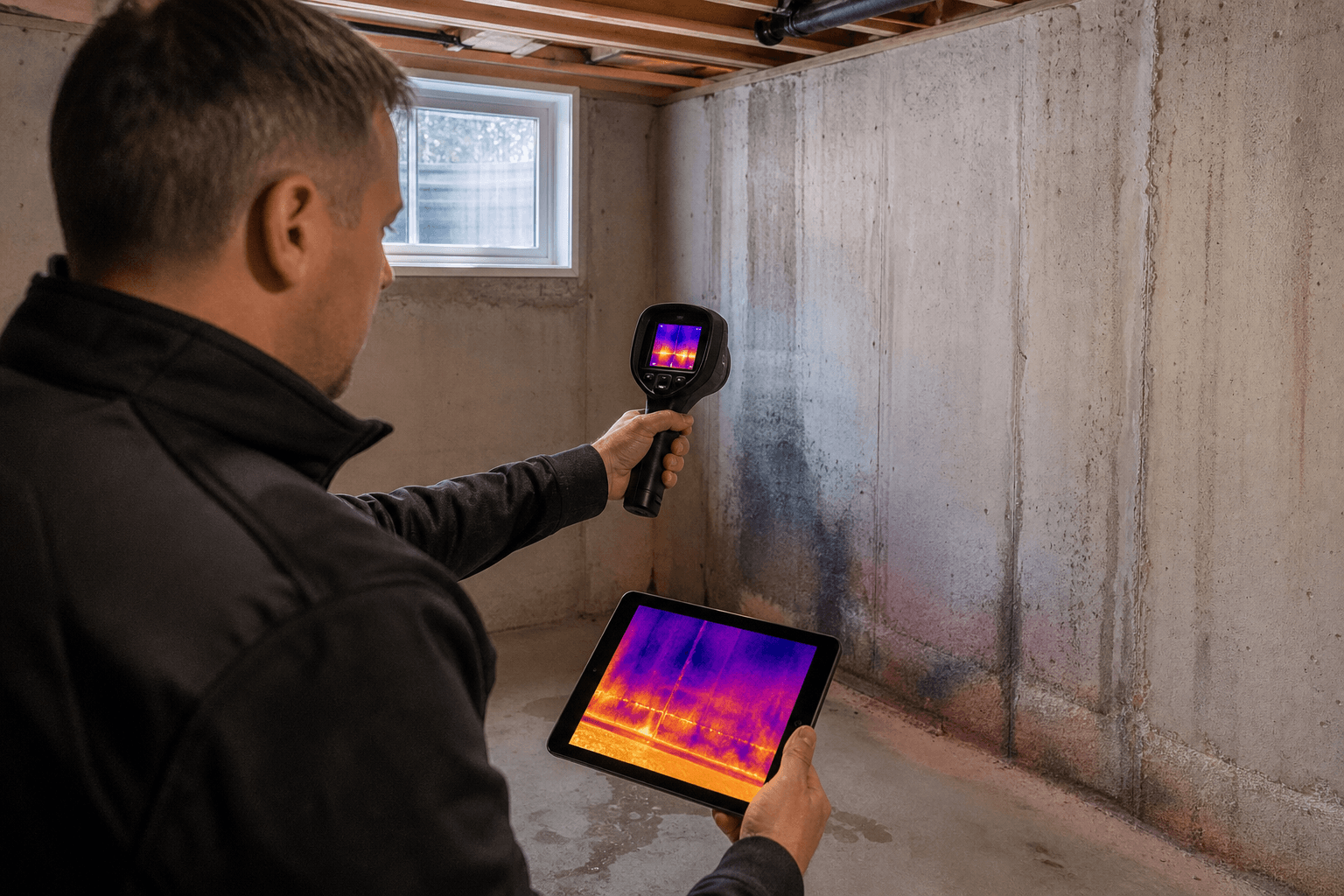
Do not ask only whether the inspector “checks for moisture.” Ask where the inspection will look for visible signs and how those observations will be explained. Potential areas include the roof and attic, foundation and basement, plumbing components, exterior drainage features, and other locations where water entry or accumulation may affect a building.
ASM emphasizes identifying moisture intrusion early because it can contribute to structural damage and occupant safety risks. Ask how any observed concern will be described, where it was found, and what follow-up may be recommended. Avoid assuming that a visual property inspection can identify every hidden condition or replace a specialist investigation.
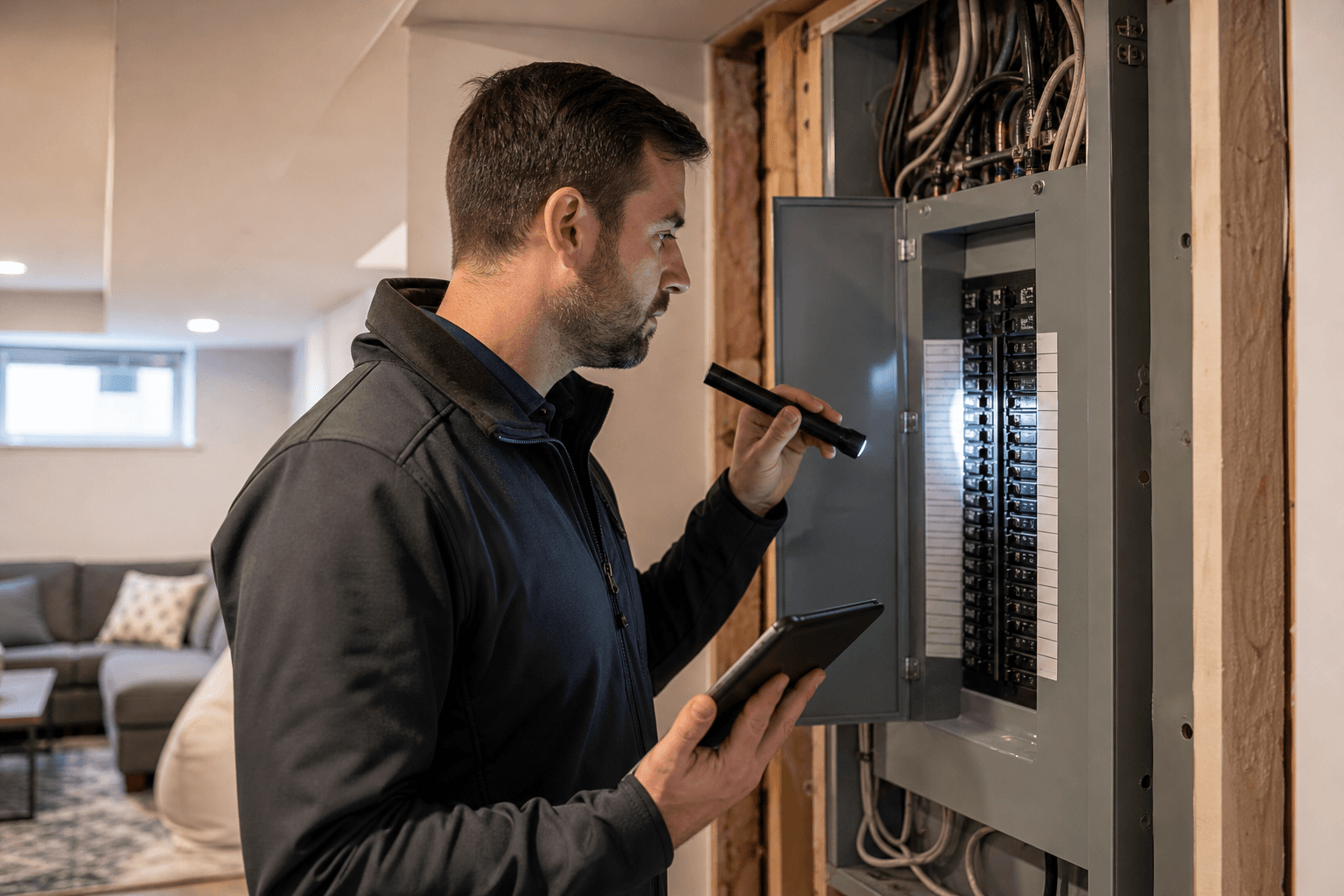
Confirm that the scope addresses the electrical panel, lights and receptacles, plumbing systems and fixtures, furnace, water heater, air conditioning, structure and foundation, roof, attic, and basement where applicable. Clear answers help distinguish a broad system review from a narrower service.
4. When Will You Receive the Report, and What Will It Contain?
Report timing is a practical hiring criterion when a purchase, listing, rental move-in, or professional workflow has a tight schedule. Ask whether the report is delivered electronically, when it will be available, and how findings are organized. You should also ask how the inspector distinguishes observed conditions, maintenance recommendations, and issues that may warrant further evaluation.
ASM Home & Commercial Inspection states that it provides same-day PDF inspection reports. If that timing suits your needs, confirm it for the specific property, inspection type, and appointment. A same-day PDF report can make documentation available quickly, but it does not guarantee a particular negotiation, closing, or repair outcome.
5. Is This the Right Inspection for the Property and Its Purpose?
The right questions change depending on the situation:
- Pre-purchase: Ask whether the scope fits a property you are considering buying.
- Pre-listing: Ask how findings can help you understand the home’s condition before listing.
- New construction: Explain that the property is newly built and ask how visible workmanship or condition concerns will be addressed.
- Move-in: For a rental, ask how the condition will be documented at the start of occupancy.
- Annual maintenance: Ask how the review can support awareness of condition and maintenance needs.
Tell the inspector whether you are a buyer, seller, investor, landlord, tenant, or property manager. You can also read how property type and timeline affect a GTA inspection decision.
When Do You Need Commercial Property Inspection Experience?
Do not treat every property as though it were a detached house. A commercial property inspection may involve an apartment or condominium building, retail store, restaurant, school, hospital, church, warehouse, manufacturing plant, office, hotel, motel, gas station, storage facility, or other industrial property. Ask whether the inspector accepts the type of property you are evaluating and whether the proposed scope reflects its use and systems.
ASM states that it provides certified commercial inspections across these categories and identifies CCPIA certification as part of its professional positioning. That is relevant information to verify and discuss when evaluating providers, but it is not by itself proof that one provider is superior.
What Information Should You Send When Requesting a Quote?
Include the property address or GTA municipality, whether it is residential or commercial, approximate size and property type, inspection purpose, preferred date and report timing, and any known moisture, roof, foundation, plumbing, electrical, or HVAC concerns.
Compare price only after the scope is clear. ASM’s supplied business information references promotional pricing starting from $199 and a 20% discount, but pricing may vary by property type, size, and scope. Confirm current pricing and promotional terms before booking.
Does the Inspector Serve Your Toronto-Area Location?
ASM Home & Commercial Inspection states that it serves the Greater Toronto Area, including Toronto, Mississauga, Markham, Vaughan, Richmond Hill, Brampton, Oakville, Pickering, Whitby, and Oshawa, among other GTA municipalities. Confirm the exact municipality and property details when contacting the inspector. Service-area coverage confirms availability in a location; it does not automatically establish neighborhood-specific expertise.
Conclusion: Book the Inspector Whose Answers Match Your Property
The strongest hiring decision comes from specific answers, not vague claims or the lowest price alone. Verify credentials, request a detailed scope, ask directly about moisture intrusion and major systems, confirm report format and timing, and match the service to the property and purpose. For a commercial building, make sure the inspector’s stated experience and credentials align with that type of facility.
For a GTA residential or commercial inspection, contact ASM Home & Commercial Inspection at +1 647-381-9030 or asmhomeinspection@gmail.com to discuss scheduling and the scope that fits your property.