If you are buying, selling, managing or upgrading a home or small commercial property in the Greater Toronto Area, an electrical safety assessment helps you understand risk, capacity and immediate repair needs. This article explains how an electrical safety assessment differs from a quick inspection or an electrical plan review, lists Ontario-specific questions you must ask providers, and gives practical tradeoffs to help you pick the right level of service.
Scope disclosure: this is informational content and not a substitute for licensed electrical work, ESA filings or a contractor diagnosis. For details about ASM Home & Commercial Inspection services and same-day PDF reporting, see the company website.
What is an electrical safety assessment and how does it differ from an inspection or an EPR
Three commonly used terms get mixed together. Use these definitions to match your concern to the right service.
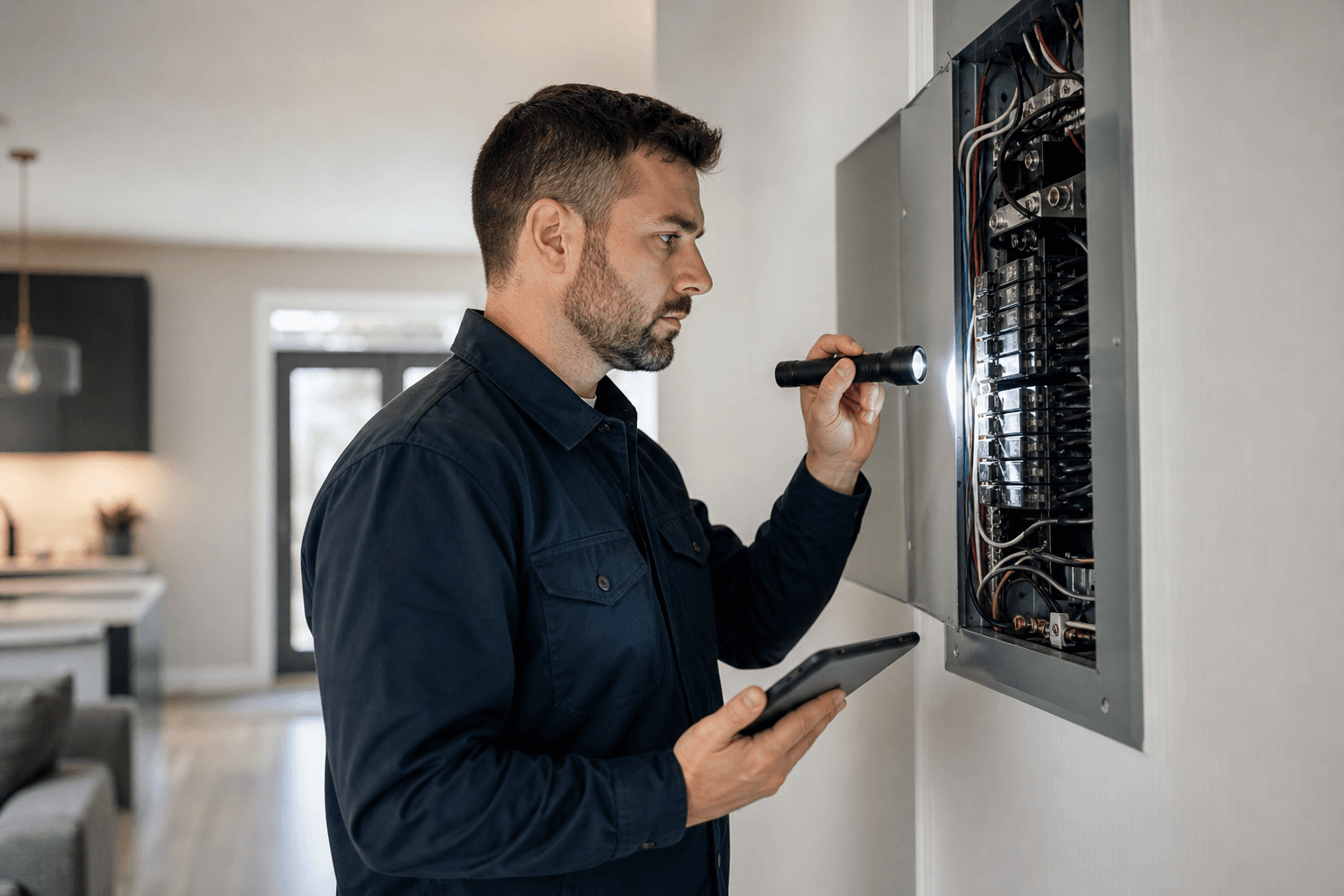
- Quick electrical inspection, usually part of a home inspection: a visual, non-intrusive check of visible wiring, outlets, lighting, the electrical panel and obvious safety defects. It is fast and useful for buyers who want an initial view of condition.
- Full electrical safety assessment: a more detailed evaluation that may include testing, load spot checks, and a safety-priority list. It focuses on identifying hazards, overloaded circuits, and items that present an immediate safety risk, and it may recommend licensed electrician follow up.
- Electrical plan review (EPR), also called an electrical infrastructure report: a planning document that assesses system capacity, identifies what the building can and cannot support, and recommends upgrades for future loads or conversions. EPRs are common for multi-unit, commercial and major-renovation projects. For a clear explanation of what an EPR does and who typically commissions it, see How to Choose an EPR Provider.
Do not attempt invasive testing or repairs on live electrical equipment. Canadian homeowner guides and panel FAQs keep that rule explicit, and local permit, licensing and utility processes vary by municipality, so rely on certified professionals for any intrusive work.
Three assessment types: who does them, what each examines, and when to choose them
1. Quick electrical inspection
Who performs it: certified home inspectors or licensed electricians, depending on the provider. What it examines: visible wiring, panel labeling, breakers, accessible junctions, outlets, and smoke and carbon monoxide devices. When to choose it: pre-purchase checks for typical single-family homes, or when you need a fast overview before an offer. Tradeoff: lower cost and faster turnaround, but limited depth.
2. Full electrical safety assessment
Who performs it: an inspector with electrical testing tools or a licensed electrician for intrusive checks. What it examines: targeted testing for wiring integrity, circuit loading, GFCI and AFCI function, and identification of hazards such as amateur wiring or water-damaged panels. When to choose it: after a moisture event, if the building has older wiring, or when a buyer needs a safety-focused report for negotiations. Tradeoff: more cost and time than a quick inspection, but it reduces safety uncertainty.
3. Electrical plan review (EPR) for capacity planning
Who performs it: an electrical engineering firm or experienced electrical contractor who documents capacity and future upgrade needs. What it examines: whole-building service size, distribution, anticipated load, and regulatory compliance for intended use. When to choose it: multi-unit buildings, planned commercial fit-outs, or when you need formal capacity estimates for permitting. EPR recommendations belong to the client and are used to plan budgets and reserve fund work, not to obligate upgrades by the provider.
Ontario-specific checklist: the questions you must ask every provider
Before you hire anyone to inspect or assess electrical work in Ontario, verify at least these items. These are practical checks used by owners and property managers across the province.
- What is your ESA or ECRA contractor number? Contractors who will perform electrical work or file permits should provide their ESA or ECRA number on request. Ask this even if you plan an assessment only, because follow-up repairs will likely need licensed trades. For a contractor question checklist, see How to Hire an Electrical Contractor in Ontario.
- Will you pull the ESA permit and schedule the inspection if remedial work is required? Confirm who will submit permit applications and notify Electrical Safety Authority inspection services when work is repair or upgrade level.
- Do you carry WSIB coverage for on-site work? Proof of WSIB coverage protects building owners from liability exposure during invasive testing or repairs, and many property managers insist on it.
- Who will perform intrusive testing? Clarify whether a certified home inspector will limit testing to non-intrusive checks, or whether a licensed electrician must perform meter-level or panel interior testing.
- Can you show a sample report? Ask for a recent sample that shows photos, severity ratings, and recommended next steps. If a provider cannot show a sample, treat that as a warning sign.
- What is your turnaround time and deliverable format? For transaction-sensitive work, same-day PDF reports can be decisive. Confirm expected delivery timing before booking. ASM Home & Commercial Inspection advertises same-day PDF delivery for inspections and assessments.
- Will the report separate safety priorities from maintenance items? A clear report distinguishes immediate hazards that require licensed electrician attention from lower-priority maintenance suggestions.
- Do you provide a scope statement and fee estimate in writing? Request a short written scope, including what is excluded, to avoid misunderstandings about invasive testing or permit costs.
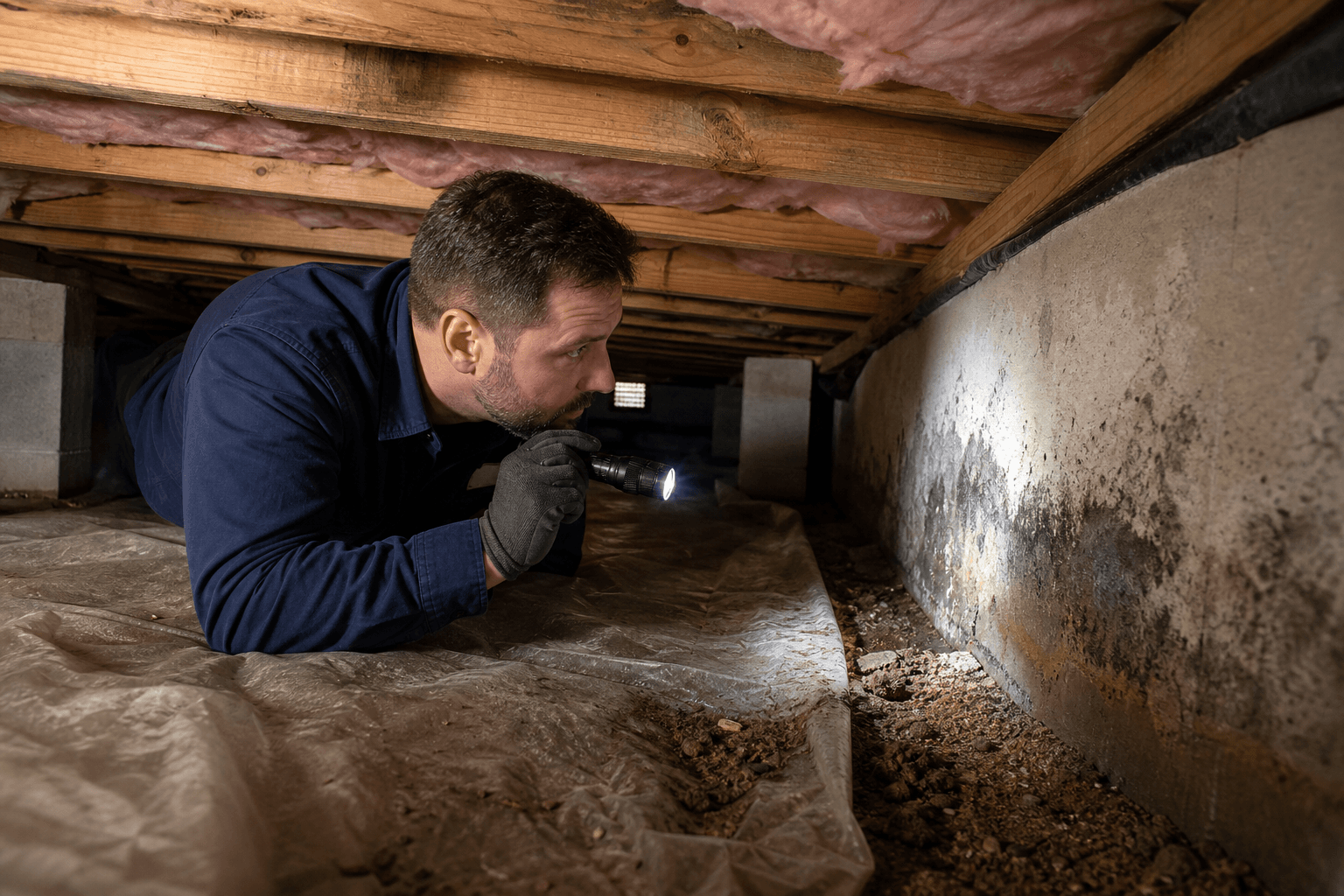
- How do you handle moisture-related electrical concerns? Moisture intrusion can cause hidden electrical hazards. If water or past leaks are present, verify whether the assessor includes moisture-related wiring checks, and whether they recommend follow-up trades such as roofing or plumbing specialists.
These questions align with contractor checklists used across Ontario for safe and compliant electrical work.
When does my home or building need an electrical safety assessment?

There are clear triggers that justify a safety assessment rather than a quick inspection.
- Visible signs of age or amateur wiring, such as cloth-insulated cables, repeated breaker trips, or panel rust.
- A recent or prior moisture event in the basement, attic or near the electrical service, because water increases shock and fire risk.
- A change in occupancy or intended use that increases load, for example adding electric vehicle charging, major HVAC upgrades, or converting a house to a multi-unit rental.
- Commercial or multi-unit projects where capacity planning and code compliance are necessary, in which case an EPR may be the correct next step.
Key decision criteria and tradeoffs: depth, timing, cost and who must act
Use these rules of thumb when choosing between speed and depth.
- If transaction speed is the priority, a quick electrical inspection paired with a same-day PDF report gives buyers a usable snapshot for negotiations, at lower cost but with limited depth.
- If safety or unknown damage is the concern, choose a full electrical safety assessment that includes targeted testing and a clear safety-priority list. This increases certainty but takes longer and costs more.
- If capacity and future upgrades are the objective, commission an EPR to obtain formal recommendations and cost planning information for reserve funds or permits.
- Who should act: non-intrusive checks can be done by certified inspectors, but any invasive testing or remedial electrical work must be performed by a licensed electrician who can pull required permits and arrange ESA inspections.
What to expect from the report and common next steps
A practical report contains several consistent elements you can rely on when negotiating or planning repairs.
- Executive summary with safety priorities highlighted for quick review by buyers, sellers and property managers.
- Photographs and annotated panel images that show exactly where issues were found.
- Clear descriptions of observed defects, recommended actions, and which items require licensed electrician attention versus routine maintenance.
- Estimated urgency and a suggested sequencing of repairs for larger projects, and where applicable a recommendation to obtain an EPR for capacity planning.
- A stated turnaround time. If you need immediate documentation for a closing, confirm same-day PDF delivery before you book. ASM Home & Commercial Inspection provides same-day PDF reports for inspections and assessments.
Warning signs and common objections when hiring an assessor

Avoid providers who demonstrate poor documentation or cannot explain permit and inspection paths.
- They refuse to provide an ESA or ECRA contractor number when asked, or they avoid talking about who will file permits.
- They cannot show a recent sample report or their reports lack photos and clear priorities.
- They promise to perform invasive electrical repairs without WSIB proof or written scope.
- They advise you to work on energized equipment yourself. Reliable guidance and safety guidance prohibit owners from attempting live repairs, as homeowner resources and panel FAQs state.
- They use vague language about licensing and inspections. Insist on clarity about who does what, and whether a licensed electrician will be engaged for intrusive tasks.
A short GTA action plan: who to call first and when to book an EPR
- Start with a quick electrical inspection if you need a fast condition snapshot for a purchase or sale.
- If the inspector finds signs of age, overheating, or water damage, book a full electrical safety assessment that includes targeted testing and a safety-priority list.
- For capacity questions, multi-unit conversions or major retrofits, request an electrical plan review from an engineering or specialist firm to document service size and upgrade requirements.
- If repairs are recommended, hire a licensed electrician who provides ESA or ECRA identification, pulls permits, and schedules ESA inspections as required.
- Request the final report in a PDF format suitable for real estate negotiations and record keeping, and confirm turnaround time before you book. Fast reporting helps when closing timelines are tight.
Frequently asked questions
What is the difference between a quick electrical inspection and a full electrical safety assessment?
A quick inspection is visual and non-intrusive, providing a condition snapshot. A full electrical safety assessment adds targeted testing, load checks and a safety-priority list. Choose the latter when you suspect hidden damage or after moisture events.
Do I need an electrical plan review (EPR) for condo or multi-unit buildings in Ontario?
When you need capacity estimates, future upgrade planning or formal recommendations for major renovations, an EPR is the right choice. EPRs document whole-building service capacity and recommend upgrades for the client to budget and schedule. See How to Choose an EPR Provider for more context.
What specific Ontario credentials or numbers should a contractor provide before work begins?
Ask for the contractor's ESA or ECRA number, and proof of WSIB coverage when work is performed on site. Confirm who will pull the ESA permit and handle the inspection notification before authorizing repairs. For a contractor question checklist, consult How to Hire an Electrical Contractor in Ontario.
Can a home inspector pull ESA permits or perform licensed electrical repairs?
Not necessarily. Many inspectors perform non-invasive assessments and then recommend a licensed electrician for remedial or invasive work. Only a licensed electrical contractor can file permits and perform certain repairs, so clarify roles in writing before work begins.
How fast can I get a usable report for a real estate transaction in the GTA?
Turnaround varies by provider and scope. For time-sensitive deals, ask whether the assessor delivers a same-day PDF report. ASM Home & Commercial Inspection advertises same-day PDF delivery for inspections and assessments, which helps with negotiation and closing timelines.
If you need a same-day report in the GTA
For certified residential and commercial inspections and fast PDF reports across the Greater Toronto Area, contact Asmhomeinspection to discuss whether a quick inspection, a full electrical safety assessment, or an electrical plan review is right for your property. Call 647-381-9030 or visit the official website for booking and service details.
Selected references used in this article include How to Hire an Electrical Contractor in Ontario, Electrical Panel FAQ for Canadian Homeowners, and How to Choose an EPR Provider, plus the ASM Home & Commercial Inspection website for local scope and reporting details.