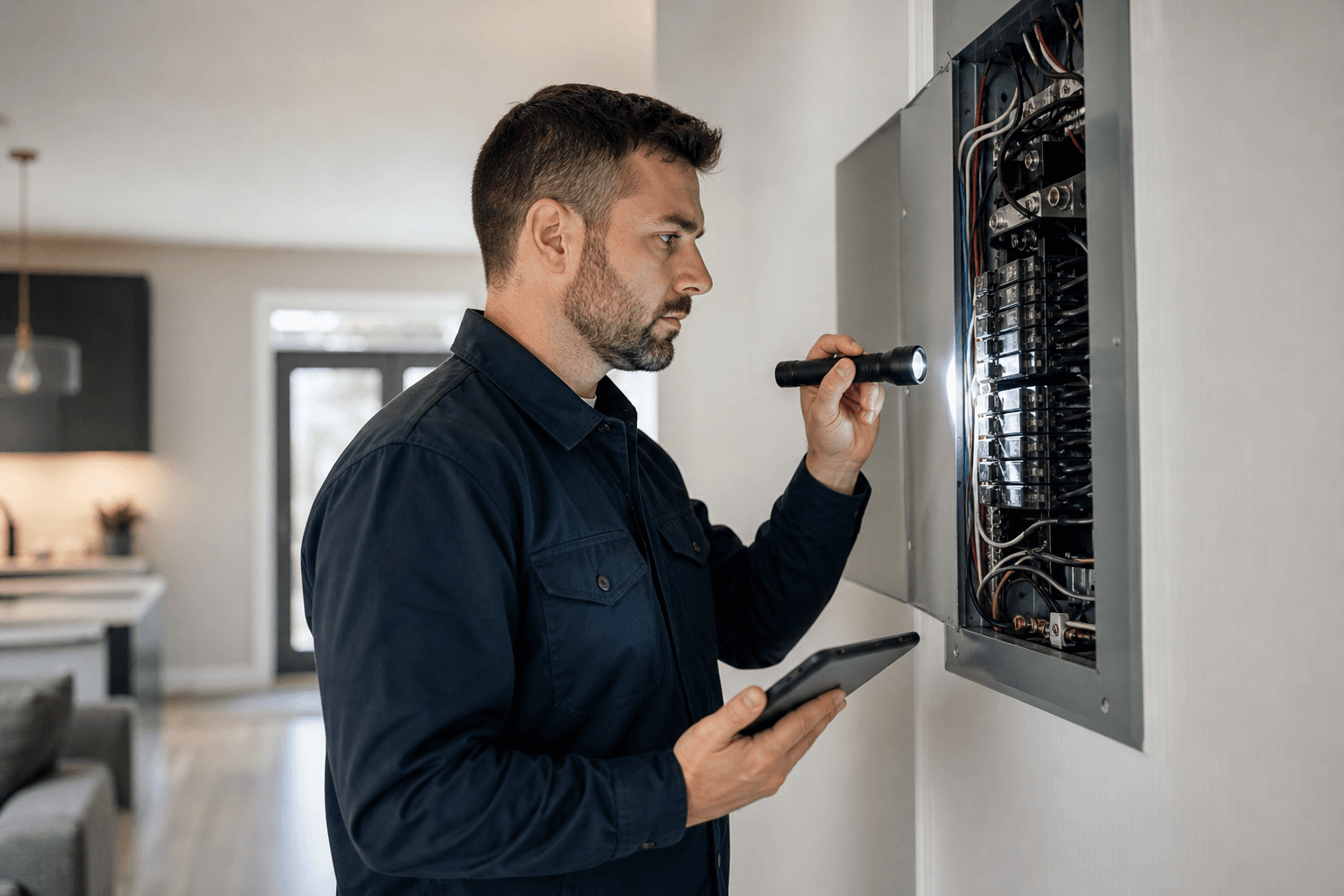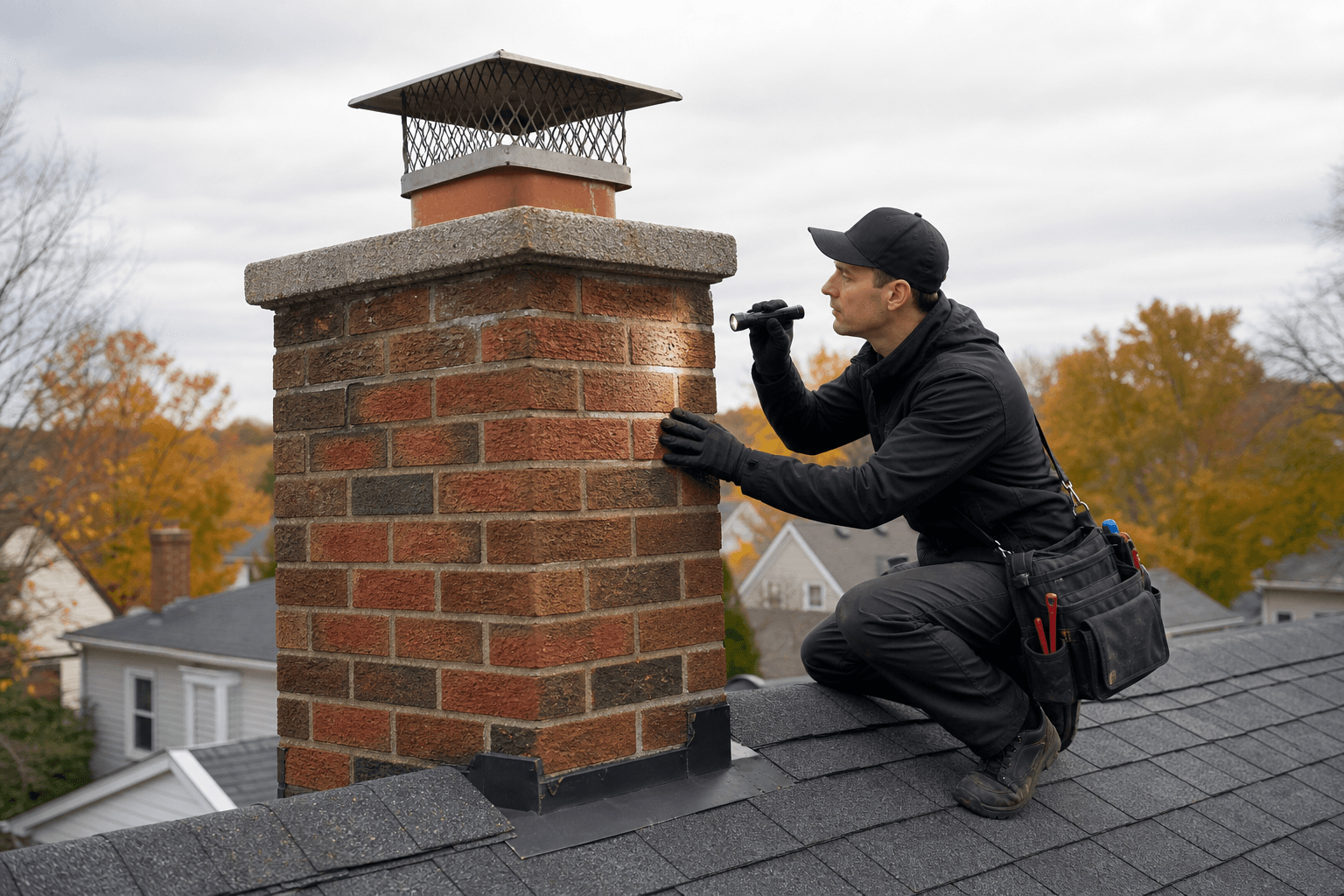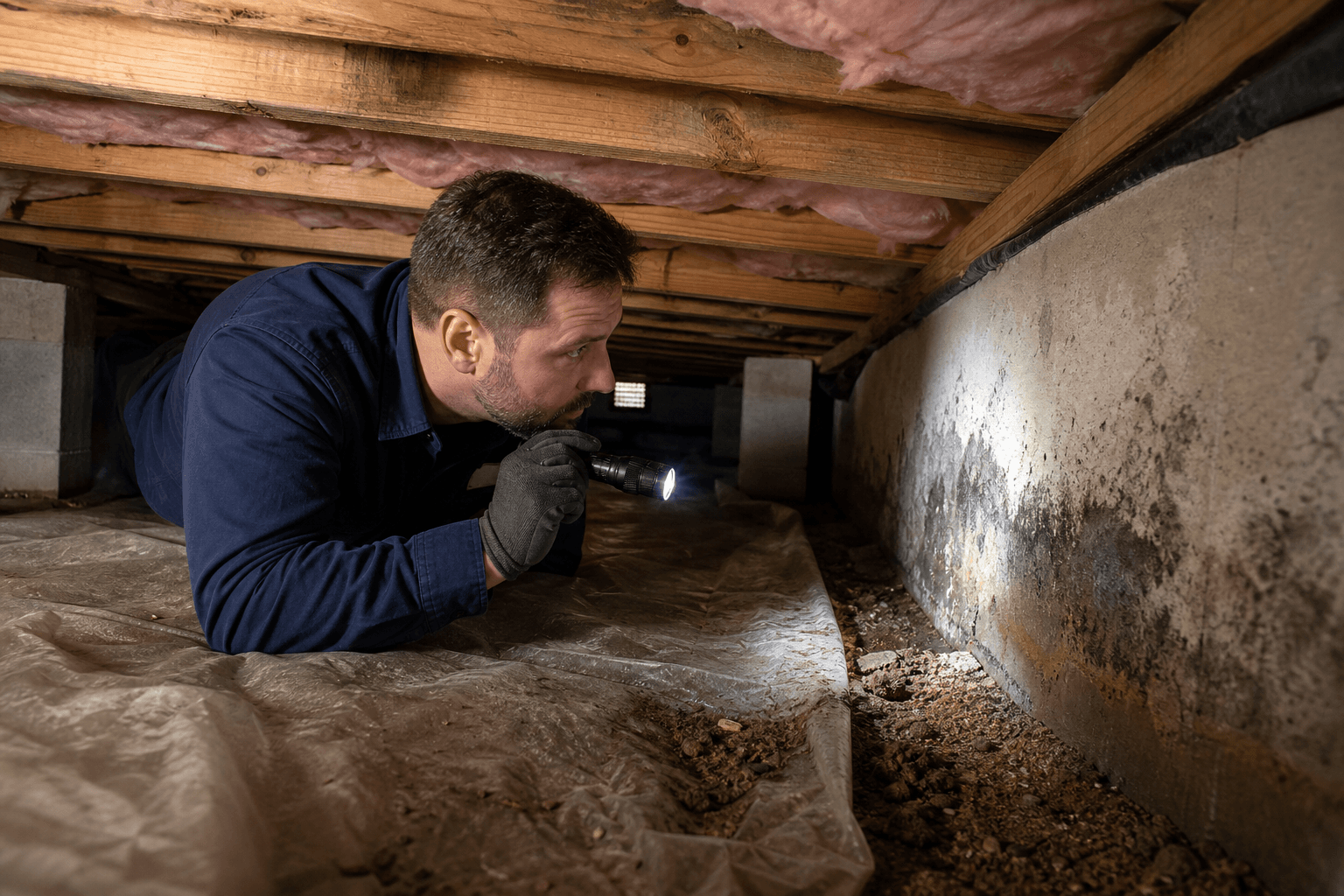
If you are buying, selling, or maintaining property in the GTA, a focused crawlspace inspection can stop small problems from becoming expensive repairs. This checklist gives seven observable signs that mean you should book a crawlspace inspection now, plus simple safety rules, quick on-site checks you can run, and when to call specialists. ASM Home & Commercial Inspection is InterNACHI and CCPIA certified and delivers same-day PDF inspection reports to help with tight transaction timelines, which is useful when a crawlspace issue affects negotiations or disclosures (ASM Home & Commercial Inspection).
How to use this checklist
Read each numbered item and mark any that apply to your property. If one or more items are present, schedule a professional crawlspace inspection. The checklist includes where inspectors may refuse entry for safety and what they can document from the access opening.
1. Limited clearance or hazardous entry conditions
What to check
- Estimate headroom at the access opening. If clearance appears less than about 18 inches, an inspector will usually not enter.
- Look for standing water, strong chemical or gas odours, exposed wiring, thick mould or visible vermin nests at the access point.
Industry guidance notes that inspectors are not required to enter crawlspaces with less than roughly 18 inches of clearance, standing water, or hazardous conditions. In those cases the inspector documents visible evidence from the access and recommends safe follow-up or specialist entry (industry checklist and entry limits).
2. Pooled water, damp soil, dark staining or efflorescence
What to look for and why it matters
Active or historical moisture is the most urgent trigger for a crawlspace inspection. Walk the exterior perimeter before opening the access and note:
- Pooled water or saturated soil near foundation vents or access doors.
- Dark tide lines or water stains on foundation walls or piers.
- White, powdery crust, known as efflorescence, on concrete or block indicating past water movement through masonry.
- Musty odours at the access, which often mean persistent dampness even if surface water is not visible.
Canadian housing guidance includes checklist fields for foundation condition, cracks and water leakage that inspectors use to document severity and location, so note exact locations when you report the problem to your inspector (CMHC foundation checklist).
3. Missing, torn or contaminated vapour barrier
Why the vapour barrier matters and how to spot damage
A continuous vapour or soil barrier reduces ground moisture and helps prevent mould and rot. From the access point or inside where safe to enter, check for:
- Exposed, unsealed soil where plastic sheeting should be present.
- Rips, tears, or large gaps where seams do not overlap or are not sealed.
- Contamination such as standing water on the sheeting, heavy mud, or insulation lying on top of the barrier.
If the vapour barrier is missing or severely damaged, remediation usually involves replacing or repairing the barrier, fixing exterior drainage that brings water in, then reassessing for mould and structural effects.
4. Poor ventilation, condensation or persistent musty smells

Signs and quick tests
Inadequate ventilation or blocked vents can let humidity build, causing condensation on ducts and pipes, warped insulation and persistent odours. Check for:
- Blocked foundation vents or vents sealed shut without mechanical ventilation.
- Visible condensation on metal ducts, pipes or on the underside of the subfloor.
- Wet or sagging insulation and a steady musty smell at the access.
Note whether systems such as dehumidifiers or conditioned ventilation are present. If vents are sealed or there is high humidity, an inspector will take moisture readings and recommend improved ventilation or dehumidification depending on the cause.
5. Sagging joists, uneven floors or foundation cracks near the crawlspace
Structural indicators to document
Structural signs tied to crawlspace problems include:
- Sagging or visibly deflected floor joists, and floors that slope or bounce more than expected.
- Split, rotted, or insect-damaged beams and support posts.
- Vertical, horizontal or stair-step cracks in foundation walls near where the crawlspace meets the footing.
When you see these issues, capture photos and exact locations. The CMHC checklist used by Canadian inspectors includes fields for foundation wall type and cracks, which helps the inspector record severity and recommend referral to a structural professional if needed (CMHC foundation checklist).
6. Rodent or insect activity, missing insulation or mechanicals in the crawlspace
Why this raises inspection priority and who to call first
Pests and exposed mechanical components make a crawlspace inspection more urgent and potentially more complex. Look for:
- Rodent droppings, chewed wiring, nests or visible insect galleries in wood.
- Missing, torn or displaced insulation that reduces energy performance and can hide moisture damage.
- HVAC ducts, water heaters, plumbing traps or drain lines in the crawlspace that show corrosion, leaks, or active dripping.
If you find pests or damaged mechanicals, an inspector will document the conditions and recommend the first specialist to call: pest control for active infestations, a plumber for leaking drains or traps, or an HVAC technician for damaged ducts and appliances.
7. Tight transaction timelines, contested disclosures or pre-listing concerns
When urgency alone justifies an inspection
Even without obvious symptoms, a crawlspace inspection is often prudent when:
- You have a short due diligence window during a purchase and the property has an older foundation or a history of water issues.
- Sellers and buyers disagree about past basement or crawlspace leaks and you need an independent record for disclosure or negotiation.
- You are preparing a pre-listing inspection to identify and repair issues before marketing the home.
ASM Home & Commercial Inspection offers pre-purchase and pre-listing services across the GTA and supplies same-day PDF inspection reports to support immediate decisions during transactions, which helps when negotiation deadlines are tight (ASM services and same-day reports).
What inspectors can and cannot do on site

Inspectors follow safety limits. If entry is unsafe they will document visible conditions from the access, take moisture readings at reachable surfaces, photograph problems, and state limitations in the report. If entry is refused for safety, the inspector will write a clear recommendation for remedial work or specialist entry before a full internal evaluation can occur (industry entry guidance).
What to expect in the inspection report
A professional crawlspace inspection report typically includes:
- A summary of access and entry conditions, including whether the inspector entered the space.
- Photographs keyed to locations, moisture meter readings where taken, and notes about vapour barrier, ventilation and insulation.
- Documentation of structural observations and any foundation crack descriptions following checklist fields similar to the CMHC template (CMHC checklist).
- Clear next-step recommendations and, when appropriate, a referral to a mould specialist, structural engineer, plumber, pest control or drainage contractor.
ASM provides same-day PDF reports so buyers, sellers and agents can use findings immediately in negotiations or disclosure updates (ASM same-day PDF report).
How to book a crawlspace inspection in the GTA and what to expect next
To arrange an inspection, contact a certified inspector and mention the factors you found from this checklist. Expect a short pre-inspection phone call where the inspector confirms access, entry limitations and the scope, such as pre-purchase, pre-listing or maintenance. Bring a copy of the notes you took and photos of obvious exterior water or foundation concerns. Print this page as a one-page checklist to share with your inspector and with contractors if remediation is needed.
Frequently asked questions
When will an inspector enter a crawlspace and when will they refuse entry?
An inspector will enter if there is safe access and at least minimal headroom, no standing water, and no hazardous conditions. Inspectors commonly refuse entry when clearance is under about 18 inches, when there is standing water, strong chemical or gas odours, or visible structural collapse. In such cases the inspector documents what is visible from the access and recommends safe follow-up (industry guidance).
What does a same-day PDF crawlspace inspection report include and how fast will I get it?
A same-day PDF report includes the inspector's findings, labelled photos, moisture meter readings if taken, and recommended next steps. Companies that advertise same-day delivery typically email the final PDF within hours of completing the on-site evaluation. Confirm timing when you book. ASM offers same-day PDF reporting for fast decision-making during transactions (ASM same-day PDF report).
If I find moisture or mould in the crawlspace who should I call first?
Start with an inspector to document scope and cause. If the inspector identifies active leaks call a plumber or drainage contractor. For extensive mould or potential health risks the inspector will recommend a qualified mould remediation specialist. Pest issues require pest control before insulation or barrier repairs proceed.
How much does a crawlspace inspection cost in the GTA and does ASM offer same-day reporting?
Prices vary by property type, size and scope. ASM promotes competitive starting pricing and same-day PDF reports. Contact ASM directly for a current quote and to confirm the reporting timeline (ASM Home & Commercial Inspection).
Ready to book a crawlspace inspection with same-day PDF reporting from a certified InterNACHI and CCPIA inspector?