A fire safety inspection can mean different things. You may need a broad review of a property's condition, an official inspection by a local fire authority, or specialized testing and compliance work. The right choice depends on the decision you need to make and the documentation being requested.
Three inspection pathways to distinguish
The phrase “fire safety inspection” is often used for several types of review. A broad property inspection examines a building's observable condition and major systems. A formal fire inspection addresses applicable fire-safety requirements. Specialized providers may handle testing, fire-safety plans, reporting, permits, or compliance coordination.
GTA property owners should therefore identify the required outcome first. Fire inspection, testing, planning, and compliance services are related but distinct categories. A general property inspection is not automatically a substitute for work required by a municipality, insurer, lender, landlord, or fire authority.
Broad residential or commercial property inspection
A system-by-system property inspection can identify observable safety concerns, defects, deterioration, and maintenance needs. The review may include the roof, attic, structure and foundation, plumbing, electrical systems, HVAC, basement, garage, stairs, railings, porches, decks, doors, windows, walls, floors, and ceilings.
ASM Home & Commercial Inspection provides certified residential and commercial inspections across the GTA. This type of review can support a purchase, sale, maintenance, or property-management decision. It should still be described accurately as a property-condition inspection unless a separate service has been confirmed.
Official municipal or fire-authority inspection
If a municipality, occupancy process, insurer, or other authority requires a formal fire inspection, confirm which organization has jurisdiction and what documentation it accepts. Requirements can vary by property and local authority.
Ask the requesting organization to identify the required inspection type, the professional or agency permitted to conduct it, and the report or form that must be submitted. This helps prevent paying for a report that answers a different question.
Specialized fire-protection and compliance services
Some buildings need services beyond a visual property review. Depending on the property and requirement, the scope may involve fire-safety plans, alarm or sprinkler testing, extinguisher servicing, permits, compliance reporting, or coordination with the authority having jurisdiction.
Toronto-area providers describe fire inspections, maintenance, protection solutions, testing, planning, and compliance support for commercial and multi-residential properties. Use Toronto fire-safety service information and GTA fire-inspection information to understand the terminology, then verify the exact requirement for your building.
Match the inspection to your situation

The purpose of the inspection should determine the provider, scope, and documentation you request.
Buying a home or commercial property
A pre-purchase home inspection helps a buyer understand the condition of major components before completing a transaction. For a commercial acquisition, the scope should reflect the building's use, age, size, systems, and intended occupancy.
Ask whether the review includes the roof, attic, structure, electrical, HVAC, plumbing, basement or service areas, and access points. The resulting report can support repair and specialist follow-up decisions, but it does not by itself confirm Ontario Fire Code compliance, alarm performance, sprinkler performance, or fire-authority approval.
Preparing a property for sale
A pre-listing inspection lets an owner identify observable defects and maintenance concerns before listing. The findings may help prioritize repairs, disclosure discussions, and further investigations.
Pay particular attention to electrical components, heating equipment, blocked or unsafe access, deteriorated structures, and moisture conditions. Keep the report's purpose clear: it documents property condition and is not an official fire-safety approval unless the responsible authority says it is.
Documenting a rental move-in condition
A move-in inspection creates a record of the visible condition of a rental unit or property. It can help landlords, tenants, investors, and managers document existing damage and maintenance needs.
Confirm which areas will be documented and how observations or photographs will appear. A move-in inspection does not automatically replace landlord or tenant obligations, a municipal inspection, or a fire-safety requirement.
Reviewing new construction
A new construction inspection can identify visible workmanship concerns, incomplete components, access limitations, and problems in building systems. New construction should not be assumed to be complete or problem-free at the time of review.
Use the report to create a deficiency and follow-up list. Direct questions about occupancy, permits, fire-safety plans, or code approval to the builder, municipality, or qualified fire-safety professional responsible for those matters.
Managing an occupied property over time
An annual maintenance inspection can help owners and managers track changing conditions. A useful review may include the roof, attic, foundation, structure, plumbing, electrical, HVAC, basement, garage, stairs, railings, doors, windows, and visible moisture intrusion.
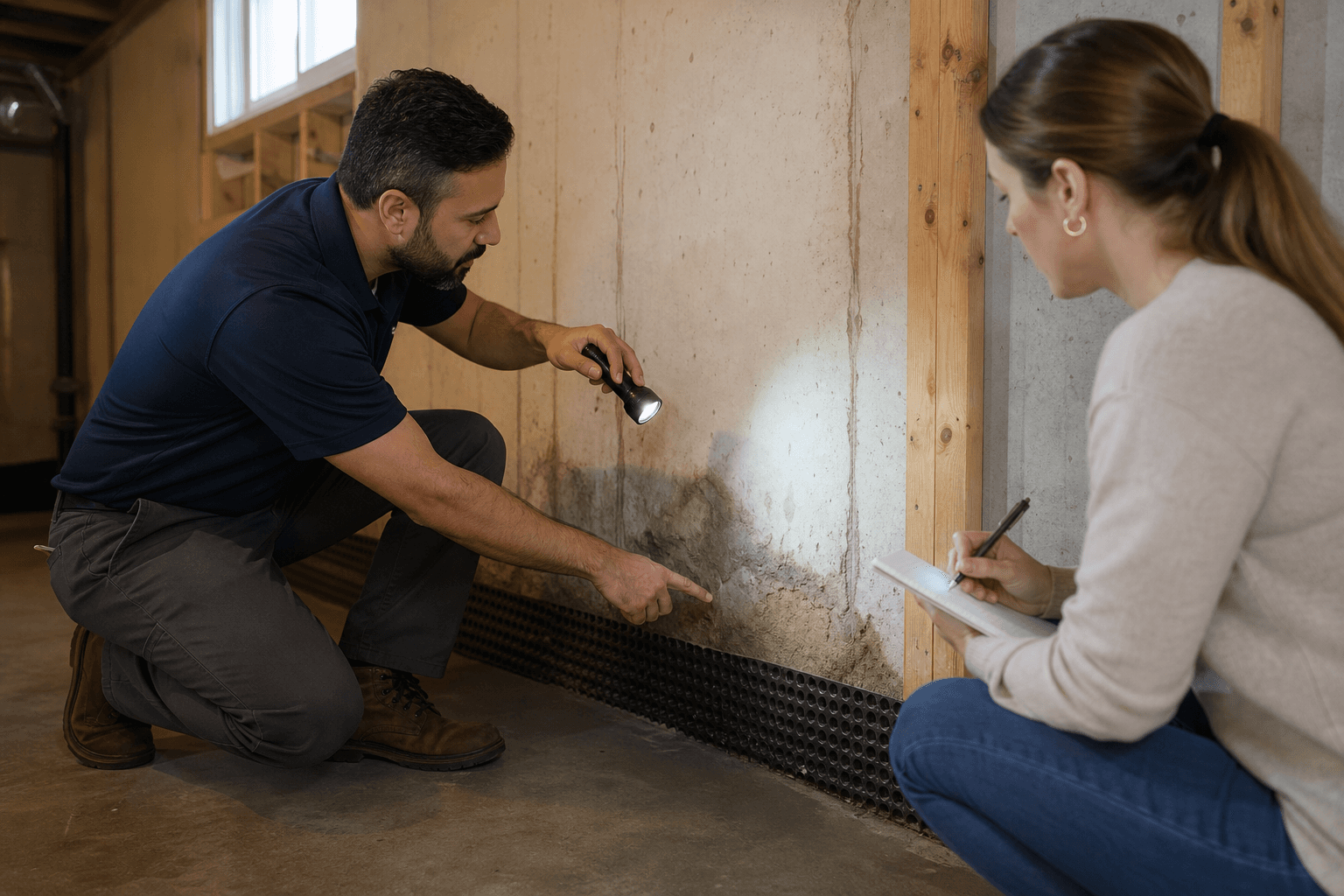
Moisture deserves attention because early intrusion can contribute to deterioration and occupant safety concerns. A moisture observation is still a property-condition finding, not automatically a fire-safety finding. Arrange the appropriate structural, environmental, repair, or fire-safety assessment when indicated.
Acquiring or managing commercial space
Commercial inspection questions differ between apartments, condominiums, restaurants, schools, hospitals, churches, warehouses, manufacturing plants, offices, hotels, motels, gas stations, storage facilities, and industrial properties.
Before booking, describe the building's use, occupancy, age, size, known systems, and purpose for the inspection. ASM identifies experience across a broad range of commercial categories and lists membership in both InterNACHI and CCPIA. These are useful credentials to verify, but they do not mean the inspector is a municipal fire official or automatically qualified for specialized fire-protection testing.
What a broader property inspection should examine
Fire-related risk can intersect with ordinary property-condition observations without making a general inspection an official fire-code assessment.
Electrical systems and heating equipment
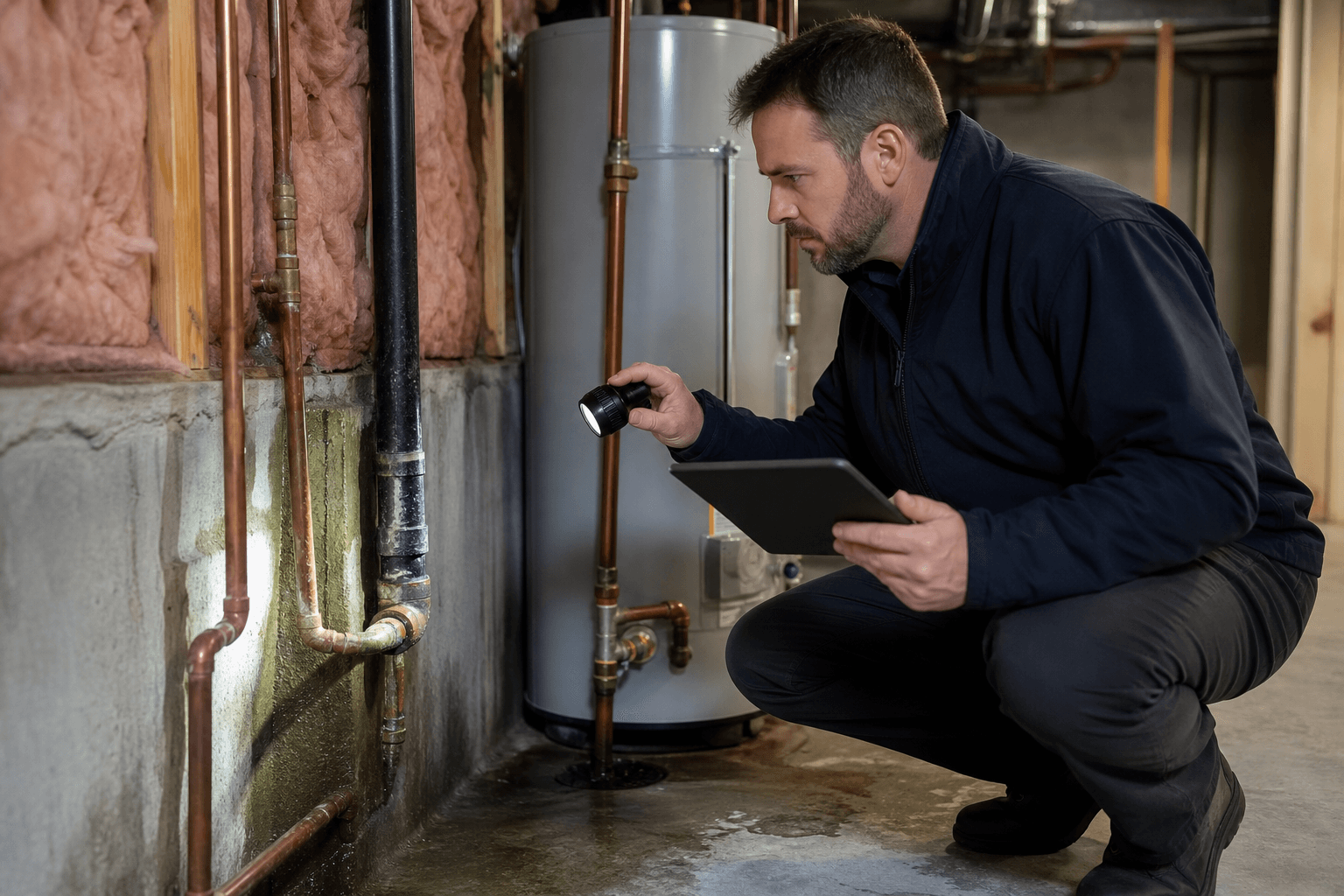
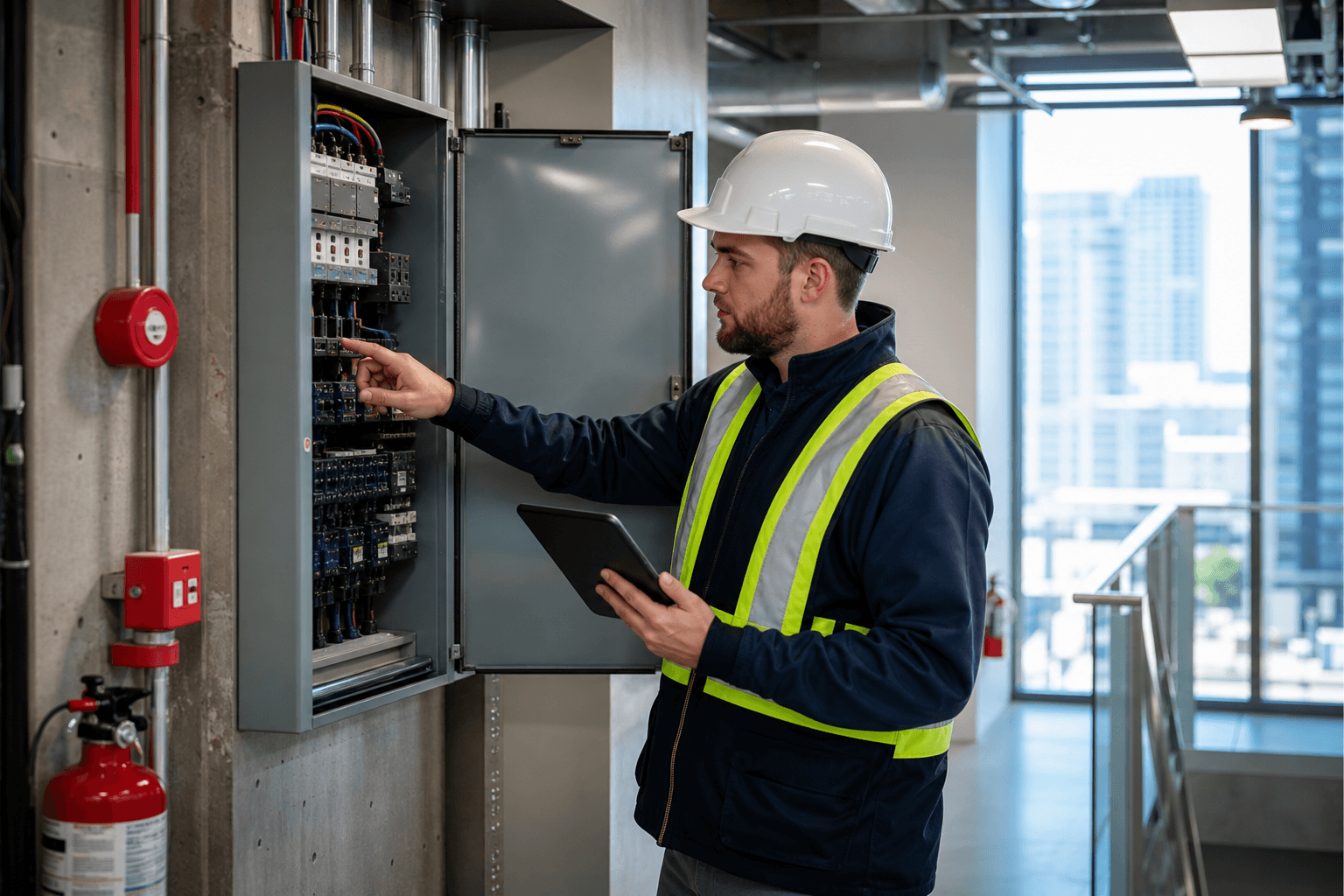
Electrical panels, lights, receptacles, visible wiring, furnaces, water heaters, air-conditioning equipment, and other HVAC components deserve attention because defects or poor condition can affect safe operation. Ask the inspector to document observable concerns, limitations, and recommended follow-up. Do not assume a general inspection provides a legal code-compliance determination.
Roof, attic, basement, and moisture conditions
Roof coverings, gutters and downspouts, soffits, attic areas, basements, and foundation conditions can reveal water entry, deterioration, ventilation concerns, or maintenance needs. A roof, attic, or basement inspection may be part of a wider review, while specialized testing may be needed for concerns beyond visible conditions.
Structure, stairs, railings, doors, and access points
Foundations, walls, floors, ceilings, stairs, railings, porches, decks, garages, doors, and windows contribute to safe property use and maintenance. The report should identify visible defects and access limitations. If an exit, structural component, or other feature presents an immediate concern, seek qualified advice promptly.
Decision table for choosing a provider
| Purpose | Likely provider | Useful scope | Documentation to confirm |
|---|---|---|---|
| Understand a home before purchase | Residential property inspector | Major systems and visible safety or maintenance concerns | Written findings, limitations, photographs if offered, and delivery timing |
| Assess a commercial acquisition | Commercial inspector, with specialists as needed | Systems matched to property type and intended use | Defined scope, exclusions, referrals, and report format |
| Meet a formal fire-safety requirement | Local fire authority or qualified fire-safety provider | Required fire-safety, code, plan, testing, or compliance scope | Documentation accepted by the requester |
| Track property condition | Residential or commercial inspector | Roof, attic, structure, electrical, HVAC, plumbing, basement, and moisture | Condition report suitable for maintenance planning |
| Verify alarms, sprinklers, extinguishers, or plans | Fire-protection or compliance specialist | Specific equipment, plan, testing, or servicing requirement | Required testing, servicing, certification, or compliance records |
This table is a decision aid, not a legal interpretation. When in doubt, ask the organization requesting the inspection what it will accept.
Questions to ask before booking
- What is the exact purpose? Is it for a purchase, listing, move-in record, maintenance plan, insurance request, occupancy matter, or formal fire-code requirement?
- What is included? Ask about the roof, attic, structure, foundation, electrical, plumbing, HVAC, basement, garage, stairs, railings, doors, and windows.
- What is excluded? Clarify whether concealed conditions, destructive testing, equipment testing, alarms, sprinklers, extinguishers, plans, and code opinions are excluded.
- Does the provider have relevant experience? For commercial work, ask about comparable property types.
- Which credentials can be verified? Confirm what each credential covers.
- What report will I receive? Ask whether findings, photographs, limitations, and recommendations are supplied in PDF form.
- When will it arrive? Obtain a clear turnaround before booking if timing matters.
- Will it satisfy the requester? Confirm this with the municipality, insurer, lender, landlord, or fire authority.
Credentials and reporting matter
Credentials should match the service purchased. ASM identifies its inspector as a certified member of InterNACHI and CCPIA. These memberships support questions about residential and commercial inspection practice, but they should not be presented as proof of municipal fire-authority status or qualification for alarm testing, sprinkler testing, extinguisher servicing, fire-safety-plan approval, or enforcement work.
ASM states that it provides same-day PDF inspection reports. Fast delivery can help buyers, sellers, and professionals working on tight timelines, but speed does not expand the report's scope or turn a general inspection into regulatory approval. Confirm whether the report clearly separates observations, limitations, recommendations, and issues requiring specialist follow-up.
What to do when a potential life-safety issue is found
If there is an immediate threat, prioritize occupant safety and use the appropriate emergency channel. For a non-emergency concern, document the observation, restrict access where appropriate, and contact a qualified professional whose work matches the issue. A local fire authority may be appropriate for an official inspection request, while an electrical, HVAC, structural, or fire-protection specialist may be needed for assessment or repair.
Do not wait for a routine property report to resolve an active hazard. A report recommendation is also not the same as a formal compliance determination.
When a general property inspection is not enough
A residential or commercial property inspection should not be described as municipal enforcement, an official Ontario Fire Code inspection, fire-safety-plan approval, alarm testing, sprinkler testing, extinguisher servicing, or a fire investigation unless the provider has specifically confirmed that service and qualification.
For formal requirements, confirm the local process with the applicable GTA municipality or fire authority. For testing, maintenance, plans, permits, or compliance reporting, choose a qualified fire-safety provider whose written scope matches the request.
Choose the inspection that matches the decision
Define the purpose first. Choose a broad residential or commercial property inspection when you need a documented view of building condition and visible system concerns. Choose the local fire authority or a qualified fire-safety specialist when you need formal compliance, fire-safety-plan work, equipment testing, servicing, or accepted regulatory documentation. These services may complement one another, but they are not automatically interchangeable.
ASM Home & Commercial Inspection provides GTA residential and commercial inspections, including pre-purchase, pre-listing, new construction, move-in, and annual maintenance inspections. The inspector identifies InterNACHI and CCPIA certification and provides same-day PDF reports. To discuss an appropriate property-inspection scope, visit ASM Home & Commercial Inspection, call 647-381-9030, or email asmhomeinspection@gmail.com.
Frequently asked questions
Is a general home inspection the same as an official fire safety inspection?
No. A general inspection reviews visible property condition and major systems. An official fire-safety or Ontario Fire Code inspection may require a local authority or qualified fire-safety provider.
Who should I contact for an Ontario Fire Code or municipal fire inspection?
Start with the applicable municipality or local fire authority to confirm jurisdiction, the required service, and acceptable documentation. If it directs you to a private provider, verify that the provider's qualifications match the request.
What should I ask a GTA inspection provider before booking?
Ask about purpose, included systems, exclusions, credentials, comparable property experience, report format, turnaround, specialist follow-up, and whether the report will satisfy the requester.