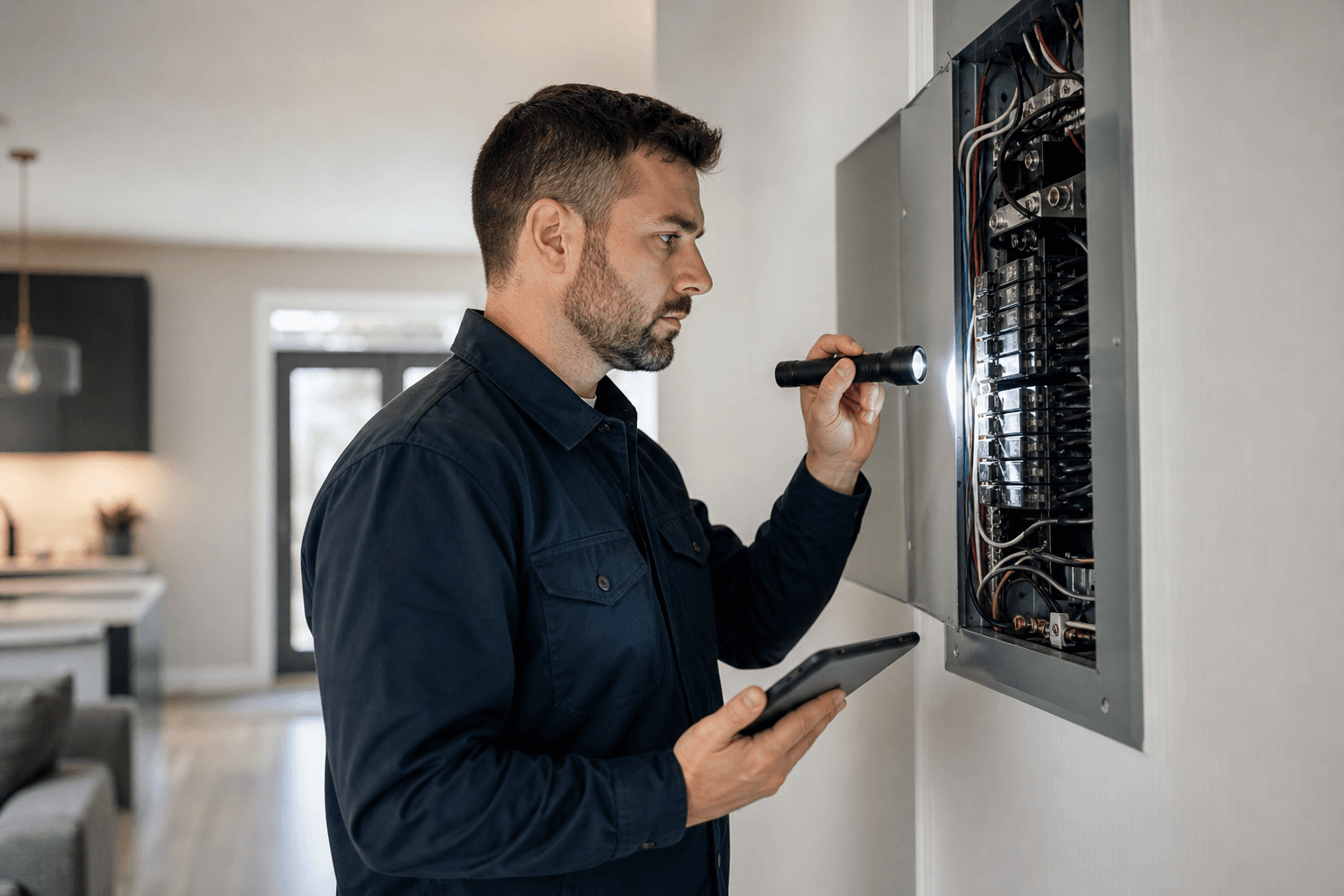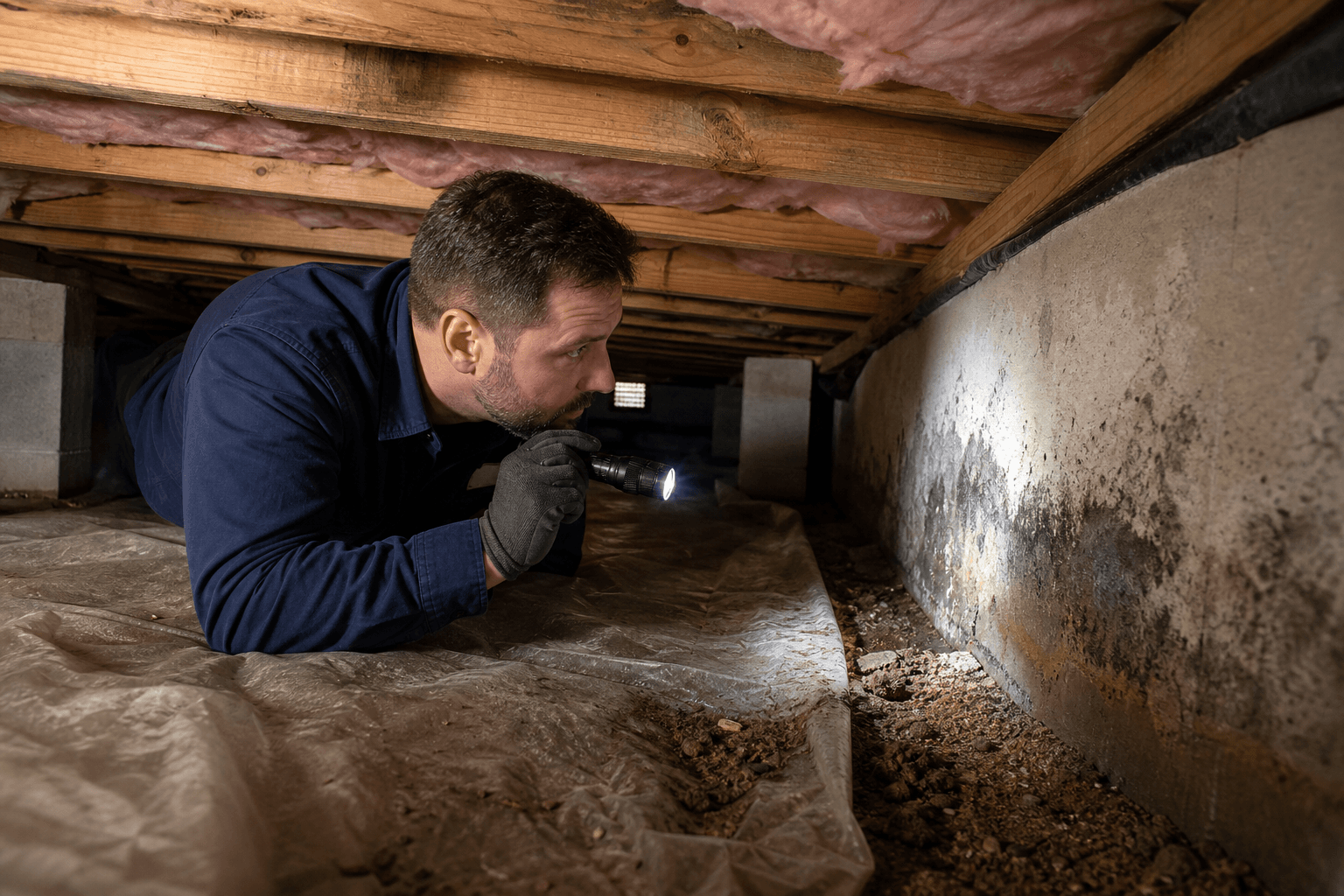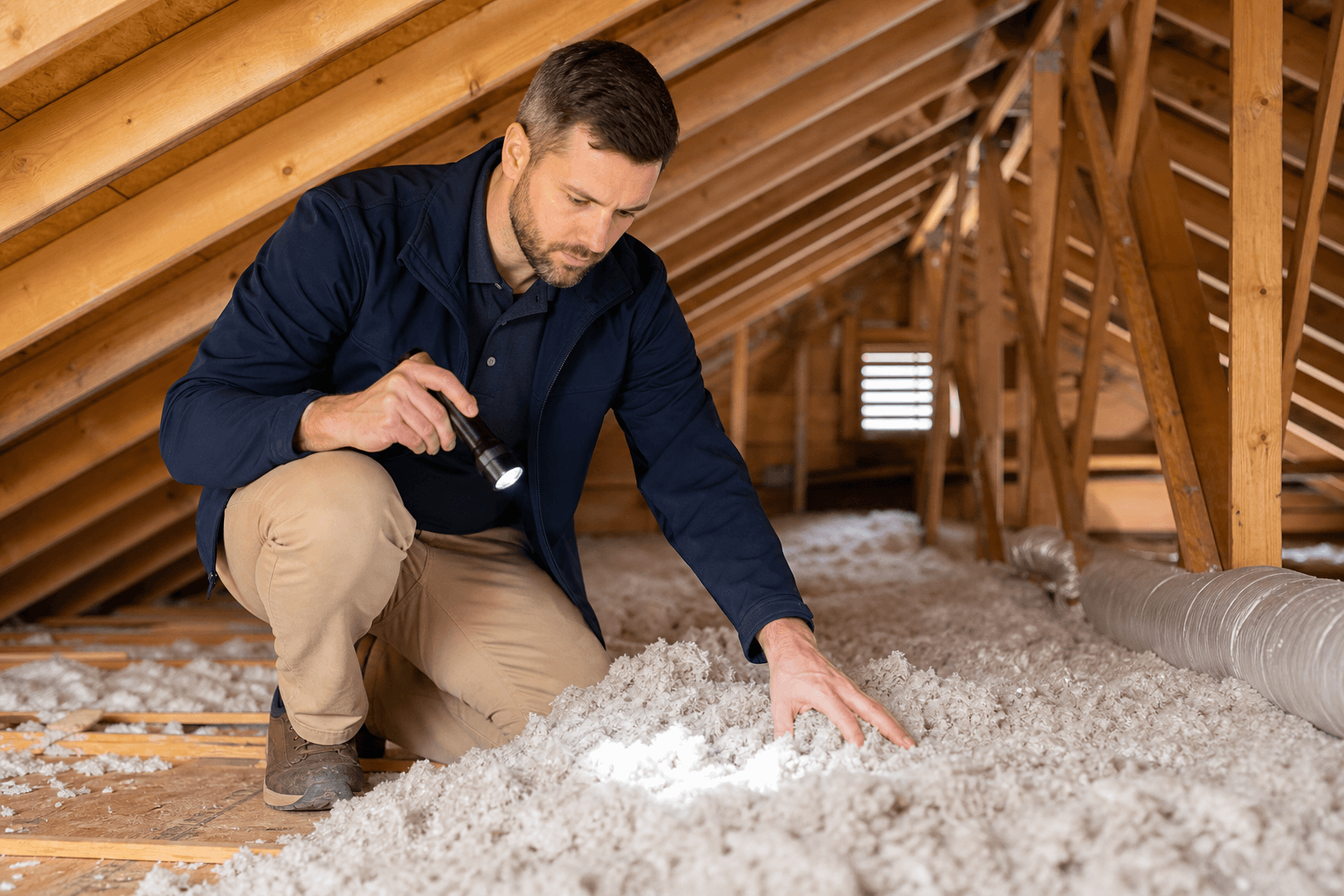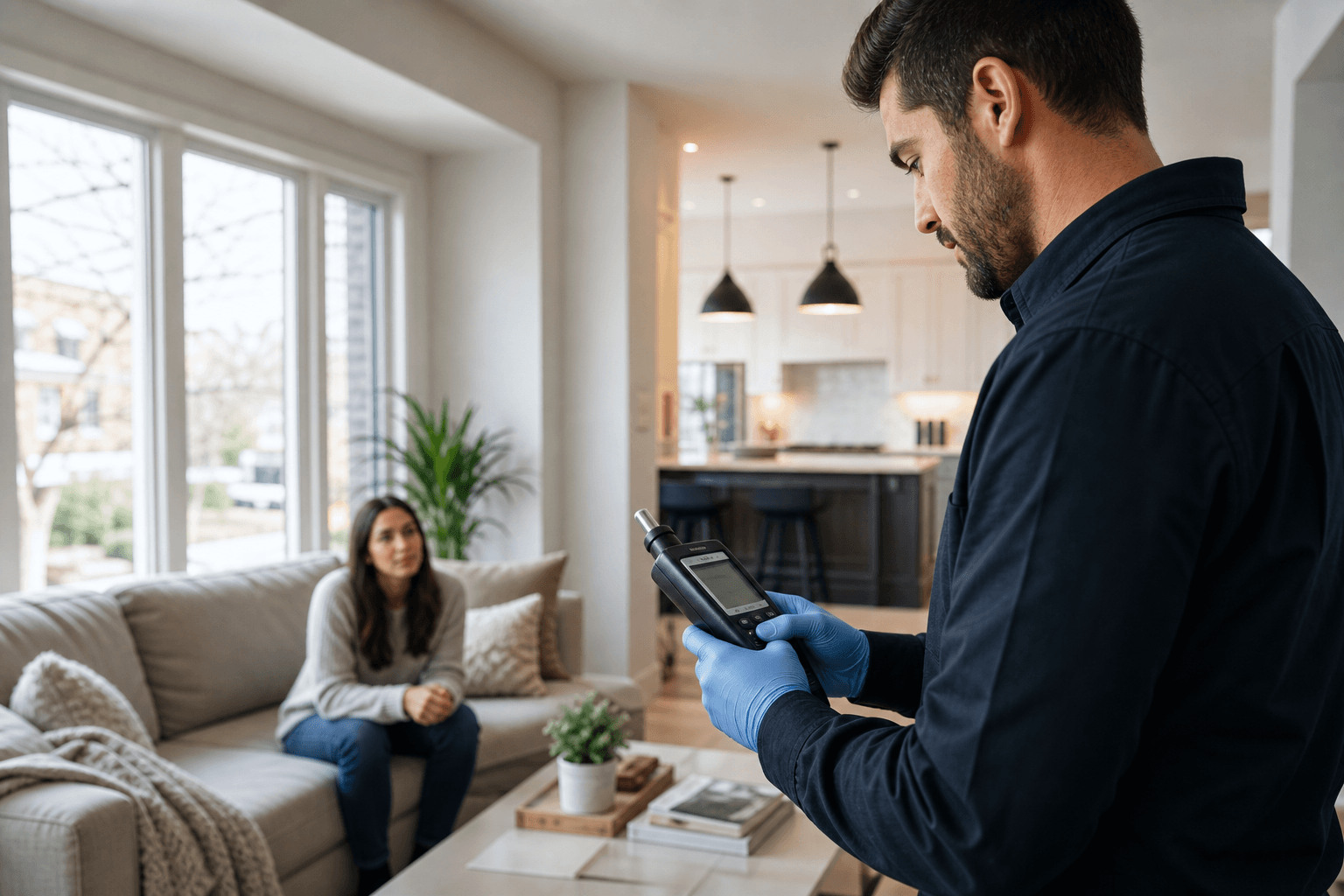
If you are deciding how to choose air quality testing for a Greater Toronto Area property, this step-by-step flow will help you decide whether to test now, when a DIY monitor is enough, which professional tests to request, and exactly how to verify credentials, lab accreditation, sampling methods, and report features for transaction-ready results.
Step 1: Quick triage, decide whether to test now
Start with a quick checklist. If any of the following apply, testing is usually warranted; otherwise, simple repairs or a building inspection may be the right first move.
- Visible mould or persistent musty odour after a water event or flood.
- Recent or ongoing water leaks, roof or basement moisture intrusion, or a history of dampness in the building, since moisture commonly magnifies indoor air quality problems. See ASM Home & Commercial Inspection for how moisture is prioritised in property assessments.
- Unexplained occupant symptoms such as persistent headaches, throat or eye irritation, or worsening asthma that track with time spent in the building.
- Known asbestos-containing materials where renovation or disturbance is planned.
- Transaction urgency: you need lab-backed documentation for a sale, closing, or remediation decision.
Health Canada notes that many indoor air concerns can be addressed without sampling, and recommends sampling only when needed to identify sources or to quantify a problem for remediation or legal purposes. For a short reference on why and when testing helps, consult federal guidance for indoor air quality professionals.
Step 2: DIY screening first, hire a pro when results or symptoms persist
Use inexpensive screens to rule out or confirm immediate concerns, then escalate. For basic screening, affordable options include particulate monitors (PM2.5) and short radon kits, plus consumer VOC trend monitors. These tools can flag problems quickly. Practical home IAQ guidance suggests starting with these affordable monitors and using them to determine whether professional testing is needed.
When DIY is acceptable
- To confirm visible dust, smoke, cooking or woodstove impacts using a PM2.5 monitor.
- To screen for elevated radon with an approved short-term kit before ordering long-term testing.
- To track relative VOC levels over time with a low-cost monitor and note spikes after renovations or new furnishings.
- When there are no clear health complaints and you only need an early indication.
When to hire a professional
- Occupant health problems persist, worsen, or suggest mould exposure.
- You need legally defensible or lab-verified results for a real estate closing or insurer requirement.
- Asbestos or specialised chemical testing is required.
- Complex commercial spaces, multiple potential sources, or when remediation decisions require species-level identification or quantitative VOC analysis.
Local Toronto consultants and Canadian testing experts also recommend hiring a certified provider when you require accredited lab analysis or a comprehensive suite of tests including mould, asbestos, chemical, and odour testing.
Step 3: Pick the tests you actually need and the sample types they use

Match the suspected problem to the correct test and sampling method. Each method answers a different question and has specific limits, so choose deliberately.
- Mould: Air spore traps (volumetric air samples) show airborne spore counts and types at sampling times. Surface bulk or tape lift samples identify material composition when mould is visible. Spore traps are best for comparing indoor and outdoor counts; bulk samples are best for confirming whether a surface contains active growth.
- VOCs and chemical odours: Sorbent tubes or canister sampling analysed by a lab give compound-specific results and concentrations. Consumer VOC monitors show trends but not chemical speciation.
- Particulates: Real-time PM2.5 monitors indicate fine particle concentrations from smoking, cooking, or outdoor infiltration. They are useful for screening and for measuring effectiveness of ventilation or filtration upgrades.
- Radon: Short-term charcoal or electret ion chamber tests give a snapshot; long-term alpha-track detectors (90 days to one year) give a better estimate of average exposure and are preferred when possible.
- Asbestos: Only bulk samples analysed by a qualified lab can determine the presence of asbestos fibres. Do not disturb suspected asbestos without professional containment and testing.
Consumer guides to air quality kits explain that DIY kits are useful for initial screening, but professional sample types and analytical methods are necessary when you require actionable, lab-backed results.
Step 4: Verify consultant credentials, lab accreditation, and chain of custody
When you decide to hire a provider, confirm three things up front: the consultant credentials, the laboratory accreditation, and the provider's sample handling practices.
- Consultant credentials: Ask whether the consultant has recognised environmental or industrial hygiene training and certifications, and whether they have experience with building investigations. For building condition and moisture inspection, a certified home or commercial inspector can help identify sources before testing; ASM Home & Commercial Inspection highlights moisture intrusion as a primary concern in property assessments.
- Lab accreditation: Require analysis by an accredited laboratory. Look for ISO/IEC 17025 accreditation or an equivalent accreditation listed on the lab report. Accredited labs follow validated methods and quality controls, which matters when you need reliable, repeatable results for transactions or remediation decisions.
- Chain of custody and sample control: The provider should supply chain-of-custody documentation showing sample locations, times, and handling, and the lab name should appear on the report. Follow best practices for sample integrity to avoid disputes about results.
Step 5: Report features and turnaround time to make results useful for a sale or closing

For real estate transactions you need clear, timely documentation. Ask for these minimum report features and timing commitments before booking.
- Identification of the lab and the analytical methods used, with reference methods or standards named.
- Raw results with reference ranges or limits and a concise conclusion explaining whether results exceed typical indoor ranges or concern thresholds.
- Photographic evidence of sampling points and visible issues, and numbered sample locations that match the chain-of-custody.
- Recommended next steps with prioritised remediation or further testing actions.
- Turnaround time. Typical lab analysis can take several days; if you need faster documentation for a closing, disclose the timeline up front and request expedited analysis or a provisional screening report where available. Property inspection firms commonly offer rapid PDF delivery for inspection reports; use that example to plan scheduling while keeping testing and inspection reports distinct.
Step 6: When and how to combine air testing with a moisture or property inspection
Moisture intrusion increases the likelihood of mould and other indoor air quality problems, so coordinate investigations when moisture is present. A building inspection that documents leaks, roof or attic issues, and basement water entry helps target sampling locations and can reduce unnecessary testing.
If you are buying or selling, schedule the property inspection first to identify moisture sources and limit testing to affected areas. Early detection of moisture intrusion in property assessments makes coordinated inspections and targeted IAQ sampling more effective.
Step 7: How to compare quotes, spot common up-sells, and choose the best provider
Compare written quotes using concrete, comparable items. A good quote names the tests, the sample count and locations, the lab to be used, turnaround time, and total price. Watch for these warning signs.
- Vague scopes that do not name the lab or the methods.
- Pressure to buy expensive remediation before testing has confirmed the problem.
- Fixed-price quotes that omit sample counts or that say "price on site" without a minimum range.
- No chain-of-custody or refusal to list the lab on the report.
Trusted comparison checklists for Canadian clients highlight certification, accredited lab analysis, and pricing transparency as the main differentiators between reputable providers and less qualified operators.
Frequently asked questions
When should I test indoor air versus fixing visible moisture first?
If moisture or visible mould is present, fix the source first and then test to confirm whether airborne spores remain elevated or whether remediation was successful. Federal guidance explains that identifying and reducing sources is often more informative and cost effective than indiscriminate sampling.
What can an in-home air quality monitor reliably detect and when is it not enough?
Consumer PM2.5 monitors and basic VOC trend devices are useful for screening and for measuring the effect of ventilation or filtration. They cannot speciate chemicals, identify mould species, or replace lab-backed sorbent or canister analysis when you need definitive, legally defensible results.
How do I verify a lab is accredited in Canada and why does it matter?
Ask the lab for its accreditation certificate and the name of the accreditation body. Look for ISO/IEC 17025 or equivalent. Accredited labs follow validated methods and quality controls, which matters when results will be used in a transaction or to guide remediation.
How long will lab-backed test results take and are same-day reports possible for closings?
Standard laboratory analysis typically takes several days to a week depending on the test. Some providers offer expedited analysis for an extra fee. For real estate closings, plan inspections and testing early. Note that property inspection companies sometimes deliver same-day PDF inspection reports; coordinate the inspection and the separate lab-based IAQ testing to meet tight timelines.
What are common up-sell tactics to watch for when getting an air quality testing quote?
Be cautious if a vendor insists on broad, expensive panels without documented reasons, or if they pressure you to commit to immediate remediation before providing lab results. Prefer quotes that list specific tests, sample counts, lab names, and clear justifications for each additional test.
Next step: If moisture intrusion or building defects are part of your concern, consider scheduling a targeted property inspection first to locate sources, then use the decision flow above to choose the right screening or professional testing. For certified residential and commercial property inspections across the GTA and same-day PDF reports, visit Asmhomeinspection.