Buying in the Greater Toronto Area means acting quickly and accurately. A pre-purchase home inspection gives you factual information about a property before you complete a purchase, but not every inspector or report is the same. This guide uses a step-by-step checklist to help Toronto buyers verify credentials, compare inspection scope and diagnostic add-ons, understand timing and same-day reporting, and make a confident booking decision.
Why a pre-purchase home inspection matters in Toronto
A pre-purchase inspection documents the property condition so you can negotiate, budget for repairs, or walk away from a deal if serious problems appear. In Ontario and Quebec, anyone can offer building inspection services, and courts often view a pre-purchase inspection as part of a buyer’s duty of care in a real estate transaction, so choosing a qualified inspector matters for legal and financial protection. For background on the consumer-policy perspective see the federal review and related Ontario guidance.
Read more: Pre-purchase home inspection in real estate: Better Protection for Buyers and Sellers and What to know before buying a home.
When you compare providers, keep two local realities in mind: credentials and memberships are useful indicators of standards, but they are not a legal licence in Ontario, and fast, clear reporting can be decisive in time‑sensitive transactions.
Step 1: Verify credentials, insurance and a sample report
Certifications to verify
Ask whether the inspector is a member of recognized associations and what that membership means for training and standards. For example, InterNACHI membership is a commonly cited residential standard and CCPIA membership denotes commercial inspection training. Request evidence of those memberships before booking and compare the written standards each association publishes. The business website often lists these memberships and what they cover.
Insurance and references to request
Request proof of general liability insurance and errors and omissions insurance if available. Insurance protects you if the inspector causes accidental damage or if a costly oversight arises. Also ask for references from recent buyers who purchased the same property type you are considering, and follow up with at least one reference call.
What a strong sample report looks like
Ask for a recent sample inspection report before you book. A useful report is system-by-system, uses photos, separates safety issues from maintenance items, and provides clear explanations and recommended next steps. If the provider advertises rapid delivery or same-day PDF reports, request a sample of that same-day PDF to ensure the format is legible, searchable and sufficiently detailed for negotiating with a seller.
Step 2: Confirm experience with the property type you are buying
Detached homes, older Toronto rowhouses and bungalows
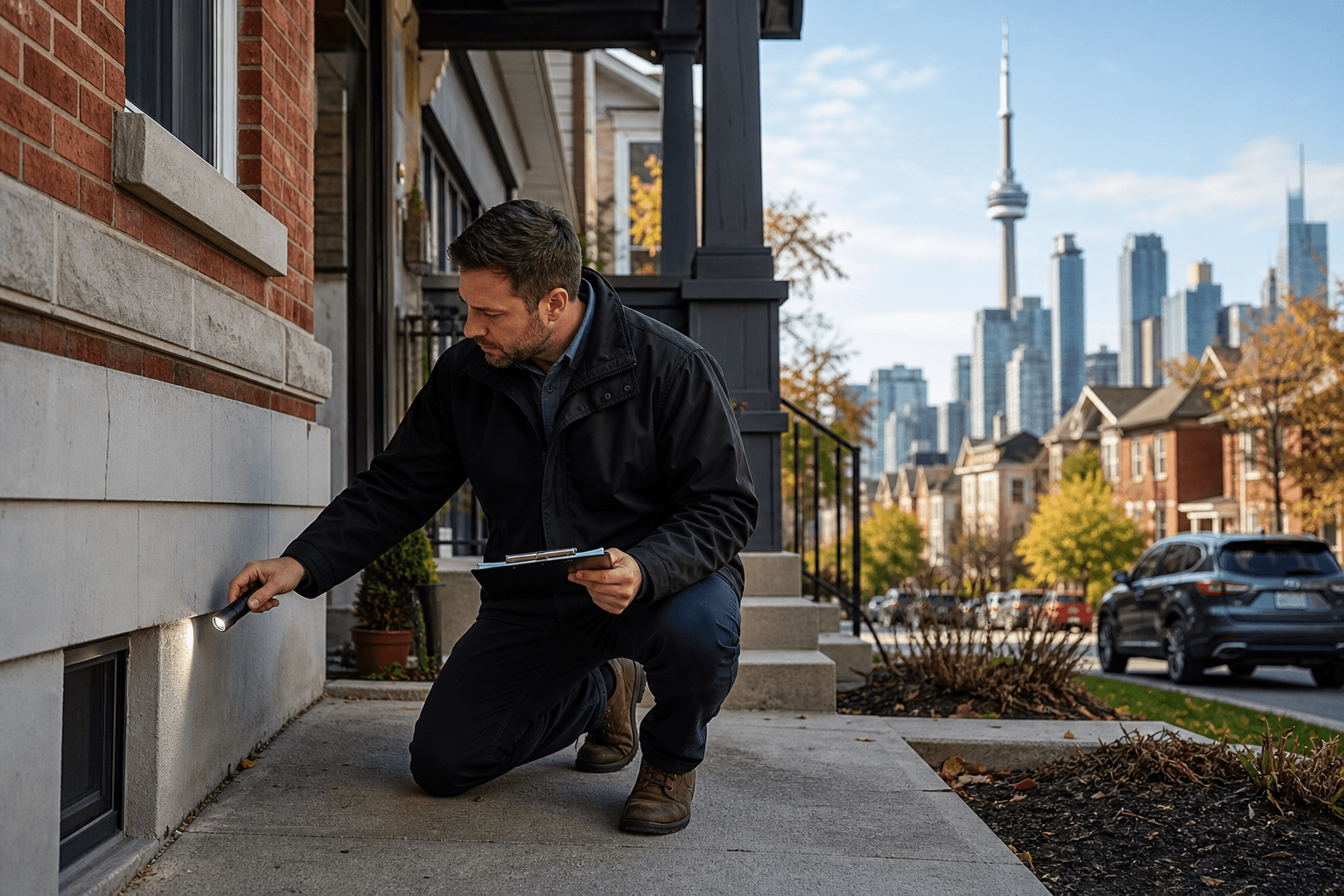
Homes built in different eras have distinct problems. Ask if the inspector has recent experience with properties of the same age and construction type as the one you plan to buy. For example, century-era rowhouses can hide concealed wiring or moisture intrusion behind original cladding, while a bungalow might have different foundation and attic concerns.
Condo-specific considerations
If you are buying a condo, confirm that the inspector routinely inspects interiors only and discusses common elements, balcony interfaces and building envelope issues appropriately. Condos often involve shared systems and condominium corporation records, so a pre-purchase condo inspection should focus on the unit interior while advising you what to request from the condo board, such as reserve fund studies and recent engineering reports.
Multi-unit and small commercial conversions
For duplexes, triplexes or homes converted to mixed use, choose an inspector with multi-unit experience, because issues like separate meters, fire separation and shared mechanical systems require different scrutiny. Commercial conversions may need a certified commercial inspector and specialist diagnostics.
Step 3: Compare scope, diagnostic add-ons and what the report will include

Standard system-by-system scope to expect
Insist on a system-by-system evaluation that covers roof and attic, structure and foundation, exterior elements, plumbing, electrical, heating and cooling systems, and visible signs of moisture intrusion. A thorough inspection will note safety hazards, imminent failures, and items that need monitoring. Confirm that the inspector will access attics and basements where safe and reasonable.
Optional diagnostics and when they are worth it
Ask about optional diagnostics such as thermal imaging for concealed moisture, moisture meter testing, sewer camera inspections and targeted environmental tests where appropriate. These add-ons are useful when you suspect hidden moisture, when the property has a finished basement with signs of past water, or when age and visible conditions raise concern. Evaluate add-on costs against the value of the additional information in your negotiation or insurance process.
How moisture and intrusion checks are handled
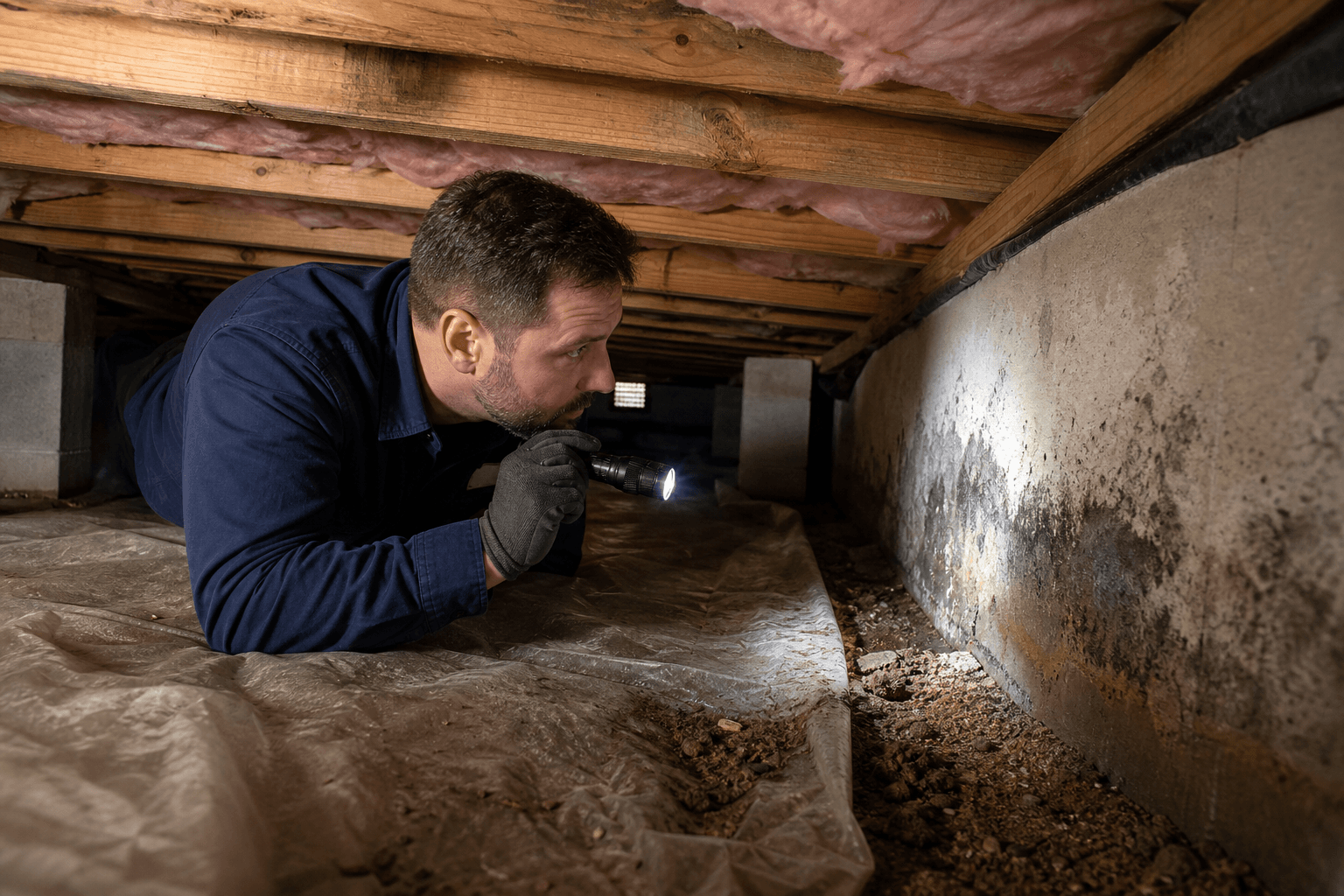
Moisture intrusion is a common, costly problem. Confirm whether the inspector uses moisture meters or thermal imaging and whether they will explicitly report on water entry points and drainage failures. If moisture is suspected, a targeted add-on can clarify whether visible stains are historical or active.
Step 4: Check timing, report format and same-day delivery options
Typical inspection and reporting timeline
Inspection length depends on size and complexity. A typical single-family home inspection often takes one and a half to three hours, while larger homes or multi-unit buildings take longer. Confirm the expected site visit duration with your inspector so you can schedule accordingly. Also confirm when you will receive the written report and whether photos and summaries are included.
What to expect in a same-day PDF report
Same-day PDF delivery is valuable in tight transactions. If a provider advertises same-day PDF reports, request confirmation that the delivered file includes photos, descriptions, severity ratings and prioritized recommendations so you can review findings and use them during negotiations. Providers that state same-day PDF reports as a service make this feature part of their speed-of-decision offering.
How turnaround affects negotiations and closing dates
Faster reports let you raise inspection conditions within conditional offers and closing timelines. If your deal has short conditional periods, choose an inspector who can confirm availability and deliver the report within the same day or the next business day.
Step 5: Compare price, terms and booking availability fairly
Questions to ask about quotes and included services
When comparing quotes, ask what property size, number of bedrooms and square footage the price covers, whether travel or add-ons are extra, what the cancellation policy is and whether there are any limitations on liability. Confirm whether your agreed price includes the sample report format you saw and the promised turnaround time.
How promotions and low starting prices can be misleading
Low advertised starting prices can be promotional. Confirm what the starting price covers and what triggers higher fees so you do not receive surprise charges. Also check whether the inspector will provide the level of detail and add-ons you want at the quoted price.
What to expect on inspection day and how to use the report

Typical on-site process and duration
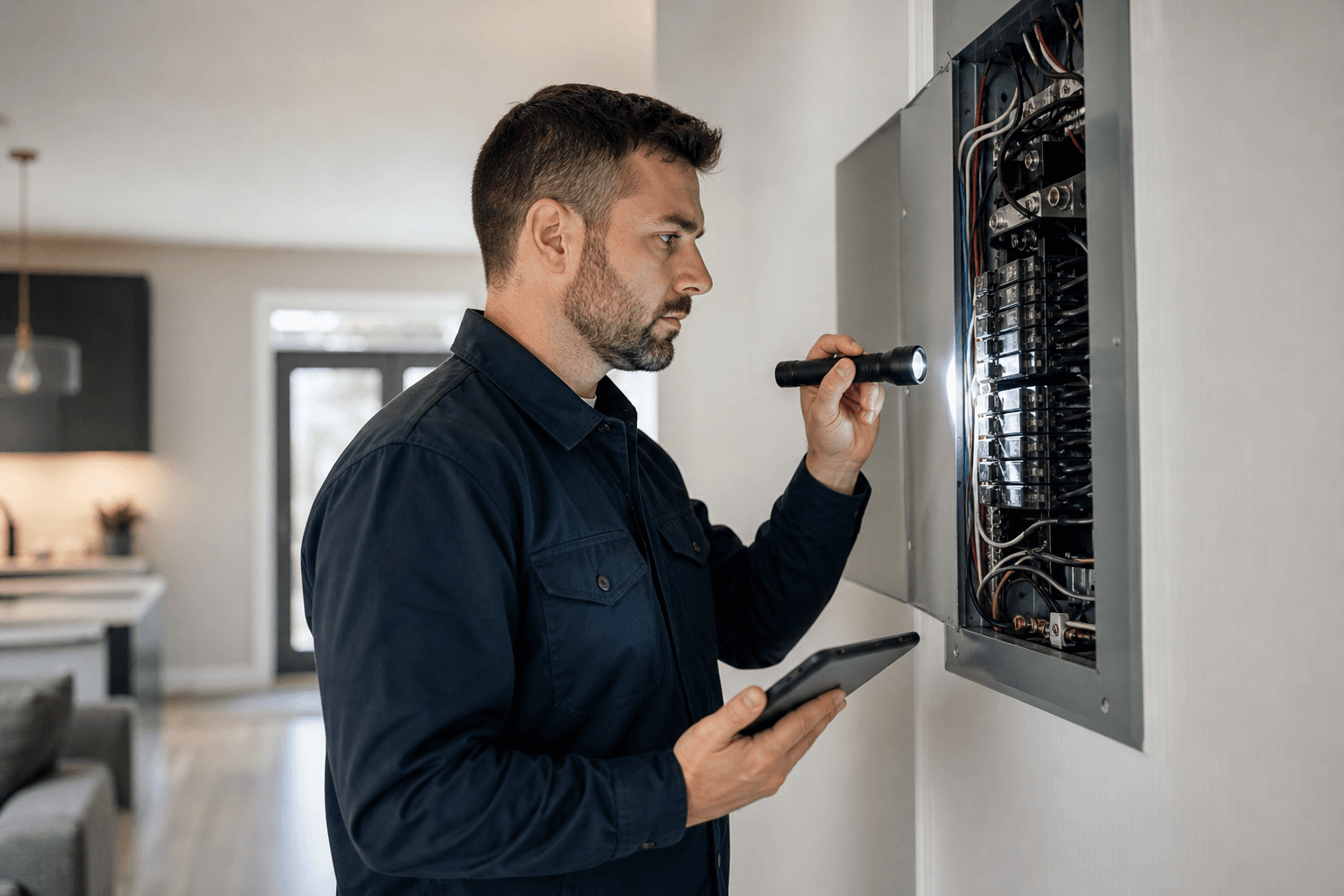
On inspection day the inspector will walk the interior and exterior, access the attic and basement where safe, operate plumbing fixtures and major systems where possible, and take photos. Attend the inspection if you can; this allows you to see issues first-hand and ask immediate questions. If you cannot attend, confirm the planned arrival time and the expected duration so you can arrange to receive or review the report promptly.
How to read and prioritise report findings
Use the report to identify safety issues first, then functional failures that affect habitability, and finally maintenance items. Look for clear photos, severity ratings or prioritized lists, and recommended next steps so you can obtain repair quotes or request concessions from the seller.
Next steps: negotiating, obtaining quotes and scheduling follow-ups
If the inspection reveals significant issues, get contractor quotes for repairs and present them in your negotiation or conditional demands. For complex or concealed problems, arrange follow-up testing or a specialist evaluation before completing the purchase.
Quick decision checklist and common objections to address
8-point booking checklist
- Verify certifications and memberships such as InterNACHI or CCPIA, and request proof.
- Request a recent sample report and confirm the same-day PDF format if needed.
- Ask for proof of general liability and errors and omissions insurance.
- Confirm the inspector’s experience with your property type: detached home, condo or multi-unit.
- Decide whether optional diagnostics such as thermal imaging or sewer camera are necessary.
- Confirm the expected on-site duration and the exact report delivery timeline.
- Compare written quotes for inclusions, exclusions and cancellation terms.
- Contact references or read recent reviews to confirm reliability and communication quality.
Red flags that should stop the booking
- Refusal to provide a sample report or proof of insurance.
- Very low quote with no clear scope or exclusions.
- Unwillingness to confirm experience with the specific property type.
- Unclear or excessively delayed report delivery timelines in a time-sensitive transaction.
Frequently asked questions
Do I need a separate pre-purchase inspection for a Toronto condo
Yes. A condo inspection focuses on the interior of the unit and the visible condition of in-unit systems, but it does not replace reviewing condo corporation records. Request condo board documents such as reserve fund studies and recent engineering reports in addition to the unit inspection to understand shared component risks and future levies.
How long does a pre-purchase home inspection take and when will I get the report
Inspection time depends on size and complexity, commonly one and a half to three hours for single-family homes, longer for larger or multi-unit buildings. Report delivery varies by provider; ask the inspector if they provide same-day PDF reports, which can be critical when you have short conditional periods.
What should I do if the inspector misses a major defect after closing
If a significant defect appears after closing, first document the problem and contact the inspector to review their report and findings. Keep the inspection report and any communications. Because Ontario does not restrict who may offer inspections, consider legal advice if you believe professional negligence has occurred, and check whether the inspector carried errors and omissions insurance that could cover remediation or defence costs.
Are certifications like InterNACHI or CCPIA proof of competence in Ontario
Memberships indicate adherence to training and standards, but they are not a provincial licence in Ontario. Use certifications as one part of your decision, and also verify sample reports, insurance and experience, because local regulation may allow anyone to operate as an inspector.
Final steps and how to book
Use the eight-point checklist above at the moment you request a quote. If you need a certified inspector who can handle both residential and commercial properties with quick report delivery, check providers that list InterNACHI and CCPIA memberships and same-day PDF reporting on their site. Request a sample report and confirm pricing and availability before you commit.
For more information or to request a sample report and same-day PDF delivery, visit Asmhomeinspection.