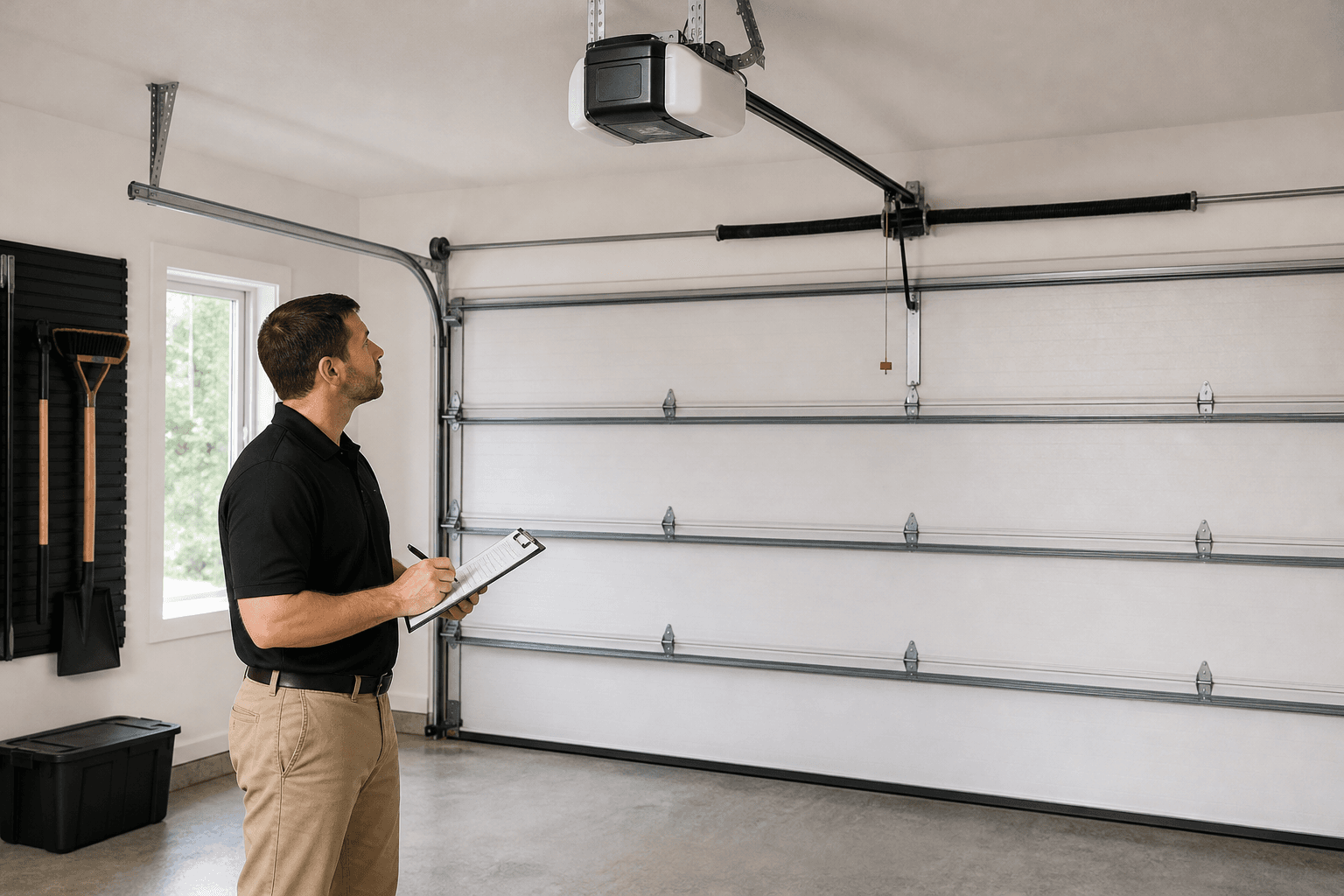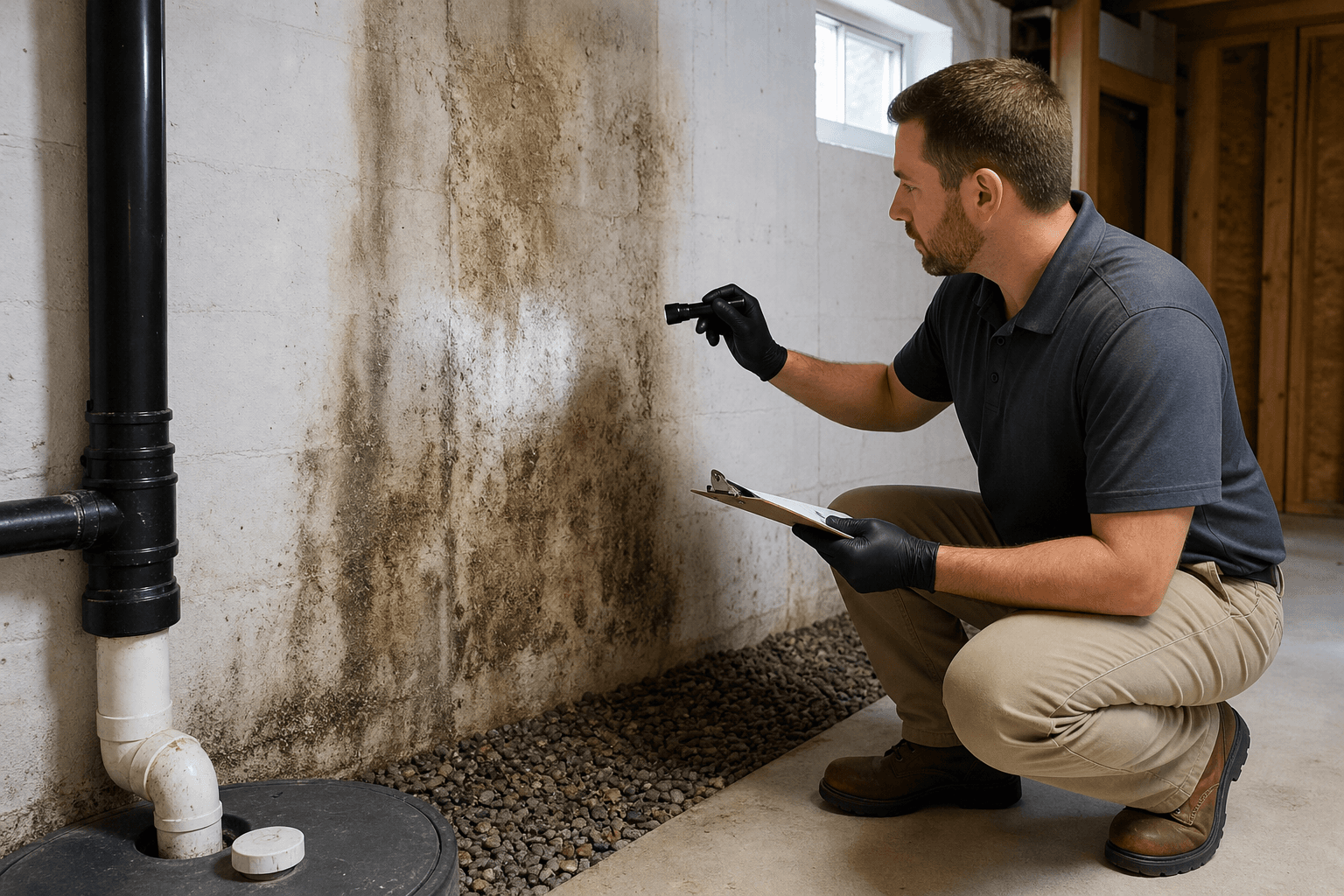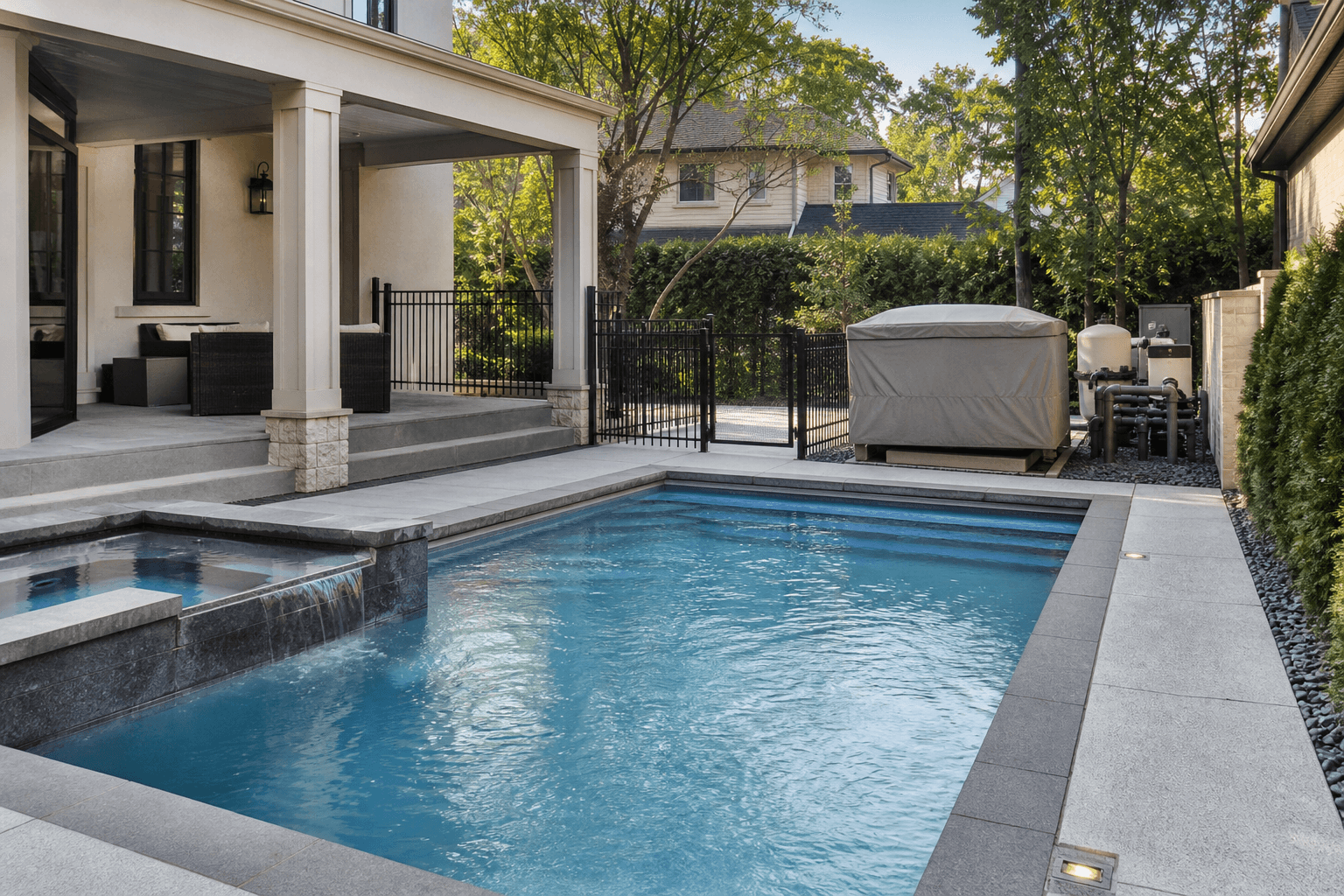
A pool and spa inspection documents visible and accessible conditions around the pool or spa, shell, deck, drainage, equipment, controls, barriers, and surrounding property. The exact scope must be agreed before booking. It does not automatically prove water quality, hidden leaks, underground piping, structural adequacy, electrical compliance, or legal compliance. Related reading: Home Inspection Checklist for Ontario Buyers: What to Check Before You Commit.
This distinction matters when buying a GTA home with a swimming pool, hot tub, or spa. A pool can affect safety, maintenance, and the purchase decision, but it is not necessarily included in a standard whole-home inspection unless identified in the agreed scope.
Choose the assessment that matches your question
A general home inspection reviews the accessible condition of the property as a whole. A pool and spa assessment focuses on the outdoor feature and related equipment. A licensed pool contractor, electrician, plumber, or engineer is the better choice for diagnosis, repairs, compliance, concealed conditions, or structural questions.
| Assessment | Best fit | Does not replace |
|---|---|---|
| General home inspection | The entire home, including accessible structure, roof, exterior, plumbing, electrical, HVAC, and interior components. | Pool-equipment diagnosis, underground-line testing, water chemistry, or structural engineering. |
| Pool and spa assessment | Pool, spa, deck, equipment, drainage, barriers, or access conditions affect your purchase or maintenance decision. | A repair contract, water-quality certification, engineering opinion, or concealed-condition guarantee. |
| Licensed pool contractor | Equipment diagnosis, leak investigation, opening or closing, repair advice, or detailed operational evaluation. | An independent review of the rest of the home. |
| Electrician, plumber, or engineer | The question involves electrical safety, plumbing faults, shell movement, retaining structures, or structural adequacy. | A complete property-condition assessment. |
| Pool maintenance service | Cleaning, chemical balancing, seasonal opening, winterization, or routine equipment servicing. | An independent condition report for a purchase or sale. |
If you are buying a house with a pool, ask whether the requested pool and spa scope is available, what can be observed or operated, and which items require a specialist. As with any visual property assessment, concealed or inaccessible conditions can limit what an inspection establishes. Related reading: Building Envelope Inspection: Scope, Limits, and Next Steps.
What a pool and spa inspection can cover

Inspectors commonly look for visible damage, water-management clues, equipment condition, access concerns, and safety-related features. The practical boundary is between an accessible observation and a question requiring separate confirmation.
| Area | Visible or accessible observations | Separate confirmation may be needed for |
|---|---|---|
| Pool shell, walls, floor, coping, and finishes | Visible cracks, displacement, staining, deterioration, damaged finishes, and unusual water-loss clues. | Hidden damage, leak location, structural adequacy, movement analysis, and repair design. |
| Deck and hardscape | Trip hazards, settlement, cracked or loose materials, drainage direction, and visible edges. | Load capacity, concealed support, or extensive settlement diagnosis. |
| Drainage and grading | Water paths, ponding, discharge direction, surface slopes, and moisture evidence. | Underground drainage performance or buried defects. |
| Pump, filter, and circulation | Accessible condition, visible leaks, corrosion, damaged housings, sounds, controls, and observable operation. | Internal wear, flow testing, concealed leaks, or full performance diagnosis. |
| Heating equipment | Accessible connections, visible deterioration, controls, and safe operating observations. | Gas, combustion, electrical, heat-exchanger, efficiency, or specialist performance testing. |
| Plumbing and visible piping | Accessible joints, valves, exposed lines, leaks, corrosion, and water damage. | Underground piping, pressure testing, blocked lines, or leak-location work. |
| Electrical supply, lighting, and controls | Visible condition of accessible components, covers, switches, lighting, and signs of damage. | Compliance, bonding, grounding, concealed wiring, or corrective work. |
| Barriers, gates, and access | Visible damage, gaps, latches, self-closing or self-latching features, and access obstacles. | A formal legal or municipal compliance determination. |
| Surrounding structures | Accessible sheds, pool houses, retaining features, stairs, and railings identified before the visit. | Structural engineering or concealed framing. |
Do not assume a pool structure is included in a standard residential inspection. Before booking, identify the feature and request the exact pool inspection scope, including any deck, equipment, spa, barrier, or surrounding structure you want documented.
For a whole-home inspection, key areas include structure and foundation, roof and attic, exterior drainage and moisture control, plumbing and electrical systems, and heating and cooling. Pool-related questions often connect to drainage, electrical equipment, pumps, and heaters.
Spa and hot-tub questions deserve their own scope
A spa is not simply a smaller swimming pool. It combines a shell, cover, controls, heater, jets, circulation components, water connections, and electrical supply in a compact area that may be difficult to access.
- Shell and surround: Look for visible cracks, deterioration, staining, and moisture evidence around the base.
- Cover and access: Note the cover’s condition and whether equipment panels can be opened.
- Controls and heater: Identify whether settings and heating operation can be observed safely.
- Jets and circulation: Ask whether operation is observed or whether performance testing is excluded.
- Visible plumbing: Document accessible connections, leaks, corrosion, and moisture clues.
- Electrical supply: Ask which visible components can be reviewed and whether compliance testing is excluded.
A visual inspection can record accessible conditions and operating observations, but it cannot certify hidden plumbing, water chemistry, electrical compliance, or full component performance. Winterized, drained, disconnected, locked, or unsafe features may be reported as limitations.
What the inspection cannot prove
An inspection assesses observable conditions at a particular time. It is not a warranty, destructive investigation, guarantee of future performance, or proof that concealed components are defect-free.
- Underground supply, return, drainage, or pool lines.
- Leaks beneath slabs, finishes, landscaping, decks, or equipment housings.
- Water chemistry, sanitation, clarity, or suitability for use.
- Internal pump, filter, heater, jet, or control components that require dismantling.
- Shell engineering, retaining-wall capacity, or the cause of movement.
- Electrical compliance, concealed wiring, bonding, grounding, or repair quality.
- Legal, zoning, permit, or municipal compliance.
Use report language carefully. “Visible moisture at an equipment connection” is not the same as a confirmed underground leak. A recommendation for specialist review is not a repair diagnosis.
Private residential assessment is not an Ontario public-pool inspection
Ontario’s public-pool rules apply to operators of public pools and spas, not ordinary private residential inspections. Regulation 494/17 requires public-pool operators to test and record alkalinity, pH, chlorine or bromine residual, water clarity, and spa temperature each operating day before opening. Ontario’s public-pool testing requirements are regulatory obligations, not a substitute for a private property assessment.
Regulation 565 also addresses public-health inspection posting and written permission before reopening after construction or alteration. The Recreational Water Protocol describes public-health inspection processes for public pools and spas.
Prepare the property for useful observations
- Provide the address and property type. Identify the pool, hot tub, spa, and whether you are buying, selling, occupying, or maintaining the home.
- Describe operating status. State whether the feature is open, winterized, drained, disconnected, or operating.
- Arrange equipment access. Clear stored items around pumps, filters, heaters, controls, valves, and panels.
- Confirm utilities. Establish whether water, power, heating, and controls are available for safe observation.
- Gather records. Provide service invoices, repair records, equipment information, and prior reports.
- List symptoms. Note water loss, unusual sounds, staining, slow heating, failed jets, moisture, or damaged barriers.
- State your question. Explain whether you need a condition record, equipment observation, or help deciding on specialist follow-up.
Closed or inaccessible features can still be documented, but the report may contain more limitations. Tell the inspector about their condition before the visit.
How to prioritize findings before closing

| Category | Example | Next step |
|---|---|---|
| Immediate safety concern | Damaged barrier, exposed electrical component, unstable surface, or unsafe access. | Restrict access where appropriate and obtain the relevant specialist or authority assessment. |
| Active leak or water damage | Water at an equipment connection, persistent moisture, or staining at an adjacent structure. | Find the source through the appropriate pool, plumbing, waterproofing, or building professional. |
| Structural or shell concern | Visible cracking, displacement, settlement, or movement. | Request a structural or pool-shell specialist’s opinion. |
| Nonfunctioning equipment | A pump, filter, heater, control, jet, or light does not operate. | Obtain equipment-specific diagnosis and documentation. |
| Maintenance need | Corrosion, worn components, poor drainage, damaged cover, or overdue seasonal work. | Obtain a maintenance plan and assess its effect on ownership costs and transaction terms. |
| Cosmetic condition | Faded finishes, minor staining, or appearance-related deterioration. | Record it without treating appearance alone as evidence of a hidden defect. |
A nonfunctioning heater is not automatically a reason to abandon a purchase, but it is a reason to obtain a qualified diagnosis before deciding what the feature is worth. Visible staining is not automatically proof of an underground leak, but it deserves investigation.
Before closing, identify the unanswered question. A repair request, credit discussion, specialist assessment, or reinspection may be appropriate depending on the agreement, timing, severity, and evidence. Retain invoices or specialist reports and verify completed work where the timeline allows.
Inspection, maintenance, and repair are different jobs
An inspection creates a condition record and identifies visible concerns. Maintenance keeps equipment and surfaces in serviceable condition. Repair work corrects a known defect. One service is not proof that another has been completed.
Short maintenance formulas, including the “three C’s,” do not replace a property assessment. Whether the routine involves cleaning, circulation, chemistry, or another framework, it does not establish the condition of concealed piping, structural components, electrical systems, or the surrounding home.
For an owned property, an annual home maintenance inspection can help track recurring moisture, equipment, safety, and upkeep concerns. Identify the pool or spa in advance so the requested scope is clear.
Questions to ask before booking
- Is the pool, spa, deck, equipment area, and surrounding structure included?
- Which components will be observed, operated, or photographed?
- Must the feature be open, filled, powered, heated, or operating?
- What happens if equipment is winterized, drained, disconnected, inaccessible, or unsafe?
- Are water testing, underground lines, hidden leaks, electrical compliance, engineering, and specialist diagnostics excluded?
- Will limitations be documented clearly?
- Do I need a pool contractor, electrician, plumber, engineer, or public-health authority?
- Does the inspection also cover the rest of the home?
- What report format is provided, and when will it arrive?
Asmhomeinspection states that general residential inspection pricing starts at $199. That is not a pool-specific price or quote. Final scope and pricing depend on the property and requirements agreed before the appointment.
A clear scope is the right first step
When requesting a quote, provide the property address, pool or spa type, equipment access, operating status, occupancy, known concerns, desired timing, and whether you also need a whole-home inspection. Ask for pool structures and other additional features to be identified in the scope before the visit.
Asmhomeinspection provides GTA residential inspection services and same-day PDF reporting for agreed inspection work. To discuss the property and scope, visit the Asmhomeinspection homepage and request confirmation that pool and spa questions can be included in the inspection scope.