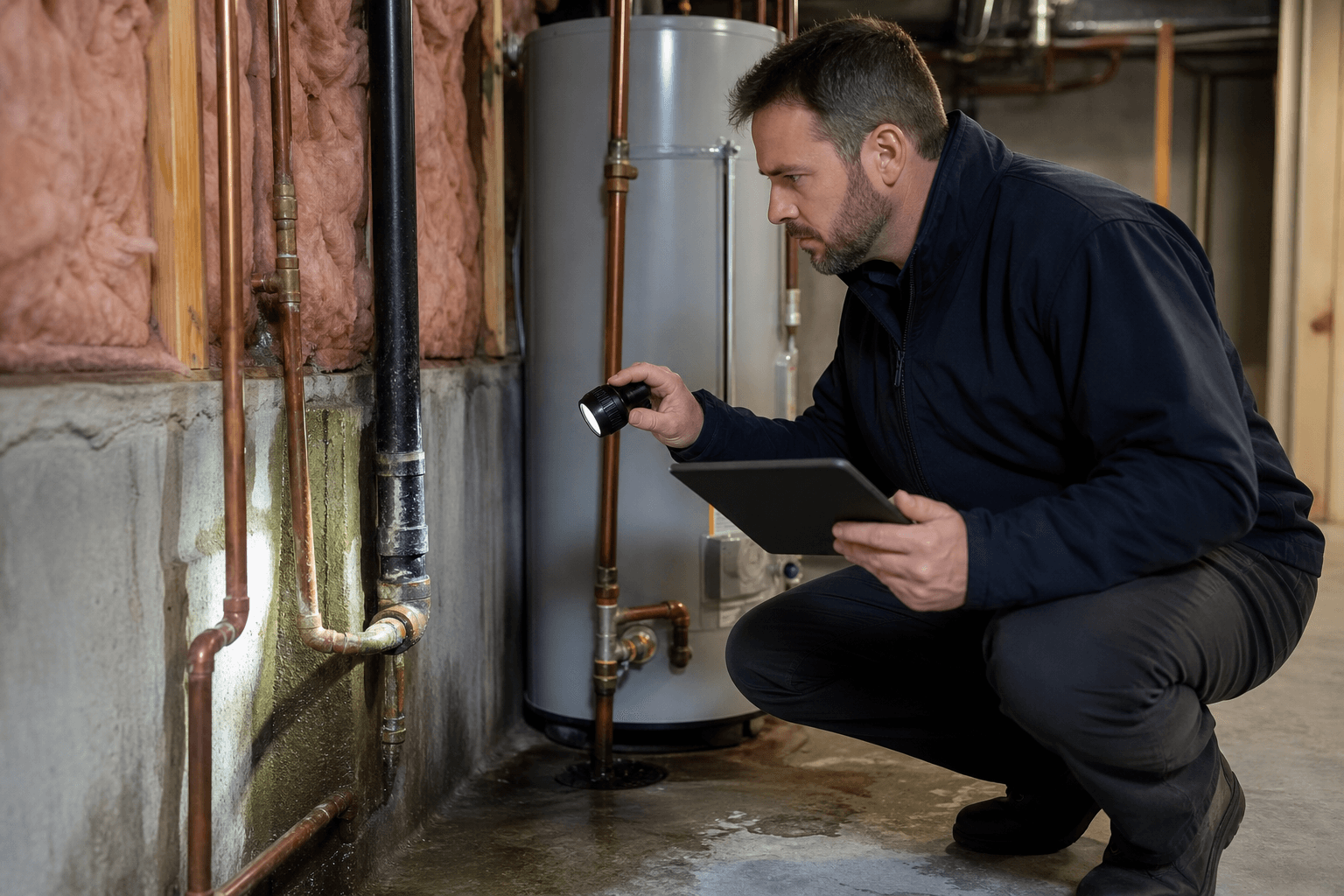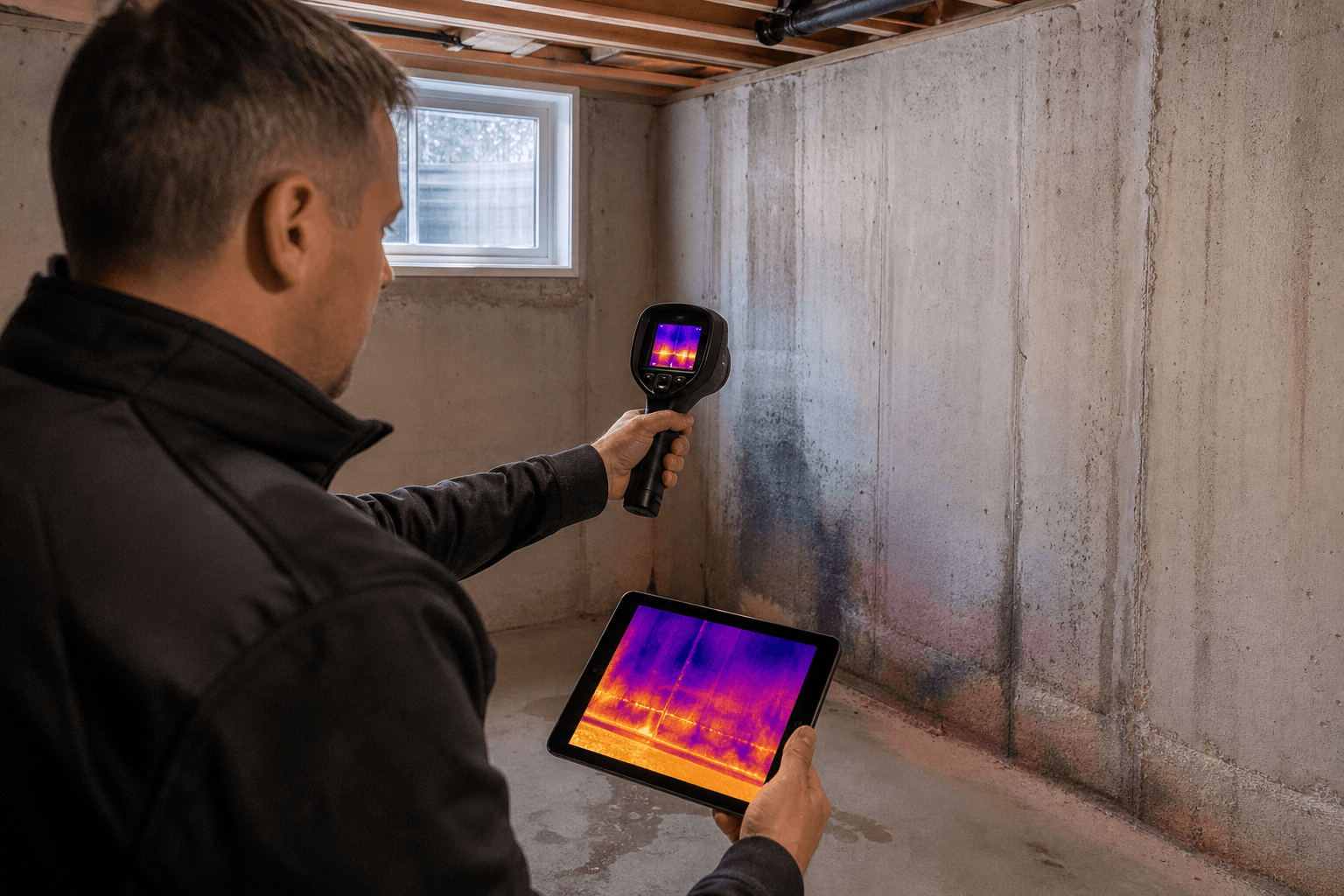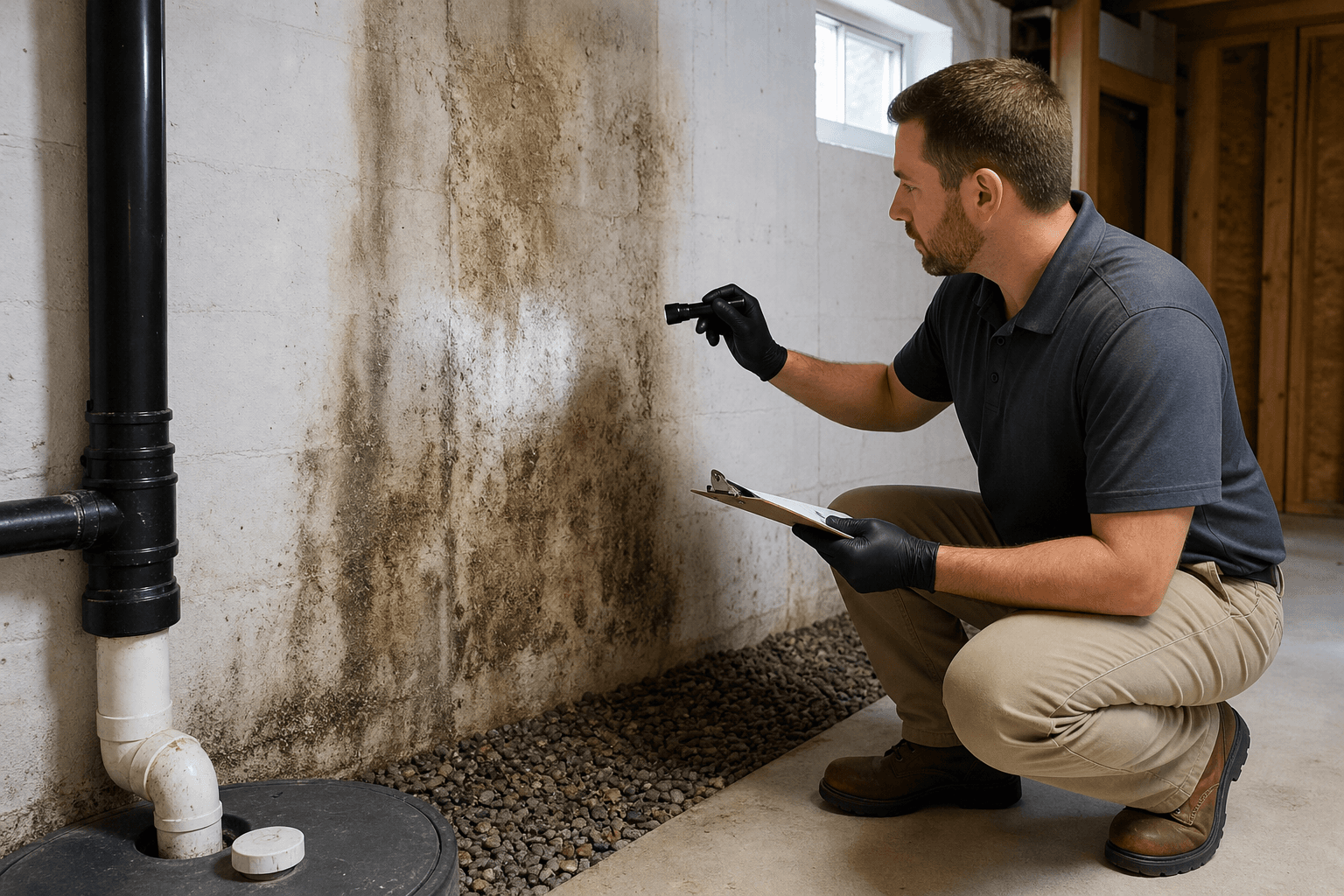
A Toronto mould inspection is worthwhile when you have visible growth, musty odours, water staining, recurring basement or attic moisture, or a property decision that depends on understanding visible conditions. ASM’s residential inspections start at $199, with the final price determined by property type, size, age, access, and requested scope. Findings are documented with photographs and a same-day PDF report. Related reading: Do You Need a Home Inspection When Buying a Condo in Toronto?.
The right first question is not always “What type of mould is this?” It may be “Where is moisture entering?”, “What accessible conditions should I document?”, or “What should I investigate before buying, selling, or repairing this property?”
Mold Inspection Toronto: Start With the Question You Need Answered
A residential mould-related inspection reviews accessible conditions and possible moisture clues. A visual inspection does not assess concealed or inaccessible conditions. Health-related questions require appropriate qualified advice.
Health Canada recommends beginning with a visual walk-through of rooms, attics, basements, crawl spaces, and storage areas. Look for visible mould and signs of excessive moisture, including stains or discolouration on building materials and furnishings. Source: Guide to addressing moisture and mould indoors - Canada.ca.
For many Toronto homes, the useful starting point is a clearly defined property inspection question: Where is the visible moisture clue? Which accessible systems are connected to it? What limitation or follow-up should be recorded before a purchase, sale, or repair decision?
Choose the Service Before You Book
“Mold inspection” can describe several different requests. Before you schedule, decide whether you need a visual review of accessible property conditions, a focused moisture investigation, laboratory sampling, or remediation work.
| What you need answered | Most relevant starting point | What to clarify before booking |
|---|---|---|
| Where are the visible moisture clues or apparent mould conditions? | Visual residential property inspection | Areas in scope, access, photographs, written observations, and report timing. |
| What building conditions may be connected to staining or dampness? | Inspection with a defined moisture concern | Basement, attic, roof, plumbing, drainage, ventilation, or renovation areas to review. |
| Do I need a laboratory result for a specific question? | Air or surface sampling discussion | Sampling method, number of samples, laboratory, cost, and how the result will affect your decision. |
| What work is needed to contain, remove, clean, or repair affected materials? | Remediation or trade consultation | Whether the provider is addressing the moisture source, affected materials, or both. |
Health Canada generally does not recommend routine indoor-air sampling because the response to an indoor-air-quality concern usually centres on source reduction, ventilation, and filtration. Sampling can still have a role when it answers a clearly defined question, but its potential benefit should be weighed against its cost. Source: Guidance for indoor air quality professionals - Canada.ca.
A visual inspection is not a substitute for every specialist service. Review the published inspection limitations before booking, especially if the suspected condition is concealed, obstructed, unsafe, or outside the agreed scope.
What Does a Toronto Mold Inspection Cost?
ASM residential home inspections in Toronto start at $199. The final quote varies with property type, size, age, access, and requested scope, so the starting price is a budget reference rather than a universal price for every mould-related concern.
Ask for the price of the actual service you need, not just the advertised starting figure. A useful quote should identify whether the appointment is a general residential inspection, a focused moisture review, sampling, or another service, and should state what report or documentation is included.
For a condominium unit, the published residential scope focuses on the unit interior, including accessible plumbing fixtures, electrical components, HVAC serving the unit, windows, doors, and finishes. The corporation generally controls the roof, exterior envelope, and common elements.
Townhouse scope depends on ownership and shared arrangements. Semi-detached and detached homes may include accessible roof, exterior, grading and drainage, foundation, structure, attic, electrical, plumbing, heating, cooling, and interior components.
For concerns involving basement moisture, lot drainage, older plumbing, roof and flashing interfaces, party walls, or visible renovation alterations, the Toronto residential inspection service is a relevant starting point for a documented visual review and same-day reporting. The published service information does not describe mould removal or remediation, so ask directly if your concern requires work beyond property inspection.
Commercial properties are quoted individually because building type, size, systems, access, and requested scope vary substantially.
What Happens Before, During, and After the Inspection?

A useful appointment starts with a defined concern and ends with a report that separates observations from limitations. Prepare the property so the inspector can reach relevant areas without disturbing suspected mould or unsafe materials.
Before the visit
Provide the inspection type, Toronto property address or city, property type, approximate size, and best contact number. Describe the concern in practical terms, such as “musty basement after rain” or “staining below a roof valley.”
Gather the date of any leak, previous repairs, recurring condensation, flooding, renovation work, insurance documentation, and photographs. Do not paint over stains, remove finishes, or clean a suspected area immediately beforehand if doing so would erase useful evidence.
Ask these questions before confirming the appointment:
- Which rooms, exterior areas, attic spaces, basement areas, and systems are accessible and included?
- Will the report contain photographs, written observations, limitations, and same-day delivery?
- Is the visit intended to document visible property conditions, investigate moisture clues, collect samples, or address another question?
- Which concealed, unsafe, shared, or inaccessible areas will remain outside the scope?
During the inspection
Depending on the agreed scope and access, ASM’s residential inspection may include accessible roofing, exterior components, drainage, foundation and structure, basement or crawl space, plumbing, electrical, furnace, air conditioning, attic, insulation, ventilation, windows, doors, and interior finishes.
Toronto-specific attention may include basement moisture and lot drainage, older plumbing or electrical components, roof and flashing interfaces, party-wall conditions, and visible renovation alterations. The inspection remains visual and non-destructive, and concealed or unsafe areas should be identified as limitations.
After the visit
ASM provides a same-day PDF report with photographs and written observations. Read it by location and system, separating active-water or safety concerns from maintenance items and questions requiring a specialist.
Before arranging an appointment, confirm the inspection scope that fits the property and concern. The services page explains that scope is confirmed for the actual property instead of being assumed from a generic package.
How Toronto Property Type Changes the Inspection Question
The right inspection question changes with ownership, building layout, access, and the location of the suspected moisture. A detached home, townhouse, and condominium unit do not offer the same inspection scope.
Detached and semi-detached homes
Ask how the appointment will address basement walls and floors, lot drainage, downspouts, foundation conditions, attic ventilation, roof penetrations, plumbing, and visible alterations. Older homes may also require attention to aging plumbing, electrical components, party-wall interfaces, and renovations.
Townhouses
Establish what you own and what a condominium corporation or shared arrangement controls. The inspection may be limited to the unit interior or include owner-maintained exterior areas and roof sections where accessible.
Condominium units
A Toronto condo inspection assesses the unit’s accessible conditions, not the corporation’s entire roof, exterior envelope, mechanical rooms, or common elements. Look for moisture clues around windows, plumbing fixtures, bathrooms, HVAC components, ceilings, floors, and shared walls.
If the suspected source may be in a common element or another unit, document the location and ask the property manager or condominium corporation about the appropriate process. A unit inspection cannot replace an assessment of building areas that are not accessible to the inspector.
What Should a Useful Inspection Report Include?
For a mould-related property concern, the report should help you understand what was observed, where it was observed, what was accessible, and what question remains unresolved.
- Location: Identify the room, wall, ceiling, floor, attic, basement, exterior elevation, or component.
- Photographs: Include context, not only a close-up.
- Written observation: Describe visible staining, discolouration, deterioration, dampness, or apparent mould without overstating what can be seen.
- Moisture clues: Note nearby plumbing, drainage, roof interfaces, condensation, grading, foundation, ventilation, or repair evidence.
- Limitations: Identify concealed, obstructed, unsafe, or out-of-scope areas.
- Next question: Explain whether the finding calls for source correction, a trade contractor, remediation specialist, or focused assessment.
A visual inspection report is not a laboratory result or a clearance document, and it cannot assess concealed or inaccessible areas.
Use the mould inspection checklist to organize visible clues, property history, and questions before the appointment.
DIY Checks, Free Assessments, and Paid Testing
A homeowner check is useful for recording visible clues. A free phone or virtual assessment may help determine whether an on-site visit is worth discussing, but neither is equivalent to a documented inspection of accessible property conditions.
DIY kits and laboratory results answer narrower sampling questions. Sampling does not identify the moisture source by itself, reveal mould behind finishes, or determine the full remediation plan. Ask what specific decision the sample is intended to inform before paying for it.
ASM’s verified residential inspection service is paid, starting at $199. If another company advertises a free assessment, ask whether it is a remote screening, on-site inspection, sales estimate, or paid service under a different name. Clarify whether photographs, written observations, limitations, and a report are included.
The cost of “toxic mould testing” cannot responsibly be stated as one Toronto price without knowing the sampling method, number of samples, laboratory, property conditions, and question being investigated. The most useful comparison is the decision each service helps you make.
What to Do After the Inspection Finds Moisture or Mould Concerns
Preserve the documentation, identify the likely moisture source, and decide which qualified trade or specialist should address the unresolved question.
- Document the location and condition. Keep photographs, dates, repair records, and notes about changes.
- Address active water entry. A plumber, roofer, drainage contractor, or other trade may be appropriate.
- Decide whether remediation is needed. Extensive, recurring, concealed, or deteriorating materials may require a qualified remediation provider.
- Use testing for a defined question. Sampling should not substitute for correcting the moisture source.
- For a purchase, prioritize the finding. Use the documented condition to ask focused questions and discuss repairs with your advisors.
For legal, insurance, health, or remediation decisions, discuss the report with the appropriate qualified advisor.
Frequently Asked Questions About Mold Inspection in Toronto
How much does a mold inspection cost in Toronto?
ASM residential inspections start at $199. The final price depends on property type, size, age, access, and requested scope.
Is a mold inspection worth doing if I can already see mould?
It can be worthwhile when you need to document the condition, investigate related accessible systems, or plan the next professional step. Visible mould may require separate remediation work.
Can I get a free mold inspection in Toronto?
ASM’s verified residential inspection service is paid, starting at $199. A free phone or virtual assessment is not equivalent to an on-site inspection with photographs, written observations, and stated limitations.
How much does it cost to test for toxic mold?
There is no reliable single price. Cost depends on sample type and number, laboratory, access, and the question being investigated.
Does a home inspection test every room for mould?
No. It reviews accessible conditions within the agreed scope and does not automatically sample every room or assess concealed, obstructed, unsafe, or inaccessible areas.
What should I do after an inspection finds a moisture problem?
Keep the report, identify and correct the water source, and arrange trade or remediation follow-up that matches the finding. Buyers can use the documented details to guide a focused repair discussion.
Choose the Next Step for Your Toronto Property
Gather the property type, address or city, suspected locations, leak or renovation history, and preferred contact number. Asmhomeinspection can confirm the appropriate residential scope, availability, and exact quote through its Toronto property inspection services.