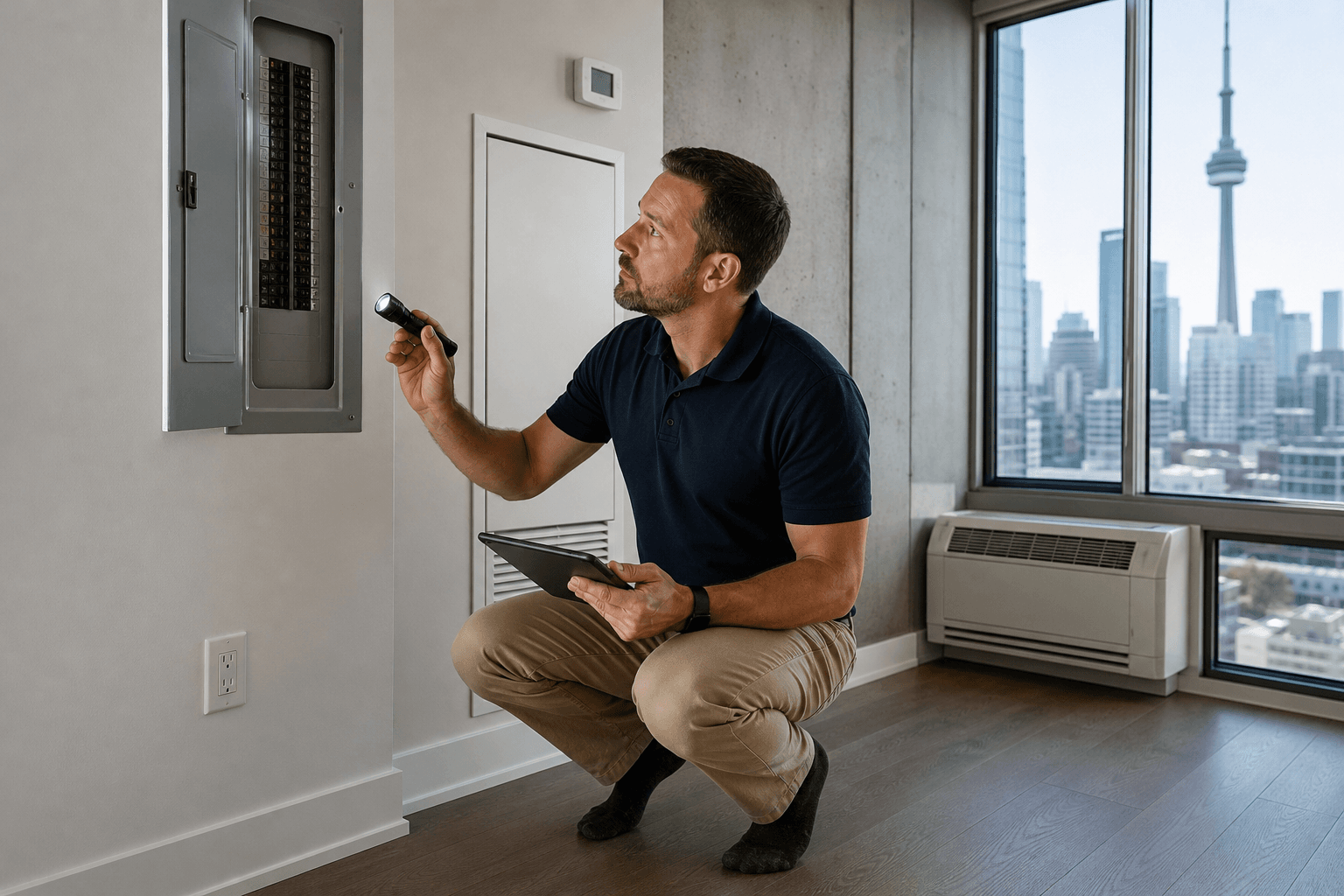
A Toronto condo inspection is a visual review of the accessible systems and components inside a unit. It can help you understand the condition of plumbing, electrical, in-suite HVAC, windows, finishes, and visible moisture indicators before you buy, but it does not answer every building-level question.
For complete due diligence, separate the physical unit inspection from the status certificate, condominium corporation records, engineering information, and, for a newly built unit, the pre-delivery inspection (PDI). Each check addresses a different risk.
Readers comparing local options can start with a Toronto condo inspection to understand how the scope fits high-rise and other condominium properties.
Quick summary

- A physical inspection focuses on visible, accessible conditions inside the condo unit at the time of the appointment.
- A status certificate and corporation records provide information about the condominium corporation, not a substitute for examining the unit.
- Common elements such as the roof, exterior envelope, and shared systems usually require corporation records and engineering information rather than a unit inspection.
- A PDI is the builder-related inspection for a newly built condo and is distinct from a resale condo inspection.
- ASM’s residential inspection pricing starts at $199, but the final fee depends on the property and requested scope. A same-day PDF report combines photographs with written observations.
Which condo check do you need?
The right question is not whether one inspection is sufficient for every condo purchase. It is which source can answer your specific question about the unit, the corporation, or a new-build handover.
| Check | What it helps you understand | What it cannot establish by itself |
|---|---|---|
| Physical unit inspection | Visible condition of accessible interior components, including plumbing, electrical, in-suite HVAC, windows, and finishes. | Concealed defects, most common elements, corporation finances, or future assessments. |
| Status certificate | Important condominium corporation and unit-related records for a resale purchase. | The physical condition of walls, fixtures, appliances, or other accessible unit components. |
| Corporation and engineering records | Information about common elements, major repairs, building condition, and planned work, depending on the records available. | A detailed, current inspection of the individual unit. |
| Pre-delivery inspection | Visible incomplete work, deficiencies, and conditions to raise with the builder before taking possession of a newly built unit. | The same broad purpose as a resale inspection or a review of the corporation’s long-term condition. |
Broader condo-building due diligence should bring together physical unit findings, corporation documents, and advice from the appropriate legal or technical professional. This overview of Toronto condo building fundamentals can help organize building-level questions before making an offer.
Ontario’s official home-buying guidance describes a home inspection as a report on the property’s condition as observed at the time of inspection. It also notes that resale condo buyers may request a status certificate, which is why the two checks should not be treated as interchangeable: Ontario’s home-buying guidance.
What a Toronto condo inspection covers

A residential condo inspection generally concentrates on the accessible interior of the unit. The inspector documents visible conditions and limitations rather than opening finished surfaces or assuming an inaccessible component is in good condition.
Typical accessible components
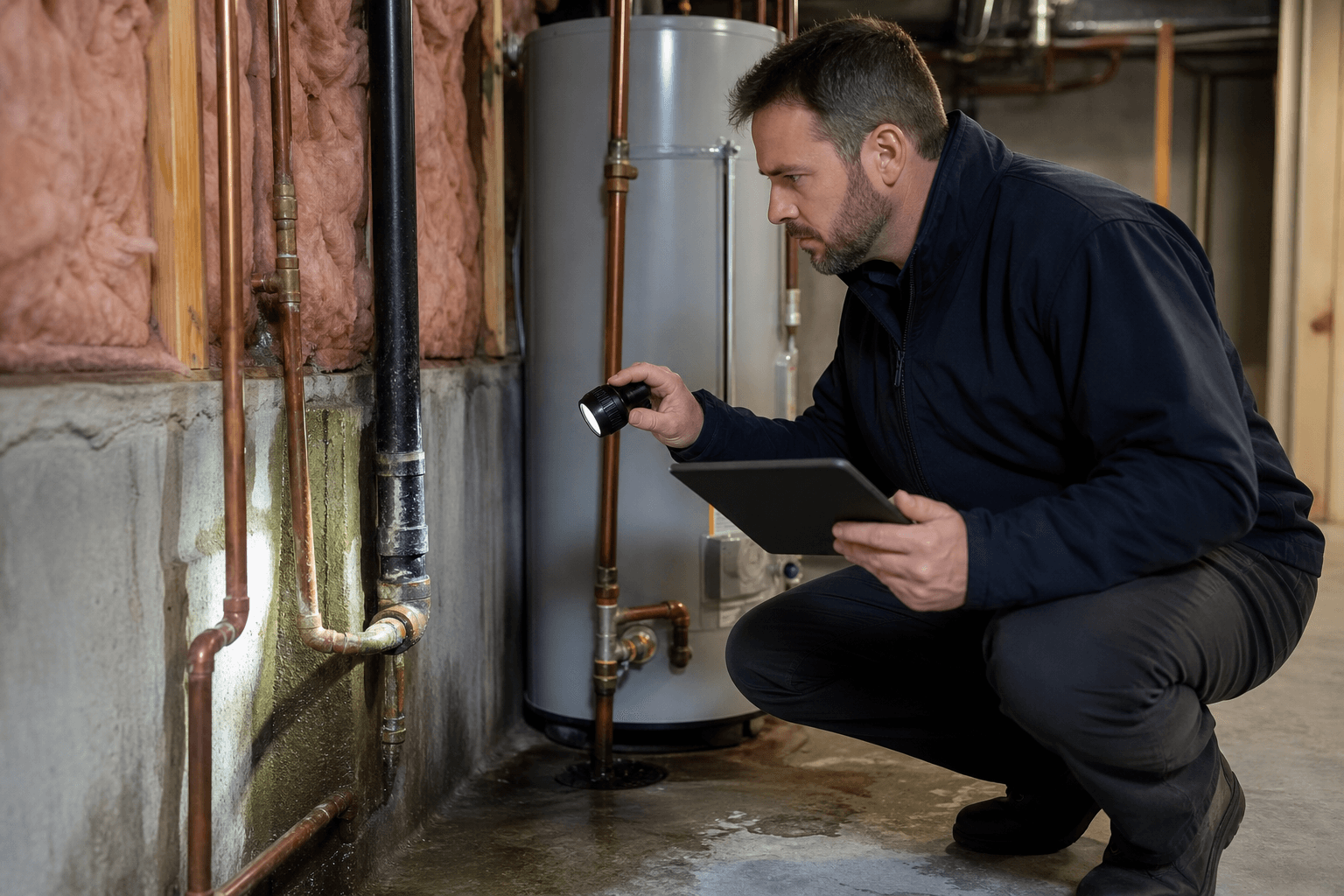
- Plumbing: visible supply and drain components, fixtures, and signs of leakage that can be observed without destructive investigation.
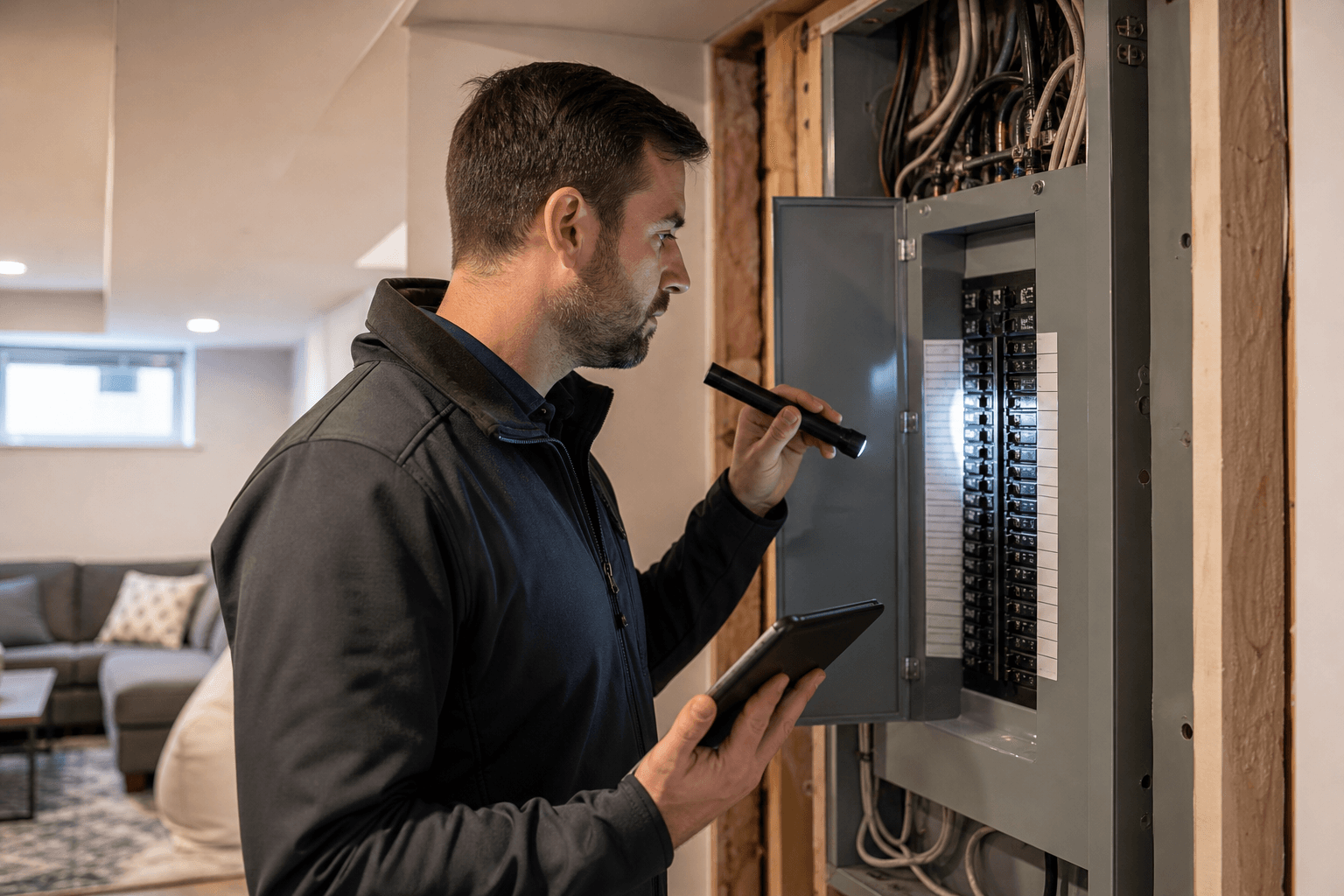
- Electrical: accessible panels, lights, receptacles, and other visible electrical components within the agreed scope.
- In-suite HVAC: accessible heating, cooling, and ventilation equipment serving the unit, where applicable.
- Windows and doors: observable operation, condition, and visible deficiencies.
- Walls, floors, ceilings, and finishes: signs of damage, deterioration, movement, or moisture-related concerns visible at the time.
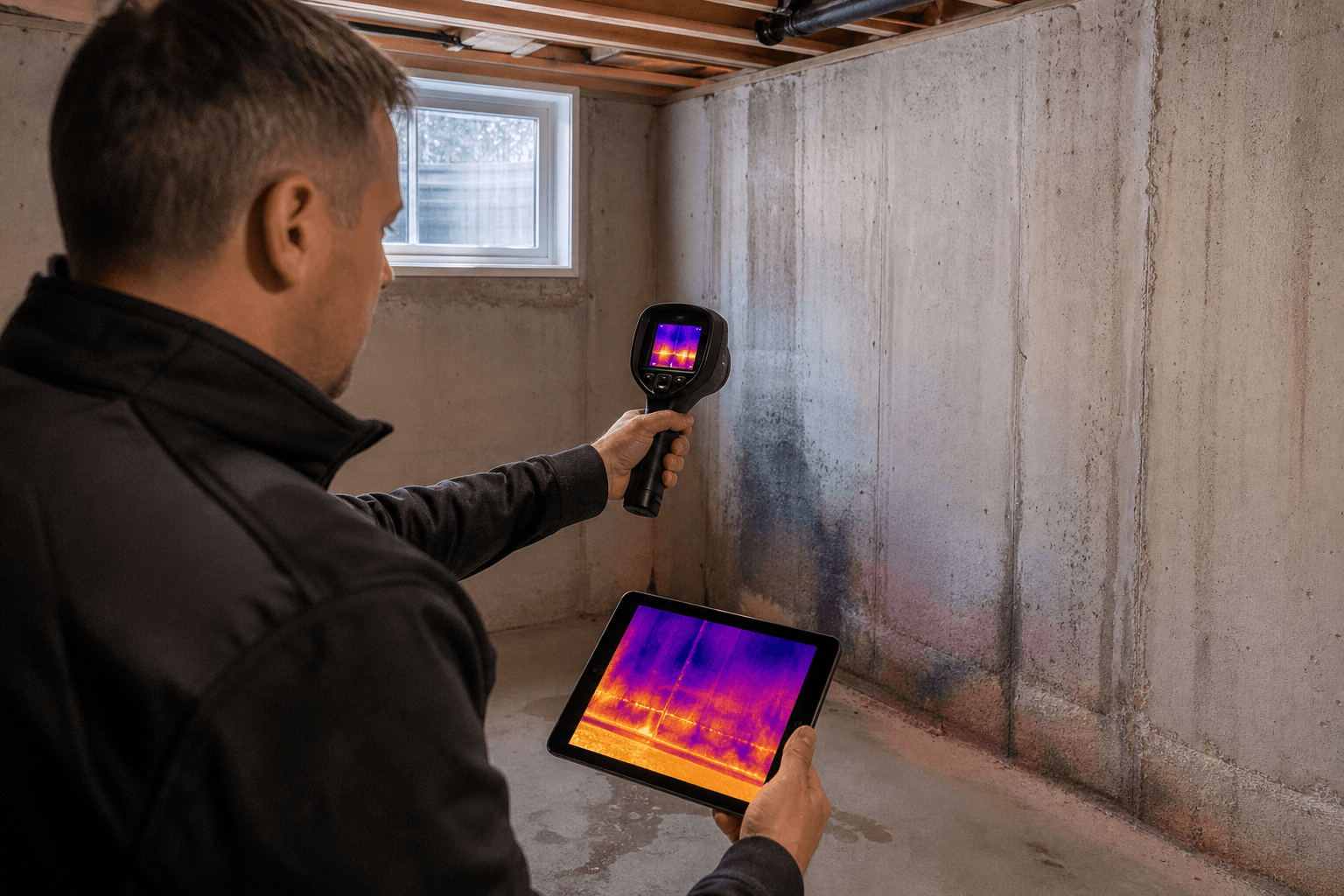
- Visible moisture indicators: staining, dampness, or other observable clues that may warrant further investigation.
The purpose is not to produce a guarantee or predict every future repair. It is to give you a documented view of what could be safely and reasonably accessed during the inspection, along with questions to investigate before you commit.
What a condo inspection does not cover
Condo buyers often expect a unit inspection to reveal the condition of the entire building. That is not its role. The roof, exterior envelope, and many shared mechanical or structural components are controlled by the condominium corporation and are normally outside the scope of an individual unit inspection.
A standard visual inspection also cannot confirm conditions hidden behind walls, ceilings, floors, or finished surfaces. It may identify visible evidence that deserves follow-up, but concealed defects require the appropriate specialist and investigation. The same limitation applies to components that are locked, obstructed, unsafe, or otherwise inaccessible.
An inspection does not determine the corporation’s reserve fund position, insurance matters, current or future special assessments, litigation, planned capital work, or compliance with every applicable requirement. Use the status certificate, corporation records, engineering documents, and professional advice for those questions. Do not rely on a physical inspection to replace legal, engineering, environmental, or trade advice.
Resale condo or newly built unit: how the decision changes
For a resale condo, the inspection is useful for understanding visible wear, maintenance needs, alterations, moisture indicators, and the condition of accessible unit systems. The older or more extensively renovated the unit, the more useful it may be to ask how work was completed, what remains accessible, and which concerns should be reviewed with a qualified trade.
A newly built condo involves a different handover process. The current term is pre-delivery inspection, or PDI. It is intended to document accessible incomplete work and deficiencies for discussion with the builder before possession. A PDI is not the same as a general resale condo inspection, and neither replaces a review of applicable purchase documents or condominium records.
If you are buying a new unit, confirm which appointment is being arranged, who will attend, what documentation will be provided, and how follow-up items should be recorded. Avoid assuming that a newer building eliminates the need to inspect visible workmanship and finishes.
Toronto condo considerations buyers should raise
Toronto’s condominium stock includes high-rise units, older buildings, renovated interiors, townhomes, and newer construction. The practical scope can change with the unit’s age, layout, mechanical setup, occupancy status, and access arrangements, so a quote should be based on the actual address and property details.
For a high-rise unit, ask which systems are inside the unit and which are corporation-controlled. For an older or renovated unit, ask about visible changes, signs of moisture, and the accessibility of panels, fixtures, and equipment. For any building, direct questions about the roof, exterior walls, balconies, elevators, garage, shared plumbing, or major capital work to corporation records and appropriate technical professionals.
This approach avoids two common mistakes: assuming a clean-looking unit proves the building is sound, or assuming a building record can reveal every defect inside the unit.
Condo inspection cost and report timing
ASM’s published residential inspection pricing starts at $199. That is a starting point, not a universal condo quote. The final fee can depend on the unit’s size, age, property type, access, and requested scope.
Before booking, review the condo inspection cost information and provide the address, unit type, and timing for a property-specific discussion. Ask whether the scope includes the components you are most concerned about and whether access limitations could affect the appointment.
ASM states that inspection findings are delivered in a PDF report on the same day, with photographs and written observations. Fast reporting can help you organize questions during a time-sensitive transaction, but a same-day report does not mean repairs, negotiations, or closing decisions will happen that day.
Before booking: a practical preparation checklist
- Provide the complete property address, unit number, and building name if applicable.
- Identify whether the property is a resale unit, newly built unit, rental, investment property, or occupied home.
- Share the unit’s approximate size, age, floor level, and unusual features.
- Confirm who will arrange access, including the seller, listing agent, tenant, property manager, or builder.
- Ask whether panels, mechanical equipment, storage areas, balconies, or other relevant spaces will be accessible.
- Explain specific concerns, such as a suspected leak, renovation, unusual odour, window problem, or HVAC issue.
- Confirm the inspection scope, fee, report timing, and limitations before the appointment.
- For a resale purchase, request the status certificate and relevant condominium records through the appropriate process.
- For a new build, confirm whether you need a PDI and what builder process applies.
Do not ask the inspector to provide an opinion on a document or system outside the agreed scope. Clarifying that boundary in advance makes the report more useful.
After the inspection: how to use the findings
Begin by separating the report into three groups: conditions that may present a safety or active-damage concern, routine maintenance items, and questions that need another professional. This keeps a long list of observations from making every item appear equally urgent.
For a possible electrical, plumbing, HVAC, structural, or moisture-related concern, ask what follow-up is appropriate and whether a qualified trade or engineer should investigate. For a corporation-level issue, compare the observation with available building records and raise the question with the property manager, condominium corporation, lawyer, or engineer as appropriate.
Use the photographs and written observations to create a short question list. The report supports better questions, but it does not guarantee a repair outcome, price adjustment, or closing decision.
Frequently asked questions
Is a Toronto condo inspection worth it if the building is well maintained?
It can still be useful because a well-maintained building does not establish the condition of every unit. A physical inspection focuses on accessible unit components, while corporation records address building-level information.
Does a condo inspection include the roof, exterior, or other common elements?
Usually not as part of an individual unit inspection. Review corporation and engineering information, and obtain appropriate technical advice when those areas are central to your decision.
Does a status certificate replace a physical condo inspection?
No. A status certificate and related records answer corporation and legal-administrative questions, while a physical inspection examines visible conditions inside the unit.
Is a pre-delivery inspection the same as a condo inspection?
No. A PDI is associated with a newly built unit and documents accessible incomplete work or deficiencies for discussion with the builder. A resale condo inspection is a separate visual assessment.
Can an inspector assess defects hidden behind walls or finished surfaces?
No. A standard visual inspection is limited to conditions that can be safely and reasonably accessed. Visible evidence may justify further investigation, but concealed conditions cannot be confirmed without the appropriate specialist process.
What information should I provide when requesting a condo inspection quote?
Provide the address, unit type, approximate size, age, occupancy status, access details, timing, and specific concerns. Also explain whether the unit is resale or newly built and whether you are asking about a physical inspection or a PDI.
Conclusion: Match the inspection to the risk you need to understand
A Toronto condo inspection is one part of a wider due-diligence process. Use it to examine accessible, visible conditions inside the unit. Use the status certificate and corporation records for corporation-level information, engineering materials for common-element concerns, and a PDI for a newly built unit.
Before booking, confirm the scope, access, price, and report timing. After receiving the report, prioritize safety and active-damage concerns, then direct legal, engineering, trade, and condominium-record questions to the appropriate professional or organization.
To discuss a property-specific scope, contact Asmhomeinspection with the condo address, property type, and timing.