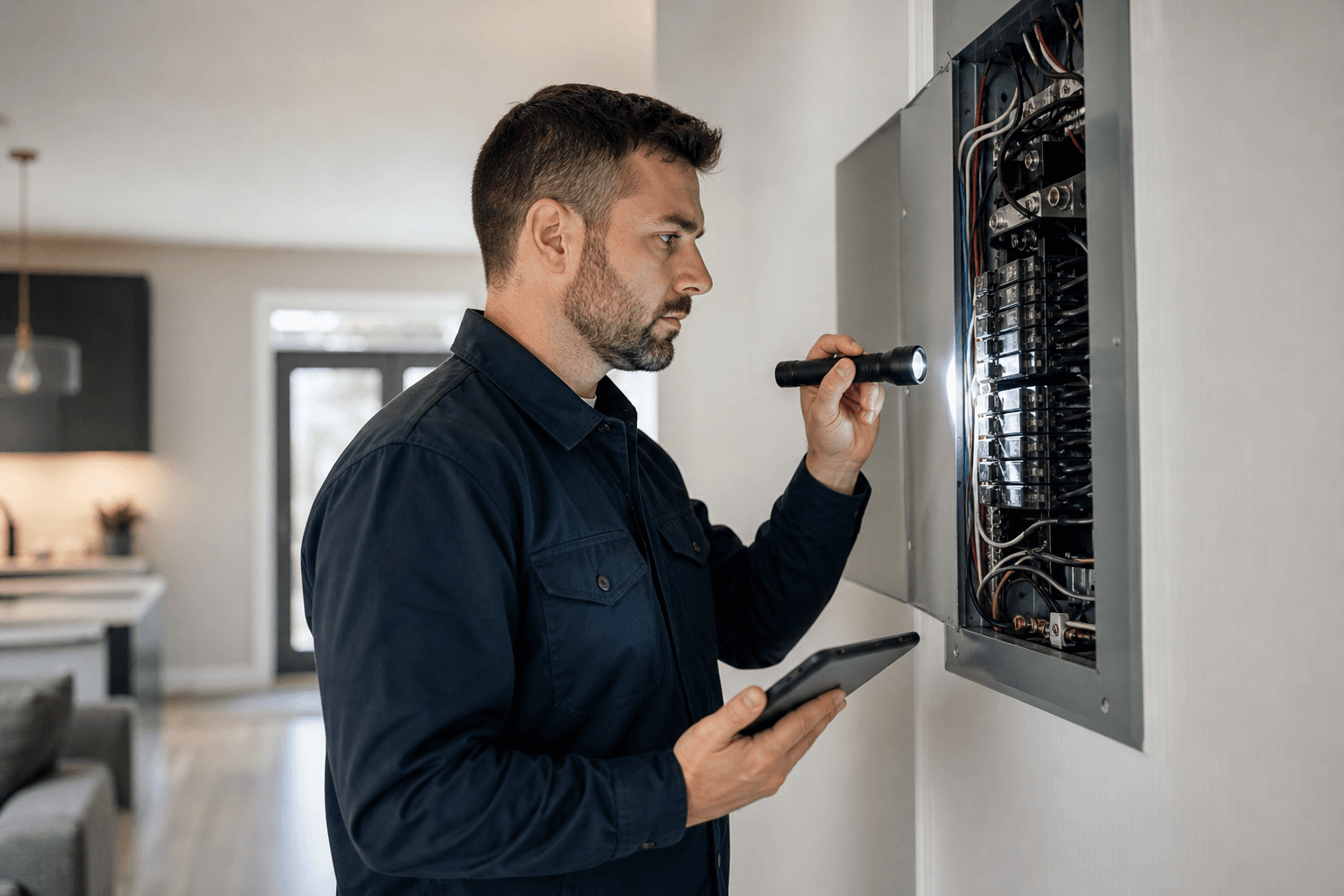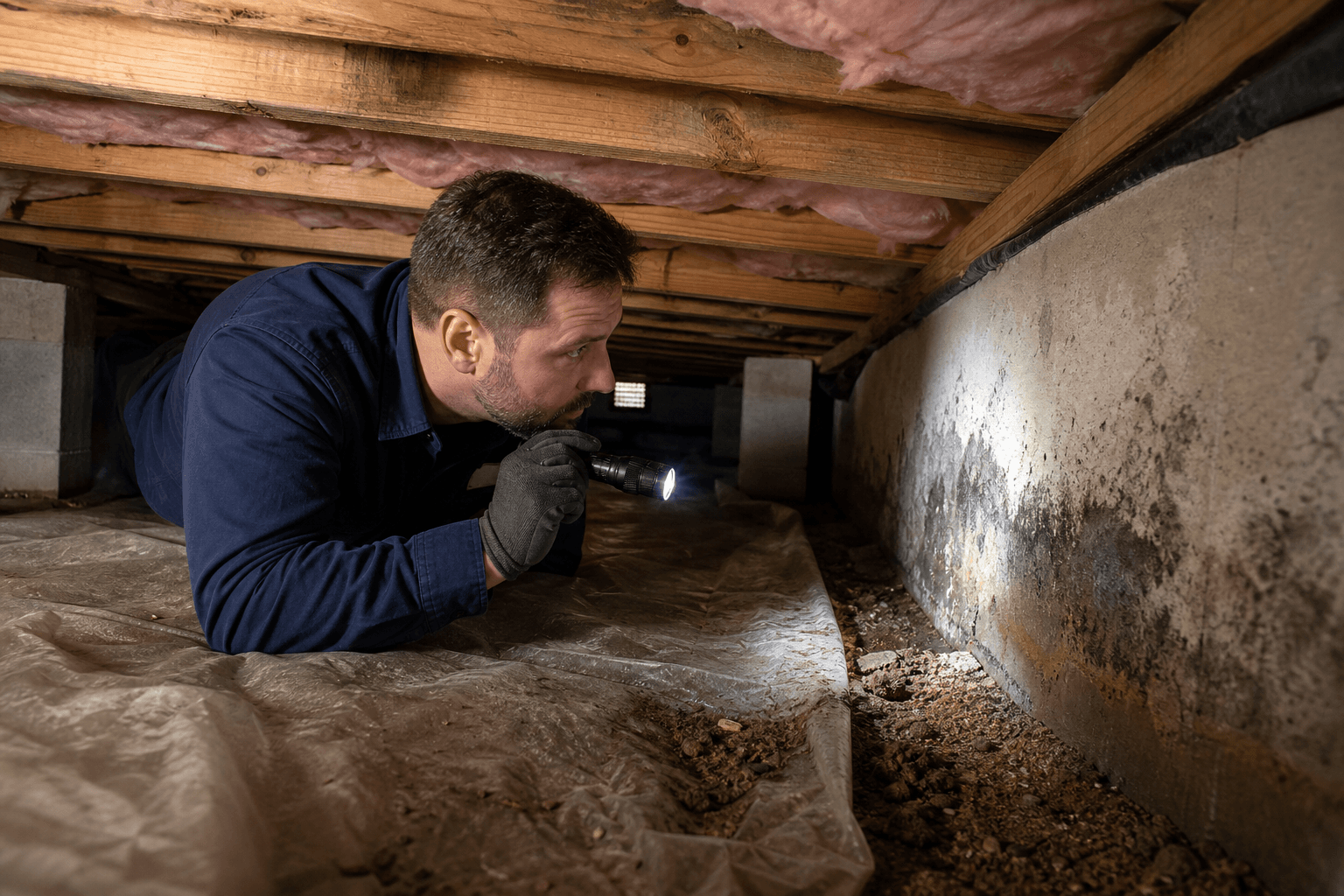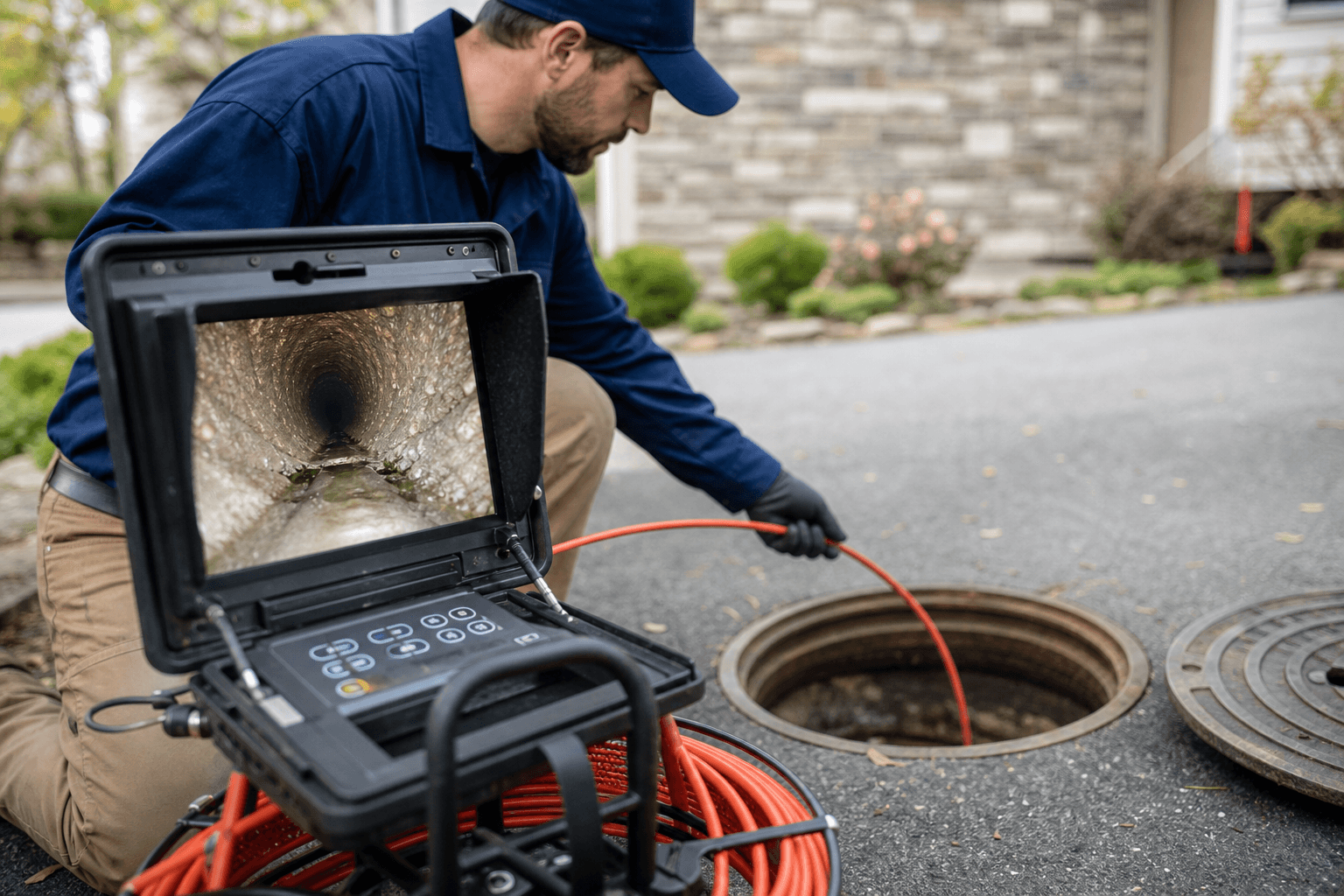
A sewer scope inspection, sometimes called a drain scope or sewer camera inspection, is a visual survey of a buried sewer or drain line using a small camera pushed through an access point. For buyers and agents in Toronto and the Greater Toronto Area, a sewer scope converts an unknown buried-line risk into information you can price, schedule, and negotiate around, especially for older homes where buried pipes are more likely to show wear or damage. For more on why Toronto buyers often add a scope before waiving inspection conditions, see the SmartBuyer Guide discussion on sewer scopes for Toronto homebuyers.
What a sewer scope inspection looks for
A camera run is focused and practical. The camera records the interior condition of the main sewer and connecting drain lines so inspectors can flag defects that are invisible from the surface. Typical issues a scope will reveal include:
- Tree roots growing into joints or cracks
- Partial or full blockages from debris, grease, or broken pipe fragments
- Offset joints or sections where alignment has shifted
- Cracked, collapsed, corroded, or otherwise damaged pipe sections
These findings do not automatically mean a property is unsalvageable. Instead, they provide an evidence base to obtain contractor quotes and compare repair scope and timing with your purchase budget and risk tolerance. The SmartBuyer Guide notes that when a scope finds roots, blockages, offsets, or damaged sections, the decision is often whether the likely repair range and timing still fits a buyer's first-year reserves rather than an automatic walk away.
Common findings and why they matter
Roots
Tree roots are a frequent discovery in older neighbourhood mains. Roots enter through small cracks or failed joints, can cause blockages, and will continue to grow unless the source is repaired. Often roots can be removed by mechanical cutting or hydro-jetting, but persistent root intrusion usually signals a joint or pipe defect that will recur until the pipe is repaired or replaced.
Blockages
Blockages range from grease and foreign objects to a build-up of scale in older pipes. A scope shows the blockage location and severity. Some blockages clear with cleaning, while others reveal or cause pipe damage that requires repair. Knowing whether a blockage is isolated or associated with collapse changes both cost and timeline expectations.
Offsets and misalignment
Offsets occur when sections of pipe have moved and no longer align. This can create chronic slow drains and can allow roots or soil to intrude. Small offsets sometimes require targeted repair. Larger offsets or multiple misaligned joints can mean a longer replacement section or full excavation depending on pipe material and depth.
Damaged or collapsed pipe sections
Cracks, fractures, or collapsed sections are the highest severity findings a scope can show. Remedies range from localized trenchless repairs to full open excavation and replacement. A scope gives contractors the information they need to produce realistic quotes instead of guessing at buried conditions.
Typical cost and timing in the Toronto and GTA market

Camera inspections are a relatively small expense compared with the potential cost of an unknown sewer replacement. A common Toronto price range for a sewer camera inspection is about $250 to $600, depending on access complexity and whether the operator documents the run with video and stills. This range is intended as typical market context, not a guaranteed price, and was summarised for Toronto buyers in the SmartBuyer Guide article on sewer scopes for Toronto homebuyers.
The camera run itself is usually minutes to a few hours. The full report delivery depends on the provider's workflow and whether the scope is bundled with other inspections. If you need fast answers during a tight transaction, confirm that the provider can return images and a written summary quickly.
How a sewer scope is performed and what to expect
Professional sewer scope services follow a routine sequence to minimise disruption and produce a useful record. AmeriSpec describes an efficient ten-step approach that begins with finding the best access point and ends with delivering recorded footage and findings. Expect the following steps:
- Locate the best access point, often a cleanout inside a basement, an exterior cleanout, or a main sewer tap
- If the homeowner knows the access location, point it out to save technician time and reduce invasive searching as AmeriSpec notes
- Insert the camera on a flexible cable and advance it through the line while recording video and taking still images
- Note line diameter, flow direction, and the distance from the access point to each notable defect
- Withdraw the camera and deliver a summary report with video clips, stills, and measured defect locations for contractor quoting
The camera operator will advise whether cleaning is needed before a clear view is possible. In some cases the scope and a cleaning service are combined so the camera can pass through a line that is otherwise obstructed.
When to add a sewer scope to a pre-purchase inspection
Use this checklist to decide whether to order a scope alongside your pre-purchase inspection. These criteria are practical and evidence based for Toronto and other older neighbourhoods.
- Age and pipe type: older properties with clay, cast iron, or early plastic piping have a higher likelihood of buried defects
- Visible symptoms: repeated backups, slow drains across the house, or unexplained lawn sinkage near the main line
- Mature trees near the main line whose roots could reach and enter joints
- Transaction timing that allows a short extra inspection window and a modest expense to avoid an unknown major repair later
If you are unsure whether a scope is warranted, ask your home inspector for an opinion. Coordinating scheduling early with the inspection team can save time during a tight closing timeline.
Interpreting results and practical next steps for buyers

A camera report does not itself provide a repair quote, but it gives contractors the detail they need to estimate cost and timing. When a scope shows a problem, common next steps are:
- Request written quotes from reputable plumbers or trenchless repair contractors that reference the scope images or video
- Assess whether the repair is urgent or can be scheduled after closing, and factor the estimate into negotiation or a post-closing plan
- If the issue is severe, consider asking the seller for remediation, a price adjustment, or an escrow holdback while preserving the option to withdraw if the repair scope is unacceptable
The SmartBuyer Guide emphasises that a scope converts an unknown risk into a priceable repair range and timeline. That change in information often allows buyers and agents to negotiate from fact rather than uncertainty.
Fitting a sewer scope into your GTA transaction timeline
Timing is a practical constraint in many Toronto transactions. To avoid delaying a closing, coordinate these items early.
- Book the scope as soon as a property goes under conditional offer, especially when you are working with a short inspection period
- Ask whether the scope provider delivers images and a written summary the same day so you can obtain contractor quotes promptly
- Use same-day home inspection reporting to speed negotiation. Inspectors that provide same-day PDF reports make it easier to combine home inspection findings with a sewer scope report when discussing remedies with sellers. See ASM Home & Commercial Inspection for an example of a service model that emphasises rapid report delivery
Scheduling the scope on the same day as the home inspection or immediately after can reduce the total time needed to make an informed decision.
Frequently asked questions
What does a sewer scope inspection show?
A sewer scope shows the interior condition of buried sewer and drain lines. The camera identifies roots, blockages, offsets, cracks, and collapsed sections and records images and video that contractors use to price repairs. For Toronto buyers, the SmartBuyer Guide explains why many older homes benefit from this extra check before waiving inspection conditions.
How much does a sewer scope cost in Toronto?
Typical camera inspection prices in Toronto range from about $250 to $600, depending on access complexity and documentation needs. This is a typical market range reported for Toronto homebuyers, not a guaranteed rate, so get a written quote from the service provider before booking.
Will a sewer scope delay my home purchase?
A scope itself is quick, but scheduling and quote collection can add time. Book the scope early in the inspection period and ask the provider for prompt image delivery so you can obtain contractor quotes within your transaction timelines.
If a sewer scope finds a problem, do I have to walk away from the deal?
No. A scope converts an unknown into documented findings that you can price and schedule. Buyers commonly use scope results to get repair quotes, negotiate a price reduction, or request seller repairs. The SmartBuyer Guide notes that findings often lead to an evaluation of repair range and timing rather than an automatic walk away.
Does a sewer scope replace a standard pre-purchase home inspection?
No. A sewer scope complements a standard pre-purchase inspection by inspecting buried lines that a typical home inspection cannot see. Both reports together give a more complete picture of the property condition.
Next step
If you are buying in the GTA and want an informed opinion on whether a sewer scope inspection is recommended for a specific property, ask ASM Home & Commercial Inspection for advice on coordinating a scope with your pre-purchase inspection and how rapid reporting can support negotiation and scheduling. Visit ASM Home & Commercial Inspection to learn more. For background reading on scope benefits for Toronto buyers, see the SmartBuyer Guide on sewer scopes for Toronto homebuyers and AmeriSpec's explanation of a professional sewer scope inspection.