A pre-purchase home inspection is most useful when you confirm the inspection scope, the inspector’s qualifications, the reporting process, and your time to review the findings before booking. It can provide important observations about a property’s condition, but it is not a guarantee that every defect will be found or a substitute for specialist, legal, or other professional advice.
Seven mistakes at a glance
| Mistake | Why it matters | Confirm before booking |
|---|---|---|
| Choosing by price alone | Quotes may represent different scopes and reporting services. | Compare coverage, credentials, documentation, and delivery timing. |
| Failing to confirm scope | You may misunderstand which areas and systems will be assessed. | Request a clear list of accessible major components. |
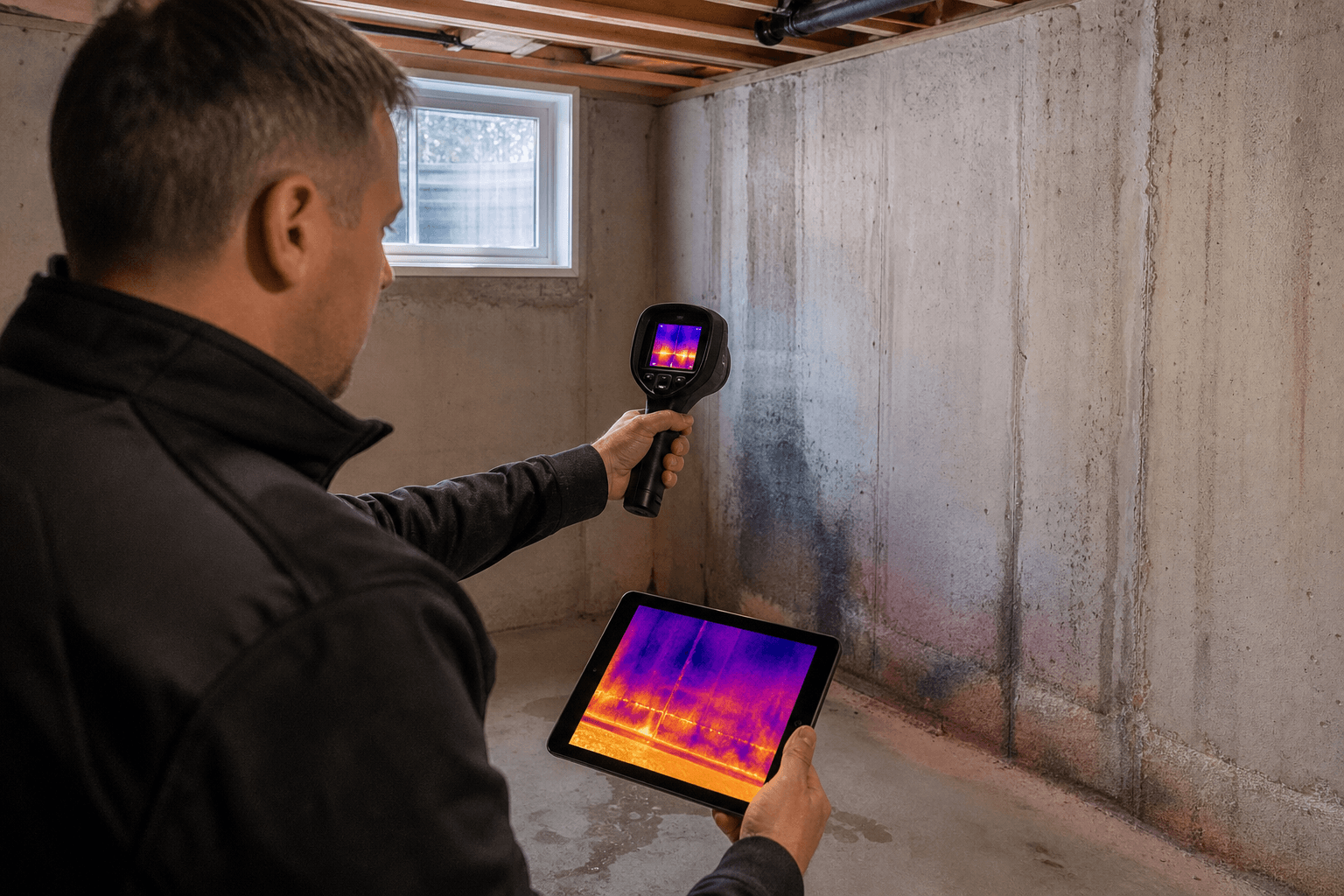
| Overlooking moisture pathways | Water-related observations can involve several connected parts of a property. | Ask about the roof, attic, drainage, foundation, basement, plumbing, and interior signs. |
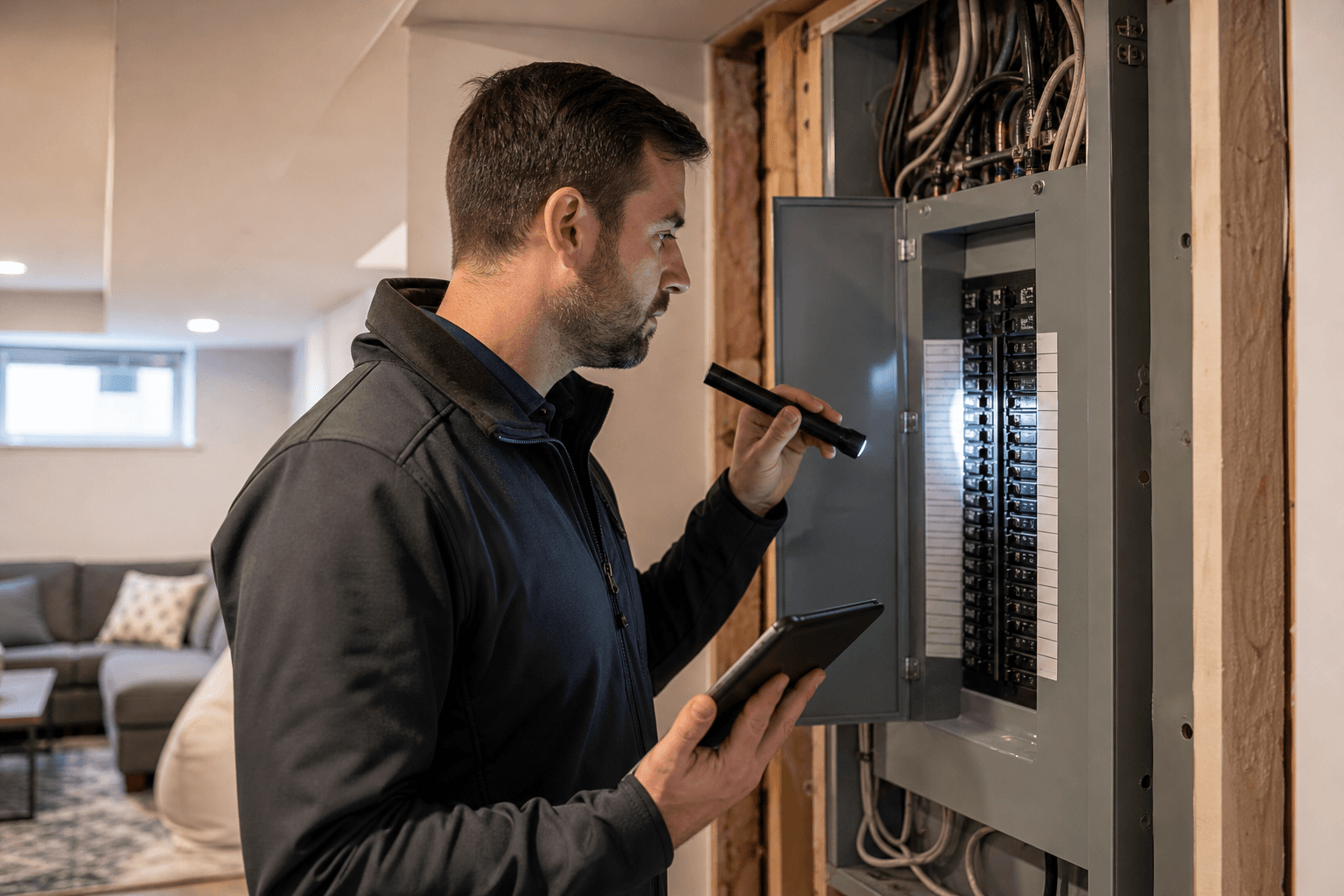
| Treating major systems as secondary | Cosmetic appeal does not answer questions about structure or utilities. | Confirm attention to structural, plumbing, electrical, and HVAC components. |
| Assuming new construction needs no inspection | New work can still warrant an independent review of visible workmanship and incomplete items. | Ask whether a new construction inspection fits the property and stage. |
| Not checking credentials or reporting | Qualifications and a usable report affect how clearly findings can be understood. | Verify credentials, format, delivery timing, and documentation. |
| Leaving no time to review findings | A fast report has limited value if you cannot understand it before deciding. | Build review time and possible specialist follow-up into the timeline. |
1. Choosing an inspector by price alone

Price is a reasonable consideration, but it is a poor standalone comparison. Two quotes may differ in the property areas covered, systems reviewed, report detail, inspector credentials, and turnaround time.
Ask whether you are comparing equivalent services. Confirm the residential inspection scope, whether accessible major components will be assessed, what the written report includes, and when it should arrive. Also ask whether the inspector has experience with the type of property you are considering.
ASM Home & Commercial Inspection provides residential and commercial inspections across the GTA and describes a broad residential scope. For more questions to use when comparing a home inspector in Toronto before booking, review the related checklist.
2. Failing to confirm what the inspection covers
“Home inspection” can sound comprehensive without identifying the components being assessed. ASM’s residential scope can include the roof, attic, gutters and downspouts, soffits, structure and foundation, garage, stairs and railings, porches and decks, walls, floors and ceilings, doors and windows, cabinets, basement, plumbing, electrical, furnace, water heater, and air conditioning or HVAC.
Use that list as a starting point, then discuss the specific property. Ask whether areas are accessible, how limitations will be documented, and whether a concern might require a separate specialist assessment. Do not assume a general inspection includes destructive investigation, every form of testing, or specialist services unless confirmed.
3. Overlooking moisture pathways
Moisture should be an explicit booking question. ASM identifies early moisture intrusion as an important concern because it can contribute to property damage and occupant safety risks. A stain or damp area does not, by itself, prove a particular cause; it indicates that clarification or follow-up may be appropriate.
Ask how the inspection will consider:
- Roof coverings, penetrations, gutters, downspouts, and soffits.
- Attic conditions and visible signs associated with water entry or ventilation concerns.
- Exterior drainage observations near the foundation.
- Foundation and basement conditions, including visible dampness or water-related indications.
- Plumbing fixtures and accessible piping areas.
- Interior walls, ceilings, floors, windows, and doors where visible conditions may warrant investigation.
If a concern is observed, ask what is known, what remains uncertain, and whether a qualified specialist should investigate it. A general inspection should not be treated as a diagnosis of hidden conditions, mold, structural failure, or a health outcome.
4. Treating major systems as secondary details
A property can look appealing while requiring closer attention to its roof, foundation, plumbing, electrical system, furnace, water heater, and HVAC. Buyers who focus mainly on finishes and layout may miss the importance of these components.
Ask whether the inspection addresses the major systems relevant to the property and how observations will be presented. The report should help distinguish an observed condition from a recommendation for further evaluation. It should not be expected to provide unsupported conclusions about code compliance, remaining service life, or exact repair costs.
5. Assuming new construction needs no inspection
New construction is not automatically defect-free. A new construction inspection may help a buyer review visible workmanship, incomplete items, and conditions that should be documented or discussed. It does not replace builder documents, warranties, or advice relevant to the transaction.
Ask whether your situation calls for a standard pre-purchase inspection or a new construction inspection. The answer may depend on completion stage, access, and timing. Confirm what can be observed and how unfinished or inaccessible areas will be reported. If you are uncertain, compare GTA home inspection options by property and timing.
6. Not checking credentials or report delivery
Credentials do not guarantee that an inspection will answer every question, but they are worth verifying. Ask who will conduct the inspection and what certifications apply to the service you are booking. ASM states that its inspector is an InterNACHI certified inspector and a CCPIA certified inspector.
Before booking, confirm:
- Whether you will receive a written PDF home inspection report.
- When the report is expected.
- How photographs, observations, limitations, and recommended follow-up are documented.
- How you can ask about an unclear finding.
ASM states that it provides same-day PDF inspection reports. A same day inspection report can support a time-sensitive decision, but speed does not remove the need to read it carefully.
7. Leaving no time to review the findings
Booking at the last possible moment can leave you with a report but no opportunity to understand it. Reserve time to review the findings before making a purchase decision or discussing next steps.
- Note observations involving safety, active conditions, or possible water entry.
- Separate routine maintenance from conditions needing timely investigation.
- Mark recommendations for an electrician, plumber, HVAC professional, structural professional, or another specialist.
- Ask the inspector to clarify terms or limitations.
- Discuss legal, financing, insurance, repair, or transaction decisions with the appropriate professional.
Questions to ask before you book
- What areas and major systems are included?
- How will inaccessible areas be identified?
- Will the inspection address the roof, attic, foundation, basement, plumbing, electrical, and HVAC?
- How will visible moisture-related observations be documented?
- What credentials does the inspector hold?
- Will I receive a PDF report, and when?
- Can I attend and ask questions?
- What findings may warrant specialist assessment?
- Does my property call for a pre-purchase, new construction, or another inspection?
- Will I have enough time to review the findings?
For a longer conversation checklist, read What Should You Ask a Home Inspector in Toronto Before Booking?.
Does your situation call for a different inspection type?
A pre-purchase inspection supports a buyer evaluating a property. A pre-listing inspection helps a seller understand conditions before listing. A new construction inspection suits a newly built property or construction stage. A move-in inspection documents a rental’s condition at occupancy, while an annual maintenance inspection supports ongoing property review.
The right choice depends on the decision, access, and timeline. For commercial buildings, confirm that you are arranging a commercial property inspection suited to the building type. ASM describes service across residential and many commercial property categories throughout the GTA.
How to use the report without overreading it
Read the report as a structured record of observed conditions and limitations, not a guarantee of future performance. Identify safety, active water-related, structural, and essential-system observations first, then separate maintenance matters from recommendations for specialist evaluation.
An inspection report does not determine every applicable requirement, insurance or financing decision, or exact repair cost. Those questions may require building, legal, insurance, financial, or trade professionals. A moisture note should prompt clarification and suitable follow-up rather than an unsupported diagnosis.
Make the booking decision with the scope in view
The strongest inspection choice is not necessarily the cheapest or fastest. Compare scope, confirm attention to major systems and moisture pathways, verify credentials and reporting expectations, and leave enough time to review the findings. These checks help match the inspection to the property and the decision ahead.
ASM Home & Commercial Inspection provides certified residential inspections across the Greater Toronto Area. To discuss a pre-purchase home inspection, call +1 647-381-9030, email asmhomeinspection@gmail.com, or visit ASM Home & Commercial Inspection.