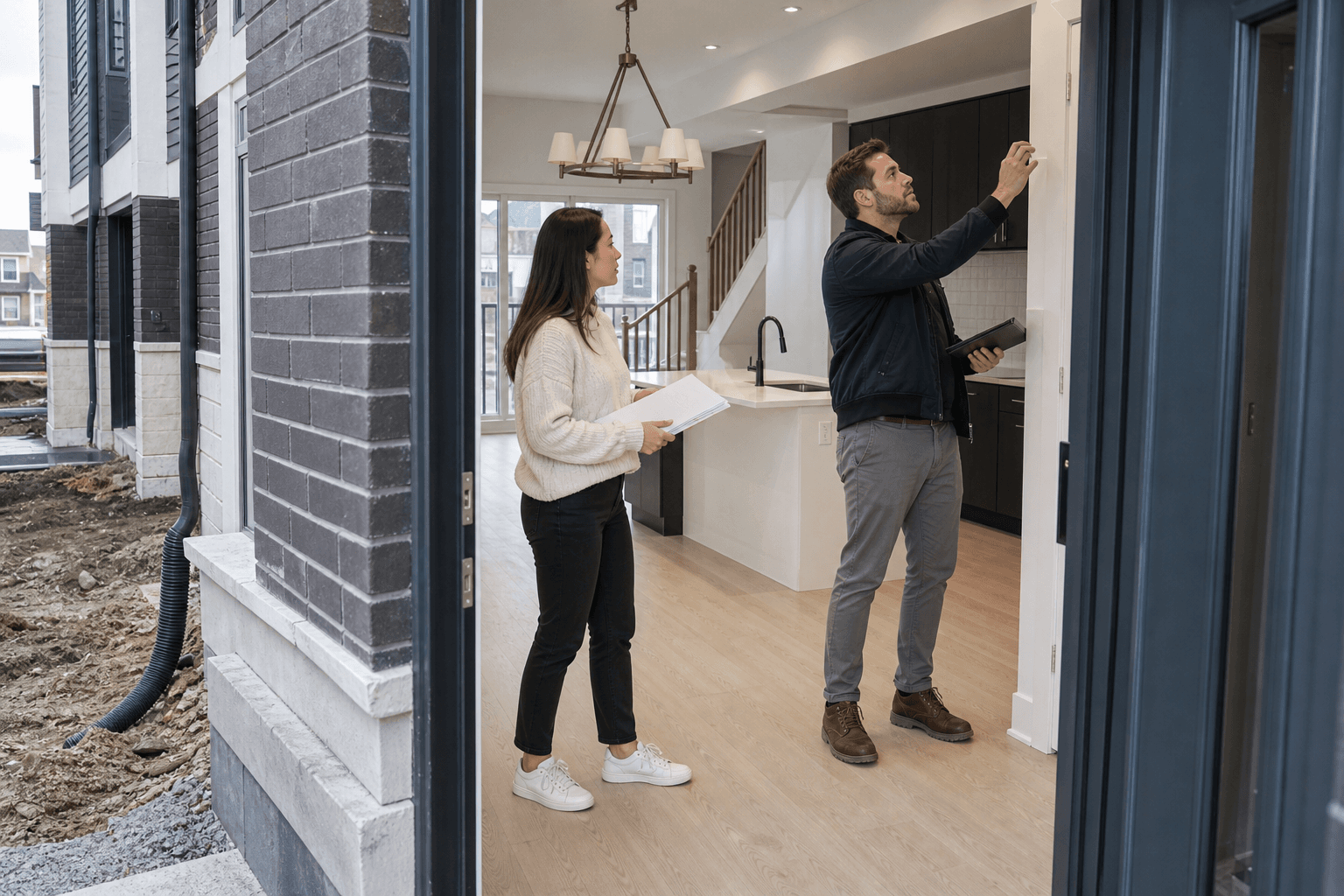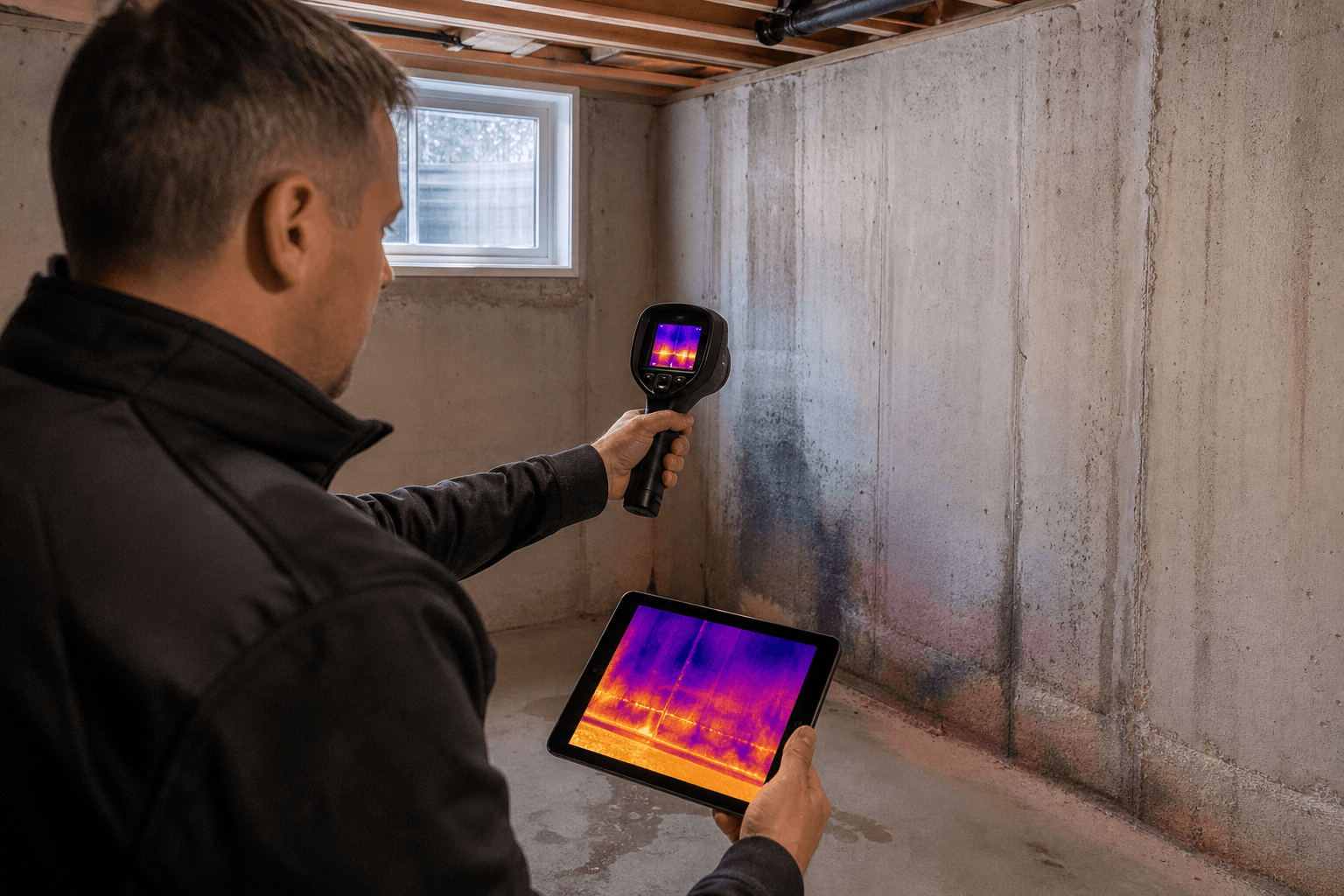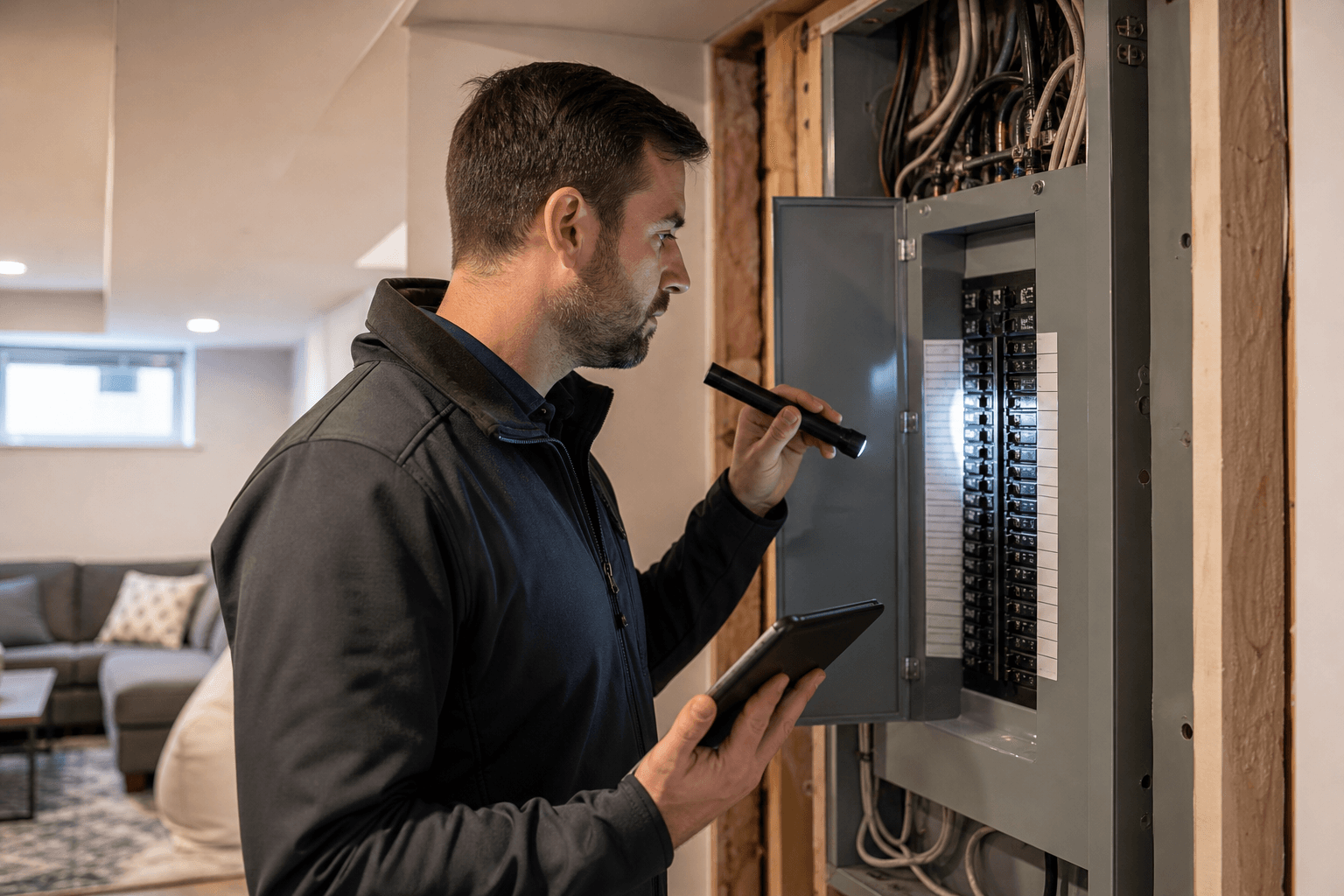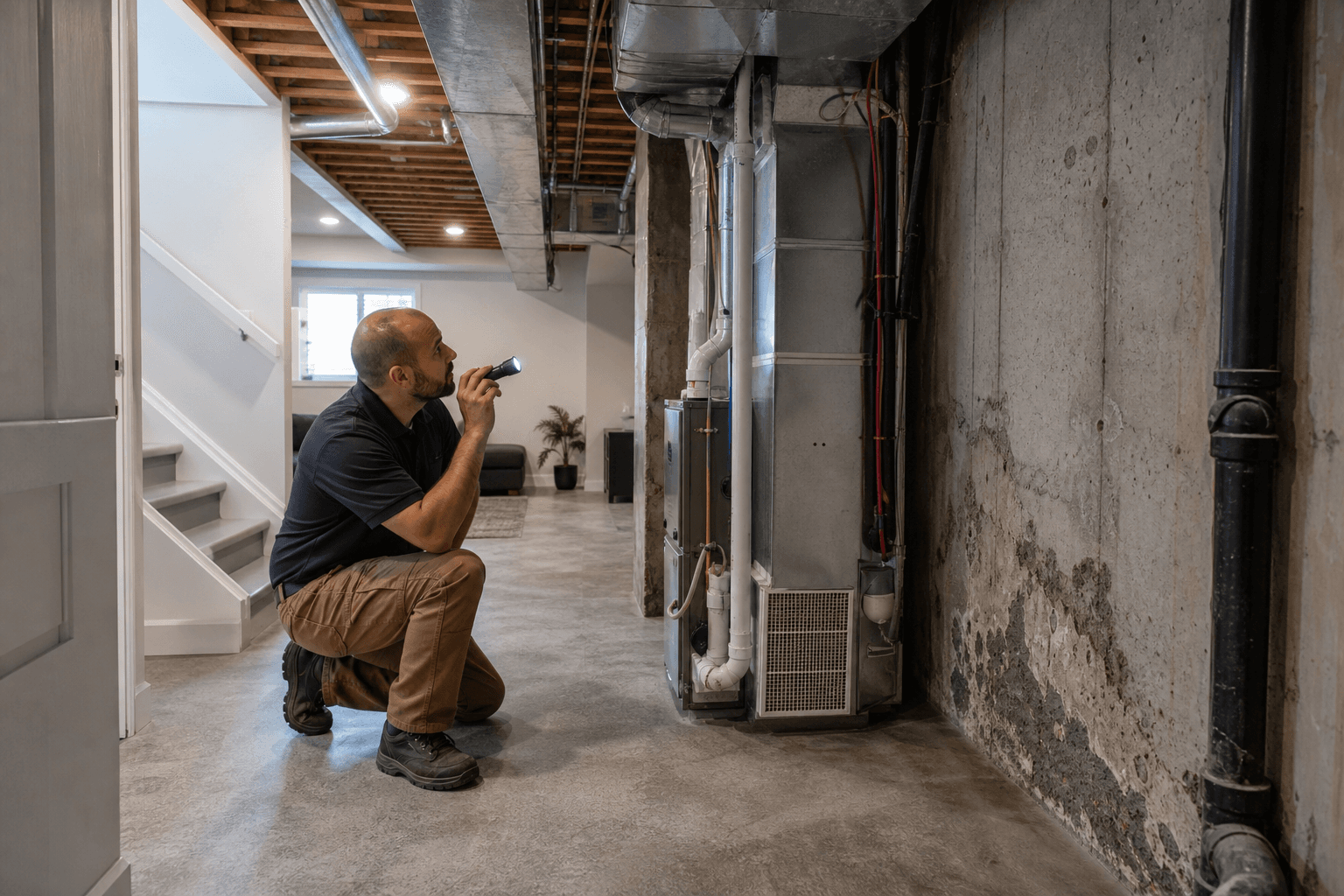
A home inspection quote should state the price, property and purpose, inspection scope, report format, delivery timing, limitations, and any items requiring separate confirmation. Asmhomeinspection’s residential inspections start at $199, but the final quote depends on property type, size, age, access, and requested scope. Related reading: Quotes Formatting and Sending for Windsor Small Businesses.
The useful question is not simply which inspector is cheapest. Ask whether the quote covers the areas you need reviewed, explains its limits, and delivers the report in time for your decision.
What a Home Inspection Quote Should Include
A quote is more useful than a headline number when it identifies the property and explains what you are paying to have inspected. Two estimates may describe different services even when both use words such as “full” or “complete.”
| Quote detail | What to look for |
|---|---|
| Price | The quoted amount and whether taxes, additions, or property-specific adjustments need confirmation. |
| Property and purpose | The address, property type, and whether the inspection is for buying, selling, moving in, maintenance, or new construction. |
| Inspection scope | The systems, areas, components, access conditions, and limitations included. |
| Report | The format, photographs, written observations, and delivery method. |
| Timing | When the inspection can occur and when the report is expected, especially if you have an offer or closing deadline. |
| Separate items | Specialist testing, inaccessible areas, return visits, or optional services that require confirmation. |
Asmhomeinspection states that its residential inspections include a same-day PDF report with photographs and written observations. Review the inspection scope and FAQ details, then request an estimate that reflects the specific property.
Why Inspection Quotes Differ
A residential inspection does not have one universal price. Size matters, but so do layout, age, systems, access, condition, finished areas, and the requested scope.
| Property situation | Factors that can change the estimate | Useful question |
|---|---|---|
| Condominium unit | Unit size, building access, and whether the request concerns only the unit or shared elements. | Which unit components are included, and which common elements remain outside scope? |
| Townhouse | Whether it is freehold or part of a corporation, plus the exterior and roof areas assigned to the owner. | Which exterior, roof, drainage, and shared components are within scope? |
| Semi-detached or detached home | Roof, attic, foundation, grading, basement, garage, mechanical systems, and overall size. | Does the quote address the full exterior, drainage, structure, attic, and interior systems? |
| Older or renovated home | Mixed-era materials, additions, visible workmanship, moisture concerns, and aging equipment. | How will renovations and concealed areas be recorded? |
| Commercial or multi-unit property | Building size, tenant areas, common systems, roof, structure, mechanical equipment, and coordination. | Which areas and systems are included in the individually prepared scope? |
Many Ontario and GTA inspection fees fall around $350 to $600, with higher fees possible for larger, older, or more complex properties. That range is context, not a guaranteed price. The GTA home inspection rate guide explains the main cost factors.
How much should a full inspection cost?
A full inspection should be priced according to the property and agreed scope. Asmhomeinspection publishes residential inspections starting at $199, with the final quote based on property type, size, age, access, and requested scope.
Ask whether “full” includes the roof, exterior, drainage, structure, basement, electrical, plumbing, heating, cooling, attic, insulation, windows, doors, and interior areas. The word alone is not a written scope.
How long does an inspection take on a 2,000-square-foot home?
Square footage alone cannot establish a reliable duration. Layout, age, number of systems, attic and roof access, finished areas, occupancy, and requested scope all affect the appointment.
Provide those details and ask for the expected inspection length and report timing for that property instead of relying on a generic duration.
What a Standard Residential Inspection Usually Covers
A standard residential inspection is a visual review of accessible components included in the agreed scope. It commonly covers:
- Roof and drainage: visible roof coverings and flashings, gutters, downspouts, and drainage conditions.
- Exterior and structure: accessible exterior components, visible foundation, and visible structural conditions.
- Basement and crawl spaces: accessible areas, visible moisture indicators, and observable conditions.
- Electrical: accessible service and panels, visible wiring, representative receptacles, lights, and related components.
- Plumbing: visible supply and drainage components, fixtures, and the water heater.
- Heating and cooling: the furnace, air conditioning, and visible distribution components.
- Attic and insulation: accessible attic areas, insulation, and ventilation conditions.
- Interior: windows, doors, interior finishes, and other accessible components.
The inspection documents observable conditions and helps you decide what needs attention, repair planning, further investigation, or specialist advice. It is not a promise that every defect will be found.
What the Quote Does Not Automatically Cover
A general home inspection is visual and non-destructive. It does not normally involve opening walls, removing finishes, dismantling equipment, or investigating concealed conditions. Locked rooms, stored belongings, unsafe areas, snow-covered surfaces, and unreachable components can limit observations.
Ontario consumer guidance explains that inspectors cannot see or find everything and do not provide a warranty or guarantee of a home’s condition. The Office of Consumer Affairs guidance likewise limits reports to areas the inspector can see or access.
A standard quote should not be assumed to include:
- Radon measurement or environmental testing.
- Mould sampling, laboratory analysis, or remediation planning.
- Engineering opinions about structural design or movement.
- Repair work, contractor estimates, or future-performance guarantees.
- Municipal code-compliance inspections or approval certificates.
- Destructive investigation behind walls, ceilings, floors, or finishes.
- Specialist evaluations of septic systems, sewers, wells, pests, asbestos, or other focused concerns.
Ask whether a supplemental service is available and what it costs for your property. Do not assume that radon, mould testing, or thermal imaging is included. For focused roof questions, review the differences between general and roof inspection services.
Details to Send Before Requesting an Estimate
A clear property description reduces back-and-forth and helps the inspector discuss the appropriate scope. Provide:
- Location: the address or municipality.
- Property type: condominium, townhouse, semi-detached, detached, multi-unit, or another form.
- Approximate size: living area, floors, basement, crawl space, garage, and additions.
- Age and renovations: approximate construction year and major alterations.
- Occupancy: vacant, occupied, rented, furnished, or under construction.
- Purpose: buying, selling, moving in, maintenance, or new construction.
- Known concerns: moisture, roof access, foundation cracks, electrical, heating, or renovation questions.
- Access: locked rooms, tenants, shared areas, attic hatches, crawl spaces, and stored belongings.
- Timing: desired date and any offer, closing, listing, possession, or repair deadline.
For example: “This is a 2,000-square-foot detached home from the 1980s with a finished basement, attached garage, gas furnace, and central air conditioning. The attic hatch is accessible, the home is occupied, and the offer condition ends on (date). Please quote the residential scope and report timing.”
How to Compare Two Home Inspection Quotes
Compare estimates line by line. A lower number may reflect a narrower scope, fewer report details, slower delivery, or exclusions that matter to your decision.
- Total price: confirm taxes, optional items, and property-specific adjustments.
- Written scope: check that the systems and areas you need are named.
- Credentials: ask about training, professional memberships, and residential experience. Ontario’s Home Inspection Act, 2017 is marked “not yet in force,” so a provincial licence is not a current verification step.
- Report quality: ask whether the report contains photographs, explanations, limitations, and practical next steps. Learn how to use a home inspection report before accepting a quote.
- Delivery timing: confirm whether same-day delivery applies to your requested appointment.
- Access requirements: clarify what must be unlocked, cleared, operating, or available.
- Terms: read cancellation, rescheduling, return-visit, and limitation provisions.
- Follow-up: ask how findings will be discussed and who should handle specialist work.
What are red flags for home inspectors?
Red flags include no written scope, an unexplained headline price, unclear qualifications, pressure to waive the inspection, promises to find every defect, or refusal to explain limitations. Be cautious if the inspector will not say what the report contains or when it will arrive.
Ask for a clear distinction between observations, recommendations, specialist investigations, and repairs.
Choose Timing That Matches Your Decision
- Buying a resale home: request the quote early and confirm that the appointment and report fit the inspection condition and deadline. Attend when possible.
- Selling: a pre-listing inspection can document visible conditions and help organize repair priorities.
- Buying new construction: an independent inspection addresses visible conditions and incomplete work at the chosen stage. Ask for the scope that matches the construction stage and the questions you need answered.
- Moving into a rental: a move-in inspection documents the accessible starting condition.
- Owning a home: an inspection can be arranged simply because you own or are considering a property. Annual maintenance inspections help document accessible changes and organize priorities.
If the unresolved question concerns mould, structural design, a sewer, or another specialist matter, request the assessment that matches that question instead of assuming a general inspection will answer it.
From Quote to Same-Day Report
- Describe the property: share its type, size, age, access, concerns, and deadline.
- Agree on scope: confirm accessible systems and areas and any separate services.
- Prepare access: unlock relevant rooms, equipment areas, attic hatches, panels, and crawl spaces where safe and permitted.
- Attend when possible: buyers can ask questions and see conditions firsthand.
- Review observations: visible conditions are documented with photographs and written notes.
- Receive the report: Asmhomeinspection provides a same-day PDF report for its inspection service, subject to the agreed booking and scope.
- Prioritize actions: separate urgent safety or moisture concerns from maintenance items and decide whether specialist follow-up is needed.
State any offer or closing deadline when requesting the estimate and confirm timing for that appointment. A report supports a better-informed decision but does not replace legal, engineering, repair, or specialist advice.
A Better Quote Is One You Can Act On
The strongest home inspection quote connects the property, purpose, scope, limitations, report, timing, and terms. Provide Asmhomeinspection with the address, property details, access information, purpose, and desired date, then request the appropriate residential inspection pricing for your property and scope.