A move-in home inspection in Toronto is a professional assessment of a property's observable condition when someone is preparing to occupy it. It creates a dated, organized baseline covering relevant exterior components, interior areas, structure, moisture-prone locations, and major home systems. That record can help tenants, landlords, buyers, and owners understand the property's condition at the start of occupancy without suggesting that an inspection finds every concealed defect or guarantees a problem-free home.
Why Establish a Condition Baseline at Move-In?
Moving into a home or rental unit often involves many practical decisions at once. A professional inspection gives the occupant or owner a structured record of what was observable at that point in time, rather than relying only on memory, informal notes, or photographs taken without technical context.
For tenants, the report can help organize observations about the condition of the unit and its visible components at occupancy. Landlords may use an inspection to understand the property's starting condition before a tenancy begins. A buyer taking possession may want a separate record of its condition at occupancy, while an owner can use one as part of broader property monitoring.
The value is primarily clarity and documentation. The report should describe observed conditions and areas that may warrant follow-up. It should not be treated as proof of lease compliance, building-code compliance, or a guaranteed outcome in a disagreement. Those matters may require separate documents, professionals, or advice.
How a Move-In Inspection Differs From Other Inspection Types

Inspection names can sound similar, but the timing and decision behind each one are different. A move-in inspection focuses on establishing a condition baseline at occupancy, while other inspections are connected to buying, selling, or evaluating new construction.
| Inspection type | Primary timing | Main purpose | Decision it supports |
|---|---|---|---|
| Move-in inspection | Before or around occupancy | Document observable condition at the start of occupancy | Whether a professional baseline would be useful |
| Pre-purchase inspection | Before buying or closing | Assess the condition of a property being considered for purchase | Whether to proceed, investigate further, or plan maintenance |
| Pre-listing inspection | Before listing | Identify observable conditions a seller may want to understand | How to prepare the property and communicate about its condition |
| New construction inspection | During or after construction | Review visible workmanship and components in a newly built property | Which items may need attention or follow-up |
These services can complement one another, but they are not interchangeable. A move-in inspection does not replace a pre-purchase or new construction inspection when the transaction or construction stage calls for one. For broader guidance, see how to choose a GTA home inspection for your property and timeline.
What Areas May Be Reviewed?
The exact scope depends on the property and inspection arrangement, but a residential home inspection may be organized into exterior components, structure and moisture-prone areas, interior components, and major systems. This makes the report easier to review than an undifferentiated list of defects.
Exterior Components and Entry Areas
Observations may include the roof, gutters and downspouts, soffits, garage, porches, decks, stairs, railings, doors, and windows. These components influence water management, access, safety, and the condition of the building envelope.
A report may note visible deterioration, damage, drainage concerns, or maintenance needs. It should also make clear when a component or area is not visible or accessible. Exterior observations do not automatically establish the condition of concealed materials.
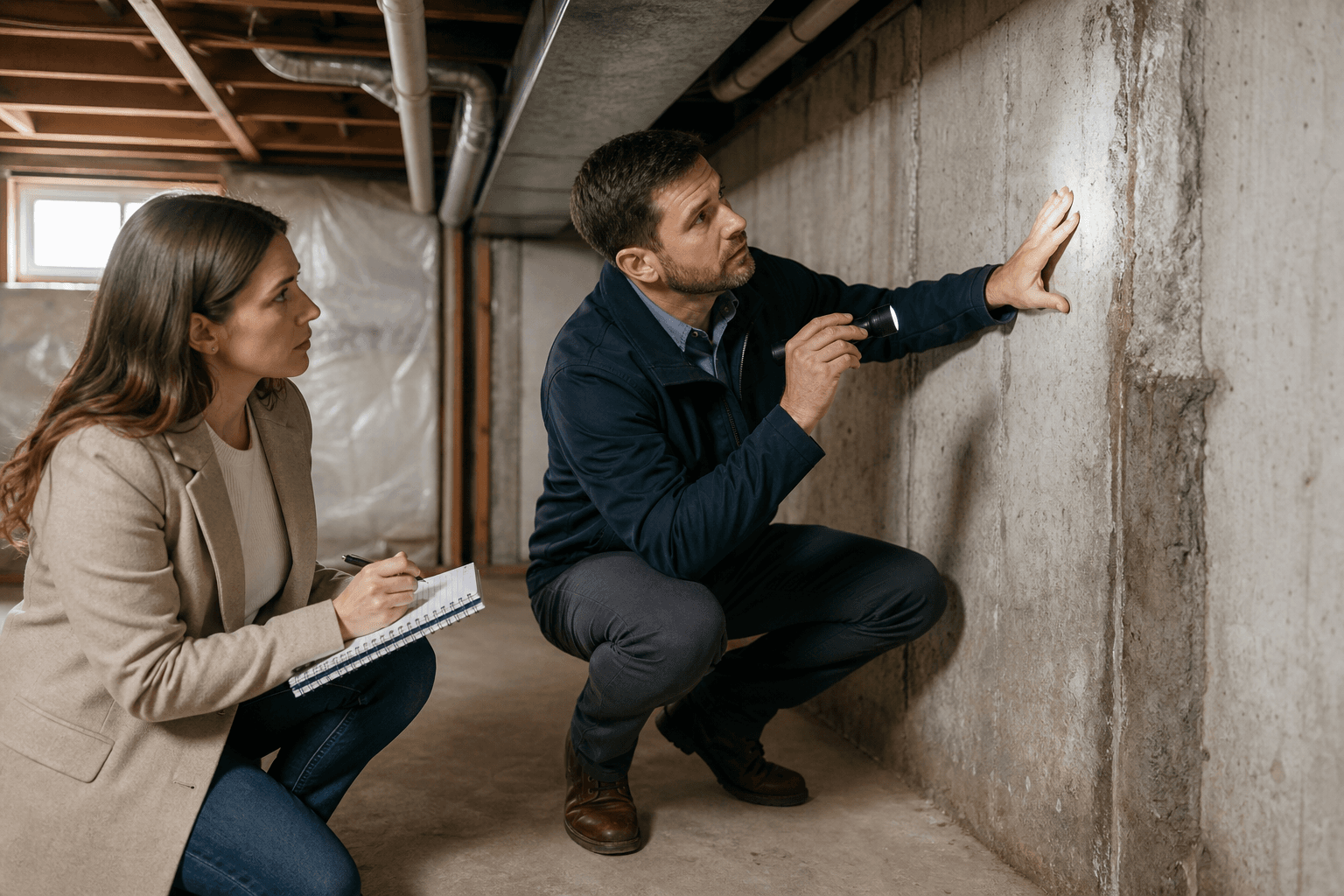
Structure, Foundation, Attic, Basement, and Moisture
Moisture intrusion is important when establishing a property baseline. Roof areas, attics, foundations, basements, walls, and ceilings can provide clues about water entry or moisture-related deterioration. ASM emphasizes identifying moisture intrusion early because it can contribute to structural damage and safety risks for occupants.
This does not mean a standard inspection diagnoses every moisture source or includes specialized mold, asbestos, radon, or air-quality testing. Visible and accessible conditions can be documented and flagged for follow-up. See ASM's resources on detecting roof moisture safely in the GTA and attic ventilation checks for Toronto homes.
Interior Areas and Major Home Systems
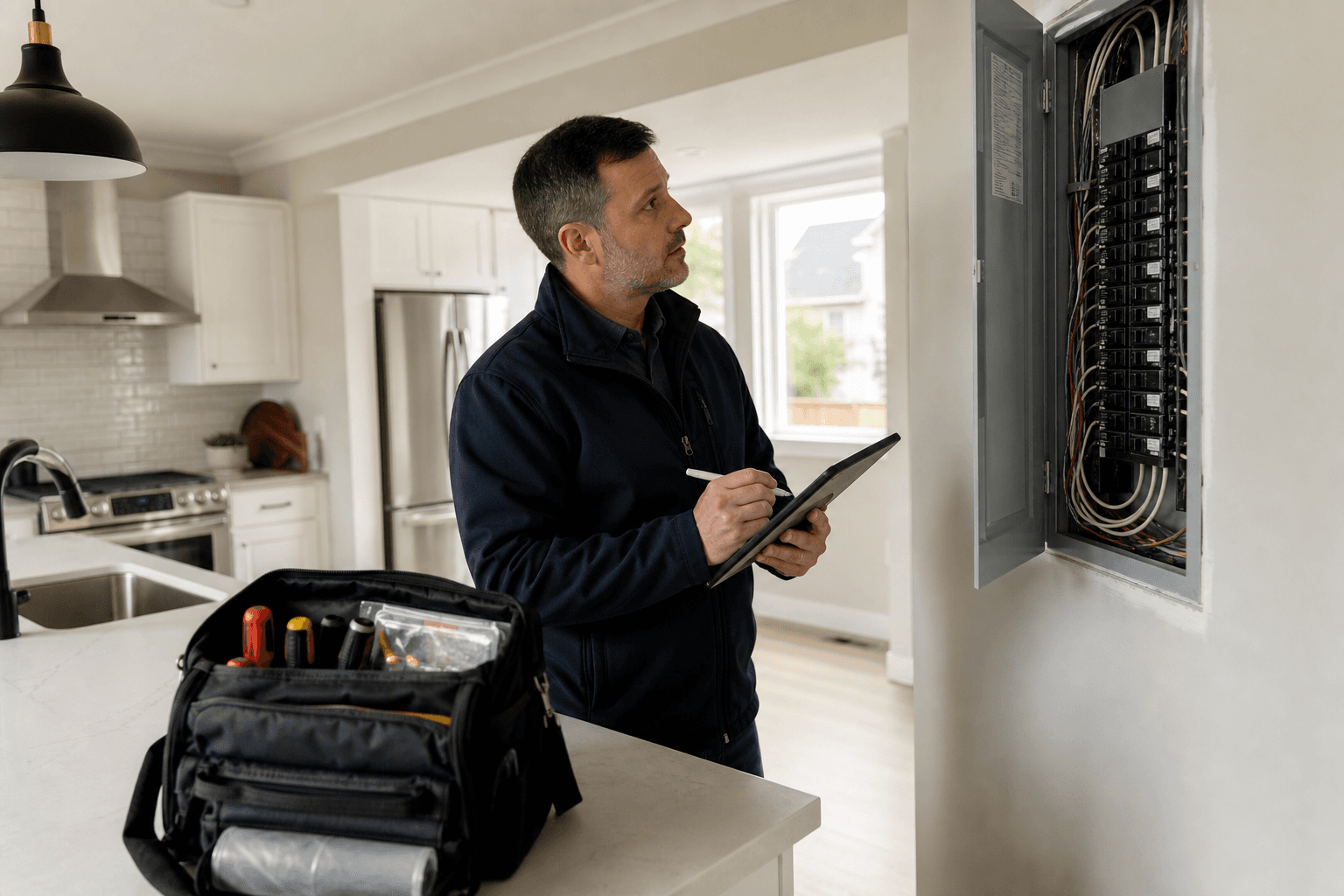
Interior observations may cover walls, floors, ceilings, cabinets, doors, windows, plumbing systems and fixtures, electrical panels, lights and receptacles, furnaces, water heaters, air conditioning, and other HVAC-related components.
Reviewing these areas system by system helps separate routine maintenance items from conditions that may deserve prompt attention. A residential home inspection assesses observable condition; it does not assure exhaustive testing or certify compliance with every applicable requirement.
What the Same-Day PDF Report Provides
ASM provides a same-day PDF inspection report. For a move-in inspection, that format can make it easier to keep findings with other property records, review observations while they are relevant, and identify follow-up items promptly.
A useful report should explain what was observed, where it was observed, and whether an item appears to need monitoring, maintenance, repair, or further assessment. Same-day delivery supports timely review, but it does not resolve a dispute or replace specialist advice when a finding falls outside a general inspection scope.
Who May Benefit From a Move-In Inspection?
- Renters: A professionally organized record of the unit's observable condition before or around occupancy.
- Landlords: A documented baseline of property condition at the beginning of a tenancy, subject to separate lease or legal requirements.
- Homebuyers moving in: An occupancy-stage snapshot, although it does not replace an inspection needed for the purchase decision.
- Property owners: Support for maintenance planning by identifying visible conditions across major components and systems.
The strongest reason to book is practical: you want a clear, dated baseline and believe an independent assessment will make the property's condition easier to understand.
Questions to Ask Before Booking
- Does the property and occupancy situation fit a move-in inspection?
- Which exterior, interior, structural, moisture-prone, plumbing, electrical, and HVAC areas are included?
- Which areas must be accessible on inspection day?
- How will observed conditions and inaccessible areas be documented?
- When will the PDF report be delivered?
- Will a finding require a specialist or separate testing?
For broader provider-selection guidance, read what to ask a home inspector in Toronto before booking.
Choosing an Inspector for Toronto and the GTA
When comparing Toronto home inspection services, look for a provider whose experience and scope match the property. Ask about residential experience, systems reviewed, report delivery, and professional credentials.
ASM Home & Commercial Inspection states that its inspector is an InterNACHI certified inspector and a CCPIA certified inspector. The company provides residential and commercial property inspections across the GTA, including Toronto, Mississauga, Markham, Vaughan, Richmond Hill, Brampton, Oakville, Pickering, Whitby, and Oshawa.
Frequently Asked Questions
Is a move-in home inspection legally required in Toronto?
The supplied business information does not establish a general legal requirement. Confirm any lease, transaction, or other specific requirements with the relevant professional.
Does a move-in inspection replace a pre-purchase or new construction inspection?
No. These inspections serve different purposes and occur at different stages. A move-in inspection establishes an occupancy baseline, while the others support purchase or construction-related decisions.
What should I ask before booking a move-in inspection in Toronto?
Confirm the inspection scope, accessible areas, documentation method, report format, delivery timing, and whether specialized testing is separate.
When a Move-In Inspection Makes Sense
A move-in home inspection makes sense when you want a professional, dated record of a property's observable condition at occupancy. It can be especially useful when several people need a shared understanding of the starting condition or when moisture-prone areas and major systems deserve organized attention.
Choose the inspection type based on the decision you are making. Confirm the scope, accessibility requirements, report format, and whether any specialized assessment is separate.
ASM Home & Commercial Inspection provides move-in inspections and same-day PDF reports for residential properties across Toronto and the GTA. Call +1 647-381-9030, email asmhomeinspection@gmail.com, or visit ASM Home & Commercial Inspection.